
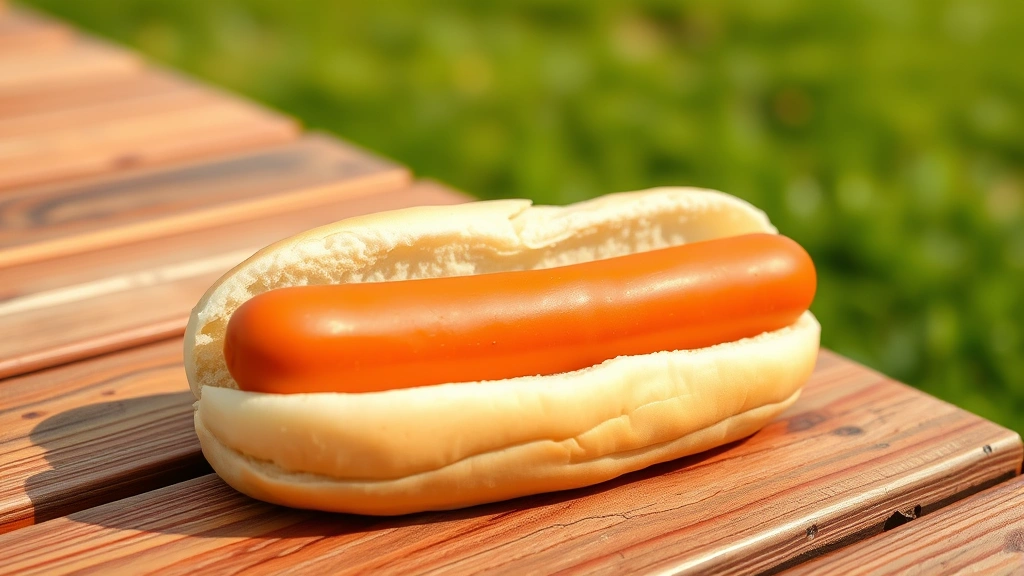
So you’re at the backyard barbecue, hot dog in hand, and your furry best friend is giving you those irresistible puppy dog eyes. Before you toss that hot dog bun under the table, you’re probably wondering: how many calories is a hot dog bun, and is it even safe for your pet to eat? Great question! Let’s break down the calorie content and nutritional facts about hot dog buns, plus whether they belong anywhere near your dog’s mouth.
Table of Contents
- How Many Calories Are Actually in a Hot Dog Bun?
- Breaking Down the Nutritional Content
- Are Hot Dog Buns Safe for Dogs?
- Calorie Considerations for Your Dog’s Diet
- Common Hot Dog Bun Ingredients to Watch Out For
- What About Whole Wheat vs. White Hot Dog Buns?
- The Real Problem: Empty Calories and Weight Management
- Better Alternatives to Hot Dog Buns
- Special Considerations for Different Dog Sizes
- When Your Dog Accidentally Eats a Hot Dog Bun
- Reading Labels and Making Informed Choices
- Frequently Asked Questions
- Final Thoughts: Keep Those Buns Away from Your Pup
How Many Calories Are Actually in a Hot Dog Bun?
A standard hot dog bun typically contains between 120-150 calories, depending on the brand and size. Most commercial hot dog buns weigh about 40-45 grams and are made primarily from enriched wheat flour, water, yeast, salt, and sometimes sugar or high fructose corn syrup. The exact calorie count can vary—artisanal buns might be slightly higher, while thin-sliced versions could be lower. For your reference, a typical store-bought hot dog bun has roughly 3-4 calories per gram.
Breaking Down the Nutritional Content
Beyond just calories, here’s what’s actually in that innocent-looking bun: roughly 4-5 grams of protein, 20-25 grams of carbohydrates, 1-2 grams of fat, and varying amounts of fiber depending on whether it’s whole wheat or white. Many commercial buns also contain added sugars (2-4 grams) and sodium (around 200-300mg per bun). When you’re evaluating low calorie human foods for pets, hot dog buns don’t make the cut—they’re basically empty carbs with minimal nutritional value for dogs.
Are Hot Dog Buns Safe for Dogs?
Here’s the thing: a small piece of plain hot dog bun won’t poison your dog, but it’s not recommended for regular consumption. Dogs don’t need bread, and the refined carbohydrates offer zero nutritional benefit. The bigger concern is what’s often ON the bun—butter, garlic powder, sesame seeds, or other toppings that can be harmful. Plain buns are safer than flavored ones, but that doesn’t mean they’re good for your pup.
Calorie Considerations for Your Dog’s Diet
Most dogs should consume between 900-2000 calories daily, depending on their size, age, and activity level. A 50-pound dog typically needs around 1200-1500 calories per day. If you give your dog a hot dog bun (120-150 calories), you’re adding 8-12% of their daily caloric intake from something with zero nutritional value. When managing your pet’s weight, every calorie counts. Check out our guide on healthy snack alternatives for dogs for better options.
Common Hot Dog Bun Ingredients to Watch Out For
Not all hot dog buns are created equal. Some contain ingredients that are genuinely dangerous for dogs: xylitol (an artificial sweetener), garlic, onion powder, or excessive sodium. Even “healthier” buns marketed with seeds or whole grains might contain poppy seeds or other additives that aren’t ideal for canine consumption. Always read the ingredient list before offering any human food to your pet. Our article on pet food safety covers more dangerous ingredients to avoid.
What About Whole Wheat vs. White Hot Dog Buns?
Whole wheat hot dog buns typically have similar calorie counts (maybe 5-10 calories less) but offer slightly more fiber and nutrients. However, they’re still not ideal for dogs. The fiber content in whole wheat might actually cause digestive upset in some pups, especially those with sensitive stomachs. If you’re considering bread options for your dog, whole wheat is marginally better than white, but carbohydrates safe for pets should be minimal and intentional.

The Real Problem: Empty Calories and Weight Management
The fundamental issue with hot dog buns isn’t toxicity—it’s that they’re nutritionally bankrupt. Dogs don’t metabolize bread the same way humans do, and those refined carbs convert quickly to fat. If your dog is overweight or prone to weight gain, hot dog buns are the enemy. They contribute nothing but calories, and those calories displace more nutritious food options. This is especially critical for breeds predisposed to obesity or hip dysplasia.
Better Alternatives to Hot Dog Buns
Want to share your BBQ experience with your dog? Skip the bun and consider these alternatives: plain cooked chicken (zero carbs, high protein), green beans, carrots, or apples (in moderation). You could also offer a small piece of the actual hot dog (without the bun), though processed meats aren’t ideal either. For a comprehensive list of safe options, check out our guide on low calorie human foods for pets.
Special Considerations for Different Dog Sizes
A hot dog bun means something different for a Chihuahua versus a Great Dane. For small dogs, a whole bun is excessive—maybe 15-20% of their daily calories. For large dogs, it’s less impactful percentage-wise, but still nutritionally worthless. Puppies and senior dogs have different caloric needs, and growing pups especially need nutrient-dense foods, not empty carbs. Always factor in your individual dog’s age, size, and health status.
When Your Dog Accidentally Eats a Hot Dog Bun
If your dog sneaks a hot dog bun off the picnic table, don’t panic. A single incident won’t cause harm (unless it contained toxic ingredients like xylitol). Monitor for signs of digestive upset like vomiting or diarrhea over the next 24-48 hours. If your dog has pet dietary restrictions or a sensitive stomach, contact your vet. For most healthy adult dogs, one plain bun is an inconvenience, not an emergency.
Reading Labels and Making Informed Choices
Not all commercial hot dog buns list their ingredients clearly. Some contain hidden sugars, sodium, or preservatives. If you’re curious about a specific brand, check the nutrition label or manufacturer’s website. Look for red flags: xylitol, garlic powder, onion powder, or excessive sodium (over 300mg per bun). When in doubt, ask your veterinarian whether a specific product is safe for your dog.
Frequently Asked Questions
Can dogs eat hot dog buns?
Technically, plain hot dog buns aren’t toxic to dogs, but they’re not recommended. They offer zero nutritional value and contribute empty calories that can lead to weight gain. Always avoid buns with garlic, onion, xylitol, or other harmful additives.

How many calories should my dog eat daily?
This depends on your dog’s size, age, and activity level. Small dogs typically need 400-800 calories daily, medium dogs 800-1500 calories, and large dogs 1500-2500+ calories. Consult your veterinarian for personalized recommendations.
Are whole wheat hot dog buns better for dogs than white ones?
Whole wheat buns offer marginally more fiber and nutrients, but they’re still not ideal for dogs. The difference is minimal, and both should be avoided as regular treats. Stick to dog-appropriate snacks instead.
What human foods are safe for dogs?
Safe options include plain cooked chicken, turkey, beef, carrots, green beans, apples (without seeds), pumpkin, and sweet potatoes. Always introduce new foods gradually and in moderation, and avoid anything with added salt, sugar, or spices.
Is it okay to give my dog the hot dog without the bun?
Plain, unseasoned hot dogs are safer than buns, but they’re still processed meat with high sodium and fat content. They’re fine as an occasional treat but shouldn’t be a dietary staple. Skip the bun and limit the frank itself.
What should I do if my dog ate a hot dog bun with garlic?
Garlic is toxic to dogs and can damage their red blood cells. If your dog consumed a garlic-containing bun, contact your veterinarian immediately. Symptoms of garlic toxicity include weakness, vomiting, and pale gums.
Final Thoughts: Keep Those Buns Away from Your Pup
So, how many calories is a hot dog bun? About 120-150 calories of nutritional emptiness. While a single plain bun won’t harm your dog, it’s not worth the caloric investment or the risk of harmful additives. Your dog doesn’t need bread, and their diet is better off without it. At your next BBQ, enjoy your hot dog bun guilt-free—just keep it off your furry friend’s plate. Instead, offer them dog-appropriate treats that actually contribute to their health and happiness. Your dog’s waistline (and vet bills) will thank you.





