

So your pup gave you those irresistible puppy-dog eyes while you’re grilling hot dogs at the backyard barbecue, and you’re wondering: how many carbs in a hot dog bun anyway? Can Fido have just a little bite? Let’s talk real talk about what’s actually in that fluffy bread and whether it belongs anywhere near your furry friend’s food bowl.
Table of Contents
- Understanding Hot Dog Bun Carbohydrates
- Breaking Down the Nutritional Content
- Carbohydrates Safe for Pets: What You Should Know
- Why Hot Dog Buns Aren’t Ideal Dog Treats
- Human Food Portion Sizes for Pets: The Golden Rule
- What About Special Hot Dog Bun Varieties?
- Better Alternatives to Hot Dog Buns
- Recognizing When Your Dog Has Eaten Too Much Bread
- Dog-Friendly Barbecue Season Tips
- The Bottom Line on Hot Dog Bun Carbs
- Frequently Asked Questions
- Final Thoughts: Keep Those Buns Away from Bowser
Understanding Hot Dog Bun Carbohydrates
A standard hot dog bun contains roughly 21-28 grams of carbohydrates, depending on the brand and size. That might not sound like much to us humans, but for dogs, especially smaller breeds, that’s a significant chunk of their daily carb intake. Most of these carbs come from refined wheat flour, which means they’re simple carbohydrates that spike blood sugar faster than a squirrel spotting a cat.
The average hot dog bun weighs about 43 grams and packs approximately 140-150 calories. For perspective, a 30-pound dog needs around 900-1000 calories per day, so one bun represents roughly 15% of their entire daily caloric needs—before you even add the hot dog itself!
Breaking Down the Nutritional Content
Beyond carbs, hot dog buns contain other ingredients worth knowing about. A typical bun includes:

- Protein: 4-5 grams (minimal)
- Fat: 2-3 grams
- Fiber: 1-2 grams (not much)
- Sodium: 200-300 mg (this is the real culprit)
That sodium content is something pet owners often overlook. Dogs don’t need much salt in their diet, and excess sodium can contribute to hypertension and other health issues. Many commercial hot dog buns also contain added sugars and preservatives like calcium propionate, which aren’t ideal for your canine companion.
Carbohydrates Safe for Pets: What You Should Know
Not all carbs are created equal, and while dogs are technically omnivores and can digest carbohydrates, they don’t actually need them in their diet. Carbohydrates safe for pets include whole grains, sweet potatoes, and certain vegetables—basically anything that hasn’t been processed into a fluffy white bread product.
The issue with hot dog buns specifically is that they’re made from refined wheat flour, which has been stripped of most nutrients. It’s basically empty calories wrapped in a convenient package. Your dog’s body will convert those carbs to glucose, which can lead to weight gain, especially if your pup isn’t getting enough exercise.

Why Hot Dog Buns Aren’t Ideal Dog Treats
Even if the carb count seems manageable, hot dog buns present several problems for dog nutrition:
Digestive Issues: The refined flour can cause constipation or diarrhea in sensitive dogs. Some pups might experience bloating or gas after consuming bread products.
Weight Management Concerns: If your dog is already struggling with weight, those empty carbs won’t help. Human foods for weight management in pets should be nutrient-dense, not calorie-dense fluff.
Allergies and Sensitivities: Many dogs have wheat sensitivities or allergies. A hot dog bun could trigger itching, ear infections, or skin issues that’ll have you wondering why your dog suddenly looks like they’ve been through a wind tunnel.
Yeast Concerns: Some dogs react poorly to the yeast in bread, which can cause fermentation in their stomach and lead to bloating or discomfort.
Human Food Portion Sizes for Pets: The Golden Rule
If you absolutely must share human food with your dog, follow this guideline: human food portion sizes for pets should never exceed 10% of their daily caloric intake. That means a hot dog bun should only happen occasionally and in tiny portions—think a single bite, not half the bun.

For a small dog (under 20 pounds), that tiny piece might already represent their entire 10% allowance. For a large dog (over 50 pounds), you could theoretically get away with a slightly larger piece, but honestly, why bother? There are so many better options out there.
What About Special Hot Dog Bun Varieties?
Maybe you’re thinking, “What if I buy the whole wheat version?” Good thinking, but not really a game-changer. Whole wheat hot dog buns still contain 20-24 grams of carbs and have similar sodium levels. The fiber content bumps up slightly (to 2-3 grams), which is marginally better, but it’s still not a food you should be regularly feeding your dog.
Gluten-free hot dog buns? These often contain even more sugar and fat to compensate for the lack of gluten, making them an even worse choice. And don’t even get me started on the fancy artisanal brioche buns—those are basically dessert with a savory wrapper.

Better Alternatives to Hot Dog Buns
Your dog would much rather have these treats instead:
- Plain cooked chicken: Zero carbs, high protein, and dogs go absolutely bonkers for it
- Carrots: Crunchy, low-calorie, and actually good for their teeth
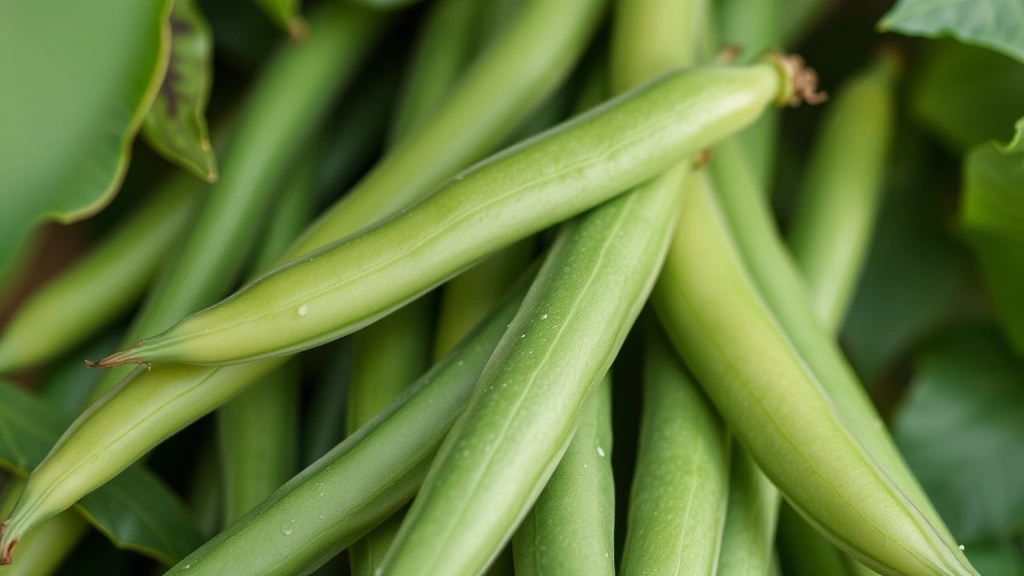
- Green beans: Packed with nutrients and fiber without the carb overload
- Sweet potato: If you want to give them a carb, this is the way to go—nutrient-dense and actually beneficial
- Watermelon: Hydrating and refreshing on hot days (seedless, obviously)
- Pumpkin: Great for digestion and surprisingly low in calories
Any of these options will make your dog just as happy without the nutritional downsides.
Recognizing When Your Dog Has Eaten Too Much Bread
If your dog managed to snag an entire hot dog bun (or worse, multiple buns) when you weren’t looking, watch for these signs:

- Vomiting or retching
- Diarrhea or constipation
- Excessive gas or bloating
- Lethargy or unusual behavior
- Loss of appetite for their regular food
Most dogs will be fine after eating a bun or two, but if your pup shows any concerning symptoms or has a sensitive stomach, contact your vet. This is especially important for dogs with diabetes or other metabolic conditions.
Dog-Friendly Barbecue Season Tips
Summer cookouts are peak hot dog season, and that means peak temptation for our furry friends. Dog-friendly Thanksgiving foods principles apply year-round: plan ahead with pet-safe options.
Bring a small container of dog treats to the barbecue, or prepare some plain grilled chicken specifically for your pup. This way, they get to participate in the festivities without you feeling guilty about sneaking them human food. Plus, your dog will be so busy enjoying their own special treats that they won’t even notice the buns.
The Bottom Line on Hot Dog Bun Carbs
So, how many carbs in a hot dog bun? About 21-28 grams of mostly refined carbohydrates that your dog doesn’t need and can’t really benefit from. While an occasional tiny piece won’t destroy your dog’s health, it’s not worth the empty calories, sodium, and potential digestive upset.
Your dog’s nutrition should come from high-quality commercial dog food or a balanced homemade diet—not from your dinner plate. If you want to share food with your furry friend, stick to the options that actually provide nutritional value. Your dog’s waistline (and your vet’s wallet) will thank you.
Frequently Asked Questions
Can dogs eat hot dog buns at all?
Technically yes, but they really shouldn’t. While plain hot dog buns aren’t toxic, they offer zero nutritional benefit and contain excessive carbs and sodium for a dog’s dietary needs. An occasional tiny piece won’t cause harm, but it’s not recommended as a treat.

Are whole wheat hot dog buns better for dogs?
Marginally, but not by much. Whole wheat buns have slightly more fiber (2-3 grams versus 1-2 grams) and a tiny bit less impact on blood sugar, but they still contain 20-24 grams of carbs and similar sodium levels. They’re still not an ideal dog food.
What should I do if my dog ate a whole hot dog bun?
Don’t panic. Most dogs will be fine after eating one bun. Monitor them for digestive upset like vomiting, diarrhea, or bloating. If they show concerning symptoms or have a sensitive stomach, contact your veterinarian. For dogs with diabetes or other conditions, definitely call your vet to be safe.
How much bread can a dog safely eat?
Plain bread should never exceed 10% of your dog’s daily caloric intake, and that’s being generous. For most dogs, this means a small piece occasionally at best. It’s better to avoid bread entirely and stick with nutritionally dense treats instead.

What are the best human foods to share with dogs?
Stick with plain cooked chicken, carrots, green beans, sweet potato, watermelon (seedless), pumpkin, and plain cooked eggs. What not to feed your dog is equally important to know—avoid anything with xylitol, chocolate, grapes, onions, or garlic.
Do dogs need carbohydrates in their diet?
No, dogs don’t actually require carbohydrates to survive. They’re omnivores and can digest carbs, but their bodies can function perfectly fine on a protein and fat-based diet. Any carbs should come from whole food sources like vegetables and whole grains, not refined bread products.
Will one hot dog bun make my dog gain weight?
One bun won’t cause immediate weight gain, but regular consumption of empty-calorie foods definitely contributes to obesity over time. Since a bun represents 15% of a medium dog’s daily caloric needs, frequent indulgences add up quickly, especially if your dog isn’t getting enough exercise.
Final Thoughts: Keep Those Buns Away from Bowser
Hot dog buns are a quintessential summer food, but they belong firmly in the human-only category. With 21-28 grams of carbs, excessive sodium, and zero nutritional value for dogs, they’re simply not worth sharing. Your dog doesn’t understand that they’re missing out—they just know they love you and want whatever you’re eating.
Do them (and yourself) a favor: bring dog-appropriate treats to your next barbecue, keep the hot dog buns for yourself, and watch your pup’s tail wag with joy over something actually good for them. Your veterinarian will appreciate your restraint, and your dog’s health will be better for it. Now go grill something delicious—for everyone at the table!





