
How Many Cups of Food Should I Feed My Dog? Expert Tips
One of the most common questions new dog owners ask is: “How many cups of food should I feed my dog?” It’s a question that deserves a thoughtful answer because proper nutrition is absolutely foundational to your pup’s health, energy levels, and overall quality of life. Getting the portion size right isn’t just about preventing obesity—it’s about ensuring your furry friend thrives at every life stage.
The truth is, there’s no one-size-fits-all answer. The amount of food your dog needs depends on a variety of factors including age, size, activity level, metabolism, and the specific caloric content of the food you’re feeding. But don’t worry—we’re here to break down all the science and practical guidance you need to nail your dog’s nutrition plan.
In this comprehensive guide, we’ll explore everything from reading dog food labels to understanding your individual dog’s unique nutritional needs. Whether you have a tiny Chihuahua or a massive Great Dane, you’ll find the information you need to keep your pup at a healthy weight and feeling their absolute best.
Understanding Your Dog’s Caloric Needs
Before we talk about cups, let’s talk about calories. Your dog’s body needs a specific amount of energy each day, measured in kilocalories (kcal). The number of calories your dog requires depends primarily on their body weight and metabolic rate, but it’s also influenced by factors like age, health status, and how active they are.
As a general baseline, most adult dogs require approximately 25-30 calories per pound of body weight per day. However, this can vary significantly. A senior dog with joint issues might need fewer calories, while an active young dog might require more. The best approach is to use this as a starting point and then adjust based on your dog’s individual response.
When you’re determining how much food should I feed my dog, you’ll want to work backward from the caloric content of your chosen food. Most commercial dog foods list their caloric content on the package, making this calculation much easier than it used to be.
Reading Dog Food Labels and Portion Guidelines
Here’s where many pet parents stumble: they don’t actually read the feeding guidelines on their dog food bags. These guidelines are invaluable, though they’re often printed in small text on the back of the package.
Most dog food manufacturers provide a feeding chart based on your dog’s current weight. For example, a typical chart might say that a 25-pound dog should receive 1.5 to 2 cups per day, while a 50-pound dog should get 2.5 to 3.5 cups. These recommendations are calculated based on the specific caloric content of that particular food formula.
The key thing to understand is that different foods have different caloric densities. A premium, grain-free formula might pack 400+ calories per cup, while a more economical option might contain only 350 calories per cup. This means you could actually need to feed fewer cups of the premium food to meet your dog’s caloric needs. Understanding how many cups in a pound of dog food can also help you calculate portion sizes across different brands.
Always start with the manufacturer’s recommended portion as a baseline. This is where the science of nutrition meets the real world of feeding your specific dog.
Feeding Guidelines by Life Stage
Your dog’s nutritional needs change dramatically throughout their life. A growing puppy has completely different requirements than an adult dog, and senior dogs often need adjustments too.
Puppies and Growing Dogs: Large and giant breed puppies have particularly specific needs. They grow rapidly and require more calories per pound of body weight than adult dogs—sometimes up to twice as much. However, they also need carefully balanced calcium and phosphorus to support proper bone development. Feeding a large breed puppy regular adult dog food can actually lead to developmental orthopedic disease.
Most quality puppy formulas recommend feeding puppies three to four times daily until about six months of age, then transitioning to twice daily feeding. The total amount will be significantly more than what an adult dog of that same weight would eat.
Adult Dogs: Once your dog reaches their full adult size (typically 12-18 months depending on breed), they transition to adult maintenance feeding. This is when the standard portion guidelines become most relevant. Most adult dogs thrive on twice-daily feeding, which helps with digestion and prevents bloating.
Senior Dogs: As dogs age, their metabolism typically slows. Senior dogs (generally 7+ years old) often need 20-30% fewer calories than younger adults. However, they may need higher quality protein to maintain muscle mass. Some senior dogs benefit from more frequent, smaller meals to aid digestion.

Adjusting Portions Based on Activity Level
A couch potato Basset Hound has very different caloric needs than a Border Collie competing in agility trials. Activity level is one of the most important factors in determining how much should I feed my dog.
Sedentary Dogs: Dogs with low activity levels might need 20-30% fewer calories than the standard recommendation. These might be older dogs, indoor-only small breeds, or dogs with health conditions limiting their movement. If your dog spends most of the day napping, you’ll want to reduce portions accordingly.
Moderately Active Dogs: Most family pets fall into this category. They get regular walks, playtime in the yard, and daily interaction. The standard feeding guidelines usually work well for these dogs.
Highly Active Dogs: Working dogs, competition dogs, and those who run or hike regularly might need 25-50% more calories than standard recommendations. An active dog’s metabolism demands fuel. If you have a dog that gets significant exercise, watch their body condition and be prepared to increase portions.
During particularly active periods—like summer when your dog spends more time outside or during training seasons—you may need to temporarily increase portions. Conversely, during less active seasons or if your dog has an injury requiring restricted activity, you’ll want to reduce portions to prevent unhealthy weight gain.
Measuring Accurately: More Than Just Eyeballing
You’d be surprised how many people estimate their dog’s portion by pouring food into the bowl “until it looks about right.” This casual approach is one of the biggest contributors to canine obesity.
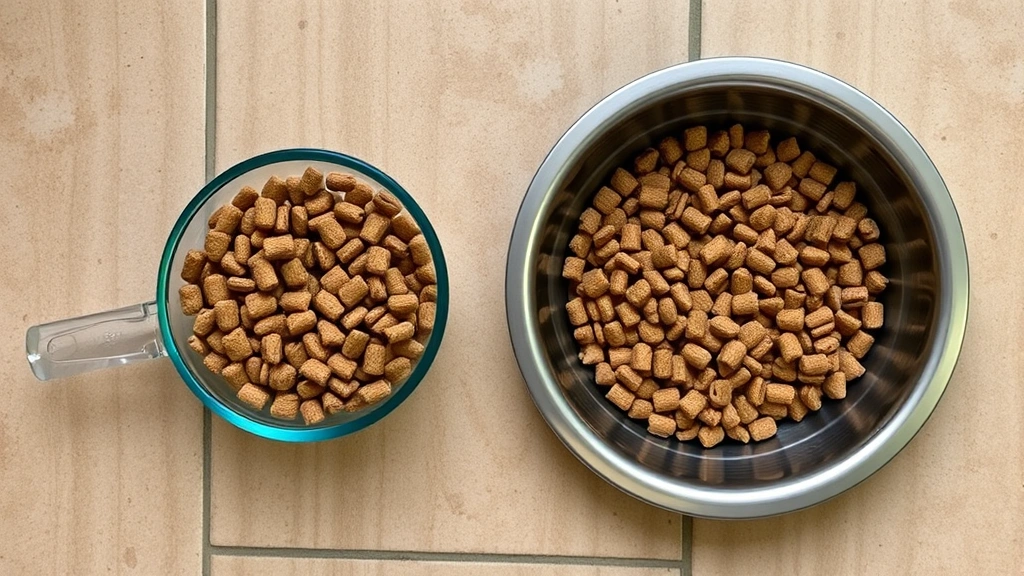
Invest in a simple measuring cup—preferably one designed for dry food with clear markings. Measuring cups specifically made for pet food often have a leveling bar that ensures you’re getting consistent portions. Scoop the food, level it off, and pour it into your dog’s bowl. This takes maybe 30 seconds but makes an enormous difference in portion consistency.
Some people prefer using a kitchen scale to measure portions by weight rather than volume. This is actually more accurate, since the density of kibble can vary based on how tightly it’s packed. If your dog food bag lists weight recommendations (like “2 ounces per 25 pounds of body weight”), a scale might be your best option.
When you’re determining how much dog food should I feed my dog, consistency in measurement is absolutely critical. Even small variations day-to-day can add up to significant caloric differences over time.
Signs Your Dog Needs Portion Adjustments
The real test of whether you’re feeding the right amount isn’t just what the bag says—it’s how your individual dog responds. Every dog is unique, and some have faster or slower metabolisms than others.
Signs Your Dog Might Need More Food: If your dog seems constantly hungry, begs persistently at mealtimes, or is losing weight despite eating the recommended amount, they might need more food. Some dogs are simply more active than average or have naturally faster metabolisms. Increased activity levels, stress, or environmental changes can also increase caloric needs.
Signs Your Dog Might Need Less Food: Weight gain is the most obvious sign. If your dog is becoming chubby, it’s time to reduce portions. You should be able to feel your dog’s ribs with gentle pressure—not see them prominently, but feel them without excessive fat padding. Other signs include lethargy, reduced mobility, or difficulty with stairs or jumping.
Body Condition Scoring: Veterinarians use a standardized body condition scoring system (usually 1-9, with 5 being ideal) to assess whether a dog is at a healthy weight. At an ideal weight, your dog should have a visible waist when viewed from above, and you should be able to feel their ribs easily. Work with your vet to determine your dog’s ideal body condition score and adjust portions to reach that goal.
Remember that changes to portions should be gradual. If you need to increase or decrease feeding amounts, do so over 7-10 days to avoid digestive upset. And if your dog has existing health conditions—especially kidney disease, diabetes, or digestive issues—consult your veterinarian before making significant dietary changes.
It’s also worth noting that if your dog is experiencing digestive issues, you might need to adjust not just portion size but also food type. If your pup is struggling with digestion, you can explore what to feed dog with diarrhea for guidance on gentle, digestible options.
For more comprehensive information on overall feeding strategies, check out our detailed guide on how much food should I feed my dog, which covers additional scenarios and considerations.
Some foods that seem innocent can also affect your dog’s digestive health. If you’re introducing new foods or treating ingredients, it’s worth understanding what’s safe. For instance, many people wonder about can dogs eat rice—it’s actually a great addition to many dogs’ diets when prepared properly, and some vets recommend it for digestive issues.
Frequently Asked Questions
What if my dog food doesn’t have feeding guidelines on the bag?
This is increasingly rare with quality brands, but if your food lacks guidelines, you can contact the manufacturer directly—they’re required to have this information available. Alternatively, you can estimate based on the caloric content listed on the label. Divide your dog’s daily caloric needs by the calories per cup of food to get your portion size.
Should I feed my dog once or twice a day?
Most adult dogs thrive on twice-daily feeding. Splitting the daily portion into two meals helps with digestion, prevents bloating, and provides more consistent energy throughout the day. Puppies typically need three to four meals daily until about six months old. Senior dogs also often benefit from splitting their daily portion into smaller, more frequent meals.
Can I free-feed my dog?
Free-feeding (leaving food out all day) works for some dogs but not others. Dogs prone to obesity or those with a tendency to overeat typically do better with scheduled, measured meals. Free-feeding also makes it harder to monitor your dog’s food intake and can complicate housetraining. If you do free-feed, be very careful about portion size and monitor your dog’s weight closely.
How do I know if my dog is overweight?
Use the body condition scoring system mentioned above. You should be able to feel your dog’s ribs with gentle pressure, see a waist from above, and notice an abdominal tuck from the side. If you can’t feel the ribs easily or your dog has lost their waist definition, they’re likely overweight. Your vet can provide a formal assessment and weight loss plan if needed.
Does my dog need treats included in their daily calorie count?
Absolutely! This is a major oversight many pet parents make. Treats should comprise no more than 10% of your dog’s daily caloric intake. If your dog gets 1,500 calories daily, treats should account for no more than 150 calories. This means a 100-calorie treat is significant and should be factored into the day’s meal portions.
What should I do if I’m switching dog foods?
Transition gradually over 7-10 days, mixing increasing amounts of the new food with decreasing amounts of the old food. This prevents digestive upset. Also note that different foods have different caloric densities, so you might need to adjust portion sizes when switching brands. Always follow the new food’s feeding guidelines as a starting point.
Are there special considerations for breed-specific feeding?
Large and giant breeds have specific nutritional needs, particularly as puppies. Small breeds sometimes have faster metabolisms and might need more calories per pound than larger dogs. Additionally, some breeds are prone to specific health conditions that might affect their nutritional needs. Discuss breed-specific considerations with your vet.
How often should I reassess my dog’s portions?
At minimum, reassess every 6-12 months as your dog ages. More frequent checks are warranted if you notice changes in weight, activity level, or health status. Seasonal changes in activity might also warrant temporary adjustments. Your annual vet visit is a perfect opportunity to discuss whether your dog’s portions are still appropriate.





