

Have you ever wondered about the fascinating details of your dog’s anatomy? While most pet owners are familiar with their furry friend’s external features like ears, tail, and paws, there are many intriguing anatomical aspects that often go unnoticed. One question that frequently puzzles dog owners is about their pet’s nipple count and mammary system.
Understanding your dog’s anatomy is not just about satisfying curiosity – it’s an essential part of responsible pet ownership. Knowledge about normal anatomical features helps you identify potential health issues early and ensures you can provide the best care for your canine companion. Today, we’ll explore the fascinating world of canine mammary anatomy and answer the burning question: how many nipples do dogs actually have?
Basic Canine Mammary Anatomy
Dogs, like all mammals, possess mammary glands that serve the primary function of milk production for nursing offspring. The mammary system in dogs consists of multiple pairs of nipples arranged symmetrically along the ventral (belly) side of the torso, extending from the chest area down to the inguinal region near the hind legs.
The mammary chain in dogs typically begins just below the chest and continues in two parallel rows down the abdomen. Each nipple is associated with mammary tissue that can develop and produce milk when hormonal conditions are appropriate. This anatomical arrangement is designed to accommodate multiple puppies during nursing, allowing efficient feeding of entire litters.
Unlike humans, who typically have just one pair of mammary glands, dogs have evolved to have multiple pairs to support their ability to bear and nurse larger litters. The mammary glands remain relatively undeveloped in non-pregnant females and males, becoming more prominent during pregnancy and lactation cycles.
How Many Nipples Do Dogs Have?
The standard number of nipples for most dogs is eight to ten, arranged in two symmetrical rows of four to five nipples each. However, this number can vary, and it’s not uncommon for dogs to have anywhere from six to twelve nipples. The variation in nipple count is completely normal and doesn’t indicate any health problems or developmental issues.
Most commonly, dogs have ten nipples arranged as five pairs, but eight nipples (four pairs) is also very typical. The nipples are usually evenly spaced along the mammary chain, though slight asymmetry between the left and right sides is normal. Some dogs may have an odd number of nipples due to developmental variations, which is also perfectly healthy.
Interestingly, the number of nipples a dog has is determined during embryonic development and remains constant throughout their lifetime. This number is established before birth and is not influenced by factors like breeding, pregnancy, or hormonal changes later in life. Just as humans are born with a set number of fingers and toes, dogs are born with their predetermined number of nipples.
Factors Affecting Nipple Development
The development of nipples in dogs occurs during the very early stages of embryonic development, long before sexual differentiation takes place. This explains why both male and female dogs have nipples, similar to how male humans also possess nipples despite not having functional mammary glands.
Genetic factors play the primary role in determining nipple count and arrangement. Different dog breeds may show slight tendencies toward certain nipple counts, but individual variation within breeds is common. Environmental factors during pregnancy do not typically affect nipple development, as this occurs so early in embryonic development.
The positioning and size of nipples can vary among individual dogs. Some may have nipples that are more prominent or easier to locate, while others may have smaller, less noticeable nipples. The mammary tissue surrounding each nipple also varies in development, with some dogs showing more pronounced mammary chains even when not pregnant or lactating.
Male vs Female Dogs: Understanding the Differences
Both male and female dogs possess the same number of nipples, as this anatomical feature develops before sexual differentiation occurs in the embryo. However, there are important differences in how the mammary system functions and appears between the sexes.
In female dogs, the mammary glands undergo significant changes during reproductive cycles. During heat cycles, do female dogs have periods is a common question, and understanding their reproductive anatomy helps explain these changes. The mammary tissue may swell slightly during estrus due to hormonal fluctuations, and the nipples may become more prominent.
During pregnancy, female dogs experience dramatic mammary development. The glands enlarge significantly, and the nipples become more prominent and darker in color. This preparation for lactation typically begins several weeks into pregnancy and continues until whelping. Understanding how long are dogs in heat can help owners recognize these normal anatomical changes.
Male dogs retain their nipples throughout life, but the mammary tissue remains undeveloped under normal circumstances. The nipples in males are typically smaller and less noticeable than in females. However, hormonal imbalances or certain medical conditions can occasionally cause mammary development in male dogs, though this is relatively rare.
Breed Variations and Size Considerations
While the basic nipple count remains relatively consistent across dog breeds, there can be some variations in appearance, size, and prominence. Larger breeds tend to have more space between nipples along the mammary chain, while smaller breeds have nipples positioned closer together.
Some breeds may show tendencies toward having slightly more or fewer nipples on average, but this variation is not breed-specific enough to be considered a breed characteristic. For example, breeds known for large litters might not necessarily have more nipples than breeds that typically have smaller litters.
The visibility and prominence of nipples can vary significantly between breeds. Dogs with longer, thicker coats may have nipples that are less visible, while short-haired breeds typically have more easily identifiable mammary chains. Additionally, the pigmentation of nipples can vary, with some being pink, brown, or black, often corresponding to the dog’s overall skin pigmentation.
Body conformation also plays a role in nipple appearance. Deep-chested breeds may have nipples that appear more spread out, while dogs with broader, more barrel-shaped chests might have nipples positioned differently along the mammary chain.
Health Implications and What to Watch For
Understanding normal mammary anatomy is crucial for identifying potential health issues. Regular examination of your dog’s mammary chain should be part of routine health monitoring, especially for female dogs who are at higher risk for mammary-related health problems.
Mammary tumors are among the most common types of tumors in unspayed female dogs. Early detection through regular palpation of the mammary chain can significantly improve treatment outcomes. Look for any lumps, bumps, swelling, discharge from nipples, or changes in nipple color or texture.
Male dogs can also develop mammary tumors, though this is much less common. Any unusual swelling or changes in the mammary area of male dogs should be evaluated by a veterinarian promptly, as mammary tumors in males tend to be more aggressive.
Other conditions that can affect the mammary system include mastitis (inflammation of mammary glands), particularly in nursing mothers, and pseudopregnancy, where non-pregnant females show signs of pregnancy including mammary development. Spaying female dogs before their first heat cycle dramatically reduces the risk of mammary cancer later in life.
Veterinary Care and Regular Checkups
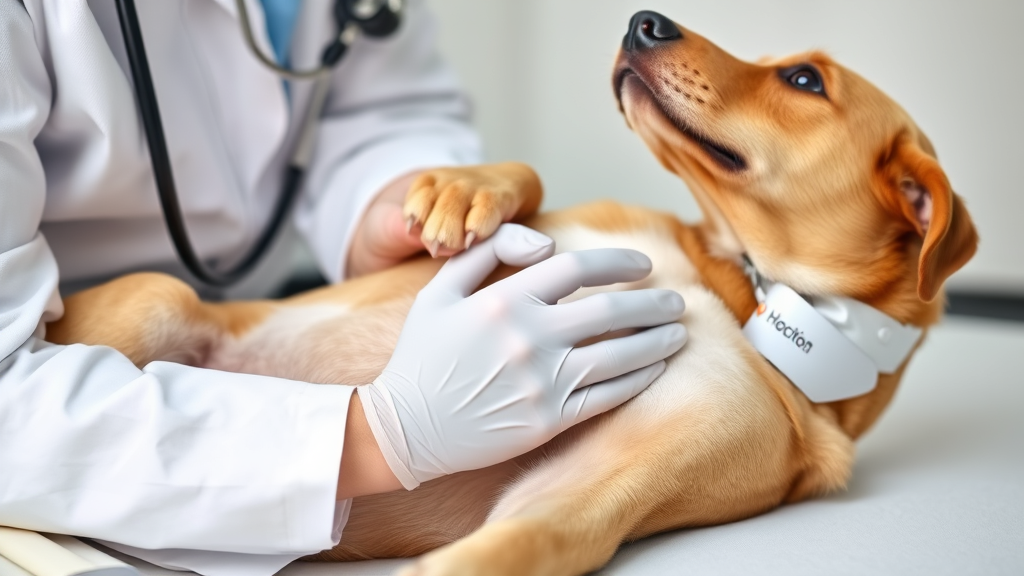
Regular veterinary examinations should include palpation of the mammary chain as part of a complete physical examination. Your veterinarian can teach you how to properly examine your dog’s mammary glands at home and what to look for during these examinations.
For breeding females, mammary health becomes even more critical. Understanding the normal changes that occur during pregnancy and lactation helps distinguish between normal physiological changes and potential problems. Veterinarians can provide guidance on monitoring mammary health throughout the reproductive cycle.
Just as understanding how many teeth do dogs have helps with dental care, knowing normal mammary anatomy aids in health monitoring. Regular check-ups should include discussion of any changes you’ve noticed in your dog’s mammary area.
Spaying and neutering decisions should be made in consultation with your veterinarian, considering the long-term health implications for mammary health. The timing of spaying, in particular, can significantly impact mammary cancer risk later in life.
Frequently Asked Questions
Do all dogs have the same number of nipples?
No, while most dogs have 8-10 nipples, the exact number can vary between individual dogs. Some may have as few as 6 or as many as 12 nipples. This variation is completely normal and doesn’t indicate any health problems. The number is determined during embryonic development and remains constant throughout the dog’s life.
Can you determine a dog’s gender by counting nipples?
No, you cannot determine a dog’s gender by counting nipples. Both male and female dogs have the same number of nipples because nipple development occurs before sexual differentiation in the embryo. Male dogs retain their nipples throughout life, just like male humans do, though the mammary tissue remains undeveloped under normal circumstances.
Do nipple numbers affect a female dog’s ability to nurse puppies?
The number of nipples doesn’t necessarily correlate with nursing ability or litter size. A dog with fewer nipples can still successfully nurse a large litter, as puppies will share nipples and rotate feeding positions. Similarly, having more nipples doesn’t guarantee better nursing ability. The quality and quantity of milk production are more important factors than nipple count.
Should I be concerned if my dog has an odd number of nipples?
Having an odd number of nipples is completely normal and not a cause for concern. Some dogs naturally develop with asymmetrical nipple counts, such as having 5 nipples on one side and 4 on the other. This developmental variation doesn’t affect health or function and is simply a normal anatomical variation, similar to do dogs have tonsils being another anatomical curiosity.
When do puppies develop their nipples?
Puppies develop their nipples very early in embryonic development, typically within the first few weeks after conception. By the time puppies are born, their nipples are fully formed and visible. The number and position of nipples are already established at birth and will not change as the puppy grows into adulthood.
Can male dogs develop mammary problems?
Yes, although rare, male dogs can develop mammary problems including tumors, inflammation, or hormonal-related mammary development. Any swelling, lumps, or changes in a male dog’s mammary area should be evaluated by a veterinarian, as mammary tumors in males tend to be more aggressive than in females. Regular examination of the mammary chain is important for dogs of both sexes.
How can I examine my dog’s mammary chain at home?
To examine your dog’s mammary chain, gently feel along both sides of the belly from chest to groin area with your fingertips. Look for any lumps, swelling, discharge from nipples, or changes in color or texture. Perform this examination monthly, and contact your veterinarian if you notice any abnormalities. Your vet can demonstrate proper examination technique during regular check-ups.





