

Have you ever wondered exactly how many teeth your dog has? While it might seem like a trivial question, understanding your dog’s dental anatomy is crucial for maintaining their overall health and well-being. Just like humans, dogs have a complete set of teeth designed for specific functions, and knowing what’s normal can help you identify potential problems early.
Dogs actually have quite a different dental structure compared to humans, with varying numbers of teeth depending on their age and development stage. From the needle-sharp puppy teeth that seem to find everything to chew on, to the powerful adult teeth designed for tearing and grinding food, your dog’s mouth is a sophisticated tool that requires proper care and attention.
Puppy Teeth Development and Timeline
Puppies are born without teeth, but they don’t stay toothless for long. The first set of teeth, called deciduous or milk teeth, begin to emerge when puppies are around 3-4 weeks old. These baby teeth are incredibly sharp and serve an important purpose in the weaning process and early development.
Puppies have 28 deciduous teeth in total, which is significantly fewer than adult dogs. This first set includes 12 incisors, 4 canines, and 12 premolars. Notably, puppies don’t have molars in their first set of teeth. The complete set of puppy teeth usually emerges by the time the puppy is 6-8 weeks old.
The teething process can be challenging for both puppies and their owners. During this time, puppies experience discomfort and have an intense need to chew, which is why proper chew toys and training are essential. According to the American Veterinary Medical Association, providing appropriate outlets for chewing behavior is crucial during this developmental stage.
The transition from puppy teeth to adult teeth begins around 4-6 months of age and continues until the puppy is approximately 6-7 months old. During this period, the roots of the baby teeth dissolve, and the teeth fall out to make room for the permanent adult teeth. Most puppy teeth are swallowed harmlessly, though you might occasionally find one around the house.
How Many Teeth Do Adult Dogs Have
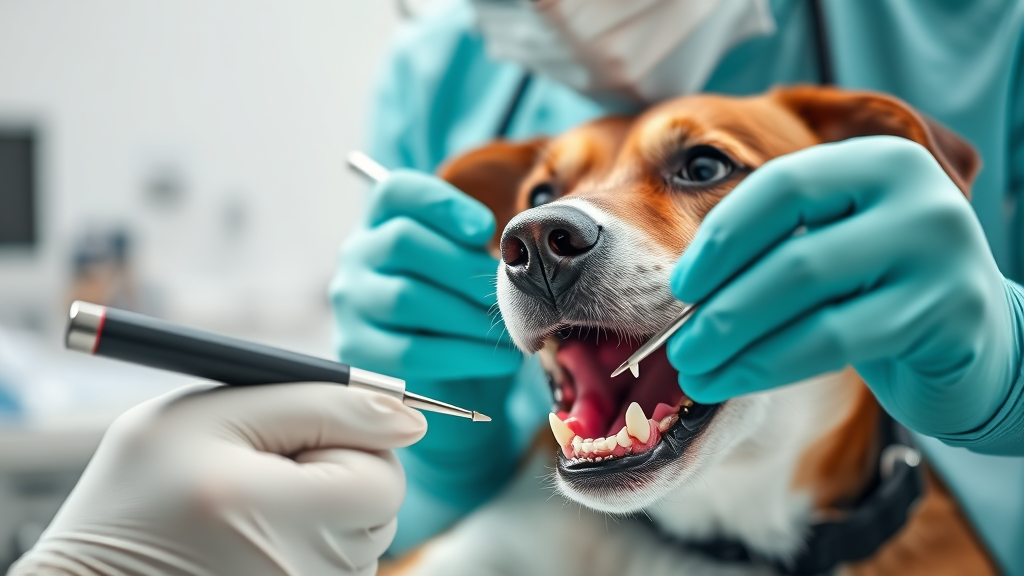
Adult dogs have 42 permanent teeth, which is significantly more than their puppy teeth count. This complete set of adult teeth includes 12 incisors, 4 canines, 16 premolars, and 10 molars. The additional teeth in adulthood, particularly the molars, are essential for properly grinding and processing food.
The distribution of these 42 teeth is specific: the upper jaw (maxilla) contains 20 teeth, while the lower jaw (mandible) contains 22 teeth. This asymmetrical distribution is perfectly normal and designed for optimal function. The American Kennel Club emphasizes that this full complement of teeth is essential for proper nutrition and overall health.
It’s worth noting that some dogs may have fewer teeth due to genetic factors, injury, or extraction due to dental disease. Small breed dogs are particularly prone to having missing teeth or overcrowding issues. However, the standard expectation is 42 teeth for a healthy adult dog.
The timing of adult tooth eruption follows a specific pattern. Incisors typically emerge first around 3-4 months, followed by canines at 4-5 months, premolars at 4-6 months, and finally molars at 5-7 months. Understanding this timeline can help you monitor your dog’s dental development and identify any potential issues early.
Understanding Different Types of Dog Teeth
Each type of tooth in your dog’s mouth serves a specific purpose, much like a specialized tool in a toolkit. The incisors, located at the front of the mouth, are small and sharp, perfect for nibbling and grooming. Dogs use these teeth for precise tasks like removing debris from their coat or carefully picking up small objects.
The canines, also known as fangs, are the long, pointed teeth located at the corners of the mouth. These are the most prominent teeth and serve multiple functions, including holding and tearing food, as well as serving as weapons for protection. Canine teeth have the longest roots of all dog teeth, making them incredibly strong and durable.
Premolars are located behind the canines and are designed for cutting and shearing food. These teeth work like scissors, with the upper and lower premolars sliding past each other to slice through tough materials. The fourth premolar in the upper jaw and the first molar in the lower jaw are called carnassial teeth and are particularly important for processing meat.
Molars, found at the back of the mouth, are broad and flat with multiple cusps designed for grinding and crushing food. These teeth are essential for breaking down kibble and other hard foods into digestible pieces. The grinding action of molars is crucial for proper digestion, as it increases the surface area of food for better nutrient absorption.
Why Your Dog’s Teeth Count Matters
Understanding how many teeth dogs have is more than just trivia—it’s fundamental to maintaining your pet’s health. A complete set of healthy teeth is essential for proper nutrition, as each tooth type plays a specific role in food processing. When teeth are missing or damaged, dogs may struggle to eat certain foods, leading to nutritional deficiencies.
Dental health directly impacts overall health in ways that might surprise you. Poor dental hygiene can lead to bacterial infections that spread beyond the mouth, potentially affecting the heart, liver, and kidneys. The Centers for Disease Control and Prevention notes that maintaining good oral hygiene in pets is crucial for preventing systemic health issues.
Regular monitoring of your dog’s teeth count and condition can help detect problems early. Missing teeth might indicate trauma, disease, or genetic issues that require veterinary attention. Similarly, extra teeth (supernumerary teeth) can cause overcrowding and alignment problems that may need correction.
The economic impact of dental problems shouldn’t be overlooked either. Preventive dental care is significantly less expensive than treating advanced dental disease. Regular cleanings and at-home care can prevent the need for expensive extractions, root canals, or treatment of secondary health issues caused by poor dental health.

Common Dental Problems in Dogs
Periodontal disease is by far the most common dental problem in dogs, affecting over 80% of dogs by age three according to veterinary studies. This condition begins with plaque buildup along the gum line, which hardens into tartar if not removed. As the condition progresses, it can lead to tooth loss, pain, and systemic health problems.
Tooth fractures are another significant concern, particularly for dogs who chew on hard objects like bones, antlers, or ice cubes. The fourth premolar (carnassial tooth) is especially prone to fracture due to its size and the forces exerted on it during chewing. If you’re wondering about safe chewing options, learn more about can dogs eat chicken bones and other dietary considerations.
Retained puppy teeth can cause serious problems if not addressed promptly. When baby teeth don’t fall out naturally, they can cause overcrowding, trapping food and bacteria between teeth. This condition is more common in small breed dogs and typically requires veterinary extraction of the retained teeth.
Malocclusion, or improper bite alignment, can affect a dog’s ability to eat and can cause excessive wear on certain teeth. This condition can be genetic or result from trauma or retained puppy teeth. Severe cases may require orthodontic intervention or extraction of problematic teeth.
Oral tumors, while less common, can affect dogs of any age but are more frequently seen in older dogs. Regular oral examinations can help detect these growths early when treatment is most effective. The National Center for Biotechnology Information provides extensive research on canine oral health conditions.
Maintaining Your Dog’s Dental Health
Establishing a regular dental care routine is essential for maintaining your dog’s oral health throughout their life. Daily tooth brushing is the gold standard for preventing dental disease, though it requires patience and gradual introduction to be successful. Start by letting your dog get used to having their mouth handled, then gradually introduce a dog-specific toothbrush and toothpaste.
Never use human toothpaste on dogs, as it contains ingredients like xylitol that can be toxic to pets. Instead, choose toothpaste specifically formulated for dogs, which comes in flavors they’ll find appealing. The brushing technique should focus on the outer surfaces of the teeth where plaque typically accumulates most.
Professional dental cleanings performed by a veterinarian are crucial for maintaining optimal oral health. These procedures, performed under general anesthesia, allow for thorough cleaning above and below the gum line, as well as detailed examination and treatment of any problems discovered. The American Veterinary Dental College recommends annual dental cleanings for most dogs, though some may require more frequent care.
Diet plays a significant role in dental health. Feeding appropriate portions, as discussed in our guide on how much food should I feed my dog, helps prevent obesity-related dental issues. Dry kibble can help remove some plaque through mechanical action, while dental chews and toys designed for oral health can supplement regular brushing.
Water additives and dental treats can provide additional support for oral hygiene, though they shouldn’t replace brushing and professional cleanings. Look for products that carry the Veterinary Oral Health Council seal of approval, which indicates they’ve been tested for safety and efficacy.
Signs Your Dog May Have Dental Issues
Recognizing the early signs of dental problems can help prevent more serious complications and ensure your dog receives timely treatment. Bad breath is often the first sign owners notice, though many people mistakenly believe it’s normal for dogs to have smelly breath. While dogs’ breath won’t smell minty fresh, persistently foul odor often indicates bacterial overgrowth or infection.
Changes in eating habits can signal dental pain or discomfort. Dogs with dental issues may eat more slowly, drop food while eating, chew on only one side of their mouth, or show reluctance to eat hard foods. Some dogs may also show interest in food but then walk away without eating, indicating pain when attempting to chew.
Visible signs include yellow or brown tartar buildup on the teeth, red or swollen gums, and loose or missing teeth. You might also notice your dog pawing at their face or mouth, excessive drooling, or bleeding from the mouth. These symptoms warrant immediate veterinary attention.
Behavioral changes can also indicate dental discomfort. Dogs with oral pain may become less active, show reluctance to play with chew toys, or exhibit general irritability. Some dogs may also develop head shyness, becoming resistant to having their head or face touched. Just as you would monitor for other health issues like learning how to tell if a dog has a fever, watching for dental symptoms is crucial for early intervention.
It’s important to note that dental problems can sometimes manifest as other health issues. For instance, dental pain might cause stress that weakens the immune system, potentially leading to respiratory issues. If you notice your dog experiencing symptoms like persistent coughing, you might want to explore why is my dog coughing while also considering dental health as a contributing factor.
Regular home examinations can help you monitor your dog’s dental health between veterinary visits. Gently lift your dog’s lips to examine the teeth and gums, looking for any changes in color, swelling, or visible damage. This practice also helps your dog become more comfortable with oral handling, making professional dental care easier.
Just as you maintain other aspects of your dog’s health, such as learning how to clean dogs ears, incorporating dental health monitoring into your regular care routine ensures comprehensive health management for your pet.
Frequently Asked Questions
How many teeth do puppies have compared to adult dogs?
Puppies have 28 deciduous (baby) teeth, while adult dogs have 42 permanent teeth. Puppy teeth include 12 incisors, 4 canines, and 12 premolars, but no molars. The additional 14 teeth in adults include 4 more premolars and 10 molars that develop as the dog matures.
At what age do dogs get their full set of adult teeth?
Dogs typically have their complete set of 42 adult teeth by 6-7 months of age. The process begins around 4 months when puppy teeth start falling out, and continues until all permanent teeth have erupted. The timeline can vary slightly between individual dogs and breeds.
Is it normal for my dog to be missing some teeth?
While adult dogs should ideally have 42 teeth, missing teeth can occur due to genetics, injury, or dental disease. Small breed dogs are more prone to missing teeth due to their smaller jaw size. If you notice missing teeth, consult your veterinarian to determine if treatment is needed and to rule out underlying health issues.
How often should I brush my dog’s teeth?
Daily tooth brushing is ideal for maintaining optimal dental health in dogs. If daily brushing isn’t possible, aim for at least 3-4 times per week. Regular brushing helps prevent plaque buildup and reduces the risk of periodontal disease. Always use dog-specific toothpaste, as human toothpaste can be toxic to pets.
When should my dog have their first professional dental cleaning?
Most dogs should have their first professional dental cleaning between 1-3 years of age, depending on their breed size and individual dental health. Small breeds often need earlier intervention due to faster plaque accumulation, while larger breeds may not need their first cleaning until they’re older. Your veterinarian can recommend the best timing based on your dog’s specific needs.
Can dental problems affect my dog’s overall health?
Yes, dental problems can significantly impact your dog’s overall health. Bacteria from dental disease can enter the bloodstream and affect organs including the heart, liver, and kidneys. Poor dental health can also cause chronic pain, leading to decreased appetite, behavioral changes, and reduced quality of life.
What are the signs that my dog might have dental pain?
Signs of dental pain include bad breath, difficulty eating, dropping food, excessive drooling, pawing at the face, reluctance to chew toys, and behavioral changes like increased irritability or decreased activity. Some dogs may also show visible signs like swollen gums, loose teeth, or discolored teeth. If you notice any of these symptoms, consult your veterinarian promptly.





