
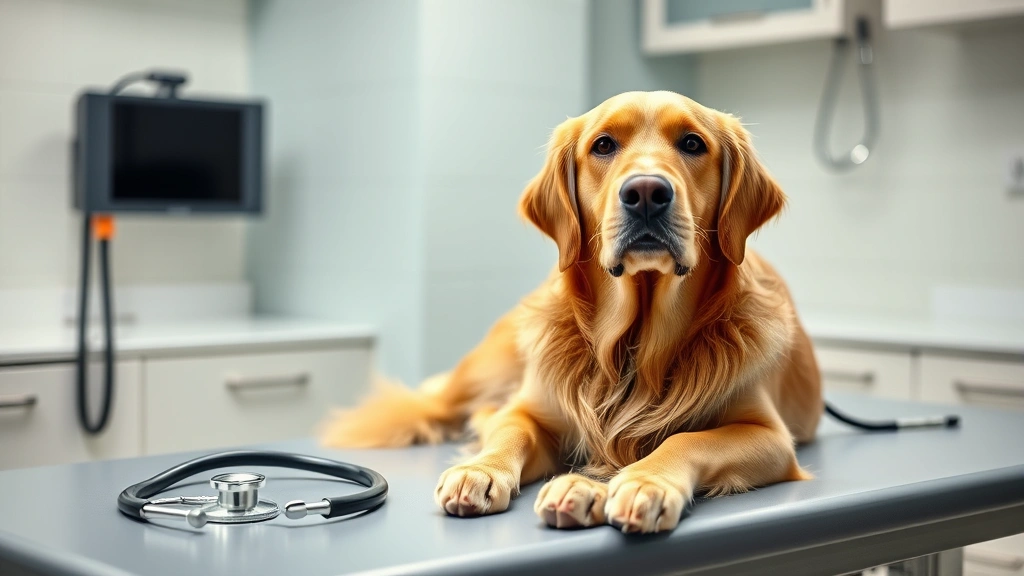
How Much Are Rabies Shots for Dogs? Pricing Guide
If you’re a dog parent, you’ve probably wondered about the cost of keeping your furry friend protected from rabies. It’s one of those essential expenses that can feel a bit mysterious when you’re sitting in the vet’s office. The truth is, rabies vaccination prices vary quite a bit depending on where you live, your vet’s experience level, and whether you’re dealing with a puppy or an adult dog. But don’t worry—we’re breaking down all the numbers so you can budget wisely for your pup’s health.
Rabies isn’t just another vaccine on the checklist; it’s a serious matter. This virus is almost always fatal once symptoms appear, and it can affect both dogs and humans. That’s why most states legally require dogs to be vaccinated against rabies. Understanding the costs involved helps you make informed decisions about your dog’s preventative care without any financial surprises.
In this comprehensive guide, we’ll walk you through everything you need to know about rabies shot pricing, what factors influence the cost, and how to make the most of your veterinary budget. Let’s dig in!
Average Cost of Rabies Shots for Dogs
So, let’s get straight to the question on your mind: how much is a rabies shot for a dog? On average, you can expect to pay anywhere from $15 to $50 for a single rabies vaccination. However, this is just the vaccine itself. When you factor in the veterinary exam, administration fee, and any paperwork, the total bill often ranges from $30 to $100 per visit.
In urban areas and major metropolitan regions, prices tend to skew higher. A rabies shot at a fancy veterinary clinic in New York City or Los Angeles might cost closer to $75 to $100. Meanwhile, rural areas and small towns often have more competitive pricing, sometimes as low as $20 to $40 for the complete service. The variation really depends on your local market and the specific veterinary practice you choose.
It’s also worth noting that how often do dogs require rabies shots plays a role in your long-term expenses. Most adult dogs need a rabies booster every one to three years, depending on the vaccine type and local regulations. Puppies typically need their initial series, which we’ll discuss in more detail later.
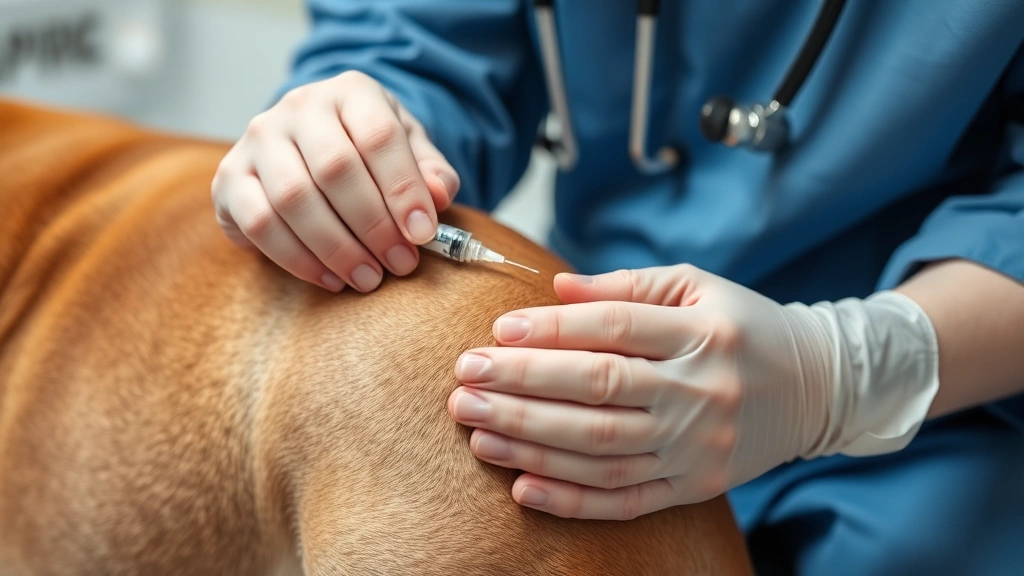
Factors That Affect Rabies Vaccination Pricing
Not all rabies shots are created equal, and neither are their prices. Several factors influence what you’ll pay at checkout:
- Geographic Location: Your zip code matters more than you’d think. Veterinary services in coastal cities and affluent suburbs are typically more expensive than in rural communities.
- Type of Veterinary Clinic: Emergency animal hospitals charge significantly more than standard clinics. Specialty veterinary practices also tend to have higher fees than general practitioners.
- Vaccine Type: There are different rabies vaccines available, and some cost more than others. Your vet might recommend a specific type based on your dog’s health status and lifestyle.
- Dog’s Age and Health: Puppies might need additional visits and exams. Senior dogs or those with health conditions might require more thorough evaluations before vaccination.
- Additional Services: If your vet performs a full physical exam, microchipping, or issues official vaccination certificates, these services add to the total cost.
- Clinic Overhead: Upscale facilities with fancy waiting rooms and additional amenities typically charge more than no-frills clinics.
Understanding what shots do dogs need helps you see where rabies fits into the broader vaccination picture. It’s often bundled with other vaccines, which can affect your overall spending.
Initial Vaccination vs. Booster Shots
Here’s something many new dog owners don’t realize: the first rabies vaccination isn’t necessarily the most expensive part of the process. The real cost picture involves understanding the difference between initial shots and boosters.
Puppy Initial Series: If you have a young pup, they’ll typically need their first rabies shot between 8 to 16 weeks of age. Some puppies receive it as early as 6 weeks, though this varies by veterinarian and local regulations. The initial vaccination costs roughly the same as a booster—around $30 to $100—but you might be paying for multiple visits if other vaccines are being administered simultaneously.
Many vets recommend spacing out vaccines, which means additional office visits and thus additional exam fees. You could end up spending $50 to $150 just for the initial rabies vaccination series when you factor in multiple appointments.
Booster Shots: After the initial vaccination, your adult dog will need periodic boosters. This is where how often do dogs require rabies shots becomes financially relevant. If your vet administers a 3-year rabies vaccine, you’re looking at vaccination every three years. A 1-year vaccine requires annual appointments. Over a dog’s lifetime, this can add up significantly.
The booster shot itself is typically cheaper than the initial series because it’s just a single injection, though you’ll still pay the exam and administration fees. Budget approximately $30 to $80 per booster appointment, depending on your location and clinic.
Where to Get Your Dog Vaccinated
Your choice of where to vaccinate your dog directly impacts your wallet. Let’s explore your options:
Full-Service Veterinary Clinics: Traditional vet offices offer comprehensive care, including thorough physical exams before vaccination. This is the most common choice and typically costs $40 to $100 for a rabies shot. You get professional guidance and complete medical records.
Low-Cost Clinics: Many communities have low-cost vaccination clinics, often run by animal shelters, nonprofits, or local health departments. These clinics can offer rabies shots for as little as $15 to $30. They’re perfect if you’re on a tight budget, though you might have less personalized attention.
Mobile Veterinary Services: Some vets travel to neighborhoods offering vaccination clinics. These often fall in the mid-range price-wise, around $30 to $60, and offer convenience without the overhead of a brick-and-mortar clinic.
Emergency Animal Hospitals: If you need a rabies shot outside regular business hours, emergency clinics will charge a premium—often $75 to $150 or more. Reserve these for actual emergencies, not routine vaccinations.
Pet Store Vaccination Clinics: Large pet store chains sometimes offer vaccination services at competitive prices. While convenient, these clinics vary in quality and veterinarian experience. Expect to pay $25 to $50.
When considering how much are dog vaccines in general, remember that bundling services often saves money. Many clinics offer package deals that include rabies vaccination along with other shots.
Ways to Save on Rabies Vaccination Costs
Everyone loves a good deal, and veterinary care is no exception. Here are practical strategies to reduce your rabies vaccination expenses:
Visit Low-Cost Clinics: As mentioned, nonprofit and community clinics offer significant savings. Check with your local animal shelter, humane society, or county health department for vaccination clinics in your area.
Ask About Wellness Plans: Many veterinary clinics offer annual wellness packages that bundle preventative care. These plans often include vaccinations at a discounted rate. If your vet offers this, the savings can be substantial over time.
Schedule During Off-Peak Times: Some clinics offer discounted rates for appointments during slow business hours. It doesn’t hurt to ask if there are any specials available.
Combine Appointments: Instead of separate visits for different vaccines, ask your vet if you can do everything in one appointment. This reduces the number of exam fees you’ll pay.
Look for Vaccination Drives: Community organizations and local governments often sponsor vaccination drives with reduced-cost or free services. Follow your city’s social media or community bulletin for announcements.
Compare Clinic Prices: Call around before committing. A few phone calls might reveal significant price differences between clinics in your area. Don’t be shy about asking for pricing upfront.
Consider 3-Year Vaccines: While they might cost slightly more upfront than 1-year vaccines, 3-year rabies vaccines save money long-term since you’re vaccinating less frequently.
Understanding can older dogs get parvo and other age-related vaccination concerns can help you plan comprehensive preventative care more efficiently.
Is Rabies Vaccination Worth the Cost?
You might be wondering if you really need to spend this money on rabies vaccination. The short answer? Absolutely, yes. Here’s why:
Legal Requirements: In most states and municipalities, rabies vaccination is legally mandated for dogs. Not vaccinating can result in fines ranging from $50 to $500, and in some cases, even criminal charges. That’s way more expensive than a vaccination.
Public Health: Rabies is a zoonotic disease, meaning it can spread from animals to humans. By vaccinating your dog, you’re protecting your family, neighbors, and your community. The CDC emphasizes rabies prevention as critical for public safety.
Your Dog’s Safety: If your unvaccinated dog is bitten by a wild animal or encounters an infected pet, the consequences are dire. Post-exposure treatment for humans is expensive and uncomfortable. For dogs, it’s often too late. Vaccination is your dog’s best defense.
Peace of Mind: Knowing your dog is protected against a fatal disease is priceless. You can let your pup enjoy outdoor adventures without the constant worry about rabies exposure.
Long-Term Cost Savings: The cost of rabies vaccination is minuscule compared to emergency veterinary care if your dog is exposed to rabies. Post-exposure prophylaxis and treatment can cost thousands of dollars.
According to the American Veterinary Medical Association, regular vaccination is the most effective way to prevent rabies in dogs. It’s simply not worth skipping.
Frequently Asked Questions
Can I get a rabies shot for my dog without a vet visit?
No, you cannot purchase rabies vaccines without a veterinary prescription. Rabies vaccines are controlled substances, and administration must be documented by a licensed veterinarian. This ensures proper vaccination records and legal compliance. However, you can reduce costs by visiting low-cost clinics rather than traditional practices.
What if I can’t afford my dog’s rabies shot?
Don’t let cost prevent your dog from getting vaccinated. Look for low-cost clinic options, vaccination drives, and nonprofit organizations that offer reduced-cost services. Many animal shelters and humane societies provide affordable vaccines. You can also ask your regular vet about payment plans or discounts.
Is there a difference between 1-year and 3-year rabies vaccines?
Both are equally effective at preventing rabies. The difference is simply how long immunity lasts. The 3-year vaccine is often slightly more expensive upfront but saves money over time since you vaccinate less frequently. Discuss with your vet which option makes sense for your dog.
Do senior dogs need rabies boosters?
Yes, senior dogs still need rabies boosters on schedule, even if they’re older. Age doesn’t exempt dogs from rabies vaccination requirements. However, your vet might recommend additional health screening for older dogs before vaccination.
Can I give my dog a rabies shot at home?
No, rabies vaccination must be administered by a licensed veterinarian. It’s not just a legal requirement; it ensures the vaccine is properly stored, administered correctly, and documented officially. Attempting to vaccinate at home is dangerous and illegal.
What happens if my dog’s rabies vaccination record is lost?
Contact your veterinarian immediately. They should have records on file. If those are unavailable, your dog may need to be revaccinated. Some areas allow you to request a new certificate based on vaccination history. This is another reason to keep copies of vaccination records yourself.
Are there any side effects I should know about?
Most dogs tolerate rabies vaccines well. Common mild side effects include slight lethargy or soreness at the injection site. Serious reactions are rare but can occur. The ASPCA provides information on vaccine safety. Contact your vet if you notice anything concerning after vaccination.
How long does rabies immunity last?
That depends on the vaccine type. Some vaccines provide 1-year immunity, while others provide 3-year immunity. Your vet will recommend the appropriate schedule based on local regulations and your dog’s individual needs.
What if my dog was bitten by a wild animal?
Contact your vet immediately. If your dog is vaccinated, they’ll likely need a booster shot right away. If unvaccinated, the situation is much more serious and may require quarantine or other interventions. This is exactly why preventative vaccination is so important.
Can I get a rabies vaccine exemption for my dog?
Most states do not allow rabies vaccination exemptions for dogs. Some areas might allow medical exemptions if a veterinarian determines vaccination poses a health risk, but these are rare and require documentation. Check your local regulations, but assume your dog needs to be vaccinated.





