

How Much Claritin Can I Give My Dog? Vet Advice
If your furry friend has been scratching more than usual, sneezing constantly, or dealing with itchy, watery eyes, you might be wondering if over-the-counter allergy medications like Claritin could help. As a pet parent, it’s natural to want quick relief for your dog’s discomfort, but before you reach for that bottle in your medicine cabinet, there’s important information you need to know about dosing, safety, and whether Claritin is even the right choice for your pup.
Allergies in dogs are surprisingly common, affecting millions of pets worldwide. Whether your dog is experiencing seasonal allergies, environmental sensitivities, or year-round itching, finding the right treatment is crucial for their comfort and quality of life. While Claritin (loratadine) is a human antihistamine available without a prescription, giving it to your dog requires careful consideration and veterinary guidance.
In this comprehensive guide, we’ll explore everything you need to know about Claritin for dogs, including proper dosing, potential side effects, and when you should consider alternative treatments. Let’s dive into what veterinarians recommend for managing your dog’s allergy symptoms safely and effectively.
What Is Claritin and How Does It Work?
Claritin, the brand name for loratadine, is a second-generation antihistamine commonly used to treat allergies in humans. It works by blocking histamine receptors in the body, which are responsible for triggering allergic reactions like itching, sneezing, and inflammation. When your dog’s immune system encounters an allergen—whether it’s pollen, dust mites, pet dander, or certain foods—it releases histamine, causing those bothersome symptoms.
The key advantage of Claritin over first-generation antihistamines is that it’s less likely to cause drowsiness because it doesn’t cross the blood-brain barrier as easily. This makes it an appealing option for keeping your dog alert and active while managing their allergy symptoms. However, just because it’s available over-the-counter for humans doesn’t mean it’s automatically safe or appropriate for your canine companion without professional guidance.
Veterinarians sometimes recommend Claritin for dogs dealing with mild to moderate allergies, particularly when other treatments haven’t been effective or tolerated well. It’s often considered when exploring what you can give your dog for allergies, though it’s important to understand that every dog’s situation is unique and requires individual assessment.
Claritin Dosage for Dogs: The Correct Amount
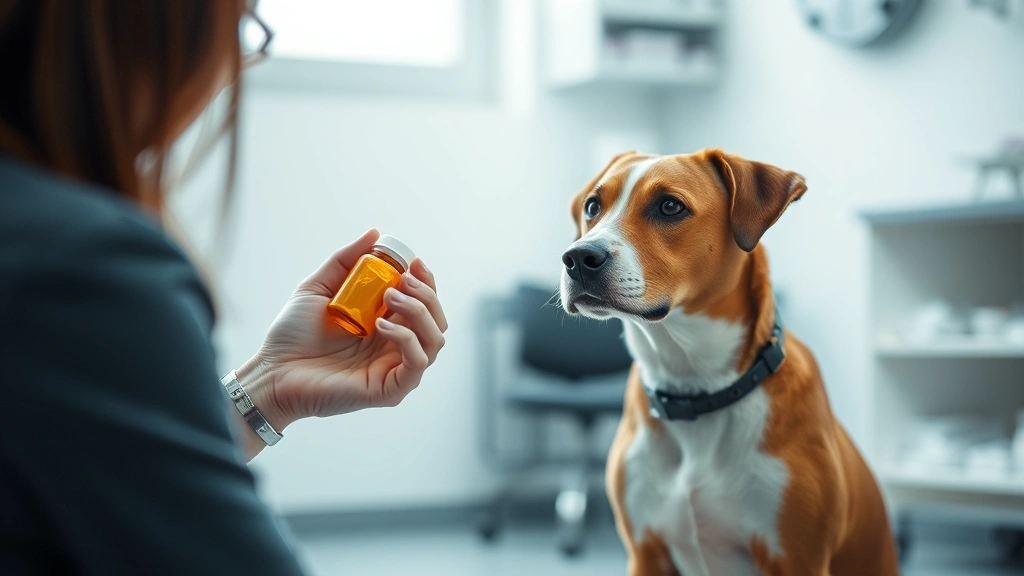
The standard Claritin dosage for dogs is typically 0.1 mg per pound of body weight, given once or twice daily. However, this is a general guideline, and your veterinarian may recommend adjustments based on your dog’s specific condition, age, weight, and overall health status.
Here’s a quick reference guide for common dog weights:
- Small dogs (10-25 lbs): 1-2.5 mg once or twice daily
- Medium dogs (26-50 lbs): 2.5-5 mg once or twice daily
- Large dogs (51-100 lbs): 5-10 mg once or twice daily
- Extra-large dogs (100+ lbs): 10 mg or more once or twice daily
Most commonly available Claritin tablets contain 10 mg of loratadine, which works well for medium to large dogs. For smaller dogs, you might need to split tablets or look for alternative formulations. It’s crucial to use the plain loratadine formulation—never give your dog Claritin-D, which contains pseudoephedrine, a decongestant that can be dangerous for pets.
The medication is typically given with food to minimize stomach upset, though it can be taken with or without meals. Most dogs show improvement within 24-48 hours of starting treatment, though some may take up to a week to experience full benefits. Before starting any medication, always consult with your veterinarian to determine the appropriate dose for your individual dog.
If you’re considering other antihistamine options, you might want to compare Claritin with similar medications. Some pet owners explore alternatives like how much Benadryl can I give my dog or how much Zyrtec can I give my dog, as different antihistamines work better for different dogs.

Safety Considerations and Precautions
While Claritin is generally considered safe for dogs when used appropriately, there are several important safety considerations you should be aware of before giving it to your pet.
Medical Conditions and Drug Interactions: Dogs with certain health conditions should not take Claritin or should only take it under close veterinary supervision. These include dogs with liver disease, kidney problems, heart conditions, or those taking other medications. Claritin can interact with certain drugs, including some antibiotics and other antihistamines, so always inform your veterinarian about any other medications your dog is currently taking.
Age and Pregnancy: While Claritin is generally safe for adult dogs, there’s limited safety data for puppies or pregnant/nursing dogs. Your veterinarian may recommend waiting until your dog is older or considering alternative treatments during pregnancy and lactation.
Formulation Matters: As mentioned earlier, only use plain loratadine. Never give your dog:
- Claritin-D (contains pseudoephedrine)
- Extended-release formulations
- Flavored or sweetened versions with xylitol
- Combination products with other active ingredients
Overdose Risk: While Claritin has a good safety profile with a wide margin between therapeutic and toxic doses, overdosing is still a concern. If you accidentally give your dog too much Claritin, contact your veterinarian or poison control immediately. Symptoms of overdose may include extreme drowsiness, rapid heart rate, or behavioral changes.
Potential Side Effects in Dogs
Most dogs tolerate Claritin well when given at appropriate doses, but like all medications, it can cause side effects in some animals. Being aware of these potential reactions helps you monitor your dog closely during treatment.
Common Side Effects:
- Drowsiness or lethargy
- Dry mouth
- Urinary retention
- Mild gastrointestinal upset
- Headache (though difficult to assess in dogs)
Less Common but Serious Side Effects:
- Allergic reactions (facial swelling, difficulty breathing, hives)
- Severe gastrointestinal distress
- Tremors or seizures (rare)
- Behavioral changes or aggression
- Rapid or irregular heartbeat
If you notice any of these side effects, especially the serious ones, stop giving Claritin immediately and contact your veterinarian. Some dogs may simply not tolerate antihistamines well, and your vet may need to recommend alternative allergy management strategies.
It’s also worth noting that if your dog is experiencing why your dog is sneezing so much, the underlying cause might require a different type of treatment altogether, so professional evaluation is essential.
Alternative Allergy Treatments for Dogs
While Claritin can be effective for some dogs, it’s not always the best first-line treatment or the most effective option for every pet. Understanding the full range of allergy management strategies can help you work with your veterinarian to find the best solution for your dog.
Other Antihistamines: Beyond Claritin, veterinarians commonly prescribe or recommend other antihistamines like Apoquel (oclacitinib), which is specifically designed for dogs and often more effective for itching. Cerenia and other prescription antihistamines may also be considered depending on your dog’s specific symptoms.
Topical Treatments: Medicated shampoos, sprays, and creams can provide localized relief for itchy skin and may reduce the need for systemic medications. Oatmeal-based or hypoallergenic formulations are particularly soothing for inflamed skin.
Omega-3 Supplements: Fish oil and other omega-3 fatty acids have natural anti-inflammatory properties and can help reduce allergy symptoms over time. Many veterinarians recommend these as part of a comprehensive allergy management plan.
Immunotherapy: For dogs with severe or chronic allergies, allergy testing followed by allergen-specific immunotherapy (allergy shots) can provide long-term relief by gradually desensitizing the immune system to specific allergens.
Environmental Management: Sometimes the best treatment is prevention. Reducing exposure to known allergens through regular cleaning, air filtration, and dietary adjustments can significantly minimize symptoms. You might also consider what smells dogs hate to avoid using scented products that might trigger allergic reactions.
Prescription Medications: For moderate to severe allergies, your veterinarian might recommend prescription options like steroids (short-term use), cyclosporine, or newer biologics that target specific immune pathways.
When to Contact Your Veterinarian
Knowing when to seek professional help is crucial for your dog’s health and safety. While Claritin can be helpful for some allergy cases, certain situations absolutely require veterinary attention.
Contact Your Vet If:
- Your dog’s symptoms don’t improve after 5-7 days of Claritin treatment
- Symptoms worsen despite treatment
- Your dog develops new or unusual symptoms
- You notice signs of an allergic reaction to the medication itself
- Your dog has pre-existing health conditions
- Your dog is taking other medications
- You’re unsure about the correct dosage for your dog’s weight
- Your dog is a puppy, senior, pregnant, or nursing
- The itching is severe or affecting your dog’s quality of life
Seek Emergency Care If:
- Your dog has difficulty breathing
- Your dog’s face or throat is swelling
- Your dog is experiencing seizures
- Your dog ingested a large overdose of Claritin
- Your dog shows signs of severe allergic reaction
Your veterinarian can perform allergy testing, rule out other conditions causing similar symptoms, and recommend the most effective treatment plan for your specific dog. They can also provide guidance on whether Claritin is appropriate or if other treatments would be more beneficial. Remember, what works for one dog might not work for another, so professional guidance is invaluable.
If you’re exploring allergy management options, you might also want to discuss whether your dog might have other skin issues. For instance, some pet parents wonder can dogs get skin tags, which could be confused with other skin conditions. Your vet can help distinguish between various skin problems and allergies.
Frequently Asked Questions
Is Claritin safe for dogs?
Claritin (loratadine) is generally considered safe for dogs when used at appropriate doses under veterinary guidance. However, it’s not suitable for all dogs, particularly those with certain health conditions or taking other medications. Always consult your veterinarian before starting any new medication for your dog.
How long does it take for Claritin to work in dogs?
Most dogs begin showing improvement within 24-48 hours of starting Claritin, though some may take up to a week to experience full benefits. If your dog doesn’t show improvement after a week, contact your veterinarian to discuss alternative treatments.
Can I give my dog Claritin-D?
No, you should never give your dog Claritin-D. This formulation contains pseudoephedrine, a decongestant that can be toxic to dogs and cause serious health complications including rapid heart rate, tremors, and seizures. Only use plain loratadine formulations.
What’s the difference between Claritin and other dog allergy medications?
Claritin is a second-generation antihistamine that’s available over-the-counter and typically costs less than prescription alternatives. However, prescription medications like Apoquel are specifically formulated for dogs and are often more effective for canine allergies. Your veterinarian can help determine which is best for your dog.
Can I give my dog Claritin if they’re on other medications?
Claritin can interact with certain medications, so it’s essential to inform your veterinarian about all medications and supplements your dog is currently taking. Your vet will determine whether it’s safe to use Claritin alongside other treatments.
How much Claritin should I give my dog?
The standard dose is 0.1 mg per pound of body weight, given once or twice daily. However, always consult with your veterinarian for the specific dosage appropriate for your individual dog, as factors like age, weight, and health status may affect the recommended dose.
What should I do if my dog overdoses on Claritin?
If you suspect your dog has overdosed on Claritin, contact your veterinarian or animal poison control immediately. Provide information about the amount ingested and when it occurred. While Claritin has a wide safety margin, overdoses can still cause serious symptoms.
Are there natural alternatives to Claritin for dog allergies?
Yes, several natural options can help manage dog allergies, including omega-3 supplements, oatmeal-based topical treatments, and environmental allergen reduction. However, these may be less effective than medication for moderate to severe allergies. Discuss natural options with your veterinarian to create a comprehensive allergy management plan.
Can puppies take Claritin?
There’s limited safety data for Claritin use in puppies. Most veterinarians recommend waiting until puppies are fully mature before using antihistamines, though some may recommend it in specific cases. Always consult your vet before giving Claritin to a puppy.
Why isn’t my dog’s itching improving with Claritin?
If Claritin isn’t helping your dog’s itching after a week of treatment, several factors could be responsible: the dosage may need adjustment, your dog may not respond well to this particular antihistamine, the underlying cause might not be allergies, or a different medication might be more effective. Contact your veterinarian to explore other options and ensure there’s no underlying condition requiring different treatment.





