
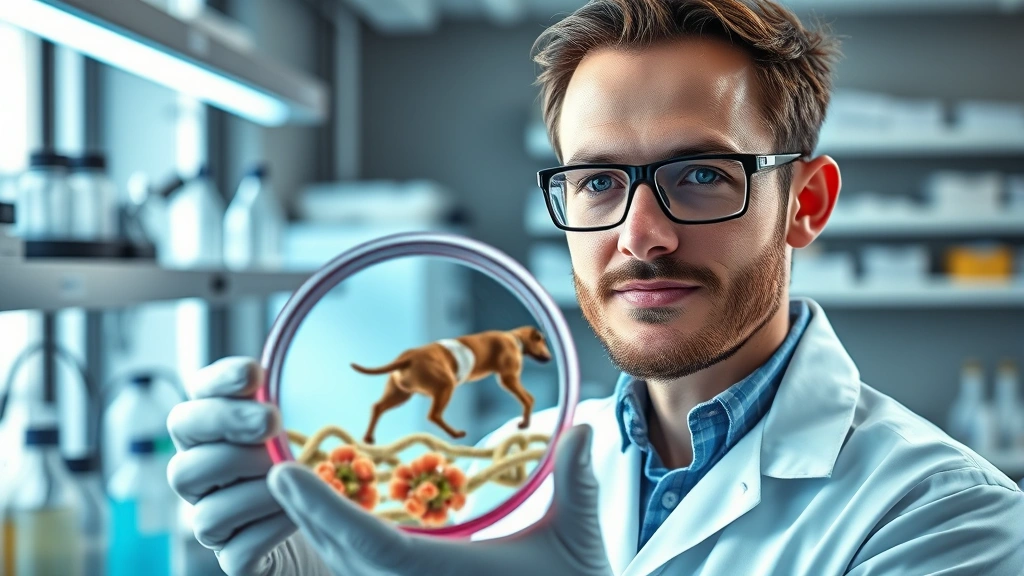
So you want to know how much does it cost to clone a dog? Buckle up, because we’re about to dive into one of the most mind-bending, wallet-draining decisions a dog lover can make. Dog cloning isn’t some sci-fi fantasy anymore—it’s real, it’s happening, and yes, it’s expensive. Like, really expensive.
Table of Contents
- The Real Price Tag: Dog Cloning Costs in 2025
- Understanding Dog Cloning Technology
- Breaking Down the Cloning Process Costs
- Which Facilities Offer Dog Cloning Services?
- Is Your Dog a Good Candidate for Cloning?
- The Personality Paradox: Will Your Clone Be the Same Dog?
- Health Considerations for Cloned Dogs
- Comparing Cloning to Other Options
- The Emotional Investment Factor
- Looking Ahead: Will Cloning Costs Decrease?
- Frequently Asked Questions
- Summary: Is Dog Cloning Right for You?
The Real Price Tag: Dog Cloning Costs in 2025
Let’s cut to the chase. Dog cloning typically costs between $50,000 to $110,000, depending on which facility you choose and what services they offer. That’s right—we’re talking luxury car money for a genetic copy of your furry best friend. Some premium facilities have even charged upwards of $150,000 for the complete package. Before you start scrolling through your bank account, remember that this isn’t like adopting a rescue or buying from a breeder. This is cutting-edge biotechnology, and you’re paying for scientists in lab coats to work their genetic magic.
Understanding Dog Cloning Technology
Dog cloning uses a process called somatic cell nuclear transfer (SCNT). Basically, scientists take a cell from your dog’s body, extract its DNA, and insert it into an egg cell from a donor dog that’s had its own DNA removed. Then they zap it with electricity to make it divide like a normal embryo. This embryo gets implanted into a surrogate mother dog who carries it to term. It’s not quite Jurassic Park, but it’s definitely in that ballpark of complexity.
The technology has come a long way since Dolly the sheep in 1996. The first dog clone, Snuppy, was created in 2005 by South Korean scientists. Now, a handful of facilities worldwide have perfected the process enough to offer it commercially. The most famous is ViaGen Pets, based in Texas, which has cloned hundreds of dogs for wealthy owners who couldn’t bear to say goodbye.
Breaking Down the Cloning Process Costs
That hefty price tag doesn’t just appear out of nowhere. Here’s where your money actually goes:
Genetic Material Collection: First, you need to provide a tissue sample from your dog. This usually costs a few hundred dollars and involves a simple biopsy. Some facilities will work with samples you’ve already had taken.
Laboratory Work: The actual cloning procedure—creating the embryo, testing it, and preparing it for implantation—is the bulk of the expense. We’re talking specialized equipment, highly trained scientists, and quality control measures that would make a pharmaceutical company jealous.
Surrogate Mother Care: A healthy female dog needs to carry the cloned embryo to term. Finding, vetting, and caring for a surrogate is expensive. These dogs receive premium nutrition, veterinary care, and monitoring throughout pregnancy.
Post-Birth Care: Once your cloned puppy is born, it needs intensive veterinary attention for the first few weeks of life. Cloned dogs sometimes have health complications, and the facility needs to ensure your new pup is healthy before going home.
Which Facilities Offer Dog Cloning Services?
Your options are limited, which partly explains the high cost. ViaGen Pets remains the most accessible option for Americans, with a track record of successful dog clones. They’ve cloned over 400 dogs and counting. Other international facilities exist in South Korea and China, but navigating international logistics, language barriers, and regulatory issues adds complexity.
These aren’t fly-by-night operations either. Reputable cloning facilities have veterinary teams, embryologists, and genetic specialists on staff. They maintain detailed records and offer some level of health guarantee for your cloned dog.
Is Your Dog a Good Candidate for Cloning?
Not every dog can be cloned. Your pup needs to be in decent health, and ideally, you’ll want to collect genetic material while they’re still alive. Some facilities will work with preserved tissue samples from recently deceased dogs, but fresh samples are more reliable. Older dogs or those with serious health conditions may not be suitable candidates.
It’s also worth noting that cloning works best with purebred dogs. Mixed breeds can be cloned, but predicting the exact appearance and temperament becomes trickier since you’re dealing with multiple genetic backgrounds. If you’re hoping for a carbon copy of your beloved costliest breed of dog, a purebred is your best bet.
The Personality Paradox: Will Your Clone Be the Same Dog?
Here’s where things get philosophical and a little heartbreaking. Your cloned dog will have identical DNA, but it won’t be the same dog. Personality, behavior, and temperament are shaped by environment, experience, and a whole lot of luck. Your clone will look like your original dog—sometimes eerily so—but they’ll be their own individual with their own quirks and preferences.
Some owners report that their cloned dogs have surprising behavioral similarities to the original, while others say they’re completely different personalities. It’s like having a genetic twin raised in a different era with different experiences. Expect a dog that looks familiar but acts like a whole new friend.
Health Considerations for Cloned Dogs
Cloned dogs can live long, healthy lives, but they’re not immune to health issues. Early clones sometimes suffered from premature aging and immune problems, but modern cloning techniques have improved dramatically. Still, cloned dogs should receive the same preventative care as any other dog—regular vet visits, appropriate nutrition, and exercise.
Some facilities offer remote pet health monitoring services to track your cloned dog’s health metrics over time. This extra layer of care can provide peace of mind, though it comes with additional costs. Your cloned dog might benefit from genetic testing to understand any predispositions to breed-specific health issues.
Comparing Cloning to Other Options
Before you drop six figures on cloning, consider alternatives. Adopting a dog of the same breed from a rescue is obviously cheaper and gives a home to a dog in need. Buying from a reputable breeder costs a fraction of cloning—even for rare or expensive breeds like those Chinese dog breeds that command premium prices. If you’re drawn to a specific breed’s characteristics, a Cavachon dog or similar designer breed might give you the temperament you’re seeking at a much lower cost.
The real question isn’t whether you can afford cloning—it’s whether it’s the right choice for your situation. Cloning is best suited for people who have a specific, irreplaceable dog they want to preserve genetically, and who have the financial means without hardship.
The Emotional Investment Factor
Beyond the dollars and cents, cloning requires serious emotional preparation. You’re not getting your dog back; you’re getting a genetic copy. Some owners find this incredibly fulfilling—they get to watch a familiar genetic blueprint develop into its own unique personality. Others find it emotionally complicated, grieving the original while bonding with the clone.
Grief counselors and veterinary behaviorists actually recommend thinking carefully about whether cloning is a healthy way to process the loss of a beloved pet. Sometimes, the healthiest path forward is honoring your dog’s memory and eventually opening your heart to a new dog—whether that’s a clone, a rescue, or a puppy from a breeder.
Looking Ahead: Will Cloning Costs Decrease?
As with most technology, costs tend to decrease over time as techniques improve and demand increases. We might see dog cloning prices drop to $30,000-$50,000 in the next decade. However, it’ll likely always remain an expensive procedure because it requires such specialized expertise and resources. Unlike smartphones, you can’t really mass-produce dog clones efficiently—each one is a custom project.
The ethics of dog cloning continue to be debated. Some argue it’s a wonderful way to preserve genetics; others worry about the welfare of surrogate mothers and the environmental impact. These conversations will likely influence regulations and accessibility going forward, potentially affecting both costs and availability.

Frequently Asked Questions
Can you clone a dog that’s already dead?
Yes, but it’s more complicated. Cloning requires viable genetic material. If you have tissue samples preserved shortly after death, or if you had samples collected before your dog passed, cloning is possible. However, the success rate drops significantly with older or degraded samples. Fresh samples from living dogs yield the best results.
How long does the dog cloning process take?
From start to finish, expect 6-8 months. This includes initial consultations, genetic material collection, the cloning procedure itself, surrogate pregnancy (about 65 days), birth, and initial health checks. Some facilities can work faster, but rushing the process increases failure rates.
Is dog cloning legal everywhere?
Dog cloning is legal in the United States and most countries, though regulations vary. Some countries have restrictions on animal cloning research. Always check local laws before pursuing cloning, and ensure you’re working with a reputable, licensed facility.
What’s the success rate for dog cloning?
Modern facilities report success rates around 20-30% per attempt. This means you might need multiple tries, which increases overall costs. Reputable facilities will discuss success rates and what happens if the first attempt doesn’t work. Some offer package deals that include multiple attempts.
Will my cloned dog have the same health problems as the original?
Not necessarily. While your clone will have the same genetic predispositions, environmental factors play a huge role in health outcomes. A cloned dog might avoid certain health issues if raised differently, or might develop different problems based on diet, exercise, and living conditions. Genetic testing can reveal predispositions, but it doesn’t guarantee outcomes.
Can you clone a dog with behavioral issues?
Technically yes, but behaviorists often advise against it. Since behavior is heavily influenced by environment and experience, your clone won’t automatically inherit your original dog’s behavioral problems. However, if you’re hoping to avoid repeating those issues, you’d need to provide a very different environment and training approach. Consider whether you’re actually solving the problem or just hoping for a genetic shortcut.
What happens if the cloning fails?
Reputable facilities have policies for failed attempts. Some offer partial refunds or the opportunity to try again at reduced cost. Always get these details in writing before committing. Failed cloning attempts are emotionally and financially taxing, so understanding the facility’s approach to failure is crucial.
Summary: Is Dog Cloning Right for You?
So, how much does it cost to clone a dog? We’re looking at $50,000 to $110,000 (or more) for a procedure that takes 6-8 months and delivers a genetically identical but behaviorally unique dog. It’s expensive, emotionally complex, and not suitable for everyone.
Dog cloning makes sense if you have a specific, irreplaceable dog whose genetics you want to preserve, the financial means to afford it without hardship, and realistic expectations about what cloning can and can’t deliver. It doesn’t make sense as a shortcut to grief, as a way to avoid behavioral training, or as a cheaper alternative to buying from a breeder (spoiler: it’s way more expensive).
If you’re seriously considering cloning, contact reputable facilities like ViaGen Pets, ask detailed questions about their process and success rates, and give yourself time to think through the emotional implications. Your dog deserves a decision made with both your head and your heart, not just your wallet. Whether you clone or not, the bond you shared with your dog is irreplaceable—and that’s the real priceless thing.





