
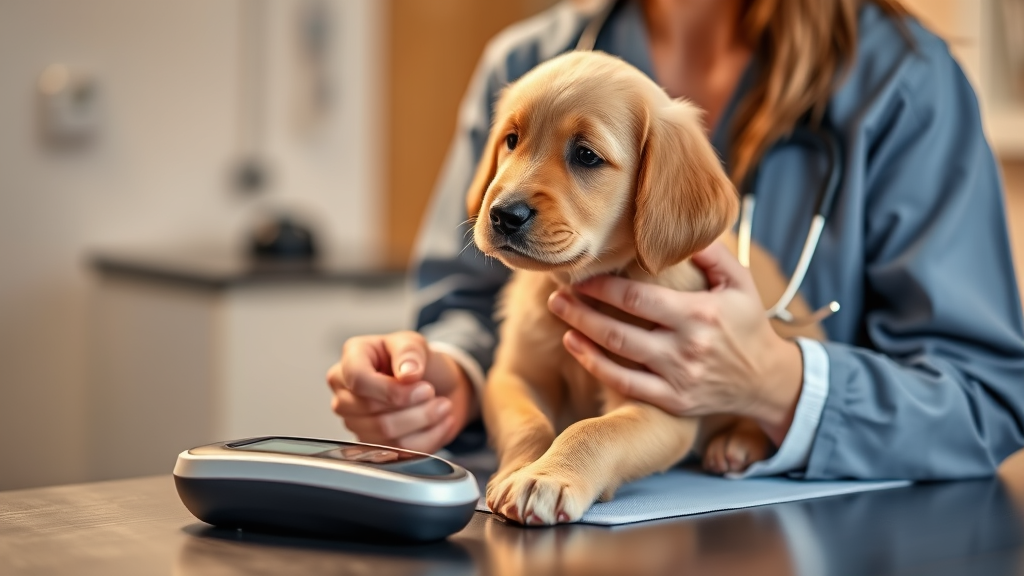
Every pet owner’s worst nightmare is losing their beloved furry companion. Whether it’s a curious pup who slips through an open gate, a startled dog who bolts during a thunderstorm, or an adventurous canine who decides to explore beyond familiar territory, the statistics are sobering: millions of pets go missing each year. While collars and tags are helpful, they can fall off or become damaged, leaving your dog without proper identification when they need it most.
Microchipping offers a permanent, reliable solution that provides peace of mind for pet parents everywhere. This simple, one-time procedure creates a permanent link between you and your dog that can’t be lost, stolen, or damaged. Understanding how much it costs to microchip a dog is an important first step in making this potentially life-saving decision for your four-legged family member.
What is Dog Microchipping?
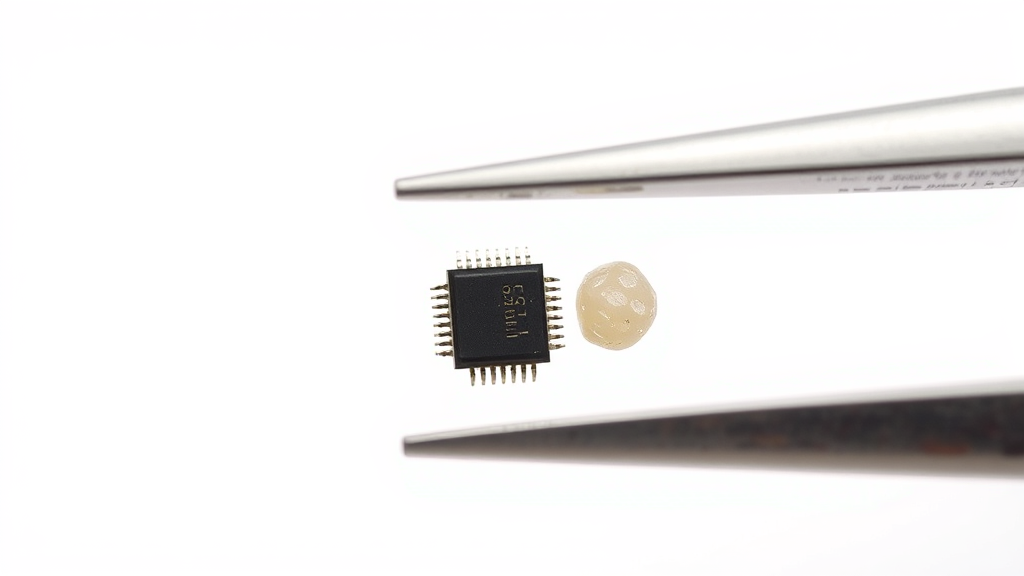
A microchip is a tiny electronic device, about the size of a grain of rice, that’s implanted beneath your dog’s skin between the shoulder blades. This passive radio frequency identification (RFID) device contains a unique identification number that can be read by special scanners used by veterinarians, animal shelters, and rescue organizations worldwide.
The microchip doesn’t contain your personal information directly. Instead, it stores a unique ID number that’s linked to your contact information in a pet recovery database. When a lost dog is found and scanned, the ID number appears on the scanner, and the finder can contact the database company to retrieve your contact information and reunite you with your pet.
Unlike GPS tracking devices, microchips don’t require batteries, don’t need charging, and last for your dog’s entire lifetime. They’re completely passive devices that only activate when scanned by a compatible reader. The American Veterinary Medical Association strongly recommends microchipping as the most reliable form of permanent pet identification.
Cost Breakdown: How Much Does It Cost to Microchip a Dog?
The cost to microchip a dog typically ranges from $25 to $75, depending on where you have the procedure done. This one-time fee usually includes the microchip itself, the implantation procedure, and initial registration with a pet recovery database. Here’s a detailed breakdown of typical costs across different providers:
Veterinary Clinics: Most veterinary offices charge between $45-$75 for microchipping. This higher cost often includes a comprehensive examination, professional implantation, and detailed guidance on maintaining your registration information. Some clinics bundle microchipping with other services like vaccinations or annual wellness exams.
Animal Shelters and Rescue Organizations: Many shelters offer microchipping services for $25-$40. These organizations often provide discounted rates as part of their community outreach programs. Some shelters include microchipping in their adoption fees, making it essentially free for newly adopted pets.
Mobile Veterinary Services: Mobile vets typically charge $50-$80 for microchipping, with the higher cost reflecting the convenience of in-home service. This option is particularly valuable for anxious dogs or pets with mobility issues.
Pet Store Clinics: Many large pet retailers host low-cost vaccination and microchipping clinics, typically charging $30-$50. These events are usually staffed by licensed veterinarians and offer significant savings compared to traditional clinic visits.
Factors That Affect Microchipping Costs
Several factors can influence the final cost of microchipping your dog. Understanding these variables can help you budget appropriately and find the best value for your needs.
Geographic Location: Costs vary significantly by region, with urban areas typically charging more than rural locations. Metropolitan areas with higher overhead costs often see prices at the upper end of the range, while smaller communities may offer more competitive pricing.
Type of Microchip: While most microchips function similarly, some premium options offer enhanced features like temperature monitoring or compatibility with multiple scanner types. Standard ISO-compliant chips are sufficient for most pet owners and represent the most cost-effective choice.
Additional Services: Some providers include extras in their microchipping packages, such as the first year of database registration, premium recovery services, or medical insurance discounts. While these add-ons increase the initial cost, they may provide long-term value.
Bundled Procedures: Many pet owners save money by combining microchipping with other routine procedures. For example, getting your dog microchipped during their annual exam or while receiving required vaccinations can reduce overall costs and minimize stress for your pet.
Where to Get Your Dog Microchipped
Choosing the right location for your dog’s microchipping procedure involves balancing cost, convenience, and quality of care. Each option offers distinct advantages depending on your specific needs and circumstances.
Traditional Veterinary Clinics: Your regular veterinarian is often the best choice for microchipping, especially if your dog is already comfortable with the staff and facility. Vets can answer questions about the procedure, ensure proper implantation technique, and provide ongoing support for maintaining your registration information. The American Kennel Club recommends having microchipping done by a veterinary professional.
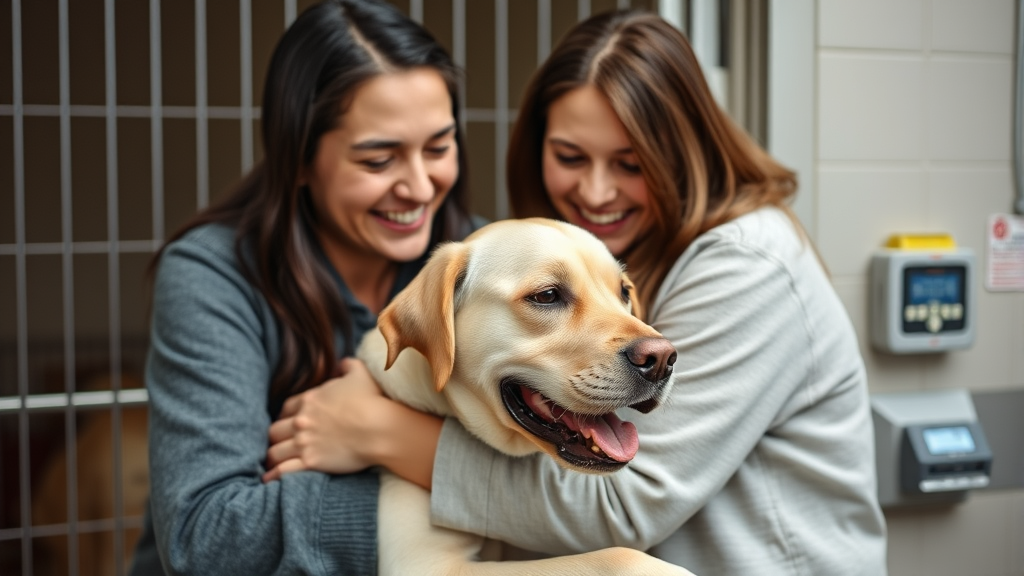
Animal Shelters and Humane Societies: Many animal welfare organizations offer low-cost microchipping as part of their mission to keep pets safe and reunited with families. These services are typically performed by experienced staff and veterinarians who understand the importance of proper identification.
Community Clinics and Events: Local communities often host pet health events featuring discounted microchipping services. These events provide affordable access to professional services while supporting community pet welfare initiatives.
Specialty Pet Services: Some areas have specialized pet identification services that focus exclusively on microchipping and pet recovery services. These providers often offer competitive pricing and extensive expertise in pet identification technology.
The Microchipping Process: What to Expect
The microchipping procedure is quick, relatively painless, and similar to receiving a routine vaccination. Understanding what happens during the process can help ease any concerns and ensure you’re prepared for your appointment.
Pre-Procedure Consultation: Your veterinarian will explain the procedure, answer questions, and verify your contact information. This is an excellent time to discuss any concerns and understand the registration process. Some providers may recommend combining microchipping with other routine care, such as rabies vaccination.
The Implantation Process: The microchip is injected using a sterile needle slightly larger than those used for vaccinations. The procedure takes just seconds and is performed between the shoulder blades where the skin is loose and less sensitive. Most dogs experience minimal discomfort, comparable to receiving a routine shot.
Immediate Verification: After implantation, the veterinarian will scan the chip to ensure it’s working properly and readable. This verification step confirms the chip is functioning correctly and properly positioned.
Registration and Documentation: You’ll receive paperwork with your pet’s unique microchip number and instructions for registering with the database company. Some providers handle initial registration as part of their service, while others require you to complete registration independently.
Benefits of Microchipping vs. Other Identification Methods
While various pet identification methods exist, microchipping offers unique advantages that make it the gold standard for permanent pet identification. Comparing these options helps illustrate why veterinary professionals and animal welfare organizations strongly recommend microchipping.
Collar Tags vs. Microchips: Traditional ID tags are visible and immediately accessible, but they can fall off, become illegible, or be removed. Microchips provide permanent identification that can’t be lost or damaged, ensuring your contact information remains accessible even if other identification methods fail.
Tattoos vs. Microchips: Pet tattoos were once popular for identification, but they can fade, become distorted as pets grow, and are difficult to read on dark-colored animals. Microchips maintain their reliability throughout your pet’s lifetime without degradation.
GPS Trackers vs. Microchips: While GPS devices offer real-time location tracking, they require regular charging, can be damaged or removed, and involve ongoing subscription costs. Microchips complement GPS trackers by providing permanent backup identification when electronic devices fail.
According to the Petfinder Foundation, microchipped dogs are more than twice as likely to be reunited with their owners compared to those without permanent identification. This statistic underscores the life-saving potential of this simple procedure.
Maintaining Your Dog’s Microchip Information
The effectiveness of your dog’s microchip depends entirely on maintaining current, accurate contact information in the associated database. This ongoing responsibility is crucial for ensuring successful reunification if your pet becomes lost.
Initial Registration: Complete your microchip registration immediately after implantation. Provide multiple contact methods including your primary phone number, alternate phone number, email address, and current home address. Some databases also allow you to designate emergency contacts who can be reached if you’re unavailable.
Regular Updates: Update your information whenever you move, change phone numbers, or modify email addresses. Set annual reminders to review and verify your contact information, ensuring all details remain current and accessible.
Multiple Contact Methods: Provide several ways to reach you, including work and cell phone numbers, email addresses, and emergency contacts. The more contact options available, the greater the likelihood of successful reunification.
Database Fees: Some microchip companies charge annual fees for maintaining your information, while others offer lifetime registration. Understand your database’s fee structure and keep payments current to ensure your information remains accessible to finders.
Just as responsible pet ownership includes staying current with vaccination schedules, maintaining accurate microchip information is an ongoing commitment that could save your dog’s life.
Frequently Asked Questions
How much does it cost to microchip a dog at different locations?
Microchipping costs vary by location: veterinary clinics typically charge $45-$75, animal shelters offer services for $25-$40, mobile vets charge $50-$80, and pet store clinics usually cost $30-$50. The price often includes the chip, implantation, and initial database registration.
Does microchipping hurt my dog?
The microchipping procedure causes minimal discomfort, similar to receiving a vaccination. Most dogs tolerate the quick injection well, and no anesthesia is required. The brief discomfort is far outweighed by the permanent protection it provides.
Can microchips fall out or stop working?
Microchips are designed to last your dog’s lifetime and rarely fail or migrate from the implantation site. The chips are encased in biocompatible glass and become anchored by surrounding tissue. According to the FDA, adverse reactions are extremely rare.
What happens if my dog’s microchip isn’t registered?
An unregistered microchip is essentially useless for reunification purposes. While the chip will still scan and display a number, there’s no way to contact the owner without current registration information. Always complete registration immediately after implantation and keep information updated.
Are there ongoing costs after the initial microchipping?
Some database companies charge annual fees ranging from $15-$25 for maintaining your information, while others offer lifetime registration included in the initial cost. Ask your provider about their specific fee structure and factor ongoing costs into your budget.
Can I scan my dog’s microchip at home?
Professional-grade scanners used by veterinarians and shelters aren’t typically available for home use. However, you can have your dog scanned during routine vet visits to ensure the chip is working properly and positioned correctly.
What information should I include in my microchip registration?
Include your name, multiple phone numbers (home, work, cell), current address, email address, and emergency contact information. Some databases allow you to add your dog’s medical conditions or special needs, which can be helpful for finders and veterinary staff.





