
So you’re wondering how much does the Farmer’s Dog cost? Well, buckle up because fresh dog food delivery isn’t exactly the same price as grabbing a bag of kibble at the grocery store—but it might be worth every penny if your pup’s been giving you the side-eye at dinnertime.
Table of Contents
- Breaking Down The Farmer’s Dog Pricing Model
- Understanding Different Plan Options and Fresh Dog Food Delivery Costs
- Initial Costs and Setup Fees Explained
- Comparing Farmer’s Dog Pricing to Traditional Pet Food Options
- Discount Opportunities and Money-Saving Strategies
- Subscription Flexibility and Customization Costs
- Geographic Pricing Variations and Shipping Costs
- Nutritional Value Justifies the Fresh Dog Food Pricing
- Real Customer Cost Experiences and Budget Planning
- Comparing to Veterinary-Prescribed Fresh Diets
- Long-Term Cost Considerations and ROI
- Frequently Asked Questions
- Final Verdict on Farmer’s Dog Pricing
Breaking Down The Farmer’s Dog Pricing Model
The Farmer’s Dog operates on a subscription model, which means you’re not just paying for food—you’re paying for convenience, freshness, and the peace of mind that comes with knowing exactly what your dog is eating. Their pricing varies based on three main factors: your dog’s weight, the plan you choose, and your location. Most dogs fall into the $38-$65 per week range, though some larger breeds might creep higher. That works out to roughly $150-$260 per month, which sounds like a lot until you realize you’re getting fresh, human-grade ingredients delivered right to your door.
Understanding Different Plan Options and Fresh Dog Food Delivery Costs
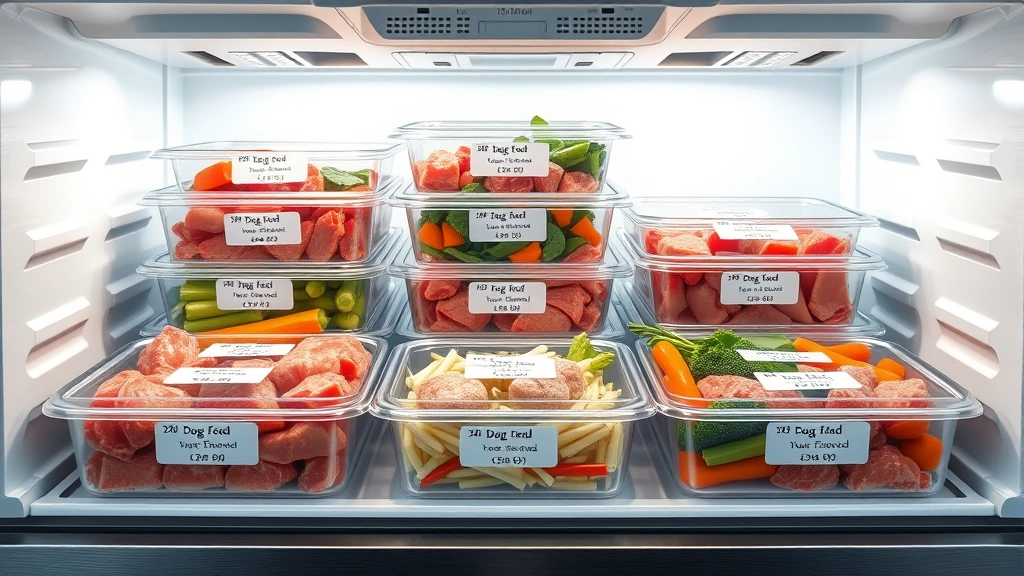
The Farmer’s Dog offers four different recipes: Beef, Chicken, Turkey, and Pork. You can stick with one or rotate between them—which is actually pretty cool because it prevents food boredom and gives your pup nutritional variety. The pricing structure is straightforward: you pay based on your dog’s weight category. A small dog (under 25 lbs) might cost around $38-$45 per week, while a large dog (over 90 lbs) could run $55-$65 weekly. There’s also a middle ground for medium-sized pups. Each plan comes with pre-portioned packs that you simply thaw and serve, making meal prep literally a 30-second operation.
Initial Costs and Setup Fees Explained
Here’s the good news: The Farmer’s Dog doesn’t charge a setup fee or membership fee to get started. Your first order is the same price as any other order—no hidden surprises lurking in the fine print. However, you might want to factor in the cost of a freezer if you don’t already have one, since you’ll need space to store those fresh meals. Most customers find that a small standalone freezer (around $150-$300) pays for itself within a few months when you consider the quality of food you’re getting compared to premium kibble brands.
Comparing Farmer’s Dog Pricing to Traditional Pet Food Options
Let’s be real: The Farmer’s Dog isn’t cheaper than grocery store kibble. A bag of mid-range dog food might cost $30-$50 and last two weeks for a medium dog, whereas The Farmer’s Dog runs $38-$65 weekly. However, when you compare it to other fresh dog food delivery services or premium kibble brands, the pricing is actually competitive. Plus, you’re getting USDA-inspected human-grade ingredients, proper nutritional balance, and meals made fresh rather than processed months ago. Many vets recommend fresh diets for dogs with sensitive stomachs, which is where human foods for pets with sensitive stomachs become relevant to your overall feeding strategy.
Discount Opportunities and Money-Saving Strategies
The Farmer’s Dog occasionally runs promotions for new customers—we’re talking 50% off your first box kind of deals. They also offer loyalty programs where you can earn credits toward future orders. If you have multiple dogs, you might save slightly per dog since you’re consolidating shipping. Some people also alternate between The Farmer’s Dog and other brands to stretch their budget further, though this defeats the purpose of having a consistent, fresh diet. The company also offers pause options if you need to skip a week or two, so you’re not locked into continuous charges during vacation time.
Subscription Flexibility and Customization Costs
One thing that makes The Farmer’s Dog appealing is the flexibility. You can adjust your order frequency, change recipes, modify portion sizes, or pause your subscription without penalties. Want to try a different recipe next month? No problem—it won’t cost you extra. Need to adjust portions because your dog’s metabolism changed? That’s built into the system. This flexibility means you’re not stuck with a bad decision, which adds value beyond just the food itself. You can also check out their pet food safety during travel guide if you’re wondering how to manage meals while on the road.

Geographic Pricing Variations and Shipping Costs
Here’s something many people overlook: shipping costs vary by location. If you live in a major metropolitan area, you might get free shipping or very low shipping costs. Rural areas sometimes face higher delivery fees because The Farmer’s Dog uses local delivery partners to keep food fresh. Most areas fall into a free or flat-rate shipping model, but it’s worth checking your specific zip code on their website before committing. The company prioritizes speed over distance, so your food arrives within days rather than weeks, which is crucial for maintaining freshness.
Nutritional Value Justifies the Fresh Dog Food Pricing
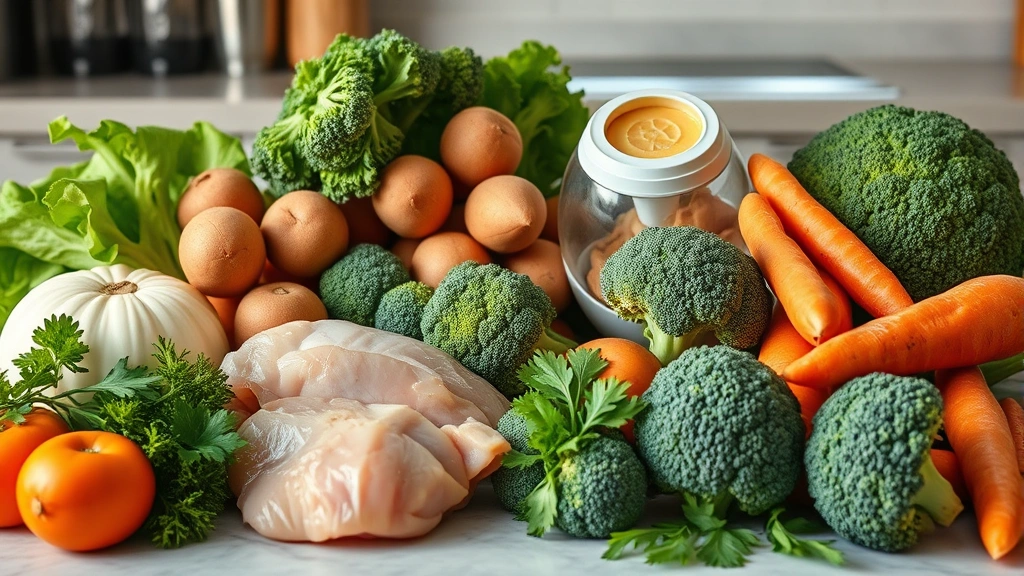
When you’re evaluating whether The Farmer’s Dog is worth the cost, consider what you’re actually getting. Each meal is formulated by veterinary nutritionists and meets AAFCO standards (that’s the Association of American Feed Control Officials for those keeping score). The ingredients are recognizable—actual chicken breast, sweet potatoes, broccoli—not mysterious meat by-products or artificial preservatives. Many dogs experience improved digestion, shinier coats, and better energy levels after switching to fresh food. If your pup has special dietary needs, like the considerations mentioned in our guide about obesity and human food treats, fresh food can be part of a comprehensive health strategy.
Real Customer Cost Experiences and Budget Planning
Let’s talk real numbers from actual customers. A 50-pound dog on The Farmer’s Dog typically costs around $50-$55 per week, which breaks down to roughly $200-$220 monthly. That same dog eating premium kibble might cost $60-$80 monthly, but you’re missing the freshness factor. Customers report that their dogs eat less of The Farmer’s Dog because it’s more nutrient-dense, which can offset some of the higher per-week cost. Some people also report fewer vet visits for digestive issues, which saves money in the long run. One customer mentioned spending $280 monthly on The Farmer’s Dog versus $400+ on vet visits for her dog’s chronic diarrhea—the fresh food solved the problem.
Comparing to Veterinary-Prescribed Fresh Diets
If your vet has recommended a fresh diet for medical reasons, The Farmer’s Dog is often significantly cheaper than prescription fresh food options. Veterinary-prescribed fresh diets can run $100+ per week, making The Farmer’s Dog look like a bargain. This is especially true for dogs with diabetes or other conditions where dietary control is critical, though you should always consult your vet before making dietary changes. The diabetic-friendly human foods for pets guide offers complementary information about managing your dog’s health through nutrition.
Long-Term Cost Considerations and ROI
When calculating the true cost of The Farmer’s Dog, think beyond just the food price. Factor in potential vet savings from improved digestion and nutrition, the convenience factor (no more trips to the pet store), and the peace of mind knowing exactly what your dog is eating. Over a year, a medium dog on The Farmer’s Dog costs around $2,400-$2,600. That sounds like a lot until you realize you might save that much in vet visits, treat money, and time. Plus, you’re investing in your dog’s longevity and quality of life, which is priceless if you ask any dog parent.
Frequently Asked Questions
Is there a significant price difference between The Farmer’s Dog and other fresh dog food brands?
The Farmer’s Dog is actually mid-range in the fresh dog food market. Some brands like JustFoodForDogs run slightly higher, while others like Ollie are comparable. The main difference is ingredient sourcing and recipe variety. The Farmer’s Dog focuses on simplicity with four core recipes, which helps keep costs down compared to brands offering 10+ options.
Can I get The Farmer’s Dog cheaper with annual payment options?
The Farmer’s Dog doesn’t offer annual prepayment discounts, but they do run periodic promotions (especially for first-time customers). Your best bet is signing up during their promotional periods, which typically happen during major holidays and back-to-school season.
What happens if my dog doesn’t like The Farmer’s Dog?
The Farmer’s Dog offers a money-back guarantee on your first order if your dog won’t eat it. This is rare since most dogs go crazy for fresh food, but it’s a risk-free way to try it. If your dog simply prefers kibble, you’re not stuck with a subscription.
Does The Farmer’s Dog cost more than vet-recommended prescription diets?
Yes, significantly less. Prescription fresh diets from veterinary clinics often cost $100+ per week, while The Farmer’s Dog runs $38-$65 weekly. Always check with your vet before switching, but The Farmer’s Dog is often a more affordable option for medical dietary needs.
Are there any hidden costs I should know about?
No hidden costs—everything is transparent. You pay the weekly food cost plus shipping (which varies by location). There are no membership fees, setup fees, or surprise charges. You can pause or cancel anytime without penalties.
Final Verdict on Farmer’s Dog Pricing
So, how much does the Farmer’s Dog cost? Realistically, you’re looking at $150-$260 monthly depending on your dog’s size, location, and which recipes you choose. Is it expensive compared to kibble? Yes. Is it worth it? For most dog owners, absolutely—especially if your pup has digestive issues, picky eating habits, or you simply want to feed the highest quality food possible. The convenience, nutritional quality, and potential health benefits make it a solid investment in your dog’s wellbeing. Start with their promotional pricing for new customers, see how your dog responds, and make your decision from there. Your dog’s health is worth the investment.





