
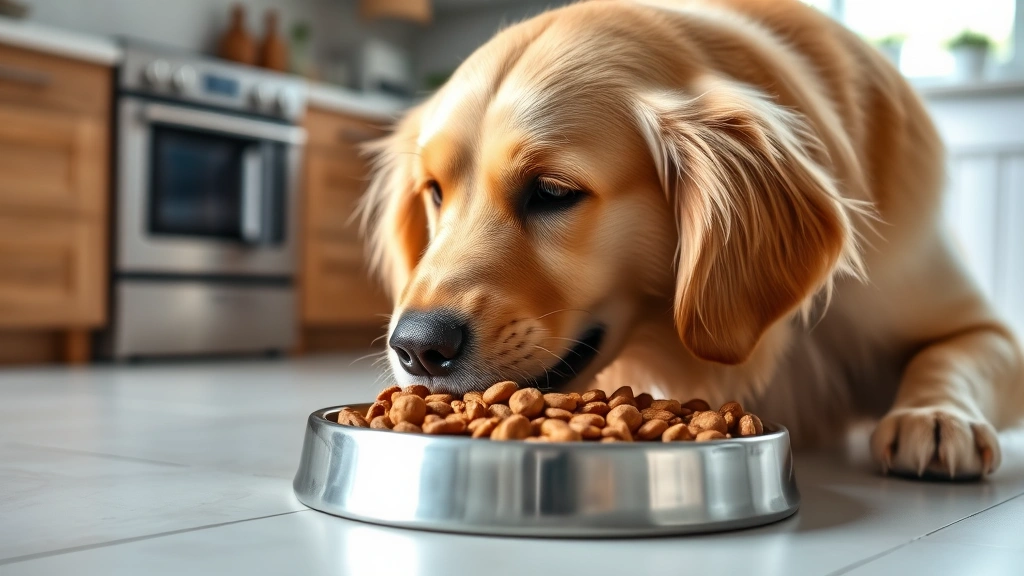
How Much Dog Food Per Day? The Ultimate Feeding Guide for Happy, Healthy Pups
Let’s be honest—figuring out how much dog food per day your furry best friend actually needs can feel like you’re solving a complicated math equation. One minute you’re reading a bag of kibble, the next you’re questioning whether your pup is getting too chubby or staying lean enough. The truth is, there’s no one-size-fits-all answer, but don’t worry! We’re here to break down everything you need to know to keep your canine companion in peak condition.
The amount of food your dog needs depends on several factors, including their age, size, activity level, metabolism, and the type of food you’re feeding them. A growing puppy needs different nutrition than a senior dog lounging on the couch all day. Understanding these variables is crucial for maintaining your dog’s health, energy levels, and overall well-being.
In this comprehensive guide, we’ll walk you through the essentials of dog nutrition and help you determine the perfect portion size for your four-legged friend. Whether you have a tiny Chihuahua or a massive Great Dane, we’ve got the insights you need to make informed feeding decisions.
Understanding the Basics of Dog Nutrition
Before we dive into the specifics of portion sizes, it’s important to understand what your dog actually needs nutritionally. Dogs are omnivores, despite their wolf ancestry, and they thrive on a balanced diet containing proteins, fats, carbohydrates, vitamins, and minerals. The Association of American Feed Control Officials (AAFCO) sets nutritional standards for pet foods, ensuring that commercial dog foods contain the essential nutrients your pup needs.
Protein is particularly crucial for dogs as it supports muscle development, immune function, and enzyme production. Quality fats provide energy and promote healthy skin and coat. Carbohydrates offer additional energy and fiber for digestive health. When selecting food for your dog, look for options that meet AAFCO standards and contain high-quality ingredients.
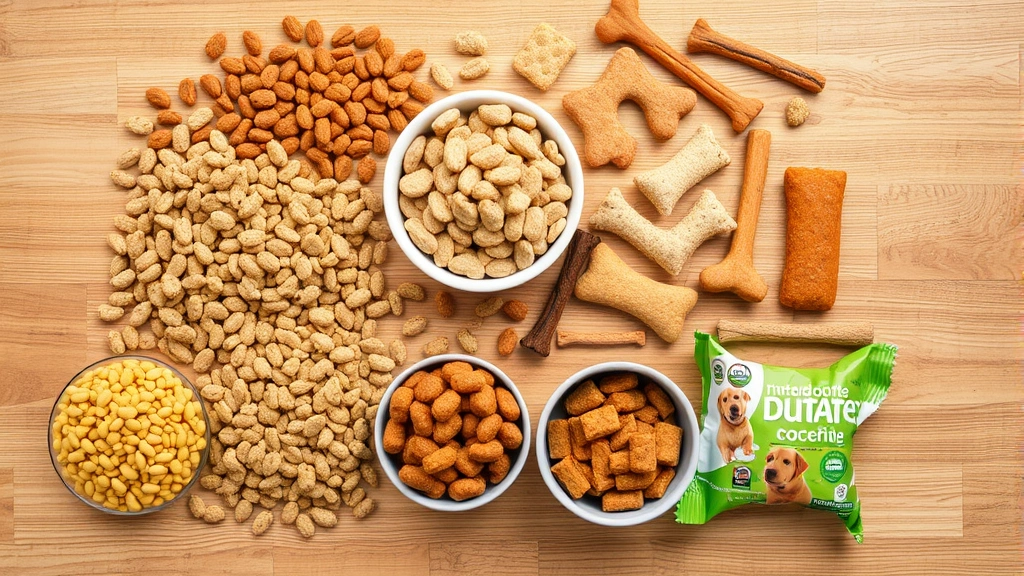
The caloric content of dog food varies significantly between brands and types. Dry kibble typically contains around 350-500 calories per cup, while wet food might have only 70-150 calories per cup due to its higher water content. Understanding these differences is essential when determining how much should I feed my dog daily.
Key Factors That Affect Daily Food Portions
Size and Weight: A Chihuahua weighing 5 pounds needs significantly less food than a 100-pound Labrador Retriever. Your dog’s current weight and target weight both play important roles in determining appropriate portions. If your dog is overweight, you may need to adjust portions downward to help them reach a healthier weight.
Age and Life Stage: Puppies require more calories per pound of body weight than adult dogs because they’re growing and burning energy at a higher rate. Senior dogs, on the other hand, often need fewer calories as their metabolism slows and activity levels decrease. Understanding how much food should I feed my dog requires considering their specific life stage.
Activity Level: A working border collie herding sheep all day needs far more calories than a sedentary lap dog. Active dogs burn significantly more energy and require larger portions to maintain muscle mass and stamina. Conversely, dogs with low activity levels need fewer calories to prevent weight gain.
Metabolism: Just like humans, individual dogs have different metabolic rates. Some dogs are naturally lean and burn calories quickly, while others gain weight more easily. You may need to adjust portions based on how your specific dog responds to their current feeding amount.
Type of Food: The formulation of dog food dramatically affects portion sizes. High-protein, high-fat foods are more calorie-dense and require smaller portions. Budget-friendly foods with more fillers and lower nutritional density require larger portions to provide the same calories. Premium and prescription diets are often more concentrated, meaning you feed less by volume.
Health Status: Dogs with certain health conditions, allergies, or digestive issues may need specialized diets and adjusted portions. Always consult your veterinarian about appropriate feeding amounts if your dog has health concerns.

How to Calculate Your Dog’s Daily Food Needs
The most accurate way to determine how much dog food should I feed my dog is to calculate their daily caloric needs. Here’s a simple method:
- Determine Your Dog’s Resting Energy Requirement (RER): Multiply your dog’s body weight in kilograms by 70, then raise that number to the 0.75 power. For example, a 30-pound dog (13.6 kg) would have an RER of approximately 400 calories.
- Multiply by Activity Factor: Sedentary dogs need 1.2-1.4 times their RER, moderately active dogs need 1.5-1.75 times their RER, and very active dogs need 1.8-2.0 times their RER.
- Check the Food Label: Find the caloric content per cup on your dog’s food bag, then divide your dog’s daily caloric needs by that number to get the number of cups needed daily.
For example, a moderately active 30-pound dog would need approximately 600-700 calories daily. If their food contains 400 calories per cup, they’d need about 1.5-1.75 cups per day. This is a starting point—adjust based on your dog’s body condition and your veterinarian’s recommendations.
According to the ASPCA, it’s important to monitor your dog’s weight and adjust portions accordingly. Your veterinarian can also provide personalized feeding recommendations based on your individual dog’s needs.
Feeding Guidelines by Life Stage
Puppies (2-12 months): Growing puppies need more calories per pound of body weight than adult dogs. They should typically eat three to four times daily when very young, gradually transitioning to twice-daily feeding. Large breed puppies require special consideration—they need controlled growth to prevent joint problems. Feed them high-quality, large-breed puppy formulas to support proper development without encouraging too-rapid growth.
Adult Dogs (1-7 years): Most adult dogs thrive on once or twice-daily feeding. Twice-daily feeding is often preferred as it helps maintain steady energy levels and can reduce bloating risk. This is the life stage where how much should my dog eat becomes most consistent, assuming they maintain a stable weight and activity level.
Senior Dogs (7+ years): As dogs age, their metabolism typically slows, and they may become less active. Senior dogs often need 25-30% fewer calories than younger adults. However, they need higher-quality protein to maintain muscle mass. Some seniors benefit from smaller, more frequent meals to aid digestion.
Practical Portion Tips and Feeding Schedules
Use a Measuring Cup: Don’t eyeball portions—use the same measuring cup each time to ensure consistency. This makes it easy to track what you’re feeding and adjust as needed.
Split Meals: Most dogs benefit from eating twice daily rather than once. Splitting the total daily amount into two meals helps maintain stable blood sugar and energy levels throughout the day.
Schedule Feeding Times: Feeding at consistent times helps with house training, digestion, and behavioral management. Most owners find success feeding their dogs at breakfast and dinner times.
Account for Treats: Remember that treats count toward your dog’s daily caloric intake. A good rule of thumb is to limit treats to no more than 10% of daily calories. If your dog gets 600 calories from meals, treats should provide no more than 60 calories.
Monitor Body Condition: Use the body condition score system to assess whether your dog is at a healthy weight. You should be able to feel their ribs without pressing hard, and they should have a visible waist when viewed from above.
If you’re wondering why is my dog always hungry, it might not always be about portion size. Some dogs are naturally more food-motivated, while others may have underlying health issues. Consult your vet if you notice sudden changes in appetite.
Special Dietary Considerations
Weight Management: Overweight dogs need reduced portions—typically 10-25% fewer calories than their ideal weight would require. Work with your veterinarian to establish a safe weight loss plan. Rapid weight loss can be harmful, so gradual reduction is best.
Digestive Sensitivities: Dogs with sensitive stomachs or allergies may need specialized diets. These often require adjusted portions and more frequent monitoring. Some dogs do better with dogs eating rice mixed with their regular food for digestive support.
Health Conditions: Dogs with diabetes, kidney disease, or other chronic conditions often require prescription diets with specific portion recommendations. Always follow your veterinarian’s guidance for these situations.
Pregnancy and Nursing: Pregnant and nursing dogs need significantly more calories—sometimes up to 40-50% more than normal. Feed them high-quality, nutrient-dense food in multiple small meals.
Signs Your Dog Might Need More or Less Food
Signs Your Dog Needs More Food:
- Visible ribs and hip bones with no fat covering
- Lethargy and lack of energy
- Dull, dry coat
- Excessive begging or food-seeking behavior
- Weight loss despite regular feeding
Signs Your Dog Needs Less Food:
- Difficulty feeling ribs due to fat covering
- Sagging belly or lack of visible waist
- Labored breathing or reduced activity
- Joint problems or limping
- Excessive panting
The American College of Veterinary Nutrition recommends regular body condition assessments to ensure your dog maintains a healthy weight. Your veterinarian can help you identify the ideal weight for your specific dog and adjust feeding accordingly.
Frequently Asked Questions
How often should I feed my dog?
Most adult dogs do well with twice-daily feeding. Puppies typically need three to four meals daily when very young, transitioning to twice daily around six months old. Senior dogs may benefit from smaller, more frequent meals, though twice daily is still standard.
Can I leave food out all day for my dog to eat?
Free-feeding (leaving food available all day) can lead to overeating and weight gain for many dogs. Scheduled feeding allows better portion control and helps with house training. However, some dogs with certain health conditions may benefit from free-feeding—discuss this with your vet.
What’s the difference between feeding by weight and by cups?
Feeding by cups is the standard method and accounts for caloric density. Feeding by weight is less practical because different foods have different densities. Always use the feeding guidelines on your dog’s food label as a starting point.
Should I adjust portions if my dog is very active?
Yes, absolutely. Active dogs need significantly more calories than sedentary dogs. If your dog exercises heavily, you may need to increase portions by 25-50%. Monitor their weight and adjust as needed.
How do I transition to a new food?
Gradual transitions prevent digestive upset. Over 7-10 days, slowly increase the proportion of new food while decreasing the old food. Start with 75% old food and 25% new, then gradually shift the ratio until you’re feeding 100% new food.
Is it okay to feed table scraps?
Table scraps should be minimal and only given occasionally. They can unbalance your dog’s nutrition and contribute to obesity. Many human foods are also toxic to dogs. Stick to dog-appropriate treats and meals for best results.
How can I tell if my dog is overweight?
Use the body condition score system. You should be able to feel your dog’s ribs easily without pressing, see a waist when viewed from above, and notice a tucked abdomen from the side. If you can’t feel the ribs or see the waist, your dog likely needs fewer calories.
What should I do if my dog refuses to eat?
Occasional pickiness is normal, but consistent refusal to eat warrants a veterinary visit. Loss of appetite can indicate health issues. Never force your dog to eat, and don’t leave food down for extended periods—pick it up after 15-20 minutes.





