
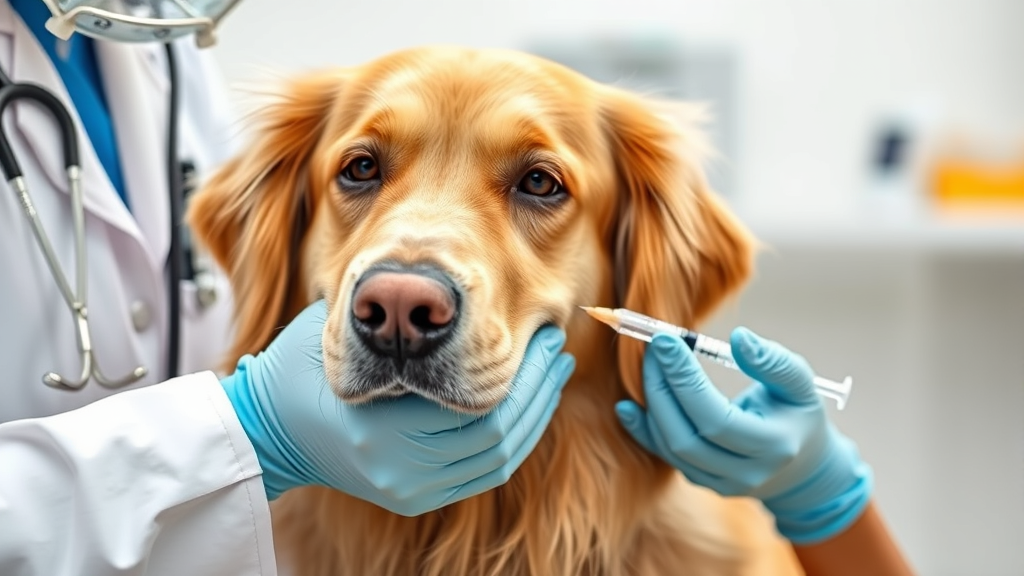
Rabies vaccination is one of the most critical aspects of responsible dog ownership, protecting both your beloved pet and your community from this fatal viral disease. Understanding the ins and outs of rabies shots—from costs and scheduling to legal requirements—empowers you to make informed decisions about your dog’s healthcare. This comprehensive guide will walk you through everything you need to know about dog rabies vaccinations, helping you navigate this essential aspect of pet care with confidence.
Whether you’re a first-time dog owner or looking to refresh your knowledge about vaccination protocols, this article covers the fundamentals of rabies prevention, associated costs, timing requirements, and answers to common concerns. By the end, you’ll have a thorough understanding of why rabies shots are non-negotiable for your dog’s health and wellbeing.
What Is Rabies and Why Is Vaccination Crucial?
Rabies is a deadly viral infection that affects the central nervous system of mammals, including dogs and humans. Once clinical symptoms appear, the disease is almost always fatal, making prevention through vaccination absolutely essential. The rabies virus is typically transmitted through the bite of an infected animal, with wildlife such as bats, raccoons, and skunks serving as common carriers in North America.
The importance of rabies vaccination extends beyond individual pet protection—it serves as a critical public health measure. According to the Centers for Disease Control and Prevention, rabies vaccination programs have been so successful that dog-to-human rabies transmission has been virtually eliminated in the United States. This achievement underscores the vital role that responsible pet ownership plays in community health.
Understanding how to know if a dog has rabies can help you recognize potential exposure risks, though prevention through vaccination remains the most effective strategy. The virus affects the brain and spinal cord, causing behavioral changes, aggression, paralysis, and ultimately death.

Rabies Vaccination Schedule for Dogs
The rabies vaccination schedule for dogs follows a specific protocol designed to provide optimal protection throughout your pet’s life. Puppies typically receive their first rabies shot between 12 and 16 weeks of age, as maternal antibodies can interfere with vaccine effectiveness if administered too early. This initial vaccination provides temporary protection and must be followed by a booster shot.
After the initial puppy vaccination, dogs require a booster shot one year later. Subsequently, the frequency of rabies vaccinations depends on the type of vaccine used and local regulations. Many areas accept three-year rabies vaccines for adult dogs, while others may require annual boosters. It’s important to understand how often do dogs require rabies shots in your specific location to ensure compliance with local laws.
The American Veterinary Medical Association provides comprehensive guidelines for vaccination schedules, emphasizing the importance of working with your veterinarian to develop an appropriate protocol for your dog’s individual needs and risk factors.
Adult dogs who have never been vaccinated require a similar protocol to puppies, starting with an initial vaccine followed by a booster one year later. Senior dogs should maintain their regular vaccination schedule unless specific health conditions warrant modifications under veterinary guidance.
Understanding the Cost of Rabies Shots
The cost of rabies vaccination varies significantly based on several factors, including geographic location, veterinary clinic type, and additional services included in the visit. Understanding these cost variables helps pet owners budget appropriately for this essential healthcare expense. For detailed pricing information, you can explore how much is a rabies shot for a dog in different settings.
Veterinary clinics typically charge between $15 and $50 for a rabies vaccination, though prices can vary considerably. Urban areas often have higher costs than rural locations, and full-service veterinary hospitals may charge more than low-cost clinics or mobile vaccination services. The type of vaccine (one-year versus three-year) can also influence pricing, with three-year vaccines often costing slightly more initially but providing better long-term value.
Many pet owners find value in comprehensive vaccination packages that include rabies shots alongside other essential vaccines. Learning about how much are dog vaccines as a complete package can help you make cost-effective decisions about your dog’s preventive healthcare.
Additional costs may include examination fees, which some clinics require before vaccination, and administrative charges for health certificates or documentation. Some locations offer low-cost vaccination clinics through animal shelters, pet stores, or mobile services, providing more affordable options for budget-conscious pet owners while maintaining quality care standards.
Legal Requirements and Regulations
Rabies vaccination requirements are mandated by law in all 50 states, though specific regulations vary by jurisdiction. These laws exist to protect public health and are strictly enforced, with penalties for non-compliance ranging from fines to quarantine requirements. Understanding your local regulations is crucial for responsible pet ownership and legal compliance.
Most states require dogs to be vaccinated by a certain age (typically 3-6 months) and maintain current vaccination status throughout their lives. The frequency requirement—whether annual or triennial—depends on state and local laws, as well as the type of vaccine used. Some jurisdictions have additional requirements for licensing, registration, or proof of vaccination for activities like boarding, grooming, or travel.
The National Association of State Public Health Veterinarians publishes annual compendiums detailing rabies prevention and control recommendations, which many states use as the foundation for their regulations. These guidelines help ensure consistency in vaccination protocols while allowing for regional variations based on rabies risk factors.
Failure to comply with rabies vaccination laws can result in serious consequences, including quarantine of your pet, legal penalties, and potential liability issues if your unvaccinated dog bites someone. Additionally, unvaccinated dogs may face restrictions on travel, boarding, and participation in public activities.

Potential Side Effects and Safety Considerations
While rabies vaccines are generally safe and well-tolerated, like all medical interventions, they can occasionally cause side effects. Most reactions are mild and temporary, but understanding potential adverse effects helps pet owners make informed decisions and recognize when veterinary attention is needed. The benefits of vaccination far outweigh the risks, particularly given rabies’ fatal nature.
Common mild side effects include soreness at the injection site, lethargy, and mild fever for 24-48 hours after vaccination. Some dogs may experience decreased appetite or slight behavioral changes during this period. These reactions are normal immune responses and typically resolve without treatment. However, monitoring your dog closely after vaccination helps ensure any concerning symptoms receive prompt attention.
Serious allergic reactions, while rare, can occur and require immediate veterinary care. Signs of severe reactions include facial swelling, difficulty breathing, vomiting, diarrhea, or collapse. The FDA’s Center for Veterinary Medicine monitors vaccine safety and provides resources for reporting adverse events.
Certain dogs may have increased risk for vaccine reactions, including those with compromised immune systems, previous allergic reactions, or specific breed predispositions. Discussing your dog’s medical history with your veterinarian helps determine the most appropriate vaccination approach and timing for your individual pet.
Where to Get Your Dog Vaccinated
Multiple options exist for obtaining rabies vaccinations, each with distinct advantages and considerations. Traditional veterinary clinics offer comprehensive care and the ability to address other health concerns during the same visit. Many pet owners appreciate the continuity of care and relationship-building that comes with using a regular veterinarian for all their dog’s healthcare needs.
Low-cost vaccination clinics, often operated by animal shelters, rescue organizations, or mobile veterinary services, provide more affordable alternatives while maintaining quality standards. These clinics focus specifically on preventive care and can offer significant savings, particularly for pet owners managing multiple animals or tight budgets.
Pet stores and feed stores sometimes host vaccination clinics, bringing veterinary services directly to communities. These events often provide convenient scheduling and competitive pricing. However, it’s important to verify that licensed veterinarians administer vaccines and that proper medical records are maintained.
When considering vaccination options, factor in the overall value rather than just cost. A slightly higher price at your regular veterinary clinic might include additional services like health examinations, record keeping, and ongoing medical support that add value to the vaccination experience.
Maintaining Vaccination Records
Proper documentation of rabies vaccination is essential for legal compliance, travel, boarding, and emergency situations. Vaccination certificates should include specific information such as vaccine manufacturer, lot number, expiration date, veterinarian’s signature, and clinic information. These details are crucial for proving compliance with legal requirements and demonstrating vaccine validity.
Digital record-keeping has become increasingly popular, with many veterinary clinics offering online portals where pet owners can access vaccination histories, schedule appointments, and receive reminders. Some mobile apps help pet owners maintain comprehensive health records, including vaccination dates, to ensure timely boosters and compliance with regulations.
Knowing how often do dogs get rabies shots helps you plan ahead and set reminders for upcoming vaccinations. Creating a vaccination schedule and maintaining organized records prevents lapses in protection and ensures continuous legal compliance.
Keep physical copies of vaccination certificates in a safe, accessible location, and consider storing digital copies as backup. When traveling with your dog or using boarding facilities, having readily available vaccination proof streamlines processes and prevents delays or complications.
Understanding what shots do dogs need beyond rabies helps you maintain comprehensive vaccination records and ensure your pet receives complete protection against preventable diseases. Some vaccines, like what is dhpp vaccine for dogs, work alongside rabies vaccination to provide broad-spectrum disease prevention.
Frequently Asked Questions
How much does a rabies shot for dogs typically cost?
The cost of a rabies shot ranges from $15 to $50 depending on your location, clinic type, and additional services included. Urban areas and full-service veterinary hospitals tend to charge more, while low-cost clinics and mobile services offer more affordable options. Three-year vaccines may cost slightly more initially but provide better long-term value than annual vaccines.
At what age should puppies receive their first rabies vaccination?
Puppies should receive their first rabies vaccination between 12 and 16 weeks of age. Vaccinating too early can result in interference from maternal antibodies, reducing vaccine effectiveness. The initial vaccination is followed by a booster one year later, then subsequent boosters based on local requirements and vaccine type used.
How long does rabies vaccination protection last in dogs?
Rabies vaccine protection duration depends on the vaccine type. One-year vaccines require annual boosters, while three-year vaccines provide protection for three years after the initial booster series is complete. Your veterinarian can recommend the most appropriate vaccine type based on local regulations and your dog’s individual risk factors.
Are there any dogs that cannot receive rabies vaccines?
Very few dogs cannot receive rabies vaccines, as the benefits almost always outweigh risks. Dogs with severe immune system compromise, those currently ill with fever, or animals with documented severe allergic reactions to previous rabies vaccines may need modified protocols. Your veterinarian can assess individual risk factors and develop appropriate vaccination strategies.
What should I do if my dog’s rabies vaccination expires?
If your dog’s rabies vaccination expires, schedule a booster immediately. Depending on how long the vaccination has been expired, your veterinarian may recommend restarting the vaccination series. During the lapsed period, your dog is considered unprotected and may face legal restrictions or quarantine requirements if exposed to rabies.
Can indoor dogs skip rabies vaccinations?
No, indoor dogs cannot skip rabies vaccinations as they are legally required regardless of lifestyle. Even indoor pets can be exposed to rabies through contact with bats that enter homes, escape incidents, or veterinary visits. The Humane Society emphasizes that all dogs need rabies protection regardless of their living situation.
What documentation do I need to prove my dog is vaccinated against rabies?
You need an official vaccination certificate from a licensed veterinarian that includes the vaccine manufacturer, lot number, expiration date, administration date, veterinarian’s signature and license number, and clinic information. This certificate serves as legal proof of vaccination for licensing, travel, boarding, and emergency situations. According to USDA APHIS, proper documentation is essential for interstate and international travel with pets.





