
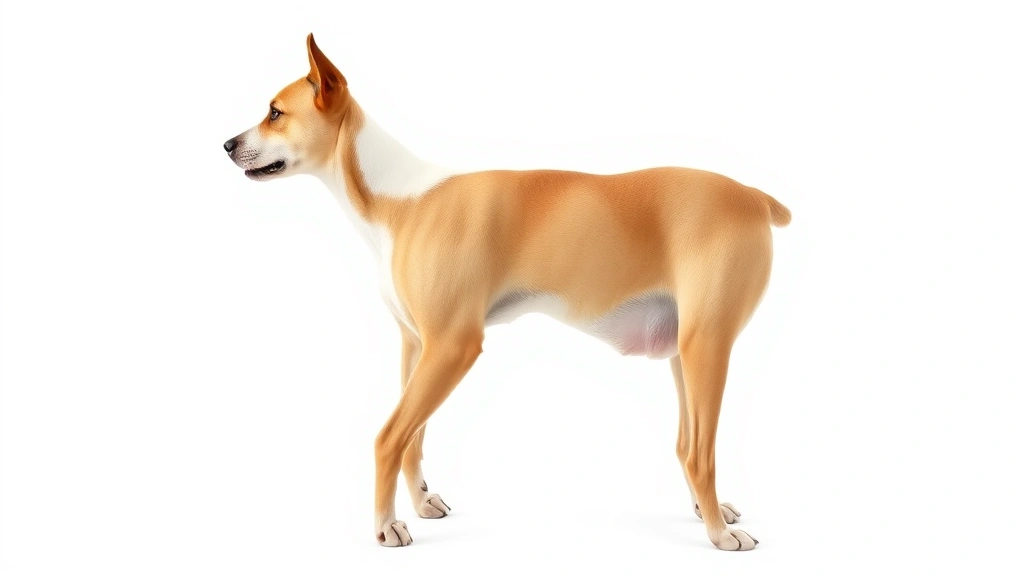
Figuring out how much food should feed my dog is one of those questions that keeps pet parents up at night, right alongside “Why does my dog eat grass?” and “Is my pup getting enough exercise?” The truth is, there’s no one-size-fits-all answer, but don’t worry—we’re about to break it down so thoroughly that you’ll be a portion-control pro in no time.
Table of Contents
- Understanding Your Dog’s Caloric Needs
- Decoding Dog Food Labels and Feeding Guidelines
- Puppy Portion Sizes: Getting the Growing Years Right
- Senior Dogs and Metabolic Changes
- Activity Level: The Game Changer in Dog Feeding
- The Two-Meal Versus Free-Feeding Debate
- Weight Management: Is Your Dog at a Healthy Weight?
- Special Diets and Health Conditions
- Treats and Table Scraps: The Hidden Calorie Culprits
- Monitoring and Adjusting Portions Over Time
- Reading the Room: Signs You’re Feeding Too Much or Too Little
- Frequently Asked Questions
- Conclusion
Understanding Your Dog’s Caloric Needs
Before you start measuring out kibble like you’re running a scientific experiment, you need to understand that every dog is unique. A Chihuahua’s caloric needs look nothing like a Great Dane’s, and a couch potato pup requires way less food than an agility champion. The average adult dog needs between 25 to 30 calories per pound of body weight daily, but this is just a starting point. Factors like age, metabolism, activity level, and health status all play crucial roles in determining the right amount.
Your veterinarian can calculate your specific dog’s caloric requirements based on their individual profile. It’s worth having this conversation at your annual checkup because it’s literally the foundation of proper nutrition.
Decoding Dog Food Labels and Feeding Guidelines
That bag of dog food sitting in your pantry has a feeding guide on the back—you know, those charts that show portions based on weight. Here’s the thing: those are guidelines, not gospel. They’re calculated for an average dog with average activity levels. Your pup might need 10-20% more or less depending on their individual circumstances. Always check the caloric content listed on the package and adjust accordingly. Look for foods that list real meat as the first ingredient and have a good balance of protein, fat, and fiber.
Puppy Portion Sizes: Getting the Growing Years Right
Puppies are tiny eating machines with bottomless pits for stomachs. They need significantly more calories per pound of body weight than adult dogs because they’re building bones, muscles, and brains all at once. Generally, puppies need about twice the calories of an adult dog of the same weight. Large breed puppies are extra tricky—they need controlled growth to prevent developmental orthopedic disease, so portion control is absolutely critical during their first year. Check out our guide on puppy safe human foods to ensure you’re not accidentally undermining their growth with inappropriate treats.
Senior Dogs and Metabolic Changes
As dogs age, their metabolism slows down like a creaky door hinge. Senior dogs (typically 7+ years old, depending on breed) often need fewer calories than their younger counterparts, especially if they’re less active. However, they might need higher quality protein to maintain muscle mass and joint-supporting nutrients like glucosamine. Some seniors also develop health conditions that require dietary adjustments, so it’s worth having a conversation with your vet about whether your aging companion needs a specialized diet.
Activity Level: The Game Changer in Dog Feeding
A working border collie herding sheep all day burns exponentially more calories than a Pekingese lounging on a velvet cushion. Activity level is one of the biggest variables in the feeding equation. Highly active dogs might need 50% more calories than their sedentary cousins. If your dog competes in agility, runs marathons with you, or works as a service dog, they’ll need more food. Conversely, if your pup mostly watches the world from the window, you’ll need to dial back portions to prevent obesity. This is where honest self-assessment matters—your dog’s activity level, not what you wish it were.
The Two-Meal Versus Free-Feeding Debate
Some pet parents practice free-feeding (leaving food out all day), while others stick to scheduled meals. Scheduled feeding—typically breakfast and dinner for adults—is generally considered better for portion control and housebreaking. It also helps you monitor your dog’s appetite, which can be an early indicator of illness. Free-feeding works for some dogs with iron discipline, but most pups will eat more than they need if given the opportunity. If you’re struggling with portion control, scheduled feeding is your friend. Consider reading our article on obesity and human food treats to understand how sneaky extra calories can be.
Weight Management: Is Your Dog at a Healthy Weight?
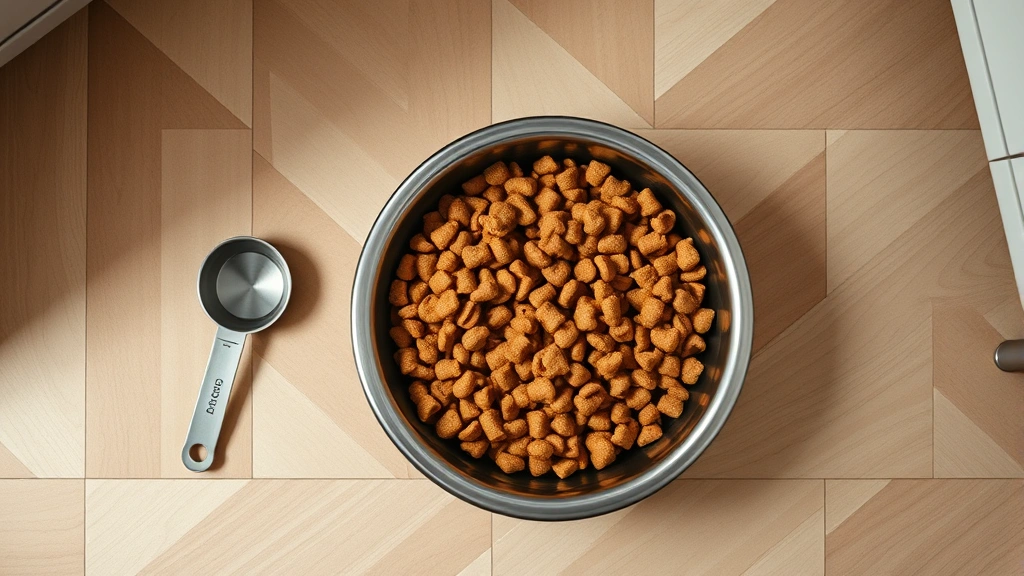
The best way to know if you’re feeding the right amount is to assess your dog’s body condition. A healthy dog should have ribs you can feel but not see prominently. There should be a visible waist when viewed from above, and the abdomen shouldn’t sag or hang. If you can’t feel your dog’s ribs or they’re shaped like a barrel, it’s time to reduce portions. Conversely, if you can see all their ribs prominently and they look gaunt, they need more food. Your vet can score your dog’s body condition on a standardized scale, which is incredibly helpful for adjusting portions.
Special Diets and Health Conditions
Dogs with diabetes, kidney disease, allergies, or other health issues might need specialized diets with specific portion sizes. These aren’t situations where you can wing it—your veterinarian will provide exact feeding instructions. Some dogs thrive on raw diets, others do better on prescription kibble, and some need home-cooked meals. The key is working with your vet to ensure your dog gets proper nutrition while managing their condition. If you’re unsure about whether your dog needs dietary adjustments, check out our guide on when to call the vet about food.
Treats and Table Scraps: The Hidden Calorie Culprits
Here’s where most people accidentally overfeed their dogs: treats and human food. Those “tiny” pieces of cheese, the bites of chicken, the training treats—they add up fast. Treats should comprise no more than 10% of your dog’s daily caloric intake. If your dog eats 1,500 calories daily, treats should max out at 150 calories. That’s roughly one small training treat or a few pieces of carrot. If you’re generous with treats, you’re essentially overfeeding your dog at every meal. Learn more about appropriate portions in our article on human food portion sizes for pets.
Monitoring and Adjusting Portions Over Time
Feeding your dog isn’t a “set it and forget it” situation. As they age, their needs change. Seasons might affect activity levels. Medications can impact metabolism. You should reassess your dog’s portion sizes at least twice yearly and whenever their lifestyle changes significantly. Keep an eye on their weight, energy levels, and overall health. If you notice weight gain or loss, adjust portions by 10-25% and give it 4-6 weeks to see if the change is effective. This is an ongoing conversation with your vet, not a one-time decision.
Reading the Room: Signs You’re Feeding Too Much or Too Little
Your dog will tell you if something’s wrong with their diet through their behavior and appearance. Overfeeding signs include weight gain, lethargy, digestive issues, and constant begging. Underfeeding signs include weight loss, excessive energy or anxiety, dull coat, and behavioral problems. Some dogs are naturally food-motivated and will act hungry even when they’re getting plenty—don’t let those puppy dog eyes override your better judgment. Trust the scale and your vet’s assessment more than your dog’s performance in the “starving artist” category.
Frequently Asked Questions
How many cups of food should I feed my dog daily?
This depends entirely on your dog’s weight, age, activity level, and the caloric density of the food. Most adult dogs eat between 1-3 cups daily, but this is highly individual. Check your dog food’s feeding guide and your vet’s recommendation rather than following a generic cup measurement.
Should I feed my dog once or twice a day?
Adult dogs typically do well with two meals daily, which helps prevent bloat and keeps their metabolism steady. Puppies need 3-4 meals, and senior dogs might benefit from smaller, more frequent meals. However, some adult dogs thrive on once-daily feeding—discuss with your vet what’s best for your pup.
What’s the best way to transition to a new dog food?
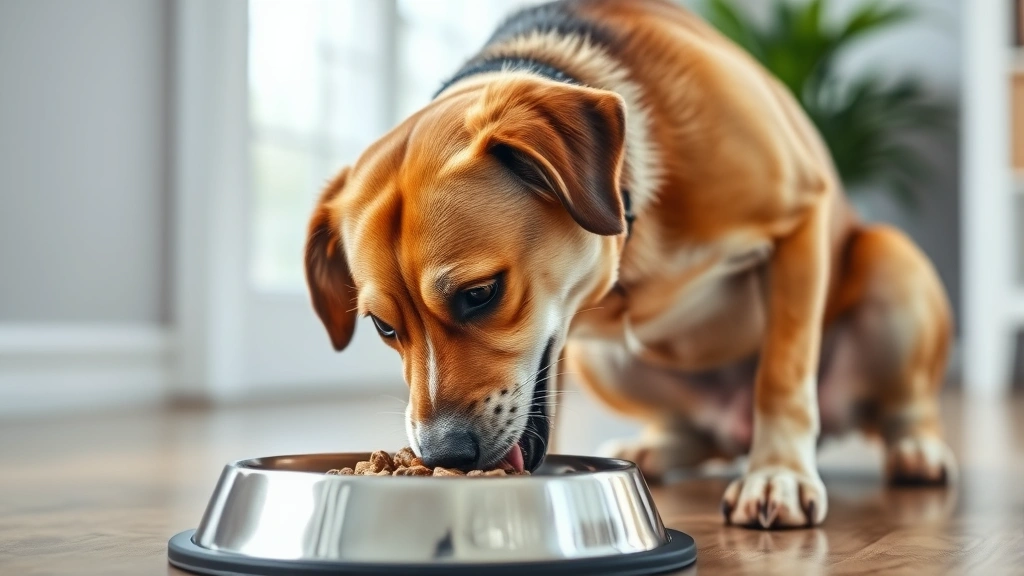
Mix the new food with the old food over 7-10 days, gradually increasing the ratio of new to old. This prevents digestive upset. Start with 25% new food, increase to 50% after 3 days, then 75%, and finally 100%. If your dog shows signs of digestive distress, slow down the transition.
Can I free-feed my dog?
Some dogs can handle free-feeding without overeating, but most can’t. If you’re struggling with portion control or your dog is overweight, scheduled feeding is a better option. Free-feeding also makes it harder to monitor appetite changes that might indicate illness.
How do I know if my dog is overweight?
You should be able to feel your dog’s ribs easily without pressing hard, and they should have a visible waist. If you can’t feel their ribs or they look barrel-shaped, they’re likely overweight. Your vet can provide a formal body condition score.
Do different dog breeds need different portion sizes?
Yes, absolutely. Large breed dogs have different nutritional needs than small breeds, and their growth rates are different. Giant breeds especially need carefully controlled portions to prevent joint problems. Always choose a food formulated for your dog’s size category.
Conclusion
Figuring out how much food should feed my dog isn’t rocket science, but it does require paying attention to your individual pup’s needs rather than following generic guidelines. Start with your dog food’s feeding recommendations and your vet’s professional assessment, then adjust based on your dog’s body condition, activity level, and overall health. Remember that treats count toward daily calories, scheduled feeding is usually better than free-feeding, and your vet is your best resource for personalized guidance. Every dog is unique, and what works for your neighbor’s dog might not work for yours. The bottom line? Feed your dog enough to maintain a healthy weight, monitor their condition regularly, and don’t hesitate to reach out to your veterinarian if you’re unsure. Your dog’s long-term health depends on getting this right.





