

So you’re wondering how much for DNA test for dogs? Buckle up, because the answer isn’t as straightforward as “just one price,” but don’t worry—we’re breaking it all down for you in this comprehensive 2024 guide.
Table of Contents
- The Price Range: What You’re Actually Looking At
- Popular Dog DNA Test Brands and Their Costs
- What Factors Affect the Price?
- Dog Breed Identification Tests vs. Health Screening Tests
- Is There a Hidden Cost Factor?
- How Accurate Are These Tests, Really?
- Should You Get Your Dog Tested Through a Vet?
- DNA Testing for Specific Health Concerns
- Comparing Value: Is It Worth the Money?
- Tips for Getting the Best Deal
- The Bottom Line on Cost
- Frequently Asked Questions
The Price Range: What You’re Actually Looking At
Dog DNA tests range anywhere from $60 to $300+, depending on what you’re testing for and which company you choose. The most popular breed identification tests hover around $80–$150, while comprehensive health screening kits can push toward $300 or beyond. Think of it like ordering a coffee—you can get a basic drip for $2 or a fancy cold brew for $8. Same caffeine, different experience.
The budget-friendly options (around $60–$100) typically give you breed composition and basic ancestry information. Mid-range tests ($100–$200) often include some health predisposition screening. Premium packages ($200–$300+) deliver the whole enchilada: breed breakdown, health risks, genetic traits, and sometimes even nutritional recommendations.
Popular Dog DNA Test Brands and Their Costs
Let’s talk specifics. Embark, one of the heavyweights in canine genetics, runs about $199 for their comprehensive breed and health test. Wisdom Panel offers several tiers—their basic breed test is around $85, while their premium health package hits closer to $250. Orivet prices their tests between $99–$249 depending on the package.
Budget brands like DNA My Dog and Genefy Biosciences come in under $100, making them solid choices if you’re just curious about your pup’s heritage without breaking the bank. These aren’t “cheap knockoffs”—they’re legitimate tests, just with fewer bells and whistles.
If your dog has specific health concerns, you might also explore breed-specific health testing through organizations like the Orthopedic Foundation for Animals (OFA), which can range from $50–$200 depending on what genetic conditions you’re screening for.
What Factors Affect the Price?
Several things influence why one test costs more than another. First, there’s the depth of genetic database—companies with larger breed reference libraries (we’re talking thousands of samples) charge more because they’ve invested heavily in accuracy. Embark boasts over 350 breeds in their database, which justifies their premium pricing.
Second, health screening comprehensiveness matters. A test that only identifies breed ancestry is cheaper than one screening for 200+ genetic health conditions. You’re paying for the science behind those predictions.
Third, customer support and reporting quality vary. Some companies offer detailed breed history reports, trait predictions, and even relative matching features (finding your dog’s DNA cousins). Others keep it simple. Fancy features mean higher costs.
Finally, turnaround time can affect pricing. Express results might cost extra, though most standard tests take 2–4 weeks anyway.
Dog Breed Identification Tests vs. Health Screening Tests
Here’s where things get nuanced. A basic canine breed identification test tells you what breeds make up your mixed pup—super helpful if you adopted a rescue and want to understand your dog’s heritage and potential temperament traits. These typically cost $60–$150.
Health screening tests go deeper, analyzing your dog’s DNA for predispositions to conditions like hip dysplasia, heart disease, and certain cancers. These are more expensive ($150–$300+) because the laboratory work is more intensive. If you have a specific breed prone to certain conditions, health screening might be worth the investment. Check out our guide on the costliest breeds of dogs to understand breed-specific health risks.
Some companies bundle both into comprehensive packages, which often provide better value than buying them separately.
Is There a Hidden Cost Factor?
Not really, but there are things to consider. Most test kits are one-time purchases—you swab, you send, you wait. No recurring fees. However, some premium services offer optional add-ons like telehealth pet nutrition consultations based on your dog’s genetic profile (around $100–$200 extra).
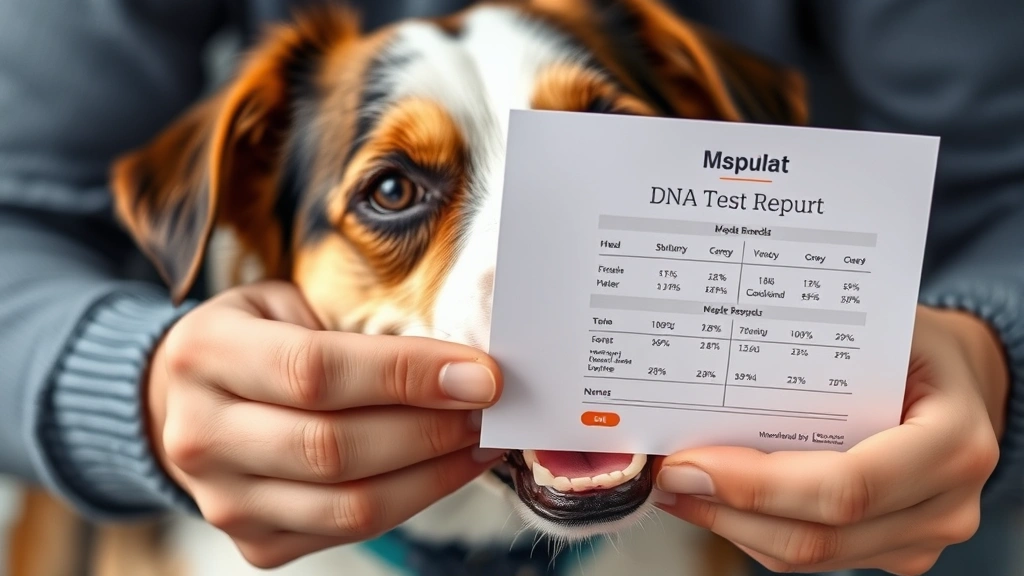
If your vet recommends follow-up testing or genetic counseling, that could add $100–$500 to your total investment. But that’s optional and typically only necessary if concerning health predispositions are discovered.
How Accurate Are These Tests, Really?
Pretty darn accurate for breed identification—modern tests are 95%+ accurate for breed composition. Health predisposition screening is also reliable, though it’s important to understand that a genetic predisposition doesn’t mean your dog will definitely develop that condition. It’s a risk factor, not a diagnosis.
The accuracy depends on the company’s database size and the specific condition being tested. Larger databases mean more accurate results. This is another reason why premium tests cost more—they’re built on more comprehensive genetic data.
Should You Get Your Dog Tested Through a Vet?
Veterinary DNA testing exists, and it can be pricier—often $200–$400—because you’re paying for the vet’s interpretation and integration into your dog’s medical records. That said, if your vet suspects genetic health issues, this route provides valuable professional context.
Many vets recommend at-home tests for basic breed identification and reserve veterinary genetic testing for specific health concerns. Some vets even partner with testing companies, sometimes offering discounts. It’s worth asking your vet if they have preferred testing partners or can recommend the best option for your pup’s situation.
DNA Testing for Specific Health Concerns
If your dog has existing health issues or you suspect genetic problems, targeted testing might be more cost-effective than comprehensive screening. For example, if your Golden Retriever shows signs of joint problems, you might focus on hip dysplasia and elbow dysplasia screening rather than paying for a full health panel.
These focused tests typically cost $75–$150 and can be more informative for your specific situation. This is where understanding food allergies in pets becomes relevant—some DNA tests include allergy predisposition screening, which could help explain why your pup struggles with certain foods.
Comparing Value: Is It Worth the Money?
Here’s the real talk: if you’re just curious about your rescue dog’s breed mix, a $80–$100 test is absolutely worth it. You’ll get fascinating insights that help you understand your pup’s personality, energy level, and potential health concerns.
If you’re a breeder or considering breeding your dog, comprehensive health screening ($200–$300) is practically essential—it’s responsible ownership and protects future puppies.
If you’re a casual pet owner without specific health concerns, a mid-range test ($100–$150) offers the best bang for your buck. You get breed info plus some health screening without overpaying for features you won’t use.
Check out our article on pet telehealth options if you want to discuss your dog’s DNA results with a veterinarian remotely—that can save you money on a vet visit while still getting professional guidance.
Tips for Getting the Best Deal
Watch for seasonal sales—Black Friday and Cyber Monday often bring 20–30% discounts on DNA test kits. Many companies run promotions around major holidays too.
Bundle deals sometimes offer better value. If you have multiple dogs, buying several tests together might net you a discount.
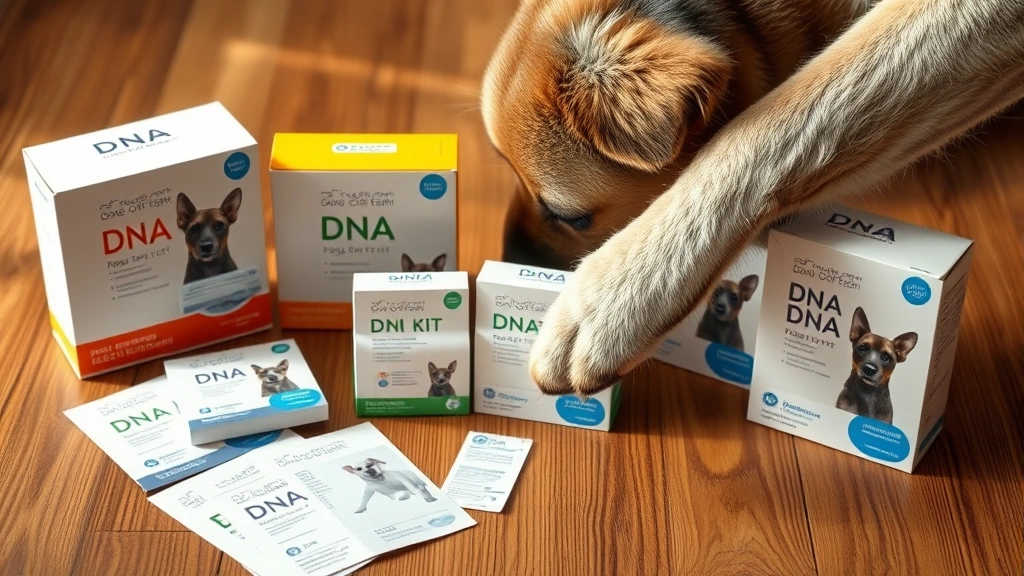
Check if your pet insurance or breed club offers testing discounts. Some do, and it can save you $20–$50.
Compare what’s included before buying. A cheaper test that doesn’t answer your specific questions isn’t a good deal. A pricier test that gives you exactly what you need is.
The Bottom Line on Cost
The answer to “how much for DNA test for dogs” really depends on your needs and budget. Basic breed identification runs $60–$100. Comprehensive testing (breed + health screening) costs $150–$300. Premium packages with extra features push toward $300+.
For most dog owners, investing $100–$150 in a solid mid-range test provides excellent value. You’ll learn about your dog’s ancestry, get health predisposition insights, and potentially discover traits that help you care for them better. That’s worth the investment for the peace of mind and knowledge alone.
Remember, DNA testing isn’t a substitute for regular vet checkups or professional medical advice. It’s a tool to complement your dog’s healthcare routine, not replace it. Use the results as a conversation starter with your vet, especially if concerning health predispositions pop up.
Frequently Asked Questions
How long does a dog DNA test take?
Most tests take 2–4 weeks from when the lab receives your sample. Some companies offer expedited processing for an extra fee, reducing turnaround to 1–2 weeks. The actual swabbing process takes about 30 seconds—the waiting is the hard part!
Can I do a dog DNA test at home?
Yes! Most popular tests are designed for home use. You order the kit, swab your dog’s cheek, mail it back in the prepaid envelope, and wait for results online. No vet visit required for basic testing.
Are dog DNA tests accurate for mixed breeds?
Very accurate for breed composition, typically 95%+ accurate. The larger the company’s breed database, the more accurate the results. Mixed breeds with unusual combinations might show less precise percentages, but overall breed identification is reliable.
What if my dog’s results show a health predisposition?
Don’t panic. A predisposition means increased risk, not a guarantee your dog will develop that condition. Discuss results with your vet, who can recommend preventive care, monitoring, or lifestyle adjustments. Many dogs with genetic predispositions live perfectly healthy lives.
Can I use dog DNA test results for breeding purposes?
Absolutely. In fact, responsible breeders use comprehensive health screening tests before breeding to avoid passing genetic conditions to puppies. This is one of the best uses for DNA testing and justifies the premium cost.
Do I need my vet’s permission to do a DNA test?
Nope! At-home DNA tests don’t require vet approval. However, your vet might have recommendations on which test to choose or how to interpret results. It’s always good to share results with your vet during regular checkups.





