
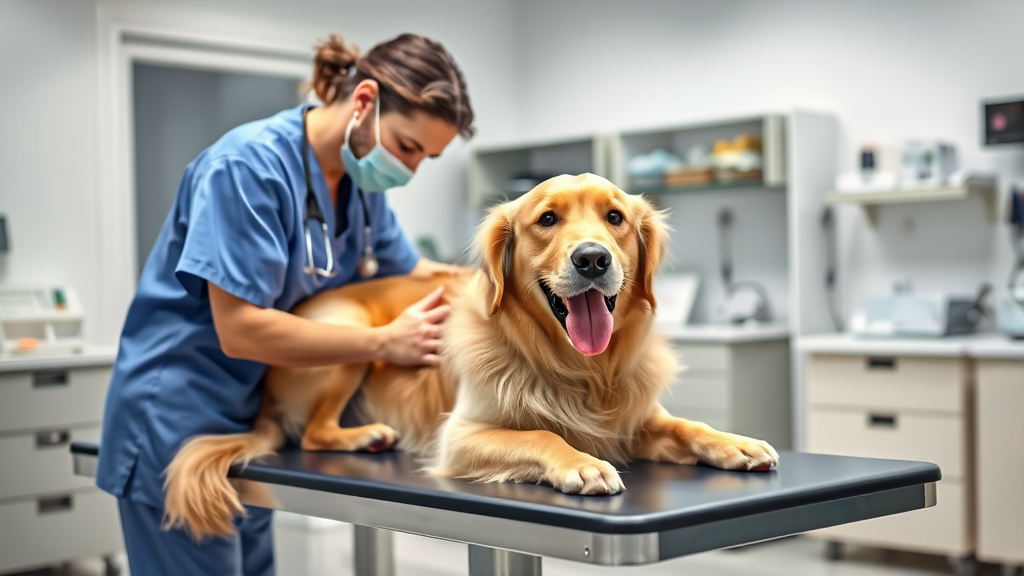
Spaying your female dog is one of the most important decisions you’ll make as a responsible pet owner. This routine surgical procedure, which involves removing the ovaries and uterus, prevents unwanted pregnancies and offers significant health benefits. Understanding the costs involved and proper post-operative care ensures your furry friend receives the best possible treatment.
The decision to spay your dog involves careful consideration of timing, financial planning, and preparation for recovery. From choosing the right veterinarian to managing post-surgery care, every aspect of the process requires attention to detail. This comprehensive guide will walk you through everything you need to know about spaying costs, preparation, and aftercare to help you make informed decisions for your beloved companion.
Understanding the Spaying Procedure
Spaying, medically known as ovariohysterectomy, is a surgical procedure that removes a female dog’s reproductive organs. The surgery eliminates the possibility of pregnancy and stops the heat cycle, which many pet owners find beneficial. The procedure is performed under general anesthesia and typically takes 30 to 90 minutes, depending on the dog’s size and the complexity of the surgery.
During the procedure, the veterinarian makes an incision in the abdomen to access and remove the ovaries and uterus. Modern surgical techniques have made this procedure routine and safe, with minimal complications when performed by experienced veterinarians. The incision is then closed with sutures or surgical staples, and your dog will need time to recover from the anesthesia.
The timing of spaying is crucial for optimal health benefits. Most veterinarians recommend spaying before the first heat cycle, typically between 4 to 6 months of age. However, the procedure can be safely performed at any age, though older dogs may require additional pre-surgical testing to ensure they’re healthy enough for anesthesia. Understanding do female dogs have periods can help you plan the timing appropriately.

Factors That Affect Spaying Costs
Several factors influence how much you’ll pay to spay your dog. The most significant factor is your dog’s size and weight. Larger dogs require more anesthesia, longer surgical time, and larger incisions, which increases the overall cost. Small dogs under 25 pounds typically cost less to spay than giant breeds weighing over 100 pounds.
Geographic location plays a major role in pricing variations. Urban areas with higher costs of living generally have more expensive veterinary services compared to rural locations. Coastal cities and metropolitan areas often charge premium rates, while smaller towns may offer more affordable options. The type of veterinary facility also affects pricing – specialty animal hospitals typically charge more than general practice clinics.
The complexity of your dog’s individual case can impact costs significantly. Dogs with underlying health conditions, obesity, or pregnancy require additional care and monitoring, increasing the overall expense. Pre-surgical blood work, which screens for health issues that could complicate surgery, is often recommended and adds to the total cost. Some veterinarians include this testing in their surgical packages, while others charge separately.
Additional services bundled with the spaying procedure can affect the final bill. Many clinics offer package deals that include pain medication, antibiotics, e-collar, and follow-up visits. While these packages may seem more expensive upfront, they often provide better value than purchasing each service separately. Some facilities also offer upgraded anesthetic monitoring or laser surgery options at additional cost.
Average Costs Across Different Locations
The cost to spay a dog varies significantly across the United States, with prices ranging from $200 to $800 for a standard procedure. In rural areas and smaller towns, you might find basic spaying services for $200 to $400, while urban areas typically charge $400 to $800 or more. High-end veterinary hospitals in major metropolitan areas may charge upward of $1,000, especially for larger breeds or complex cases.
Regional cost variations reflect local economic conditions and competition among veterinary providers. The Northeast and West Coast generally have the highest prices, with average costs ranging from $500 to $800. Southern and Midwest regions often offer more affordable options, with averages between $300 to $600. However, these are general trends, and individual clinic pricing can vary significantly within any region.
Low-cost spay and neuter clinics offer budget-friendly alternatives, typically charging $100 to $300 for the procedure. These facilities focus specifically on spay and neuter surgeries, allowing them to offer competitive pricing through high-volume operations. While they provide essential services at affordable rates, they may have limited availability and longer waiting lists. Similar to understanding how much is it to neuter a dog, researching local options helps find the best value.
Emergency or after-hours spaying procedures cost significantly more than routine scheduled surgeries. If your dog requires immediate spaying due to medical complications, expect to pay 50% to 100% more than standard rates. Planning ahead and scheduling during regular business hours helps avoid these premium charges while ensuring your dog receives proper care.
Preparing Your Dog for Surgery
Proper preparation ensures your dog’s safety and reduces the risk of complications during and after surgery. Your veterinarian will provide specific pre-surgical instructions, which typically include fasting requirements. Most dogs need to stop eating 12 hours before surgery and stop drinking water 2-4 hours before the procedure. This prevents vomiting during anesthesia, which could cause serious complications.
Pre-surgical health assessments help identify potential risks and ensure your dog is healthy enough for anesthesia. Blood work screens for kidney and liver function, blood clotting ability, and other health markers. While this testing adds to the overall cost, it’s essential for older dogs or those with health concerns. Young, healthy dogs may not require extensive testing, but basic screening is still recommended.
Creating a comfortable recovery environment at home is crucial for successful healing. Set up a quiet, confined space where your dog can rest without jumping or excessive activity. Remove toys, furniture, or obstacles that might encourage jumping or rough play. Stock up on any prescribed medications and ensure you understand proper dosing instructions. Just as important as understanding how much are dog vaccines, knowing medication costs helps budget for complete care.
Mental preparation for both you and your dog helps reduce stress on surgery day. Maintain normal routines leading up to the procedure, but avoid overly exciting activities. Some dogs benefit from practice wearing an e-collar before surgery to reduce post-operative stress. Arrange for transportation to and from the clinic, as your dog will be groggy from anesthesia and unable to walk normally immediately after surgery.

Post-Surgery Recovery and Care
The first 24 hours after surgery are critical for monitoring your dog’s recovery. Your dog will likely be drowsy and unsteady from anesthesia effects, which can last several hours. Provide a warm, quiet place for rest and limit activity to short walks for bathroom breaks only. Monitor the incision site for signs of excessive swelling, bleeding, or discharge, which could indicate complications requiring immediate veterinary attention.
Pain management is essential for comfortable recovery and proper healing. Most veterinarians prescribe pain medications to be given at home for several days post-surgery. Follow dosing instructions carefully and never give human pain medications, which can be toxic to dogs. Signs of pain include restlessness, panting, loss of appetite, or reluctance to move. Contact your veterinarian if pain seems excessive or uncontrolled.
Activity restriction prevents complications and promotes proper healing of the surgical site. Most dogs need 7-10 days of limited activity, meaning no running, jumping, or vigorous play. Short leash walks for elimination are acceptable, but avoid stairs, furniture jumping, or interaction with other pets that might cause rough play. Swimming and bathing should be avoided until the incision is fully healed and sutures are removed.
The e-collar, though uncomfortable, prevents your dog from licking or chewing the incision site. Most dogs need to wear the collar for 10-14 days until sutures are removed and healing is complete. Check the incision daily for signs of healing or problems. Normal healing shows slight redness and swelling that gradually decreases. Excessive swelling, discharge, or opening of the incision requires immediate veterinary attention.
Follow-up appointments ensure proper healing and address any concerns. Most veterinarians schedule a recheck 10-14 days after surgery to remove sutures and evaluate healing progress. Some clinics include this visit in the surgical cost, while others charge separately. Keeping follow-up appointments helps catch potential problems early and ensures your dog’s complete recovery.
Long-Term Health Benefits
Spaying provides numerous health benefits that extend far beyond preventing unwanted pregnancies. The most significant benefit is the dramatic reduction in mammary cancer risk, especially when performed before the first heat cycle. Dogs spayed before their first heat have less than 0.5% risk of developing mammary cancer, compared to 26% risk in intact females. This protection decreases with each heat cycle, but spaying at any age still provides some benefit.
Elimination of pyometra, a life-threatening uterine infection, is another major health advantage. This condition affects up to 25% of intact female dogs and requires emergency surgery that costs significantly more than routine spaying. Pyometra can be fatal if not treated promptly, making prevention through spaying a wise health investment. The condition typically affects older dogs, making early spaying even more valuable.
Spaying eliminates the risk of ovarian and uterine cancers entirely, as these organs are removed during surgery. While these cancers are less common than mammary cancer, they can be aggressive and difficult to treat when they occur. The peace of mind knowing your dog cannot develop these cancers is invaluable for many pet owners.
Behavioral benefits often accompany the health advantages of spaying. Spayed dogs don’t experience heat cycles, eliminating the mess and stress associated with this natural process. They’re also less likely to roam in search of mates, reducing the risk of injuries from fights or accidents. Some dogs show decreased aggression and territorial marking behaviors after spaying, though individual results vary.
Long-term cost savings from prevented health problems often exceed the initial spaying cost. Emergency treatment for pyometra can cost $2,000-$5,000, while mammary cancer treatment may require extensive surgery and chemotherapy. When considering these potential expenses alongside routine veterinary costs like how much is a rabies shot for a dog, spaying represents excellent preventive healthcare value.
Budget-Friendly Spaying Options
Low-cost spay and neuter clinics provide affordable options for pet owners on tight budgets. These specialized facilities focus exclusively on spay and neuter procedures, allowing them to offer competitive pricing through streamlined operations and high-volume services. Prices at these clinics typically range from $100-$300, significantly less than full-service veterinary hospitals. However, services may be more limited, and appointment availability can be restricted.
Many animal shelters and rescue organizations operate low-cost spay programs or partner with local veterinarians to provide discounted services. These programs often target specific income brackets or require proof of financial need. Some shelters offer voucher programs that provide significant discounts at participating veterinary clinics, making quality care accessible to more pet owners.
Mobile spay and neuter clinics bring affordable services directly to communities, eliminating transportation barriers and often offering competitive pricing. These units are fully equipped surgical facilities that travel to different locations on scheduled dates. While appointment slots may be limited, the convenience and cost savings make mobile clinics attractive options for many pet owners.
Veterinary schools with training programs sometimes offer discounted services performed by students under experienced supervision. These procedures may take longer than those performed by experienced veterinarians, but the quality of care remains high due to close supervision and teaching protocols. Contact local veterinary schools to inquire about student clinic availability and pricing.
Pet insurance can help offset spaying costs if purchased before the procedure. While routine spaying may not be covered by basic plans, complications or additional treatments related to surgery often are covered. Some insurance plans offer wellness packages that include spaying benefits. Similar to budgeting for other pet expenses like how much does it cost to microchip a dog, planning ahead helps manage veterinary expenses.
Payment plans and financing options make spaying more accessible when upfront costs are challenging. Many veterinary clinics offer payment plans that spread costs over several months. Third-party financing companies like CareCredit provide longer-term payment options with various interest rates and terms. Planning ahead and exploring these options ensures financial constraints don’t delay important healthcare decisions.
Frequently Asked Questions
How much does it typically cost to spay a dog?
The cost to spay a dog varies significantly based on location, dog size, and clinic type. Generally, expect to pay between $200-$800 for the procedure. Rural areas and low-cost clinics may charge $100-$300, while urban full-service hospitals may charge $500-$1,000 or more. Larger dogs typically cost more to spay than smaller breeds due to increased anesthesia requirements and surgical complexity. Additional services like pre-surgical blood work, pain medication, and follow-up visits can add $100-$300 to the total cost.
What is the best age to spay my dog?
Most veterinarians recommend spaying between 4-6 months of age, before the first heat cycle, to maximize health benefits. Spaying before the first heat nearly eliminates mammary cancer risk and prevents unwanted pregnancies. However, dogs can be safely spayed at any age, though older dogs may require additional pre-surgical testing. Recent research suggests waiting until 12-18 months for large breed dogs to allow proper bone development, so discuss timing with your veterinarian based on your dog’s breed and individual circumstances.
How long does recovery take after spaying?
Most dogs recover from spaying within 10-14 days, though full healing may take 3-4 weeks. The first 24-48 hours require the most careful monitoring as anesthesia effects wear off. Activity should be restricted for 7-10 days to prevent complications, meaning no running, jumping, or vigorous play. Sutures are typically removed 10-14 days post-surgery. Your dog should gradually return to normal activity levels as healing progresses, but always follow your veterinarian’s specific recovery instructions.
Are there risks associated with spaying surgery?
Spaying is considered a routine procedure with low complication rates when performed by experienced veterinarians. Common risks include anesthesia reactions, bleeding, infection, and wound healing problems. Serious complications occur in less than 1% of cases. Risk factors include age, obesity, underlying health conditions, and poor pre-surgical preparation. Following pre-surgical fasting instructions, post-operative care guidelines, and attending follow-up appointments significantly reduces complication risks. The American Veterinary Medical Association provides detailed information about surgical risks and benefits.
Can I bathe my dog after spaying surgery?
Avoid bathing your dog for at least 10-14 days after spaying surgery, or until sutures are removed and your veterinarian confirms the incision has healed properly. Water can introduce bacteria to the surgical site and increase infection risk. The incision area must stay clean and dry during initial healing. If your dog gets dirty, use pet-safe wipes to clean areas away from the incision. Once cleared by your veterinarian, gradually resume normal bathing routines while monitoring the healed incision site for any irritation.
Will my dog’s personality change after spaying?
Spaying may cause subtle behavioral changes, but your dog’s basic personality will remain the same. Many dogs become calmer and less likely to roam, as they’re no longer driven by reproductive hormones. Some dogs show decreased territorial marking and reduced aggression toward other females. However, energy levels, playfulness, and attachment to family members typically remain unchanged. Training, socialization, and individual temperament have much greater influence on personality than spaying status. Any behavioral changes usually stabilize within a few weeks after surgery.
What should I do if my dog’s incision looks infected?
Contact your veterinarian immediately if you notice signs of infection, including excessive swelling, foul-smelling discharge, increasing redness, heat around the incision, or if the incision opens. Other warning signs include lethargy, loss of appetite, vomiting, or fever. Early intervention prevents minor issues from becoming serious complications. Take photos of concerning changes to show your veterinarian if an immediate visit isn’t possible. Never apply human medications or ointments to the incision without veterinary approval, as these can interfere with healing or cause additional problems.
For additional resources about pet care costs and planning, consider exploring information about how much does it cost to board a dog or how much does it cost to cremate a dog to help budget for your pet’s lifetime care needs. Understanding all potential expenses helps you make informed decisions about your dog’s health and wellbeing throughout their life.





