

Figuring out how much kibble to feed dog is one of those questions that keeps pet parents up at night—right alongside “Why does my dog eat grass?” and “Is that normal?” The truth is, there’s no one-size-fits-all answer, but we’re about to break it down so thoroughly that you’ll feel like a canine nutritionist by the end of this article.
Table of Contents
- Understanding Your Dog’s Daily Caloric Needs
- Reading the Kibble Bag: Your New Best Friend
- The Two-Meal Method: Why It Works
- Body Condition Scoring: The Real Test
- Adjusting for Age: Puppies vs. Seniors
- Activity Level: The Game Changer
- Health Conditions and Special Dietary Needs
- The Measurement Tool Matters More Than You Think
- Treats and Table Scraps: The Hidden Calorie Culprits
- Monitoring and Adjustment: The Ongoing Process
- Kibble Quality and Caloric Density
- Frequently Asked Questions
- Conclusion: You’ve Got This
Understanding Your Dog’s Daily Caloric Needs
Before you start scooping kibble into that bowl, you need to understand that every dog is unique. A 5-pound Chihuahua has wildly different nutritional requirements than a 100-pound Labrador. Your dog’s age, activity level, metabolism, and overall health all play crucial roles in determining the right portion size.
Most adult dogs need approximately 25-30 calories per pound of body weight per day, though this can vary significantly. A couch potato dog might need closer to 20 calories per pound, while an athletic, high-energy pup might need 35-40. This is where things get interesting—and where many dog owners start guessing.
Reading the Kibble Bag: Your New Best Friend
Here’s something that might blow your mind: the feeding guide on your kibble bag actually exists for a reason. I know, shocking. Most quality dog food brands provide feeding recommendations based on your dog’s weight. These guidelines are typically found on the back of the bag and are calculated by the manufacturer based on the caloric content of that specific formula.
The problem? These recommendations are often overly generous. Pet food companies have a vested interest in you buying more food, so take those numbers as a starting point, not gospel. It’s like when a recipe says “serves 4” but you know it really serves 2 if you’re being honest.
The Two-Meal Method: Why It Works
Most veterinarians recommend splitting your dog’s daily kibble intake into two meals rather than one massive feeding. This approach has several benefits: it keeps your dog’s metabolism steady, prevents bloat (especially important for deep-chested breeds), and helps with digestion. Plus, your dog gets two exciting moments in their day instead of one, which is basically a win for everyone.
If your dog needs 2 cups of kibble daily, you’d feed 1 cup in the morning and 1 cup in the evening. Simple math, but it makes a huge difference in your dog’s overall health and happiness. Check out our guide on pet diet transition advice if you’re switching your dog to a new kibble brand.
Body Condition Scoring: The Real Test
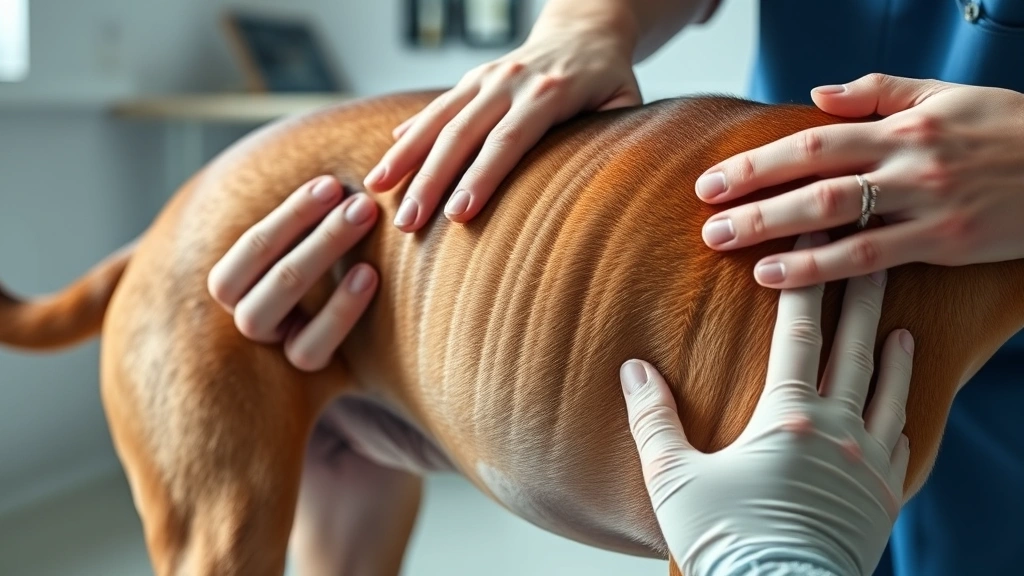
Forget the scale for a moment. The most reliable way to determine if you’re feeding the right amount of kibble is through body condition scoring. Run your hands along your dog’s ribcage. You should be able to feel their ribs easily without pressing hard, but you shouldn’t see them protruding dramatically. Your dog should have a visible waist when viewed from above.
If your dog looks like a furry barrel with legs, you’re feeding too much kibble. If you can see every rib and your dog looks gaunt, you need to increase portions. This visual and tactile assessment is far more accurate than any feeding chart, and it accounts for your individual dog’s unique metabolism.
Adjusting for Age: Puppies vs. Seniors
Puppies are little eating machines with sky-high caloric needs. A growing pup might need up to twice the calories per pound of body weight compared to an adult dog. Large breed puppies especially need careful monitoring—overfeeding can lead to joint problems and developmental issues.
Senior dogs, on the other hand, typically need fewer calories as their metabolism slows. An older dog might need 10-15% fewer calories than their younger counterparts, though this varies based on their activity level and health status. Some senior dogs benefit from higher protein content to maintain muscle mass, even if overall portions decrease.
Activity Level: The Game Changer
A Border Collie working on a farm needs dramatically different kibble portions than a Border Collie living in an apartment who gets two 15-minute walks daily. Activity level is one of the biggest factors in determining proper portions, and it’s something many dog owners overlook.
High-energy dogs—those getting 60+ minutes of vigorous exercise daily—might need 20-30% more calories than their sedentary counterparts. Conversely, if your dog’s idea of exercise is moving from the couch to the food bowl, you’ll need to adjust portions downward. This is where you really need to be honest about your dog’s actual activity level, not what you wish it was.
Health Conditions and Special Dietary Needs
Dogs with certain health conditions might require specific portion adjustments. A dog with diabetes might need carefully controlled portions and specific kibble formulas. Dogs prone to obesity need stricter portion control. If your dog has food sensitivities or food allergies in pets, you might be using a specialized kibble that has different caloric density.
Always work with your veterinarian when your dog has health concerns. They can provide specific recommendations based on your dog’s individual situation and medical history. This isn’t a place for guesswork or internet advice—well, except for the general guidance we’re giving you here.
The Measurement Tool Matters More Than You Think
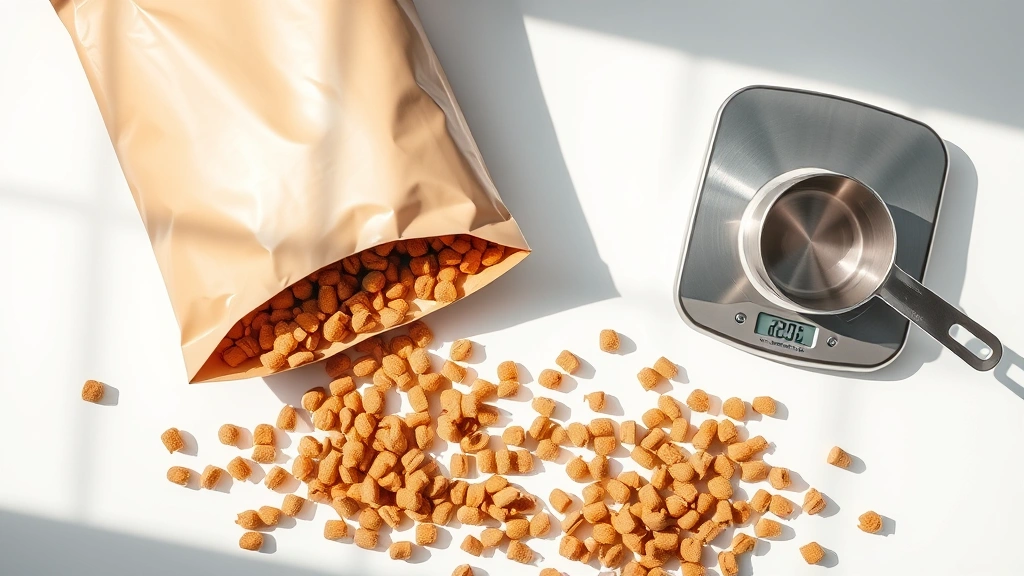
Using a proper measuring cup is crucial. Those kitchen measuring cups you use for baking? Perfect. That random container you’ve been using? Not so much. Kibble can be compressed differently depending on how you scoop it, so consistency matters.
Pro tip: use the same measuring cup every single time, and fill it the same way each time. This removes variables and makes it easier to adjust portions if needed. If you’re using 1.5 cups in the morning and your dog is gaining weight, you can confidently reduce it to 1.25 cups knowing exactly what that adjustment means.
Treats and Table Scraps: The Hidden Calorie Culprits
Here’s where many dog owners accidentally overfeed: treats and human food. Those “little” training treats, the piece of cheese, the bite of your sandwich—they add up fast. Treats should comprise no more than 10% of your dog’s daily caloric intake, which means if your dog needs 1,000 calories, treats should account for only 100 of those calories.
If you’re a generous treat-giver (and let’s be honest, most of us are), you need to factor that into your kibble portions. Check out our guide on human food portion sizes for pets to understand how those scraps impact your dog’s diet. Or better yet, use kibble pieces as training treats—they count toward your dog’s daily intake and serve double duty.
Monitoring and Adjustment: The Ongoing Process
Determining the right kibble portion isn’t a one-time thing. Your dog’s needs change as they age, as seasons change, and as their activity level fluctuates. What works perfectly in summer might need adjustment in winter when your dog is less active. A dog recovering from surgery needs different portions than a healthy, active dog.
Check your dog’s body condition monthly. Take photos from the side and above to track changes. Weigh your dog every 3-6 months. If you notice gradual weight gain or loss, adjust portions by 10-15% and reassess after 4-6 weeks. This methodical approach ensures your dog maintains optimal health throughout their life.
Kibble Quality and Caloric Density
Not all kibble is created equal. Premium, high-quality kibbles are often more nutrient-dense and calorie-dense than budget brands. This means you might need to feed less of a premium kibble to meet your dog’s nutritional needs. A high-quality kibble with real meat as the first ingredient and minimal fillers will satisfy your dog longer than a lower-quality option.
When comparing kibbles, check the caloric content listed on the bag. It’s usually expressed as calories per cup. A premium kibble might have 400 calories per cup while a budget brand has 350. This difference means you’d feed less of the premium option, potentially saving money despite the higher upfront cost.
Frequently Asked Questions
How do I know if I’m feeding my dog too much kibble?
The easiest signs are weight gain, difficulty feeling ribs, and loss of waist definition when viewed from above. Your dog might also seem sluggish or have digestive issues. If you notice any of these signs, reduce portions by 10-15% and reassess after 4-6 weeks.
Can I free-feed kibble to my dog?
Free-feeding (leaving kibble out all day) works for some dogs but not others. It’s difficult to monitor intake and adjust for treats or health changes. Most veterinarians recommend scheduled meals, especially if your dog tends toward weight gain or has any health conditions.
Should I adjust kibble portions for seasonal changes?
Yes, absolutely. Dogs are typically less active in winter and more active in summer. You might need to reduce portions by 10-15% during winter months and increase them slightly during more active seasons. Monitor your dog’s body condition and adjust accordingly.
What if my dog seems hungry after meals?
Hunger and boredom often look the same. Make sure your dog is getting adequate exercise and mental stimulation. If they’re still seemingly hungry after portions that match their caloric needs, try feeding lower-calorie vegetables like green beans or carrots as fillers, or consult your vet about possible underlying issues.
How does kibble compare to other dog food types in terms of portions?
Kibble is calorie-dense and shelf-stable, making portions straightforward. Wet food has higher moisture content, so you’d feed more volume but similar calories. Raw diets require different calculations entirely. Stick with what your vet recommends for your individual dog.
Is there a difference in portions for male vs. female dogs?
Generally, no significant difference beyond what’s explained by body weight and activity level. However, spayed females tend to have slower metabolisms and may need 10-15% fewer calories than intact females or males of the same weight.
Conclusion: You’ve Got This
Determining how much kibble to feed dog isn’t rocket science, but it does require attention and adjustment. Start with the manufacturer’s guidelines, adjust based on your dog’s body condition, factor in treats and activity level, and monitor regularly. Your dog’s ideal portion size is as individual as they are.
Remember: the goal isn’t just to feed your dog, it’s to keep them at a healthy weight throughout their life. A lean dog is a healthy dog, and healthy dogs live longer, happier lives. By taking the time to get portions right, you’re investing in years of tail wags, zoomies, and cuddles with your furry best friend.
When in doubt, consult your veterinarian. They know your dog’s health history and can provide personalized recommendations. And if you’re interested in supplementing kibble with whole foods, check out our resources on high fiber human foods for pets and low fat human food options for safe additions to your dog’s diet.





