
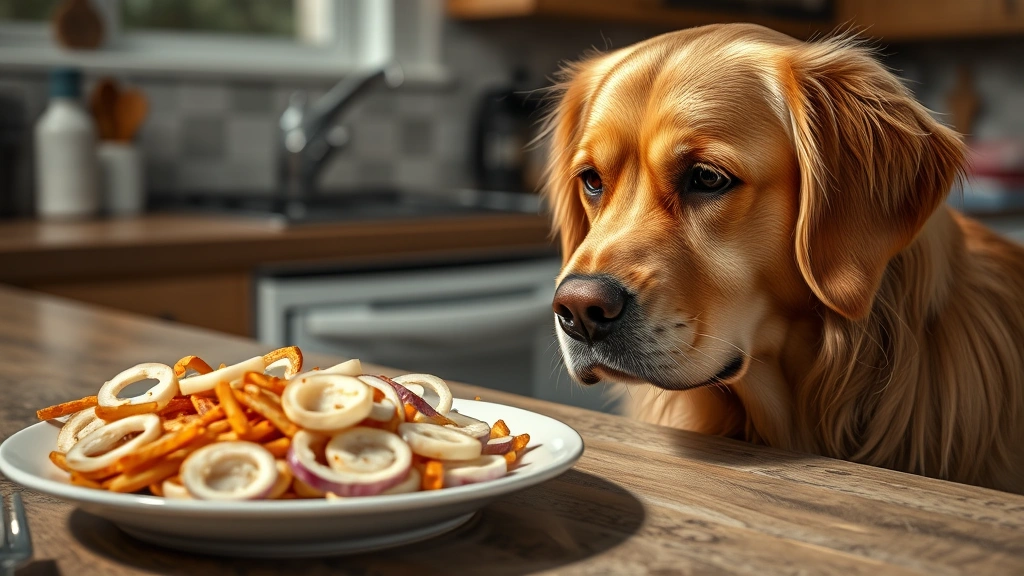
If you’re wondering how much onion is toxic to dogs, the answer is simple: any amount can be dangerous. Even small quantities of onions—whether raw, cooked, powdered, or dehydrated—contain compounds that can harm your furry friend’s health. As a pet parent, understanding this toxicity threshold is crucial for keeping your dog safe from accidental poisoning.
Table of Contents
- Why Onions Are Dangerous for Dogs
- Understanding Toxic Dosage: The Onion Poisoning Threshold
- Signs Your Dog Has Eaten Onions (Symptoms of Onion Toxicity)
- Onion Forms: Which Types Are Most Dangerous?
- Which Dog Breeds Are Most Vulnerable?
- What About Garlic and Other Allium Plants?
- Steps to Take If Your Dog Eats Onions
- Preventing Accidental Onion Exposure
- Safe Alternatives to Onion-Flavored Foods
- The Recovery Process: What to Expect
- Frequently Asked Questions
- Summary: Keeping Your Dog Safe From Onion Toxicity
Why Onions Are Dangerous for Dogs
Onions belong to the allium family, which also includes garlic, leeks, and chives. These plants contain sulfur compounds called thiosulfates that damage dogs’ red blood cells. When your dog ingests onions, these compounds oxidize hemoglobin in the red blood cells, creating Heinz bodies—abnormal structures that cause the cells to break down prematurely. This process leads to hemolytic anemia, a serious condition where the body can’t maintain enough healthy red blood cells.
The tricky part? Dogs metabolize these toxins differently than humans do. What’s safe for us at dinner can spell trouble for Fido under the table. Learn more about onion toxicity in pets to understand the science behind this dangerous food.
Understanding Toxic Dosage: The Onion Poisoning Threshold
Research shows that onion toxicity in dogs typically occurs at doses of 0.5% of body weight or higher. For a 20-pound dog, this translates to roughly 3-4 ounces of onion. However—and this is important—toxicity can begin at lower doses, especially with repeated exposure. Some dogs show symptoms after consuming just 1 ounce of onion, while others might need more. Individual sensitivity varies based on breed, age, and overall health.
The scary reality? You don’t need to feed your dog a whole onion to cause harm. A few pieces from your dinner plate, some onion powder in processed treats, or a spoonful of onion-laden sauce can accumulate in their system. Cooked onions are just as toxic as raw ones—cooking doesn’t break down the harmful thiosulfates.

Signs Your Dog Has Eaten Onions (Symptoms of Onion Toxicity)
Symptoms of onion poisoning don’t always appear immediately. Some dogs show signs within hours, while others take days to develop noticeable problems. Watch for these red flags:
- Weakness and lethargy – Your normally energetic pup suddenly seems exhausted
- Vomiting and diarrhea – Gastrointestinal distress is often the first sign
- Pale gums and mucous membranes – Indicates reduced red blood cells
- Reduced appetite – Your dog ignores their favorite meals
- Abdominal pain – Whining, restlessness, or reluctance to move
- Rapid or labored breathing – The body compensates for oxygen loss
- Discolored urine – May appear brownish or dark red
- Jaundice – Yellowing of eyes, gums, and skin (in severe cases)
If you notice any of these symptoms after your dog has accessed onions, contact your vet immediately. Learn when to seek emergency veterinary care for food poisoning.
Onion Forms: Which Types Are Most Dangerous?
Not all onion forms pose equal risk, but all are toxic. Here’s the breakdown:
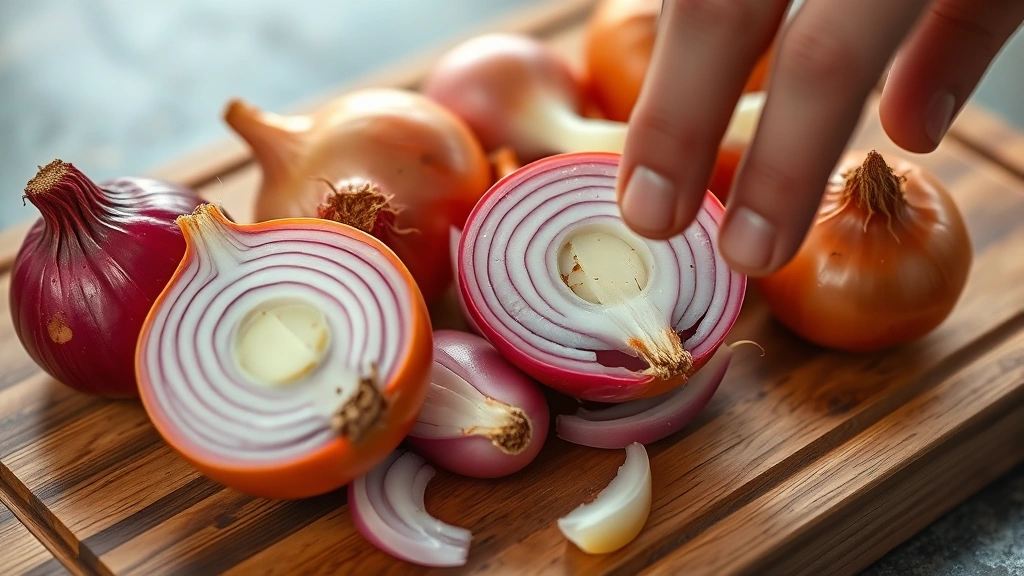
Raw Onions: These contain the highest concentration of thiosulfates. A dog eating raw onion slices faces immediate toxin exposure.

Cooked Onions: Cooking reduces water content, concentrating the toxins. A cooked onion is actually more dangerous per ounce than a raw one.
Onion Powder: This is the most concentrated form. Just 1 teaspoon of onion powder can contain the equivalent toxins of several whole onions. Check ingredient labels on dog treats and commercial foods—onion powder sneaks into many products.
Dehydrated Onions: Similar to powder, dehydration concentrates the harmful compounds. These appear in some commercial dog treats and human food mixes.
Onion Juice: Even the liquid from cooked onions contains thiosulfates. Broth, gravy, or sauce with onion is toxic.
Which Dog Breeds Are Most Vulnerable?
Certain breeds show heightened susceptibility to onion toxicity. Japanese breeds—particularly Akitas and Shiba Inus—seem predisposed to hemolytic anemia from allium exposure. Older dogs and puppies also face greater risk due to less developed or declining immune systems. Dogs with existing anemia, heart disease, or respiratory problems are more vulnerable to severe complications.
Age matters too. Senior dogs and very young puppies metabolize toxins less efficiently, making them more susceptible to poisoning at lower doses.
What About Garlic and Other Allium Plants?
While our focus is on onions, the allium family includes other dangerous plants. Garlic is even more toxic than onions—it’s 5 times more potent by weight. Leeks, chives, and shallots carry similar risks. Explore a comprehensive guide on what not to feed your dog to understand all dangerous foods.
Steps to Take If Your Dog Eats Onions
Panic won’t help, but quick action will. Here’s what to do:

- Determine the amount and type: How much onion did your dog eat? Was it raw, cooked, or powdered? When did it happen? Gather this information before calling your vet.
- Contact your veterinarian or poison control: Call immediately, even if your dog seems fine. The ASPCA Animal Poison Control Center (888-426-4435) provides 24/7 guidance. Don’t wait for symptoms to appear.
- Don’t induce vomiting without guidance: While vomiting might seem helpful, inducing it incorrectly can cause additional harm. Your vet will advise whether it’s appropriate.
- Provide activated charcoal if directed: Your vet may recommend this to bind toxins in the stomach.
- Monitor closely for 72 hours: Symptoms can develop slowly. Watch for any changes in behavior, appetite, or bathroom habits.
- Follow-up veterinary care: Your vet may recommend blood work to check red blood cell counts and liver function.
Time is critical. The sooner you seek help, the better the prognosis. Early intervention can prevent serious complications.
Preventing Accidental Onion Exposure
The best treatment is prevention. Keep onions—in all forms—completely away from your dog:
- Store onions securely: Keep them in closed cabinets or drawers your dog can’t access
- Never share human food: That pizza with onions, pasta sauce, or soup broth is off-limits
- Check commercial dog treats: Read ingredient labels carefully. Onion powder hides in many products
- Watch restaurant food: Many dishes contain onions or onion powder. Never feed your dog table scraps from restaurants
- Train family members: Ensure everyone—especially kids—understands that onions are toxic to dogs
- Educate visitors: Guests might not realize they’re feeding your dog something dangerous
- Compost carefully: Don’t let your dog access compost bins containing onion scraps
Discover safe human foods you can share with your dog instead.
Safe Alternatives to Onion-Flavored Foods
Your dog doesn’t need onions to enjoy flavorful meals. Plenty of safe alternatives exist:
- Carrots: Crunchy, naturally sweet, and excellent for teeth
- Sweet potatoes: Nutrient-dense and delicious
- Apples (without seeds): Refreshing and hydrating
- Pumpkin: Great for digestion and taste
- Green beans: Low-calorie veggie dogs love
- Blueberries: Antioxidant-rich treats
These alternatives provide nutrition without the toxicity risk. Learn about safe human foods for dogs with food allergies to expand your options further.
The Recovery Process: What to Expect
If your dog has consumed onions and received prompt veterinary care, recovery is possible. The timeline depends on the amount ingested and how quickly treatment began:
Mild cases: Dogs may recover within 1-2 weeks with supportive care and monitoring.
Moderate cases: Recovery can take 2-4 weeks, potentially requiring hospitalization, IV fluids, and blood transfusions.

Severe cases: These require intensive care and may result in long-term complications or, in worst-case scenarios, fatal outcomes.
Your vet will likely recommend rest, a bland diet, and follow-up blood work to ensure red blood cell counts normalize. Some dogs develop chronic sensitivity to certain foods after onion poisoning, so discuss dietary adjustments with your veterinarian.
Frequently Asked Questions
Can a small amount of onion hurt my dog?
Yes. While larger amounts pose greater risk, even small quantities of onion can accumulate in your dog’s system and cause toxicity. There’s no truly “safe” amount. If your dog ate a small piece, monitor closely and contact your vet.
Is cooked onion safer than raw onion for dogs?
No. Cooked onions are actually more concentrated in toxins than raw ones because cooking removes water, leaving harmful compounds more potent. Both are equally dangerous and should be avoided completely.

What if my dog ate onion powder from a treat?
Onion powder is highly concentrated. Contact your vet or poison control immediately. Even a small amount can cause toxicity. Don’t wait for symptoms to appear.
How long does onion toxicity take to show symptoms?
Symptoms can appear within hours or take several days to develop. Some dogs show immediate gastrointestinal distress, while others develop anemia symptoms more slowly. This unpredictability is why veterinary care is crucial.
Can my dog recover from onion poisoning?
Yes, if treated promptly. Early intervention dramatically improves outcomes. Dogs receiving quick veterinary care have good recovery rates, though severe cases may result in complications or death.
Are all dog breeds equally susceptible to onion toxicity?
No. Japanese breeds like Akitas and Shiba Inus show heightened vulnerability. Older dogs and puppies are also at greater risk. However, all dogs can be poisoned by onions—breed and age only affect the severity threshold.
What should I do if my dog ate onions but seems fine?
Don’t assume everything is okay. Call your vet or poison control immediately. Symptoms may not appear for days. Early intervention prevents serious complications. Learn more about pet food safety protocols.
Summary: Keeping Your Dog Safe From Onion Toxicity
How much onion is toxic to dogs? The answer remains: any amount is potentially dangerous. While toxicity typically manifests at 0.5% of body weight or higher, individual dogs show varying sensitivity. Some may develop symptoms from smaller amounts, especially with repeated exposure or if they belong to vulnerable breeds.
The key takeaway? Prevention is paramount. Keep all forms of onions—raw, cooked, powdered, or dehydrated—completely away from your dog. Check commercial pet food labels for hidden onion powder. Never share human food without verifying it’s onion-free. Train your family and educate visitors about this toxicity.
If your dog accidentally consumes onions, don’t panic. Contact your veterinarian or the ASPCA Animal Poison Control Center immediately. Early intervention can mean the difference between a full recovery and serious complications. Monitor your dog closely for 72 hours, watching for weakness, vomiting, pale gums, or discolored urine.
Your dog depends on you to keep them safe. By understanding onion toxicity and taking preventive measures, you’re protecting one of your family’s most beloved members from unnecessary harm. When in doubt, ask your vet—they’re your best resource for keeping your pup healthy and happy.





