
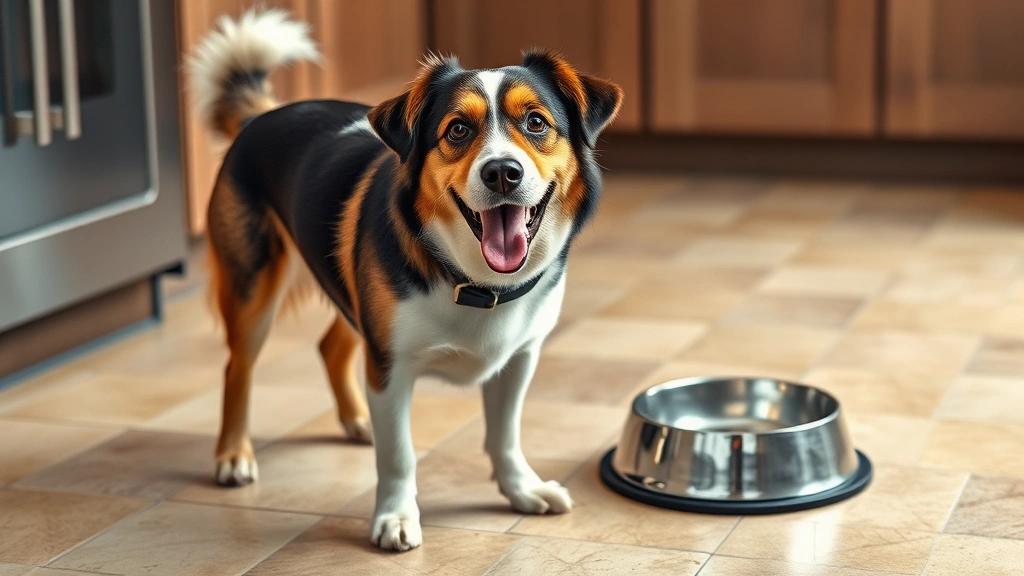
Figuring out how much to feed a dog per day chart requirements can feel like you’re decoding ancient hieroglyphics, but it doesn’t have to be that complicated. Your furry best friend’s nutritional needs are actually pretty straightforward once you understand the basics—and trust me, getting it right makes a huge difference in their health, energy levels, and overall happiness.
Table of Contents
- Why Feeding Your Dog the Right Amount Matters
- Understanding Your Dog’s Caloric Needs
- The Basic Dog Feeding Chart by Weight
- Age-Specific Feeding Guidelines
- Activity Level and Caloric Adjustments
- Reading Dog Food Labels Like a Pro
- Special Dietary Considerations and Restrictions
- Monitoring Your Dog’s Body Condition
- Treating and Weight Management Strategies
- Transitioning to a New Food or Portion Size
- Common Feeding Mistakes to Avoid
- When to Consult Your Veterinarian
- Frequently Asked Questions
- Summary: Getting Your Dog’s Nutrition Right
Why Feeding Your Dog the Right Amount Matters
Here’s the thing: overfeeding your pup is one of the easiest ways to turn them into a chubby couch potato, while underfeeding can leave them malnourished and cranky. The right portion size keeps your dog at a healthy weight, maintains their shiny coat, supports their immune system, and helps them live longer. It’s not just about filling their bowl—it’s about giving them the fuel they need to be their best selves.
When you follow a proper dog feeding portion guide, you’re essentially creating a roadmap for your dog’s health. Dogs can’t tell us when they’re getting too much or too little, so we have to be their nutritional guardians.
Understanding Your Dog’s Caloric Needs
Every dog is unique, kind of like snowflakes but fluffier and with better personalities. The number of calories your dog needs depends on several factors: their weight, age, activity level, metabolism, and overall health status. A young, hyperactive Border Collie needs way more calories than a senior Chihuahua lounging on a cushion all day.
Generally speaking, adult dogs need about 25-30 calories per pound of body weight daily, but this can vary. A 50-pound dog might need anywhere from 1,250 to 1,500 calories per day, depending on how active they are. Your vet can give you a more precise number based on your specific pup’s needs.
The Basic Dog Feeding Chart by Weight
Let’s break down a general feeding chart based on your dog’s weight. Remember, this is a starting point—you’ll need to adjust based on your individual dog’s response and your vet’s recommendations.
Small Dogs (5-15 lbs): ½ to 1 cup per day, split into two meals
Medium Dogs (15-30 lbs): 1 to 1.5 cups per day, split into two meals
Large Dogs (30-60 lbs): 1.5 to 2.5 cups per day, split into two meals
Giant Dogs (60+ lbs): 2.5 to 4+ cups per day, split into two meals
These amounts assume you’re feeding a standard commercial dog food with about 350-400 calories per cup. Always check your specific food’s calorie content on the bag—premium foods are often more calorie-dense, so you’ll need less.
Age-Specific Feeding Guidelines
Your dog’s age dramatically changes their nutritional requirements. Puppies are basically tiny furry athletes in training, burning calories like they’re going out of style. Senior dogs, on the other hand, often need fewer calories but more quality nutrition.
Puppies typically need about twice the calories of adult dogs because they’re growing like weeds. A growing pup might need 3-4 meals per day until they’re about 6 months old. The American Kennel Club provides detailed puppy feeding guidelines based on breed size.
Adult Dogs (1-7 years) are at their peak and usually do well with two meals per day. This helps maintain steady energy and digestion throughout the day.
Senior Dogs (7+ years) often need about 25% fewer calories than younger adults, but they benefit from higher-quality protein to maintain muscle mass. Some seniors also do better with three smaller meals instead of two larger ones.
Activity Level and Caloric Adjustments
A couch potato Basset Hound needs way fewer calories than an agility champion Border Collie. If your dog is highly active—running, playing fetch, doing dog sports—they might need 20-40% more calories than the baseline recommendations.
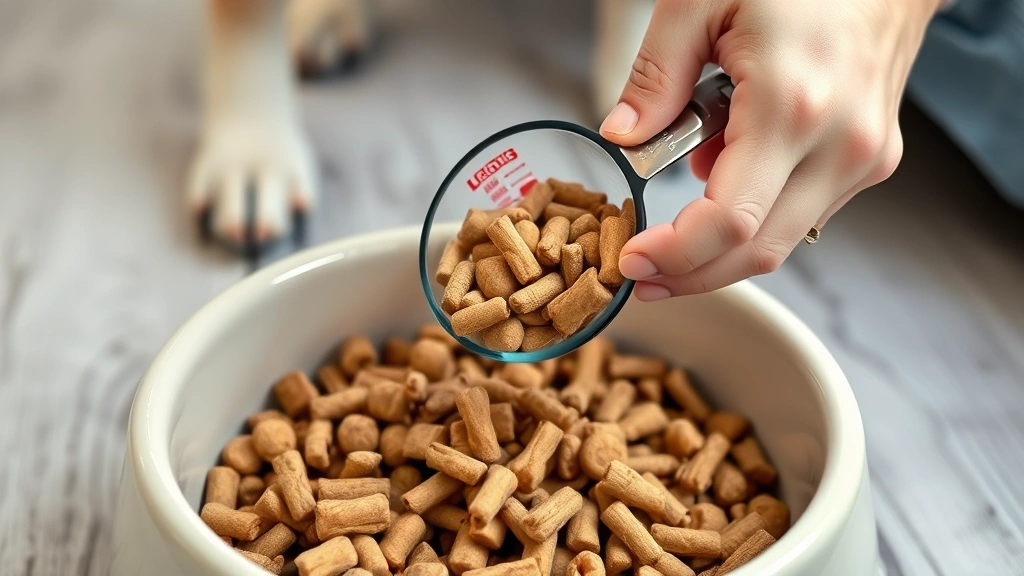
Conversely, if your pup is more sedentary or dealing with weight issues, you might need to reduce portions by 10-20%. This is where consulting with your vet becomes crucial. They can help you dial in the exact amount for your dog’s lifestyle.
Reading Dog Food Labels Like a Pro
Dog food labels can be confusing, but they’re actually packed with useful information. Look for the guaranteed analysis section, which tells you the percentage of protein, fat, and fiber. Most quality adult dog foods have at least 18% protein and 5% fat.
More importantly, check the feeding guide on the back of the bag. It usually has a chart based on your dog’s weight, but remember—these are often generous recommendations because manufacturers want you to use more food. Start at the lower end of their recommendation and adjust based on your dog’s body condition.
PetMD’s nutrition section offers detailed explanations of dog food labels and nutritional requirements. It’s worth spending a few minutes understanding what you’re actually feeding your pup.
Special Dietary Considerations and Restrictions
Some dogs need special attention when it comes to feeding. If your dog has food allergies in pets, you’ll need to be extra careful about portions and ingredients. Dogs with certain health conditions might need prescription diets with specific calorie counts.
For dogs on pet dietary restrictions, your vet will typically provide exact feeding amounts. Don’t guess with these—follow your vet’s instructions precisely.
If you’re interested in supplementing with whole foods, check out our guide on vet approved human foods for pets to make sure you’re adding nutritious options safely.
Monitoring Your Dog’s Body Condition
The best way to know if you’re feeding the right amount is to actually look at your dog. You should be able to feel their ribs without pressing hard—they shouldn’t be visible from across the room, but you should feel them easily when you run your hands along their sides. Your dog should have a visible waist when viewed from above.
This is called body condition scoring, and it’s way more reliable than the scale. Some dogs naturally carry weight differently, so two dogs of the same weight might need different portions. Check your dog’s body condition every month and adjust portions accordingly.
If your dog is gaining weight despite proper portions, it might be time for a vet visit to rule out metabolic issues.
Treating and Weight Management Strategies
Here’s where people mess up: they follow the feeding chart perfectly but then give their dog a million treats throughout the day. Treats should make up no more than 10% of your dog’s daily caloric intake. If your dog eats 1,500 calories daily, treats should total about 150 calories.
For weight management, check out our article on human foods for weight management in pets. Low-calorie options like green beans, carrots, and apple slices can satisfy your dog’s snacking urges without blowing their calorie budget.
You can also make budget friendly homemade pet treats that you can portion-control yourself, so you know exactly what your dog is eating.
Transitioning to a New Food or Portion Size
If you’re changing your dog’s food or adjusting portions, do it gradually over 7-10 days. Mix the new food with the old, slowly increasing the ratio of new to old. A sudden change can cause digestive upset, and nobody wants to deal with that.
When adjusting portions, make small changes (about 10% at a time) and give your dog a week to respond before making another adjustment. This helps you find their sweet spot without shocking their system.

Common Feeding Mistakes to Avoid
Don’t free-feed (leaving food out all day) unless your dog has proven they can self-regulate—most can’t. Don’t assume all dogs of the same weight need the same amount of food—metabolism varies wildly. Don’t rely solely on the feeding chart without monitoring your dog’s actual body condition. And please, don’t feed your dog table scraps as a meal replacement or major calorie source.
Also, avoid feeding immediately before or after intense exercise, as this can increase the risk of bloat in deep-chested dogs.
When to Consult Your Veterinarian
Your vet is your best resource for creating a personalized feeding plan. Especially consult them if your dog is a puppy (they grow at different rates), a senior, overweight, underweight, or dealing with any health issues. Cornell University’s veterinary resources offer excellent information on nutrition for various life stages.
Your vet can also recommend specific foods and portion sizes tailored to your dog’s unique needs, health history, and life stage.
Frequently Asked Questions
How often should I feed my adult dog?
Most adult dogs do best with two meals per day, spaced about 8-12 hours apart. This helps maintain steady energy levels and aids digestion. Some dogs do fine with one meal daily, but two is generally recommended by veterinarians.
Can I feed my dog once a day?
While some adult dogs can survive on one meal daily, two meals is better for digestion and energy distribution. Senior dogs and dogs with certain health conditions often benefit from three smaller meals. Always discuss meal frequency with your vet.
How do I know if my dog is overweight?
You should be able to feel your dog’s ribs easily without pressing hard. They should have a visible waist when viewed from above. If you can’t feel their ribs or see their waist, they’re likely overweight. Your vet can confirm with a body condition score.
Should I feed my dog wet or dry food?
Both can be nutritious—it depends on your dog’s preferences and your vet’s recommendations. Dry food is more calorie-dense, so you’ll feed less. Wet food has more moisture, so portions appear larger. Choose based on your dog’s health needs and what they’ll actually eat.
How much should I feed my senior dog?
Senior dogs typically need about 25% fewer calories than younger adults, but the exact amount depends on their activity level and health. They often benefit from higher-quality protein to maintain muscle mass. Ask your vet for specific recommendations for your senior pup.
What if my dog seems hungry all the time?
Constant hunger can indicate several issues: you’re underfeeding, the food isn’t nutrient-dense enough, your dog has parasites, or they have a medical condition. Don’t just keep adding more food—visit your vet to rule out health issues first.
Can I mix wet and dry food?
Absolutely! Many dogs do great on a combination. Just make sure to adjust total portions so you’re not overfeeding. If mixing different brands, ensure they’re both nutritionally complete and balanced.
Summary: Getting Your Dog’s Nutrition Right
Figuring out how much to feed a dog per day chart requirements is essential for keeping your pup healthy and happy. Start with the basic guidelines based on weight and age, monitor your dog’s body condition, and adjust as needed. Remember that every dog is unique, so what works for your neighbor’s dog might not work for yours.
The key is consistency, observation, and communication with your vet. Feed your dog at regular times, measure portions accurately, and keep an eye on their weight and overall condition. If something seems off, don’t hesitate to reach out to your veterinarian.
Your dog depends on you to make the right nutritional choices, and honestly, it’s one of the easiest ways to add years to their life. So grab that measuring cup, follow a proper feeding chart, and give your furry friend the gift of good nutrition. They’ll thank you with tail wags and snuggles.





