
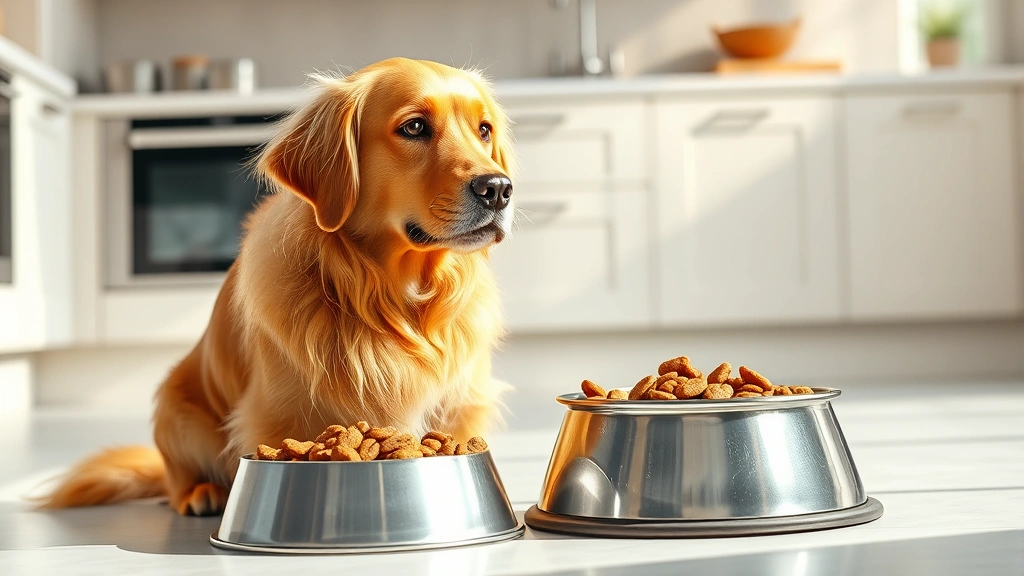
Figuring out how much wet food to feed a dog is one of those questions that keeps pet parents up at night—right alongside “Why does my dog eat socks?” and “Is that normal?” The truth is, there’s no one-size-fits-all answer, but we’re going to break it down so you can feed your furry friend with confidence and maybe even impress your vet at the next checkup.
Table of Contents
- Understanding Your Dog’s Caloric Needs
- Reading the Label: Your Secret Weapon
- The 2-3% Body Weight Rule for Wet Dog Food
- Wet Food Portions by Dog Size
- Mixing Wet and Dry Food: The Best of Both Worlds
- Age Matters: Puppies vs. Adults vs. Seniors
- Activity Level: The Game Changer
- Monitoring Weight and Adjusting Portions
- Hydration Benefits of Wet Food
- Quality Matters: Choosing the Right Wet Food
- Transitioning to Wet Food: Do It Slowly
- Common Mistakes Dog Owners Make
- Frequently Asked Questions
- Final Thoughts: Trust Your Gut (And Your Vet)
Understanding Your Dog’s Caloric Needs
Before you start scooping wet food into your dog’s bowl, you need to understand how many calories your pup actually needs. Most dogs require between 25-30 calories per pound of body weight daily, though this varies based on age, activity level, and metabolism. A 50-pound couch potato needs way less than a 50-pound border collie running agility courses. Your vet can help you calculate the exact amount, but knowing this baseline helps you make informed decisions about portion sizes.
Wet food typically contains 70-80% moisture, which means it has fewer calories per cup than dry kibble. This is important because you can’t just swap wet food for dry food in a 1:1 ratio and expect the same caloric intake. A cup of wet food might only provide 150-200 calories, while a cup of dry food provides 350-500 calories. That’s a massive difference!
Reading the Label: Your Secret Weapon
Every reputable wet dog food brand includes feeding guidelines right on the can or pouch. These guidelines are based on your dog’s weight and are your starting point. However—and this is crucial—these are estimates. Some dogs are metabolic ninjas who burn calories like crazy, while others look at a treat and gain five pounds.
Check the guaranteed analysis section for crude protein, fat, and fiber percentages. Quality matters here. Look for foods with named meat sources (chicken, beef, salmon) rather than vague terms like “meat by-products.” This information helps you understand what you’re actually feeding your pup and whether it aligns with your dog’s pet dietary restrictions.
The 2-3% Body Weight Rule for Wet Dog Food
Here’s a practical formula that many veterinarians recommend: feed your dog 2-3% of their ideal body weight per day. For a 50-pound dog, that’s 1-1.5 pounds of food daily. If you’re feeding exclusively wet food, you’d split this into two meals, giving your dog roughly 0.5-0.75 pounds (8-12 ounces) per feeding.
This rule works beautifully because it accounts for individual variation. Dogs with higher metabolism or more activity naturally gravitate toward the 3% end, while less active dogs do better at 2%. It’s not rocket science, but it’s a reliable starting point that adjusts naturally to your dog’s lifestyle.
Wet Food Portions by Dog Size
Let’s get specific. Small dogs (under 20 pounds) typically need 0.5-1 can of standard 5.5-ounce wet food per day, split into two meals. Medium dogs (20-50 pounds) do well with 1-2 cans daily. Large dogs (50-100 pounds) usually need 2-3 cans, and giant breeds might need 3-4 cans depending on the caloric density of the food and their individual needs.
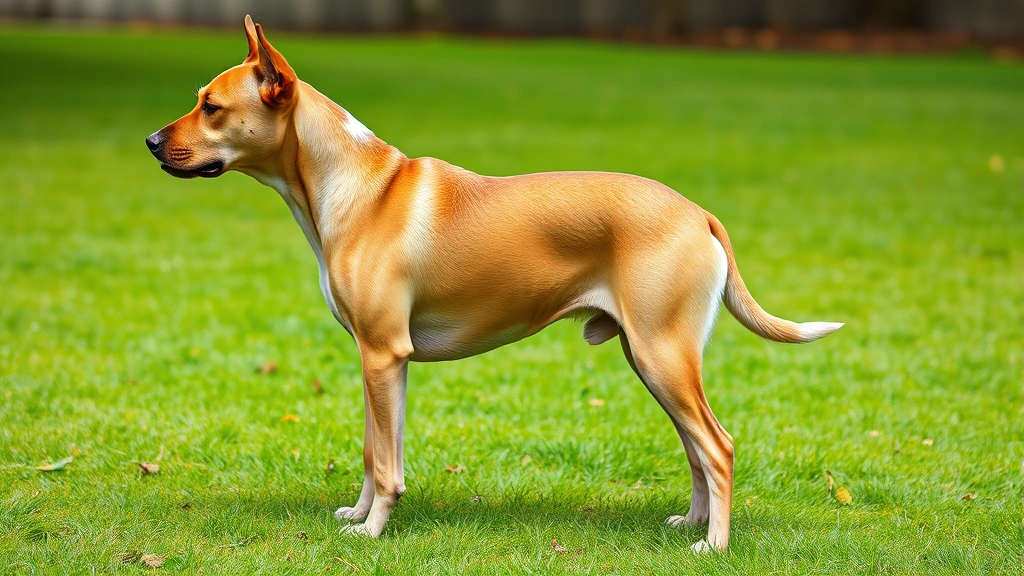
These are ballpark figures. Your specific dog might need more or less. This is why monitoring your dog’s body condition is absolutely essential. You should be able to feel their ribs without pressing hard, and they should have a visible waist when viewed from above.
Mixing Wet and Dry Food: The Best of Both Worlds
Many dog owners use a combination of wet and dry food, and honestly, it’s a smart approach. Wet food provides hydration and palatability, while dry kibble is more convenient and cost-effective. If you’re mixing, reduce the total daily calories appropriately.
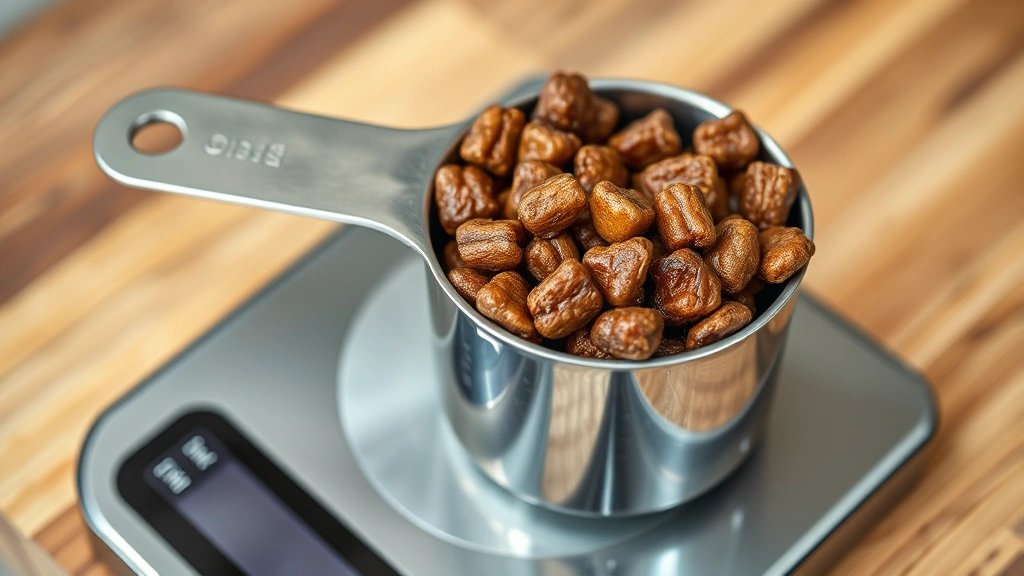
For example, if your dog needs 1,000 calories daily and you’re giving them 300 calories from wet food, you’d provide 700 calories from dry food. This prevents overfeeding, which is the number one cause of canine obesity. Check your dog food’s calorie content (usually listed as kcal/cup) to do the math correctly.
Age Matters: Puppies vs. Adults vs. Seniors
Puppies need significantly more calories per pound than adult dogs because they’re growing and have higher metabolic rates. Large breed puppies especially need careful portion control to prevent developmental orthopedic disease. Senior dogs often need fewer calories but may benefit from higher quality proteins to maintain muscle mass.
Growing puppies might need 3-4% of their body weight daily, while seniors might thrive on 1.5-2%. Age-appropriate formulas are available for most quality wet food brands and take the guesswork out of nutritional requirements for different life stages.
Activity Level: The Game Changer
A working dog, service dog, or highly active pup needs significantly more calories than a sedentary companion. If your dog is training for dock diving competitions or herding sheep daily, they might need 50% more calories than a similar-sized couch potato. Conversely, if your dog’s biggest activity is moving from the couch to the food bowl, you’ll need to dial back portions.
Watch your dog’s energy levels and body condition. If they’re sluggish or gaining weight, reduce portions. If they’re losing weight or seem hungry all the time, increase gradually. Your dog’s behavior is honest feedback about whether portions are right.
Monitoring Weight and Adjusting Portions
Check your dog’s weight monthly, ideally at your vet’s office where you have a consistent scale. Weight changes of more than 5-10% monthly suggest you need to adjust portions. Most dogs reach their ideal weight gradually—aim for 1-2 pounds of loss per week if your dog is overweight.
Body condition scoring is your best friend here. Vets use a 1-9 scale, with 4-5 being ideal. Your dog should have visible ribs (but not protruding), a tucked abdomen, and a visible waist. If you can’t feel ribs easily, it’s time to reduce portions. If you see ribs prominently and can see hip bones, your dog might need more food.
Hydration Benefits of Wet Food
One massive advantage of wet food that doesn’t get enough attention: hydration. Dogs who eat primarily dry kibble sometimes don’t drink enough water, which can lead to urinary tract issues and constipation in dogs. Wet food provides significant moisture, helping keep your dog’s urinary and digestive systems healthy.
This is especially important for senior dogs, dogs with kidney issues, and breeds prone to urinary problems. The high water content means you’re essentially giving your dog a hydrating meal, which is a win for overall health.
Quality Matters: Choosing the Right Wet Food
Not all wet foods are created equal. Premium brands invest in quality ingredients and proper nutrition formulation, while budget brands might be mostly water and fillers. Look for AAFCO certification, which indicates the food meets minimum nutritional standards.
Consider your dog’s specific needs. Dogs with sensitive stomachs might need limited ingredient formulas. Dogs with allergies need foods without their trigger ingredients. Senior dogs benefit from higher joint support nutrients. The investment in quality food often pays dividends in better health, shinier coats, and fewer digestive issues. Check out vet approved human foods for pets for supplementary options.
Transitioning to Wet Food: Do It Slowly
If you’re switching your dog to wet food or increasing wet food portions, do it gradually over 7-10 days. Mix increasing amounts of new food with their current food to prevent digestive upset. Sudden food changes can cause diarrhea, vomiting, and general GI distress that nobody wants to deal with.
Start with 25% new food and 75% old food for 2-3 days, then 50/50 for 2-3 days, then 75% new and 25% old for 2-3 days, and finally 100% new food. This slow transition allows your dog’s digestive system to adapt to the new food without rebellion.
Common Mistakes Dog Owners Make
The biggest mistake is free-feeding (leaving food out all day). You can’t monitor portions this way, and it’s nearly impossible to track whether your dog is overeating. Scheduled meals twice daily let you control portions and notice changes in appetite, which can indicate health issues.
Another mistake is adding human food on top of measured portions. Those “just a little” additions add up fast. If you want to include low calorie human foods for pets, reduce the wet food portion accordingly to maintain total caloric intake.
Finally, don’t ignore your vet’s recommendations. They know your individual dog’s health status and can provide personalized feeding advice that’s way better than internet guidelines.
Frequently Asked Questions
How much wet food should I feed my dog per day?
Most dogs need 2-3% of their ideal body weight daily in food. For wet food specifically, a 50-pound dog typically needs 1-1.5 pounds split into two meals. Check the feeding guidelines on your food’s packaging and adjust based on your dog’s individual needs and activity level.
Can I feed my dog only wet food?
Yes, you can feed a dog exclusively wet food as long as it’s a complete and balanced diet meeting AAFCO standards. However, it’s more expensive than dry food and requires careful portion control since wet food is calorie-light due to high moisture content. Many owners prefer mixing wet and dry food for cost-effectiveness and convenience.
Is wet dog food more fattening than dry food?
Not necessarily. Wet food isn’t inherently more fattening; it just has fewer calories per cup due to water content. Overfeeding any food type causes weight gain. The key is measuring portions based on calories, not volume, and monitoring your dog’s body condition.
How do I know if I’m feeding my dog the right amount?
Your dog should have a visible waist, you should feel ribs without pressing hard, and their weight should remain stable month-to-month. If your dog is gaining weight, reduce portions by 10-15%. If losing weight or seeming hungry, increase gradually. Your vet can assess body condition and provide guidance.
Should I refrigerate wet dog food after opening?
Yes, absolutely. Opened wet food should be refrigerated and used within 3-4 days. Some owners portion cans into ice cube trays and freeze them for later use, which extends shelf life and makes portioning easier. Always discard uneaten food left in the bowl for more than a few hours.
What if my dog has a sensitive stomach?
Dogs with sensitive stomachs often do better with limited ingredient wet foods or prescription diets. Transition slowly to any new food, and work with your vet to identify trigger ingredients. High-quality, digestible proteins are usually better tolerated than fillers and by-products.
Can puppies eat the same wet food as adult dogs?
Puppies need puppy-specific formulas with appropriate calcium, phosphorus, and protein ratios for proper development. Adult food doesn’t provide the right nutritional balance for growing dogs. Once your dog reaches adult size (varies by breed), transition to adult formula gradually.
How does wet food compare to raw diets?
Wet commercial food is nutritionally complete, convenient, and safe when from reputable manufacturers. Raw diets require careful planning to ensure nutritional balance and carry food safety risks for both dog and owner. Most vets recommend commercial wet food over raw unless you’re working with a veterinary nutritionist.
Final Thoughts: Trust Your Gut (And Your Vet)
Figuring out how much wet food to feed a dog isn’t complicated once you understand the basic principles: calculate caloric needs, use the 2-3% body weight rule as a starting point, read labels carefully, and monitor your dog’s body condition regularly. Every dog is unique, so what works for your neighbor’s Golden Retriever might not work for yours.
Start with the feeding guidelines on your food’s packaging, adjust based on your dog’s response, and schedule regular vet checkups to ensure your dog is thriving. Your vet is your best resource for personalized recommendations, especially if your dog has health conditions or special dietary needs. With these guidelines and professional guidance, you’ll nail the perfect portions and keep your pup healthy, happy, and at an ideal weight for years to come. Consider exploring sustainable dog food options that align with your values while meeting nutritional needs.





