

So you’re sitting there with your yogurt cup, and your dog gives you that look—you know the one. Those puppy dog eyes that could melt a glacier. You’re wondering: how much yogurt can a dog have? Well, grab a spoon (for you, not the pup), because we’re diving into everything you need to know about feeding yogurt to your furry friend.
Table of Contents
- Is Yogurt Safe for Dogs?
- The Lactose Intolerance Problem
- How Much Yogurt Can a Dog Actually Eat?
- The Sugar and Sweetener Situation
- Best Types of Yogurt for Dogs
- Probiotics and Digestive Health Benefits
- Signs Your Dog Shouldn’t Have Yogurt
- How to Introduce Yogurt to Your Dog’s Diet
- Yogurt as a Training Treat
- Comparison with Other Probiotic Options
- Frequently Asked Questions
- Final Thoughts: Keep It Simple
The short answer? Dogs can have yogurt, and in moderation, it can actually be pretty good for them. But there’s a catch—and honestly, there’s always a catch with dog nutrition. Let’s break it down so you can feel confident about what you’re feeding your four-legged buddy.
Is Yogurt Safe for Dogs?
First things first: yes, yogurt is generally safe for dogs. Unlike chocolate or grapes, yogurt won’t send you into a panic and a trip to the emergency vet. Most dogs can enjoy plain yogurt without any issues. The key word here is “plain.” We’re talking about unsweetened, unflavored yogurt with no additives—think of it as the boring vanilla version that actually has some nutritional value.
The reason yogurt works for dogs is that it contains probiotics, which are those friendly bacteria that help with digestion. It’s also packed with protein and calcium, making it a decent snack option. However, not all yogurt is created equal, and that’s where things get a little tricky. Check out our guide on vet-approved human foods for pets to see what else might be safe for your pup.
The Lactose Intolerance Problem
Here’s where we need to talk about the elephant in the room: lactose intolerance. Many dogs are lactose intolerant, just like some humans are. As dogs age, their ability to digest lactose decreases significantly. This means that while your puppy might handle a spoonful of yogurt just fine, your senior dog might end up with digestive issues that’ll have you cleaning the carpet at 3 AM.
The good news? Yogurt has less lactose than milk because of the fermentation process. The bacteria in yogurt actually breaks down some of the lactose, making it easier on your dog’s stomach. Still, every dog is different. Some can handle it like champs, while others will let you know within hours that it was a bad idea.
If your dog has a sensitive stomach, you might want to explore our article on human foods for pets with sensitive stomachs before introducing any new foods.
How Much Yogurt Can a Dog Actually Eat?
Alright, the moment of truth. The amount of yogurt your dog can have depends on their size and individual tolerance. Here’s a practical breakdown:
Small Dogs (under 25 lbs): Stick to about 1-2 tablespoons per day. This is roughly the size of a shot glass—not exactly generous, but it’s enough to give them the probiotic benefits without overdoing it.
Medium Dogs (25-60 lbs): You can go up to about 2-4 tablespoons daily. This is more like a small serving spoon, which your dog will probably inhale in about two seconds.
Large Dogs (60+ lbs): Large breed dogs can handle up to 4-6 tablespoons, but that’s really the ceiling. Just because they’re bigger doesn’t mean they need more yogurt—they just have more room in their stomach to tolerate it.
Here’s the important part: these amounts should be treats, not meal replacements. Yogurt should make up no more than 10% of your dog’s daily caloric intake. If your dog eats 1,000 calories a day, yogurt should account for about 100 of those calories maximum. Most dogs will be fine with much less than that.
The Sugar and Sweetener Situation
This is critical, so pay attention. Flavored yogurts are basically candy for dogs, and not in a good way. Greek yogurt with honey? Strawberry-flavored yogurt? Yogurt with added sugars? These are all no-go zones for your pup.
The real villain here is artificial sweeteners, particularly xylitol. Xylitol is toxic to dogs and can cause serious health problems including liver damage and hypoglycemia. Even small amounts can be dangerous. Always—and I mean always—check the ingredient list before giving your dog any yogurt product. If you see xylitol, aspartame, or other artificial sweeteners, don’t even let your dog lick the container.
Stick to plain, unsweetened yogurt. Your dog won’t miss the flavor, I promise. They’re the same creatures who get excited about sniffing other dogs’ butts, so their taste expectations are pretty low.
Best Types of Yogurt for Dogs
Not all yogurts are created equal. Here’s what to look for when you’re standing in the yogurt aisle contemplating your dog’s digestive health:
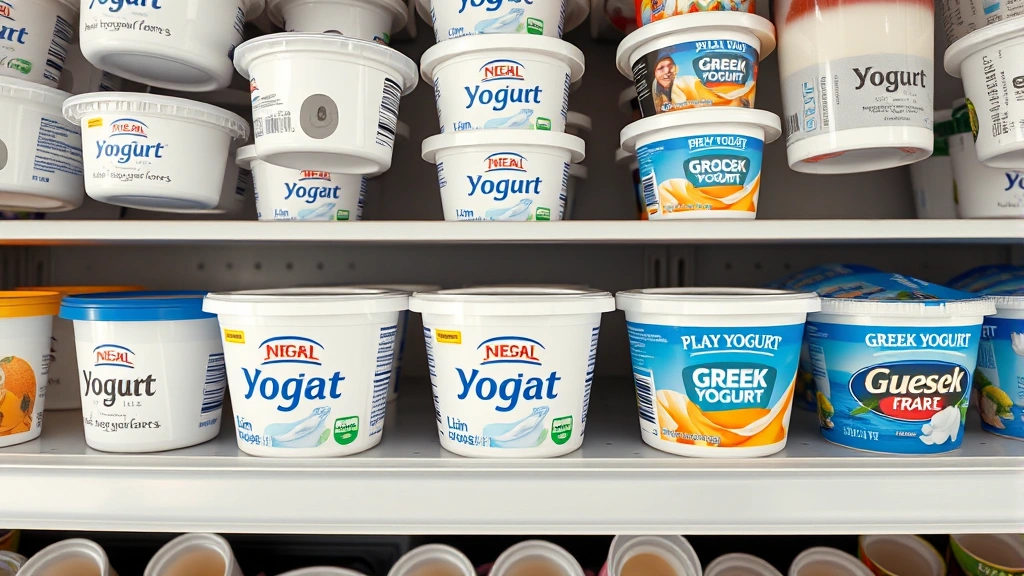
Plain Greek Yogurt: This is the gold standard. It has more protein and less lactose than regular yogurt. It’s thicker, which makes it easier to portion out, and it’s genuinely good for your dog’s digestive system.
Regular Plain Yogurt: The classic option works fine too. Just make sure it’s unsweetened and doesn’t have any funky additives. The live and active cultures are what make it beneficial, so check that the label says “contains live cultures” or “probiotics.”
Kefir: This is a fermented milk drink that’s even lower in lactose than yogurt. If your dog tolerates yogurt well, kefir might be an even better option. It’s basically yogurt’s cooler cousin.
Avoid Completely: Frozen yogurt, yogurt with granola mixed in, yogurt-covered treats, and anything with chocolate or artificial sweeteners. These are all problematic for different reasons.
Probiotics and Digestive Health Benefits
So why are people so excited about giving their dogs yogurt? The probiotics. These beneficial bacteria can actually help with your dog’s digestion and overall gut health. A healthy gut microbiome can lead to better digestion, less gas, healthier skin, and even improved immune function.
For dogs with digestive issues, a small amount of plain yogurt might genuinely help. However, if your dog has chronic digestive problems, you should talk to your vet before adding anything new to their diet. There are specific foods designed for sensitive stomachs that might be better suited than yogurt.
Signs Your Dog Shouldn’t Have Yogurt
Some dogs just shouldn’t have yogurt, no matter how much you want them to enjoy it. Watch out for these red flags:
If your dog has a known dairy allergy, yogurt is off the menu entirely. Some dogs are allergic to the proteins in milk, not just lactose intolerant. These are two different issues, and an allergy is way more serious.
If your dog has pancreatitis or is at risk for it, high-fat foods like yogurt might not be appropriate. Talk to your vet about safe treat options. You might find better alternatives in our human foods for weight management in pets guide.
If your dog is overweight or on a weight-loss plan, even small amounts of yogurt add up calorically. Those extra calories might derail your dog’s diet goals.
Dogs with certain medical conditions might need to avoid yogurt. Your vet is your best resource here, so ask before introducing any new foods.
How to Introduce Yogurt to Your Dog’s Diet
If your dog has never had yogurt before, don’t just dump a bowl in front of them. Introduce it slowly and carefully, like you’re introducing them to a new friend (except this friend is edible).
Start with just a tiny taste—we’re talking a lick off your finger. Wait 24 hours and see how your dog reacts. Are they acting normal? Is their poop normal? If yes to both, you can gradually increase the amount over the next week or two.
Some dogs will love yogurt, and some will be completely indifferent. That’s fine. You’re not trying to win a “best dog parent” award here; you’re just trying to give your dog a safe treat.
Yogurt as a Training Treat
Here’s a pro tip: yogurt can be a great training treat, especially for small dogs. You can freeze it in ice cube trays and use the tiny cubes as rewards during training sessions. Frozen yogurt is less messy, lasts longer, and dogs seem to think it’s pretty special.

Just remember to count these training treats toward your dog’s daily caloric intake. If you’re using yogurt cubes as rewards, you might need to reduce other treats or adjust meal portions slightly. It all matters when you’re trying to keep your dog at a healthy weight.
Comparison with Other Probiotic Options
Yogurt isn’t the only way to get probiotics into your dog’s system. There are dog-specific probiotic supplements that are formulated specifically for canine digestive systems. These might actually be a better option than yogurt if your dog is lactose intolerant or has a sensitive stomach.
Kefir, as mentioned earlier, is another good option. Bone broth (unsalted) is another probiotic-rich food that many dogs love. The point is, if yogurt doesn’t work for your dog, there are other options.
Frequently Asked Questions
Can puppies have yogurt?
Puppies can have small amounts of plain yogurt, but they’re more likely to be lactose intolerant than adult dogs. Start with tiny amounts and monitor closely. Their digestive systems are still developing, so caution is warranted.
Is Greek yogurt better than regular yogurt for dogs?
Greek yogurt is slightly better because it has more protein and less lactose. However, both are fine as long as they’re plain and unsweetened. The difference isn’t huge, so don’t stress if you only have regular yogurt.
Can dogs have yogurt with fruit?
Plain yogurt with plain fruit (like blueberries) that you add yourself is fine in small amounts. Avoid yogurts with added fruit because they typically contain added sugars. Never give yogurt with grapes or raisins, which are toxic to dogs.
What if my dog eats a whole container of yogurt?
If your dog gets into a container of plain yogurt, don’t panic. They’ll probably have some digestive upset—gas, loose stools, or diarrhea—but it shouldn’t be life-threatening. Monitor them and call your vet if symptoms are severe or persist. If it was sweetened with xylitol, call your vet immediately.
How often can I give my dog yogurt?
Daily is fine, as long as you stick to the recommended amounts for their size. Some people give it every day as a treat, while others do it a few times a week. There’s no magic frequency; just make sure it fits within their daily caloric intake.
Is yogurt good for dogs with diarrhea?
Yogurt might help with diarrhea because of the probiotics, but it depends on the cause. If your dog has diarrhea, contact your vet first. Don’t self-treat with yogurt without professional guidance, especially if the diarrhea is severe or persistent.
Final Thoughts: Keep It Simple
So, how much yogurt can a dog have? The answer is: not much, but a little is fine. Plain, unsweetened yogurt in small amounts can be a nice treat for most dogs. It has some nutritional benefits, it’s generally safe, and most dogs seem to enjoy it.
The key takeaways are simple: plain only, small amounts, and watch for individual tolerance. Every dog is different, so what works for your neighbor’s dog might not work for yours. Start small, observe your dog’s reaction, and adjust accordingly.
If you’re looking for more information about safe foods for your dog, check out our comprehensive guide on pet dietary restrictions to understand what else might be safe or unsafe for your pup.
Your dog doesn’t need yogurt to be happy and healthy. They need good nutrition, exercise, love, and maybe the occasional treat. If yogurt fits into that picture for your dog, great. If not, there are plenty of other options. The most important thing is that you’re thinking about what you’re feeding your dog and making informed decisions. That’s what makes you a good dog parent.





