
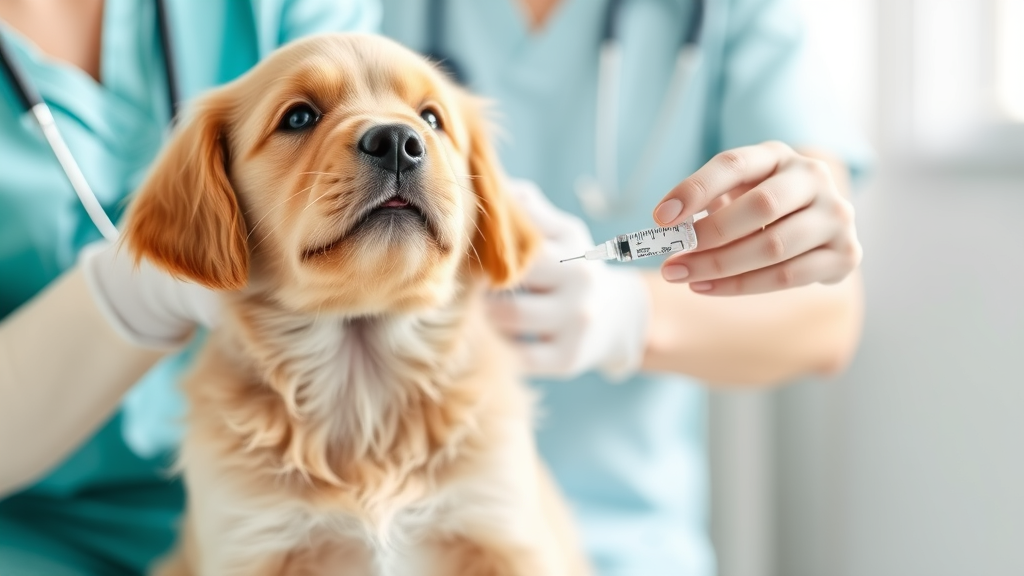
Rabies is one of the most serious diseases that can affect both dogs and humans, making vaccination against this deadly virus a critical component of responsible pet ownership. Understanding the rabies shot schedule is essential for keeping your furry companion safe and ensuring compliance with local laws. This comprehensive guide will walk you through everything you need to know about rabies vaccination timing, requirements, and best practices.
The rabies vaccination schedule isn’t just about protecting your dog – it’s about protecting your entire community. This fatal disease can be transmitted from animals to humans, making vaccination a public health priority. Whether you’re a new dog owner or need a refresher on vaccination protocols, this article will provide you with the knowledge needed to make informed decisions about your pet’s health care.
Understanding Rabies and Its Impact
Rabies is a viral disease that affects the nervous system of mammals, including dogs, cats, and humans. The virus is typically transmitted through the bite of an infected animal, though it can also be transmitted through scratches or contact with infected saliva on open wounds. Once symptoms appear, rabies is almost always fatal, making prevention through vaccination absolutely critical.
The disease progresses through several stages, beginning with a prodromal phase where infected animals may show subtle behavioral changes. This is followed by either a furious form, characterized by aggressive behavior and excessive salivation, or a paralytic form, where the animal becomes increasingly weak and eventually paralyzed. Understanding these progression patterns helps explain why the Centers for Disease Control and Prevention considers rabies vaccination so important for domestic animals.
Wild animals serve as the primary reservoir for rabies in most areas, with bats, raccoons, skunks, and foxes being common carriers. Dogs can become infected through encounters with these wildlife species, making vaccination particularly important for pets that spend time outdoors or in areas with high wildlife populations.

Initial Rabies Vaccination Schedule
The initial rabies vaccination schedule for puppies is carefully designed to provide optimal protection while considering the puppy’s developing immune system. Most veterinarians recommend that puppies receive their first rabies shot between 12 and 16 weeks of age, with 14-16 weeks being the most common timeframe.
This timing is crucial because maternal antibodies can interfere with vaccine effectiveness if given too early. Puppies receive some protection from their mother’s antibodies through nursing, but this protection wanes over time. The initial vaccination must be timed to occur when maternal antibodies have decreased sufficiently to allow the vaccine to stimulate the puppy’s own immune response.
After the initial vaccination, puppies typically require a booster shot one year later. This first booster is essential for establishing long-term immunity and is required regardless of the type of rabies vaccine used. Understanding how often do dogs require rabies shots helps pet owners plan for this important follow-up care.
Some veterinarians may recommend slightly different timing based on individual circumstances, such as the puppy’s breed, size, or health status. Large breed dogs may have their vaccination schedule adjusted to account for their longer growth period, while toy breeds might need special consideration due to their small size.
Ongoing Booster Shot Requirements
After the initial vaccination series is complete, adult dogs require regular booster shots to maintain their immunity against rabies. The frequency of these boosters depends on the type of vaccine used and local regulations, but most commonly follows either a one-year or three-year schedule.
One-year vaccines require annual boosters, while three-year vaccines provide protection for three years before a booster is needed. The choice between these options often depends on local laws, veterinary recommendations, and individual risk factors. Many veterinarians prefer to use three-year vaccines for adult dogs to reduce the frequency of vaccinations while maintaining adequate protection.
It’s important to note that even if your dog receives a three-year vaccine, some municipalities may still require annual proof of vaccination or registration updates. Always check with your local animal control office to understand the specific requirements in your area. When considering what shots do dogs need throughout their lifetime, rabies vaccination remains a constant requirement.
Senior dogs may require special consideration when it comes to booster scheduling. While older dogs generally need the same vaccination frequency as younger adults, veterinarians may recommend more frequent health checks to monitor for any adverse reactions or changes in health status that could affect vaccination safety.
Legal Requirements and Regulations
Rabies vaccination requirements vary significantly by location, with most states, counties, and municipalities having their own specific regulations. In the United States, rabies vaccination is legally required for dogs in all 50 states, though the specific timing and frequency requirements differ.
Most jurisdictions require proof of current rabies vaccination for dog licensing, and many require that dogs be vaccinated by a certain age, typically by four to six months old. Failure to comply with these requirements can result in fines, quarantine of the animal, or other legal consequences. The American Veterinary Medical Association provides guidance on vaccination requirements and recommendations.
Travel requirements add another layer of complexity to rabies vaccination planning. If you plan to travel with your dog, whether domestically or internationally, you’ll need to research the specific vaccination requirements for your destination. Some areas require vaccination certificates to be issued within a certain timeframe before travel, while others may require additional testing or quarantine periods.
Military families and those who frequently relocate should be particularly aware of varying state requirements. What’s acceptable in one state may not meet the requirements in another, potentially requiring additional vaccinations or documentation upon relocation.

Types of Rabies Vaccines Available
Several types of rabies vaccines are available for dogs, each with different characteristics and duration of immunity. The most common types include killed (inactivated) virus vaccines and recombinant vaccines, both of which are highly effective at preventing rabies infection.
Killed virus vaccines are the most traditional type and have been used successfully for decades. These vaccines contain rabies virus that has been inactivated so it cannot cause disease but can still stimulate an immune response. They’re available in both one-year and three-year formulations, with the three-year version becoming increasingly popular due to its convenience and reduced vaccination frequency.
Recombinant vaccines represent a newer technology that uses genetic engineering to produce specific rabies proteins that trigger immunity. These vaccines may have fewer side effects than traditional vaccines and can be particularly beneficial for dogs with sensitive immune systems or those who have experienced reactions to previous vaccinations.
The choice of vaccine type should always be made in consultation with your veterinarian, who can consider your dog’s individual health status, lifestyle, and risk factors. Some dogs may benefit from one type over another based on their medical history or specific health concerns. Understanding the relationship between vaccination choices and costs is important, especially when considering how much are dog vaccines over your pet’s lifetime.
Potential Side Effects and Precautions
While rabies vaccines are generally very safe, like all medical interventions, they can cause side effects in some dogs. Most side effects are mild and temporary, but it’s important for pet owners to be aware of what to expect and when to seek veterinary attention.
Common mild side effects include soreness at the injection site, mild lethargy, and decreased appetite for 24-48 hours after vaccination. These reactions are normal and indicate that the dog’s immune system is responding appropriately to the vaccine. Some dogs may develop a small, firm swelling at the injection site that typically resolves within a few weeks.
More serious reactions, while rare, can occur and require immediate veterinary attention. These may include severe allergic reactions (anaphylaxis), persistent vomiting or diarrhea, difficulty breathing, or collapse. According to the FDA’s Center for Veterinary Medicine, serious adverse reactions occur in less than one percent of vaccinated animals.
Certain dogs may be at higher risk for vaccine reactions, including those with compromised immune systems, elderly dogs, or those with a history of previous vaccine reactions. Your veterinarian may recommend pre-medication with antihistamines or corticosteroids for dogs at higher risk, or may suggest spacing out vaccinations to reduce the likelihood of reactions.
Cost Considerations and Budgeting
The cost of rabies vaccination varies widely depending on geographic location, veterinary clinic type, and whether additional services are provided during the visit. Pet owners should budget for both the initial vaccination series and ongoing booster shots throughout their dog’s lifetime.
Initial puppy vaccinations, including rabies, typically range from moderate to higher costs depending on your location and veterinary practice. Many veterinary clinics offer puppy packages that include multiple vaccinations, which can provide cost savings compared to individual shots. When planning your budget, it’s helpful to research how much is a rabies shot for a dog in your specific area.
Low-cost vaccination clinics, often offered by animal shelters, pet stores, or mobile veterinary services, can provide significant savings for budget-conscious pet owners. These clinics typically focus solely on vaccinations and may not include the comprehensive examination provided at full-service veterinary hospitals.
Long-term cost planning should consider the frequency of boosters required. Three-year vaccines, while potentially more expensive initially, may provide better value over time by reducing the number of veterinary visits needed. However, this must be balanced against local legal requirements and your veterinarian’s recommendations for your specific dog.
Special Circumstances and Exemptions
While rabies vaccination is required for virtually all dogs, there are some special circumstances where modifications to the standard protocol may be necessary. Dogs with certain medical conditions, such as severe immune system disorders or active cancer treatments, may require individualized vaccination schedules.
Pregnant dogs present a special consideration, as vaccination during pregnancy is generally avoided unless the risk of rabies exposure is high. Most veterinarians recommend ensuring that female dogs are up-to-date on their rabies vaccination before breeding, providing protection during pregnancy and early nursing.
Very young puppies under 12 weeks of age typically haven’t received their rabies vaccination yet, which means they’re particularly vulnerable and should be kept away from unknown animals and areas with high wildlife activity. This is one reason why many puppy training classes and boarding facilities require proof of rabies vaccination before allowing participation.
Some jurisdictions may allow medical exemptions for dogs that cannot be safely vaccinated due to severe health conditions, but these exemptions typically come with strict requirements such as indoor-only confinement and special licensing. The Humane Society provides additional guidance on vaccination considerations for pets with special needs.
Dogs that have been previously vaccinated but are overdue for their boosters may need to restart their vaccination series, depending on how long they’ve been overdue and local regulations. This underscores the importance of maintaining current vaccination records and staying on schedule with boosters. Additionally, understanding the broader vaccination schedule, including what is dhpp vaccine for dogs, helps ensure comprehensive protection for your pet.
Frequently Asked Questions
How often do dogs need rabies shots after the initial series?
After completing the initial vaccination series (first shot and one-year booster), dogs typically need rabies boosters every one to three years, depending on the type of vaccine used and local regulations. Three-year vaccines are most common for adult dogs, but some areas may require annual boosters regardless of vaccine type.
What happens if my dog is overdue for their rabies vaccination?
If your dog is overdue for their rabies booster, contact your veterinarian immediately to discuss the best course of action. Depending on how long they’ve been overdue and local laws, your dog may need to restart the vaccination series or may simply need a booster shot. Some areas may impose quarantine requirements for dogs that aren’t current on their rabies vaccination.
Can puppies get rabies shots before 12 weeks of age?
While it’s technically possible to vaccinate puppies before 12 weeks, it’s generally not recommended because maternal antibodies can interfere with vaccine effectiveness. Most veterinarians recommend waiting until 12-16 weeks of age for the first rabies vaccination to ensure optimal immune response.
Are there any dogs that cannot receive rabies vaccinations?
Very few dogs cannot receive rabies vaccinations. Dogs with severe immune system disorders, those undergoing certain cancer treatments, or dogs with documented severe allergic reactions to previous rabies vaccines may require special consideration. However, even these dogs may be able to receive modified vaccination protocols under veterinary supervision.
Do indoor-only dogs need rabies shots?
Yes, indoor-only dogs still need rabies vaccinations. Rabies vaccination is legally required for all dogs regardless of their lifestyle, and indoor dogs can still be exposed to rabies through contact with bats that may enter homes or through other unexpected encounters with wildlife.
How long does immunity last after a rabies vaccination?
Immunity duration depends on the type of vaccine used. One-year vaccines provide protection for at least one year, while three-year vaccines provide protection for at least three years. However, studies suggest that immunity may last longer than the labeled duration, though boosters are still required by law at the specified intervals.
What should I do if my dog has a reaction to the rabies vaccine?
Mild reactions like soreness at the injection site or mild lethargy are normal and usually resolve within 24-48 hours. However, if your dog experiences severe reactions such as difficulty breathing, persistent vomiting, facial swelling, or collapse, contact your veterinarian or emergency animal hospital immediately. Future vaccinations may require pre-medication or modified protocols.





