

So, how often do dogs need rabies shots? This is one of those questions that keeps pet parents up at night, right alongside “Why does my dog eat grass?” and “Is my pup plotting world domination?” The short answer: it depends on your dog’s age, your local laws, and the vaccine type. But stick around because we’re diving deep into the rabies rabbit hole—and trust me, it’s more interesting than you’d think.
Table of Contents
- Understanding Rabies and Why Your Dog Needs Protection
- The Puppy Rabies Shot Schedule: Getting Started Right
- How Often Do Dogs Need Rabies Shots After the Initial Series?
- The Three-Year Rabies Vaccine: A Game Changer
- One-Year Rabies Vaccines: Still a Valid Option
- State and Local Rabies Laws: Know Your Rules
- Senior Dogs and Rabies Vaccination: Special Considerations
- Missing Your Dog’s Rabies Booster: What Happens?
- Rabies Titer Tests: An Alternative Option
- Potential Side Effects and Safety Concerns
- Traveling With Your Dog: Rabies Documentation
- Frequently Asked Questions
- Conclusion: Stay On Top of Your Dog’s Rabies Schedule
Understanding Rabies and Why Your Dog Needs Protection
Rabies is basically the horror movie villain of dog diseases. It’s a viral infection that attacks the nervous system and is almost always fatal once symptoms appear. We’re talking a 99% fatality rate. Pretty terrifying stuff. The good news? Rabies is 100% preventable with vaccination. Your dog’s rabies shot isn’t just about protecting Fido—it’s about protecting your entire community, including yourself. In most places, it’s legally required, so there’s that too.
The Puppy Rabies Shot Schedule: Getting Started Right
When your adorable little furball first arrives home, they’ll need their initial rabies vaccination. Most vets recommend the first rabies shot between 12-16 weeks of age. Then comes the fun part: a booster shot one year later. After that initial one-year booster, your puppy’s rabies vaccination schedule becomes much more relaxed. This is where many dog parents get confused, so pay attention.
How Often Do Dogs Need Rabies Shots After the Initial Series?
Here’s where things get interesting. After your pup gets that crucial one-year booster, how often do dogs need rabies shots really depends on which vaccine your vet uses. Some rabies vaccines are good for one year, while others last three years. Yep, you read that right—three whole years. Most vets use the three-year vaccine because, let’s face it, fewer vet visits means fewer chances for your dog to stage a dramatic meltdown in the waiting room. Your vet will recommend the schedule based on the specific vaccine they administer, so always ask which one they’re using.
The Three-Year Rabies Vaccine: A Game Changer
The three-year rabies vaccine has been a lifesaver for busy pet parents everywhere. If your vet administers a three-year vaccine (and most do these days), you’re looking at booster shots every three years after that initial one-year booster. It’s pretty straightforward math, though we all know how easy it is to lose track. Pro tip: set a phone reminder for two months before your dog’s rabies vaccine expires. Your future self will thank you when you’re not scrambling to schedule an appointment at the last minute.
One-Year Rabies Vaccines: Still a Valid Option
Some vets still use one-year rabies vaccines, and that’s perfectly fine. If your pup gets the annual version, you’ll need to bring them in every single year for a booster. This might seem annoying, but it’s actually a great excuse to get your dog a wellness check annually anyway. Plus, your vet can catch any health issues early before they become big problems. You can schedule these appointments through telehealth vet appointments for initial consultations, though the actual vaccine will need to be administered in person.
State and Local Rabies Laws: Know Your Rules
Here’s the thing about rabies vaccination requirements: they’re not one-size-fits-all. Different states, counties, and even cities have different rabies laws. Some areas require annual rabies boosters regardless of vaccine type, while others follow the three-year schedule. Some places are super strict about it, while others are more relaxed. The best move? Check with your local animal control office or veterinarian to find out exactly what your area requires. This is especially important if you’re moving with your pup or planning to travel.
Senior Dogs and Rabies Vaccination: Special Considerations
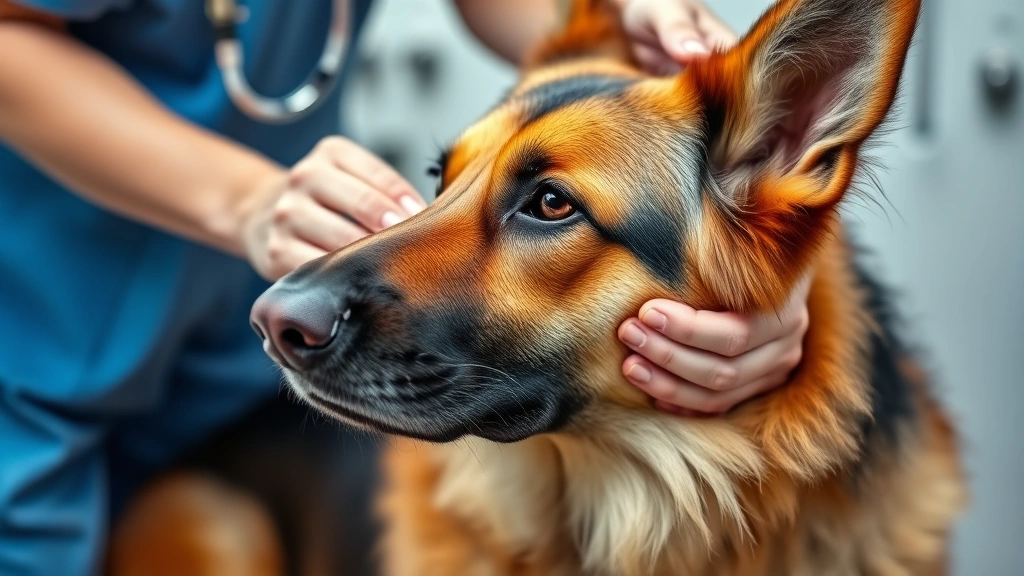
As your dog gets older, you might wonder if they still need their rabies shots. The answer is yes—senior dogs need rabies boosters just like younger pups. However, some vets recommend additional health screening before vaccinating very old dogs, especially if they have underlying health conditions. This is where a virtual pet checkup can help you discuss your senior dog’s specific needs with your vet before making any decisions.
Missing Your Dog’s Rabies Booster: What Happens?
Life gets crazy. You forget appointments. Your dog’s rabies vaccine expires. It happens to the best of us. But here’s the deal: if your dog’s rabies vaccination lapses, you’ll typically need to restart the vaccination series. This means getting a new rabies shot immediately and then another booster one year later. Some areas might even require a quarantine period if an unvaccinated dog bites someone. So yeah, staying on top of that rabies schedule is definitely worth the effort.
Rabies Titer Tests: An Alternative Option
Some pet parents ask about rabies titer tests—basically blood tests that measure your dog’s immunity to rabies. Here’s the catch: while these tests can show if your dog has antibodies, they’re not legally recognized as a substitute for vaccination in most places. Some vets might recommend them for dogs with vaccine sensitivities, but you’ll still typically need to keep up with the regular vaccination schedule. It’s a gray area, so definitely chat with your vet about your specific situation.
Potential Side Effects and Safety Concerns
Like any medication, rabies vaccines can cause side effects. Most dogs experience nothing more than mild soreness at the injection site or temporary letharness. Some might have a slight fever or loss of appetite for a day or two. Serious allergic reactions are rare but can happen. If your dog has had adverse reactions to vaccines in the past, tell your vet immediately. They might recommend pre-medication or a different vaccine protocol. Never skip rabies vaccination due to fear of side effects—the disease is far worse than any potential vaccine reaction.
Traveling With Your Dog: Rabies Documentation
Planning a road trip or flying with your furry friend? You’ll likely need proof of current rabies vaccination. Many airlines, hotels, and boarding facilities require it. Some countries have strict rabies requirements for imported pets. Keep your dog’s vaccination records handy—either physical copies or digital photos. Your vet can provide these records, and they’re essential for travel planning. If you’re concerned about your dog’s health before traveling, consider scheduling a telehealth consultation to ensure they’re travel-ready.
Frequently Asked Questions
Can I give my dog a rabies shot at home?
No, rabies vaccines must be administered by a licensed veterinarian. It’s a legal requirement in most places, and vets need to ensure proper administration and document the vaccination officially.
What if my dog is allergic to the rabies vaccine?
Talk to your vet about your dog’s allergy history. They might recommend pre-medication with antihistamines or steroids before vaccination, or they might suggest alternative vaccine brands. In rare cases where vaccination truly isn’t possible, discuss legal alternatives with your vet and local animal control.
Is the rabies vaccine safe for pregnant dogs?
Most vets recommend avoiding non-essential vaccinations during pregnancy, but rabies is considered essential. Discuss your pregnant dog’s specific situation with your vet—they might recommend vaccinating before pregnancy or waiting until after nursing is complete.
Do indoor dogs need rabies shots?
Yes, absolutely. Indoor dogs still need rabies protection because bats, raccoons, and other rabid animals can enter homes. Plus, it’s legally required in most areas regardless of whether your dog goes outside.
How much does a rabies shot cost?
Rabies vaccine costs typically range from $15-$30 per shot, though prices vary by location and veterinary clinic. Some animal shelters and low-cost clinics offer discounted rates.
Can my dog get rabies if vaccinated?
The rabies vaccine is highly effective—over 99% protective. Breakthrough infections are extremely rare, and vaccinated dogs have much better survival chances if exposed compared to unvaccinated dogs.
Conclusion: Stay On Top of Your Dog’s Rabies Schedule
So, how often do dogs need rabies shots? After that initial puppy series with a one-year booster, most dogs need rabies boosters every three years if they receive the three-year vaccine, or annually if they get the one-year version. Check with your local laws and vet to confirm what’s required in your area. Set reminders, keep records, and don’t let this one slip through the cracks. Your dog’s health and your community’s safety depend on it. Plus, staying current means fewer emergency scrambles and more peace of mind knowing your pup is protected against one of the most serious diseases out there. Your dog might not appreciate the needle stick, but they’ll definitely appreciate living a long, healthy life by your side.





