

Rabies is one of the most serious diseases that can affect dogs, and vaccination is the cornerstone of prevention. As a responsible pet owner, understanding how often your dog needs a rabies shot is crucial for their health and safety, as well as for public health protection. This comprehensive guide will walk you through everything you need to know about rabies vaccination schedules, legal requirements, and best practices.
The rabies vaccine is not just recommended—it’s legally required in most jurisdictions across the United States. The frequency of rabies shots depends on several factors including your dog’s age, vaccination history, the type of vaccine used, and local regulations. Let’s explore the detailed requirements to ensure your furry companion stays protected and compliant with the law.
Understanding Rabies and Why Vaccination Matters
Rabies is a viral disease that affects the nervous system of mammals, including dogs and humans. Once clinical symptoms appear, rabies is almost always fatal. The virus is typically transmitted through the bite of an infected animal, making vaccination the most effective prevention method available.
The Centers for Disease Control and Prevention reports that rabies vaccination programs have been incredibly successful in reducing rabies cases in domestic animals. In the United States, rabies in dogs has been virtually eliminated thanks to widespread vaccination efforts.
Wild animals such as bats, raccoons, skunks, and foxes serve as natural reservoirs for the rabies virus. When unvaccinated dogs come into contact with these animals, they risk exposure to this deadly disease. This is why maintaining current rabies vaccinations is not just about your dog’s health—it’s about protecting your entire community.
Initial Rabies Vaccination Schedule for Puppies
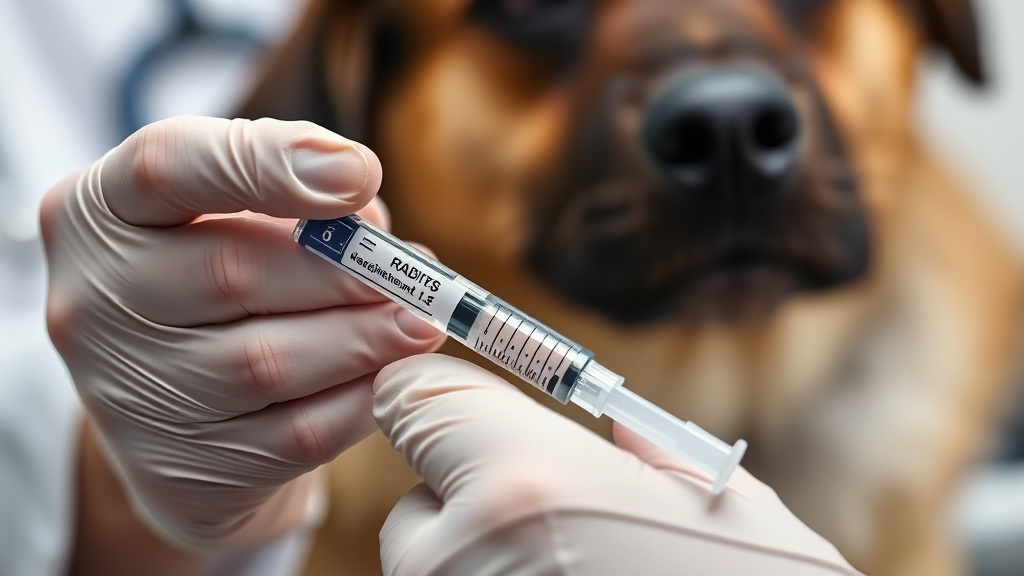
Puppies receive their first rabies vaccination between 12 and 16 weeks of age, though the exact timing may vary based on local regulations and veterinary recommendations. The American Veterinary Medical Association guidelines suggest that puppies should receive their initial rabies vaccine no earlier than 12 weeks of age.
After the initial vaccination, puppies typically need a booster shot one year later, regardless of the type of vaccine used. This first booster is crucial for establishing long-term immunity. The timing is important because maternal antibodies can interfere with vaccine effectiveness in very young puppies.
During this initial vaccination period, it’s important to monitor your puppy for any adverse reactions. While serious side effects are rare, some dogs may experience mild symptoms. If you’re concerned about allergic reactions, you might wonder about safe medications like can dogs have benadryl for managing symptoms, but always consult your veterinarian first.
Adult Dog Vaccination Requirements
Once your dog has completed the initial vaccination series and received their one-year booster, the frequency of rabies shots depends on the type of vaccine used and local regulations. Most adult dogs receive rabies vaccinations every one to three years.
Dogs that received a one-year rabies vaccine will need annual boosters, while those receiving a three-year vaccine can go longer between shots. However, it’s important to note that even with three-year vaccines, some jurisdictions may require more frequent vaccination.
Adult dogs with unknown vaccination histories are treated similarly to puppies, receiving an initial vaccine followed by a booster one year later. This approach ensures adequate protection regardless of previous vaccination status.
Types of Rabies Vaccines and Duration
There are two main types of rabies vaccines available for dogs: one-year and three-year formulations. The choice between these vaccines often depends on local regulations, your dog’s age, and your veterinarian’s recommendations.
One-year rabies vaccines are typically used for puppies receiving their first vaccination or in areas with higher rabies risk. These vaccines require annual boosters to maintain protection. Three-year vaccines are generally used for adult dogs that have already received their initial vaccination series and provide longer-lasting immunity.
Both vaccine types are equally effective at preventing rabies. The FDA’s Center for Veterinary Medicine has approved both formulations as safe and effective for preventing rabies in dogs.

Legal Requirements by State and Region
Rabies vaccination requirements vary significantly by state and even by county or municipality. Most states require rabies vaccination for dogs, but the frequency and specific requirements differ. Some states mandate annual vaccination, while others allow three-year intervals for adult dogs.
The American Veterinary Medical Association maintains resources about state-specific requirements. It’s essential to check with your local animal control office or veterinarian to understand the specific requirements in your area.
Failure to comply with rabies vaccination laws can result in fines, quarantine requirements, or other legal consequences. Additionally, if your dog bites someone and isn’t current on rabies vaccination, the consequences can be severe, including potential euthanasia for rabies testing.
Special Circumstances and Considerations
Certain situations may require modified vaccination schedules or special considerations. Dogs with compromised immune systems, elderly dogs, or those with chronic illnesses may need individualized vaccination plans developed in consultation with a veterinarian.
Dogs that travel frequently or live in high-risk areas may benefit from more frequent vaccination or additional precautions. Similarly, working dogs that spend significant time outdoors or in contact with wildlife may require enhanced protection protocols.
If your dog experiences health issues that might affect their immune response, your veterinarian might recommend adjusting the vaccination schedule. For instance, if your dog is ill and you’re monitoring symptoms like fever, knowing how to tell if a dog has a fever can help you communicate effectively with your veterinarian about the best timing for vaccination.
Potential Side Effects and What to Watch For
While rabies vaccines are generally safe, some dogs may experience mild side effects. Common reactions include soreness at the injection site, mild fever, or temporary lethargy. These symptoms typically resolve within 24-48 hours without treatment.
More serious allergic reactions are rare but can occur. Signs of a severe reaction include facial swelling, difficulty breathing, vomiting, or collapse. These symptoms require immediate veterinary attention. The American Kennel Club provides detailed information about vaccine reactions and what to watch for.
Some owners worry about giving medications alongside vaccines, but certain treatments may be necessary. If your dog has allergies that require management, understanding options like how much benadryl can i give my dog can be helpful, though you should always consult your veterinarian before administering any medication.
Maintaining Vaccination Records
Keeping accurate vaccination records is crucial for several reasons. These records are required for boarding, grooming, travel, and compliance with local laws. Most veterinarians provide vaccination certificates that include the vaccine manufacturer, lot number, and expiration date of protection.
Digital record-keeping has become increasingly popular, with many veterinary practices offering online portals where you can access your dog’s vaccination history. Some pet owners also use smartphone apps to track vaccination dates and set reminders for upcoming boosters.
In case of a bite incident or potential rabies exposure, having immediate access to current vaccination records can prevent unnecessary quarantine or testing procedures. The Humane Society recommends keeping both physical and digital copies of vaccination records.
It’s also worth noting that if your dog becomes ill from other causes, such as can dogs get the flu, having complete vaccination records helps veterinarians provide the best possible care by understanding your dog’s overall health management history.
Frequently Asked Questions
How often do puppies need rabies shots compared to adult dogs?
Puppies receive their first rabies shot between 12-16 weeks of age, followed by a booster one year later. After this initial series, adult dogs typically receive rabies vaccinations every 1-3 years depending on the vaccine type and local regulations. The initial puppy schedule is more intensive to ensure proper immunity development.
Can I give my dog a rabies shot myself, or does it need to be administered by a veterinarian?
Rabies vaccinations must be administered by a licensed veterinarian or under veterinary supervision to be legally valid. Self-administered vaccines are not accepted for legal compliance, boarding, or travel requirements. Additionally, veterinary administration ensures proper handling, storage, and documentation of the vaccine.
What happens if my dog’s rabies vaccination expires?
If your dog’s rabies vaccination expires, they are considered unprotected and non-compliant with local laws. You should schedule a vaccination appointment immediately. Depending on how long the vaccination has been expired, your veterinarian may treat it as an initial vaccination requiring a booster in one year rather than continuing the previous schedule.
Are there any dogs that cannot receive rabies vaccines due to health conditions?
Very few dogs are medically exempt from rabies vaccination. Dogs with severe immunocompromising conditions or those currently undergoing certain treatments may need delayed vaccination, but complete exemptions are rare. Veterinarians work with pet owners to find safe vaccination schedules even for dogs with health challenges, as the risk of rabies exposure typically outweighs vaccination risks.
How much do rabies shots typically cost for dogs?
Rabies vaccination costs vary by location and veterinary practice, typically ranging from $20 to $100. Low-cost vaccine clinics offered by animal shelters or mobile clinics may provide more affordable options. The cost is minimal compared to the legal and health consequences of not maintaining current vaccination, and many areas offer financial assistance programs for pet owners in need.
Can indoor dogs skip rabies vaccinations since they don’t go outside?
No, indoor dogs still require rabies vaccinations as required by law in most areas. Rabies can enter homes through bats or other wildlife, and even indoor dogs occasionally escape or need emergency veterinary care. Legal requirements apply to all dogs regardless of lifestyle, and vaccination provides essential protection for both the pet and public health.
What should I do if my dog is bitten by a wild animal and their rabies vaccination is current?
If your vaccinated dog is bitten by a wild animal, contact your veterinarian immediately for guidance. Even with current vaccination, a booster shot may be recommended, and the incident should be reported to local animal control. The wild animal should be tested for rabies if possible. Current vaccination significantly reduces risk but doesn’t eliminate the need for proper post-exposure protocols.





