
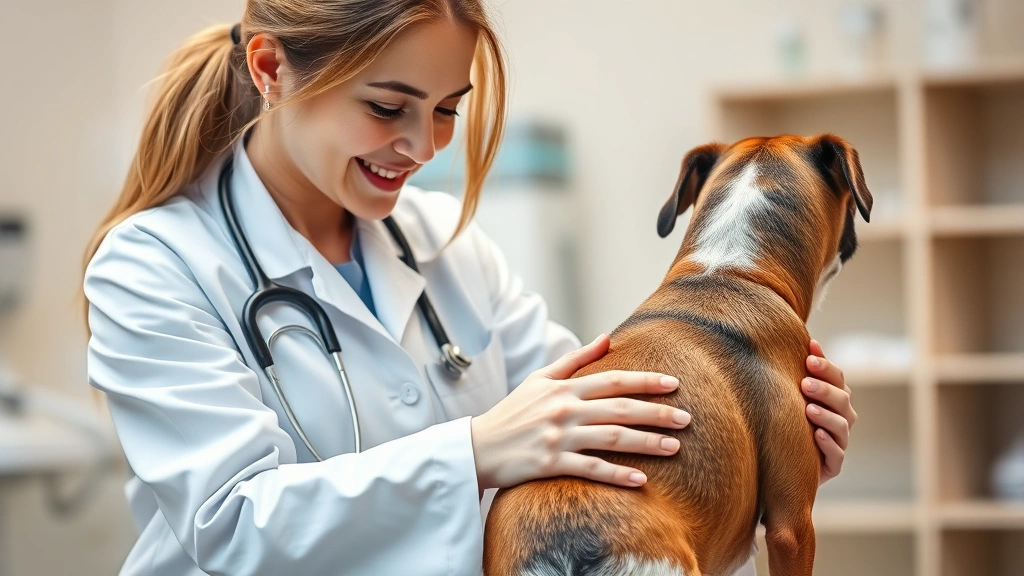
If you’ve ever wondered how often to express dog glands, you’re not alone—this is one of the most common questions we hear from pet parents who want to keep their furry friends comfortable and healthy. Anal gland expression might not be the most glamorous topic in pet care, but it’s absolutely crucial for your dog’s wellbeing, and understanding the right frequency can save you from some seriously unpleasant situations (and vet bills).
Table of Contents
- Understanding Your Dog’s Anal Glands: What They Actually Do
- How Often Should You Express Dog Anal Glands?
- Signs Your Dog’s Anal Glands Need Attention
- Breeds and Dogs Most Prone to Anal Gland Problems
- Professional Expression vs. DIY: What You Need to Know
- Diet and Anal Gland Health: The Connection
- Complications: When Anal Gland Issues Get Serious
- Prevention: Keeping Those Glands Happy
- When to Seek Veterinary Help
- The Bottom Line: Most Dogs Don’t Need Regular Expression
- Frequently Asked Questions
Understanding Your Dog’s Anal Glands: What They Actually Do
Before we dive into the nitty-gritty of expression schedules, let’s talk about what these mysterious little glands actually are. Your dog has two anal glands (also called anal sacs) located on either side of their anus, right at the 4 and 8 o’clock positions. These glands produce a smelly, oily secretion that’s completely natural and serves an important purpose in the dog world.
In the wild, dogs use these gland secretions to mark territory and communicate with other dogs. It’s basically their version of leaving a calling card. When your dog poops, these glands normally empty naturally—it’s a built-in system that works like a charm for most dogs. However, for some pups, this system needs a little extra help from their humans (or their vet).
How Often Should You Express Dog Anal Glands?
Here’s the straightforward answer: most healthy dogs never need manual anal gland expression. Yep, you read that right. For the average pooch, those glands empty on their own during regular bowel movements, and that’s the end of the story. No intervention needed, no awkward vet visits required.
However, some dogs are prone to anal gland issues and may need expression every 4 to 12 weeks. Small breeds, overweight dogs, and those with digestive issues are particularly susceptible to problems. If your dog falls into this category, your vet will give you specific recommendations based on their individual needs. This is where remote pet health monitoring can help you track patterns and communicate with your vet about frequency.
Signs Your Dog’s Anal Glands Need Attention
So how do you know if your dog is having anal gland troubles? Watch for these telltale signs:
- Scooting: Your dog dragging their rear end across the floor like they’re doing the world’s most undignified slide. This is the classic sign.
- Excessive licking: If your pup is obsessively licking or biting at their rear end, something’s definitely up.
- Foul odor: An unusually strong, fishy smell coming from your dog’s backside.
- Discomfort: Reluctance to sit, whining, or visible pain when defecating.
- Visible discharge: Brown or bloody fluid on their tail, bedding, or rear area.
If you notice any of these symptoms, it’s time to call your vet. Don’t try to express the glands yourself unless your veterinarian has specifically trained you to do so—improper technique can cause serious injury or infection.
Breeds and Dogs Most Prone to Anal Gland Problems
Certain dogs are more susceptible to anal gland issues than others. Small breeds like Chihuahuas, Toy Poodles, and Dachshunds seem to have a particular predisposition, along with overweight dogs of any breed. Dogs with loose stools or chronic diarrhea also struggle more, since firm stools naturally compress and empty the glands better than soft ones.
If your dog is overweight, maintaining a healthy weight through proper nutrition can actually help prevent anal gland problems. Check out our guide on pet food safety to ensure your pup is eating the right diet for their size and age.
Professional Expression vs. DIY: What You Need to Know
Let’s be real—expressing anal glands isn’t exactly a fun task. Many pet owners prefer to leave this job to the professionals, and honestly, that’s probably the safest bet. Groomers and veterinarians have the training and experience to do this quickly and safely.

If your dog needs regular expression (every 4-8 weeks), your groomer might be able to handle it during regular grooming appointments, which can save you vet visit costs. Some vets teach their clients how to express glands at home, but this should only be attempted under professional guidance.
The internal expression method (inserting a finger into the rectum) should absolutely be left to professionals. The external method, where pressure is applied from outside, is slightly safer for home use but still risky if done incorrectly. When in doubt, let the pros handle it.
Diet and Anal Gland Health: The Connection
Here’s something that surprises many pet owners: diet plays a huge role in anal gland health. Dogs that eat high-quality food with adequate fiber tend to have fewer gland problems because they produce firmer stools. Firm stools naturally massage and empty the glands during defecation.
If your dog has chronic anal gland issues, your vet might recommend adding fiber to their diet through supplements, pumpkin, or switching to a higher-fiber dog food. Some dogs also benefit from digestive enzymes or probiotics. Before making any dietary changes, consult with your vet or check our resource on when to call the vet about food.
Complications: When Anal Gland Issues Get Serious
Ignoring anal gland problems can lead to serious complications. An impacted gland can become infected, leading to an abscess—a painful pocket of pus that can rupture through the skin. This is not only incredibly painful for your dog but also requires aggressive veterinary treatment, including antibiotics and sometimes surgical drainage.
In rare cases, untreated anal gland infections can lead to sepsis or other life-threatening conditions. This is why it’s important to address symptoms early. If your dog is showing signs of anal gland distress, don’t delay in getting them checked out.
Prevention: Keeping Those Glands Happy
The best approach is prevention. Here are some strategies to keep anal gland problems at bay:
- Maintain a healthy weight: Obesity is a major risk factor for anal gland issues.
- Feed high-quality food: Look for foods with adequate fiber and digestible proteins.
- Ensure regular exercise: Active dogs tend to have better digestive health overall.
- Monitor bowel movements: Firm, regular stools are a sign of good anal gland health.
- Stay hydrated: Proper hydration supports digestive health.
- Regular vet checkups: Your vet can catch problems early.
When to Seek Veterinary Help
Contact your vet immediately if your dog shows signs of anal gland problems, especially if they’re experiencing pain, bleeding, or if you notice an abscess forming. Don’t wait to see if it resolves on its own—anal gland issues rarely improve without intervention.
If your dog has had anal gland problems before, establish a relationship with your vet to create a maintenance plan. Some dogs benefit from regular preventive expression every 6-8 weeks, while others might only need it once or twice a year. Your vet will help determine the right schedule for your individual dog.
For any concerns about your dog’s overall health or if you’re unsure whether symptoms warrant a vet visit, check out our guide on pet poison hotline and emergency resources.
The Bottom Line: Most Dogs Don’t Need Regular Expression
Here’s what you really need to remember: the vast majority of healthy dogs never need anal gland expression. Their bodies are designed to handle this naturally. Only dogs with specific risk factors or chronic issues need regular expression, typically ranging from every 4 to 12 weeks depending on their individual situation.
Pay attention to your dog’s behavior and body signals. If they’re not scooting, not excessively licking their rear, and not showing signs of discomfort, their anal glands are probably just fine. Trust your dog’s body to do what it’s designed to do, and only intervene when necessary.
Frequently Asked Questions
Can I express my dog’s anal glands at home?
While some pet owners do this under veterinary guidance, it’s risky without proper training. Improper technique can injure the delicate tissue or cause infection. It’s safest to have a professional (vet or groomer) handle it. If your vet teaches you the proper technique, always follow their instructions carefully.
How much does anal gland expression cost?
Professional expression typically costs between $50-$150 at a vet clinic, depending on your location and whether it’s done during a regular visit or requires sedation. Groomers often charge $15-$30 for the service during regular grooming appointments, making it a more budget-friendly option for dogs needing regular maintenance.
Why does my dog keep scooting even after expression?
If scooting continues after expression, there might be other issues at play—allergies, parasites, skin irritation, or dietary problems. Return to your vet for further evaluation. Chronic scooting isn’t normal and warrants investigation beyond just anal gland issues.
Are anal gland problems contagious between dogs?
No, anal gland problems aren’t contagious. However, if multiple dogs in your household have issues, they might share common risk factors like diet, weight, or breed predisposition. Address these factors with your vet’s help.
Can diet alone prevent anal gland problems?
Diet is a major factor, but not always the complete solution. While high-fiber diets help many dogs, some breeds and individuals are genetically predisposed to gland issues. A combination of proper diet, weight management, exercise, and regular vet checkups provides the best prevention strategy.





