
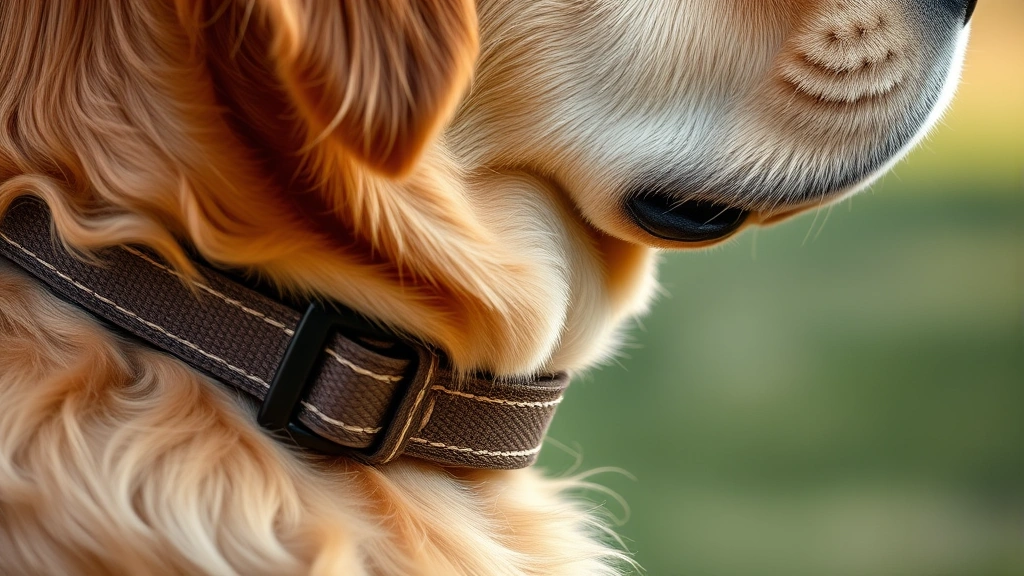
Figuring out how tight should a dog collar be is one of those pet parent questions that seems simple until you’re standing in front of your furry friend with a collar in hand, wondering if you’re doing it right. Too loose, and Fido becomes a escape artist. Too tight, and you’re risking serious discomfort or even injury. The sweet spot? It’s actually easier to find than you think, and we’re here to walk you through it.
Table of Contents
- The Two-Finger Rule: Your New Best Friend
- Understanding Proper Dog Collar Fit and Comfort
- Different Collar Types and Their Fitting Requirements
- Measuring Your Dog’s Neck: The How-To
- Growing Puppies and Seasonal Adjustments
- Signs Your Dog’s Collar Is Too Tight
- When to Use a Harness Instead of a Collar
- ID Tags and Collar Comfort
- Checking Collar Fit: A Regular Routine
- Professional Fitting Help and Guidance
- Common Mistakes Dog Owners Make
- Travel and Temporary Collar Changes
- Age-Specific Collar Fitting Considerations
- Summary: Getting the Collar Fit Right
- Frequently Asked Questions
The Two-Finger Rule: Your New Best Friend
The golden standard for dog collar fitting is what vets and trainers call the “two-finger rule.” Here’s how it works: once your collar is fastened around your dog’s neck, you should be able to slip two fingers (index and middle) comfortably between the collar and your dog’s neck. Not one finger—that’s too tight. Not three fingers—that’s too loose. Two fingers is the Goldilocks zone.
Why two fingers? This measurement ensures your dog has enough breathing room while preventing the collar from slipping over their head or getting caught on things. It’s a practical, vet-approved standard that works across all dog sizes and breeds. Whether you’ve got a Chihuahua or a Great Dane, this rule applies.
Understanding Proper Dog Collar Fit and Comfort
A properly fitted collar shouldn’t leave marks on your dog’s neck or cause any visible irritation. After removing the collar, your dog’s fur should look normal—not matted, not raw, not discolored. If you notice any of these signs, the collar is too tight and needs immediate adjustment.
Your dog should also be able to move their neck freely without restriction. Watch them turn their head, look up, and look down. If they seem stiff or uncomfortable, loosen things up. Remember, dogs communicate discomfort through behavior. If your pup is constantly scratching at their collar, shaking their head excessively, or seeming agitated, that’s a red flag that something’s not right with the fit.
Different Collar Types and Their Fitting Requirements
Not all collars are created equal, and different styles have different fitting considerations. A standard flat collar works great for most dogs and should follow the two-finger rule. Martingale collars, which tighten slightly when pulled, need careful fitting—they should never be so tight that they restrict breathing even when extended. Harnesses distribute pressure differently and might feel snug in ways that a traditional collar doesn’t.
Chain collars and choke chains are controversial tools that require professional guidance to fit safely. If you’re using one, please consult with a certified professional trainer. The same goes for prong collars—they’re not toys and demand expert knowledge. For everyday use, stick with standard collars or harnesses unless you have specific training reasons to use something else.
Measuring Your Dog’s Neck: The How-To
Before you even buy a collar, grab a soft measuring tape and measure your dog’s neck at the spot where the collar will sit. This is usually right at the base of the neck, where it meets the shoulders. Write down that measurement and add one to two inches to account for the two-finger rule. This gives you the collar size you need.
If you’re shopping online, always check the size chart. A small collar might fit a Poodle perfectly but strangle a Lab. Conversely, a large collar will slip right off a toy breed. When in doubt, go with adjustable collars—they give you flexibility as your pup grows or if you need to fine-tune the fit.
Growing Puppies and Seasonal Adjustments
Puppies grow like weeds, and that adorable collar that fit perfectly last month might be strangling your pup by next month. Check the fit weekly on growing dogs. You’ll need to adjust or replace collars frequently during the first year of life. It’s annoying, sure, but it’s worth it to keep your puppy comfortable and safe.
Even adult dogs can experience seasonal changes in neck size. A dog in winter coat might need a slightly looser collar than in summer. Check the fit with those two fingers every few weeks, especially as seasons change. It’s a quick habit that prevents problems down the road.
Signs Your Dog’s Collar Is Too Tight
Knowing what to look for is half the battle. A collar that’s too tight can cause hair loss, skin irritation, and behavioral changes. You might notice your dog coughing, gagging, or having difficulty swallowing. Some dogs become anxious or aggressive when wearing an uncomfortable collar—it’s their way of saying something’s wrong.
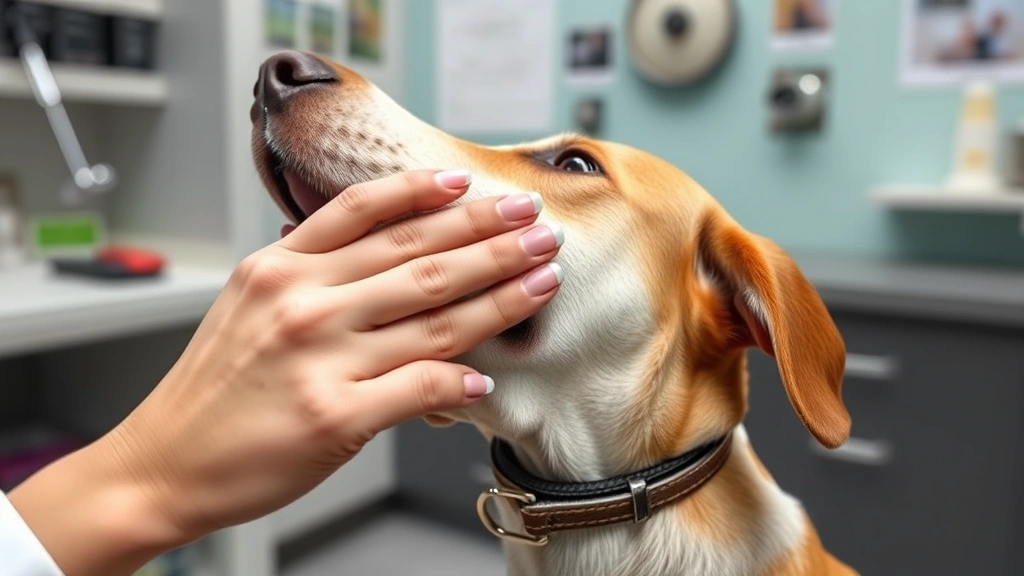
Tracheal collapse, a serious condition where the windpipe weakens, can be exacerbated by tight collars. While genetics play a role, excessive pressure around the neck doesn’t help. If your dog is a breed prone to tracheal issues (like small breeds), be extra vigilant about collar tightness. Consider using a harness instead, which distributes pressure across the chest and back rather than concentrating it on the throat.
When to Use a Harness Instead of a Collar
Sometimes a collar just isn’t the best choice. Dogs with respiratory issues, senior dogs with neck problems, or pups prone to pulling benefit from a well-fitted harness. Harnesses distribute pressure more evenly and give you better control without the choking risk that comes with collar-based leashes.
Puppies in training also do well with harnesses. They’re less likely to develop bad pulling habits when the pressure isn’t concentrated on their neck. Check out our Telehealth Vet Appointments guide if you want professional advice on whether a harness is right for your specific dog.
ID Tags and Collar Comfort
Those cute ID tags serve an important purpose, but they add weight to the collar. Make sure the tags aren’t pulling the collar down or creating pressure points. If you have multiple tags, consider consolidating them or using a tag holder that keeps them from jingling and pulling. A comfortable collar is one where your dog forgets they’re wearing it—and that’s the goal.
Checking Collar Fit: A Regular Routine
Make collar-checking part of your regular pet care routine. Every week, slip those two fingers under the collar and assess the fit. It takes thirty seconds and can prevent serious problems. As recommended by the American Kennel Club, regular fitting checks are essential for your dog’s safety and comfort.
If you notice any issues—rubbing, hair loss, behavioral changes—loosen the collar immediately and reassess. Sometimes the solution is as simple as adjusting a buckle. Other times, you might need a different style or size. Trust your instincts and your dog’s behavior as your guide.
Professional Fitting Help and Guidance
If you’re unsure about the fit, ask your vet or a professional groomer. They fit collars all day and can give you personalized advice for your specific dog. Some pet stores also offer fitting services. There’s no shame in asking for help—getting it right matters for your dog’s wellbeing.
Resources like PetMD offer detailed guidance on collar fitting, and your vet’s office is always a great resource. When it comes to your dog’s comfort and safety, professional input is worth its weight in gold.
Common Mistakes Dog Owners Make
The biggest mistake? Assuming a collar fits because it came in the right size. Sizing varies wildly between brands. The second mistake is never checking the fit after purchase. The third? Not adjusting as the dog grows or seasons change. These oversights are easy to fix once you know about them.
Another common error is using the collar as a handle for lifting or restraining. Even a properly fitted collar isn’t designed to bear your dog’s full weight. Use it for walking and ID purposes, but grab the harness or support the dog’s body when you need to lift or move them forcefully.
Travel and Temporary Collar Changes
If you’re traveling or your dog is staying somewhere new, make sure anyone caring for them knows how to check the collar fit. A boarding facility or pet sitter should understand the two-finger rule. Leave written instructions if needed. Collars can shift during travel, and you want to make sure they’re still properly fitted.
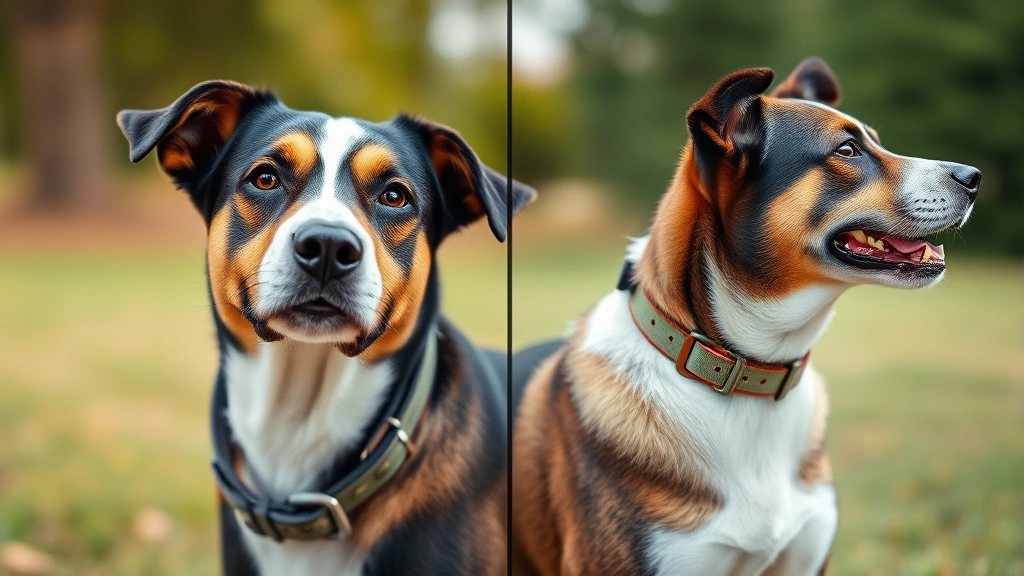
Consider ID tags with your phone number as backup. If your dog does slip their collar (it happens!), at least someone can call you. Our guide on Pet Nutrition Advice includes tips on keeping your dog healthy while traveling, which ties into overall comfort and wellbeing.
Age-Specific Collar Fitting Considerations
Puppies need frequent adjustments as they grow. Adult dogs need regular checks but less frequent changes. Senior dogs sometimes develop neck arthritis or other issues that make tight collars uncomfortable—be especially mindful with older pups. A dog in their golden years deserves maximum comfort, and a properly fitted collar is part of that care.
For senior dogs, a harness might be the better choice entirely. It reduces strain on aging joints and the neck area. Check out our resource on Senior Pet Friendly Human Foods for more comprehensive senior dog care tips.
Summary: Getting the Collar Fit Right
The answer to “how tight should a dog collar be” comes down to comfort and safety. Use the two-finger rule as your baseline, check the fit regularly, and watch your dog for signs of discomfort. A properly fitted collar is snug enough to prevent escape but loose enough to allow breathing and movement. It should leave no marks, cause no irritation, and let your dog forget they’re wearing it.
Remember, every dog is different. What works for your neighbor’s dog might not work for yours. Pay attention to your individual pup’s needs, trust the professional guidance of vets and trainers, and adjust as needed. Your dog’s comfort is worth the effort.
Frequently Asked Questions
Can I use the two-finger rule for all collar types?
The two-finger rule works for standard flat collars and most adjustable collars. Specialized collars like martingales or harnesses may have different fitting guidelines. Always follow the manufacturer’s instructions and consult a professional if you’re unsure.
How often should I check my dog’s collar fit?
Check weekly for puppies and growing dogs, and at least monthly for adults. More frequent checks are wise during seasonal coat changes or if you notice any behavioral changes related to the collar.
What should I do if my dog’s collar is too tight?
Loosen it immediately. If you can’t get it loose enough, remove it and measure your dog’s neck to find the correct size. Watch for signs of irritation and contact your vet if you notice hair loss, redness, or behavioral changes.
Is a harness better than a collar?
It depends on your dog. Harnesses are better for dogs with respiratory issues, those prone to pulling, and senior dogs. Collars are fine for most healthy adult dogs when fitted correctly. Discuss the best option for your specific dog with your vet.
Can a tight collar cause behavioral problems?
Yes. An uncomfortable collar can cause anxiety, aggression, and other behavioral issues. If your dog’s behavior changes after getting a new collar, check the fit immediately. A comfortable collar should be forgotten by your dog.





