
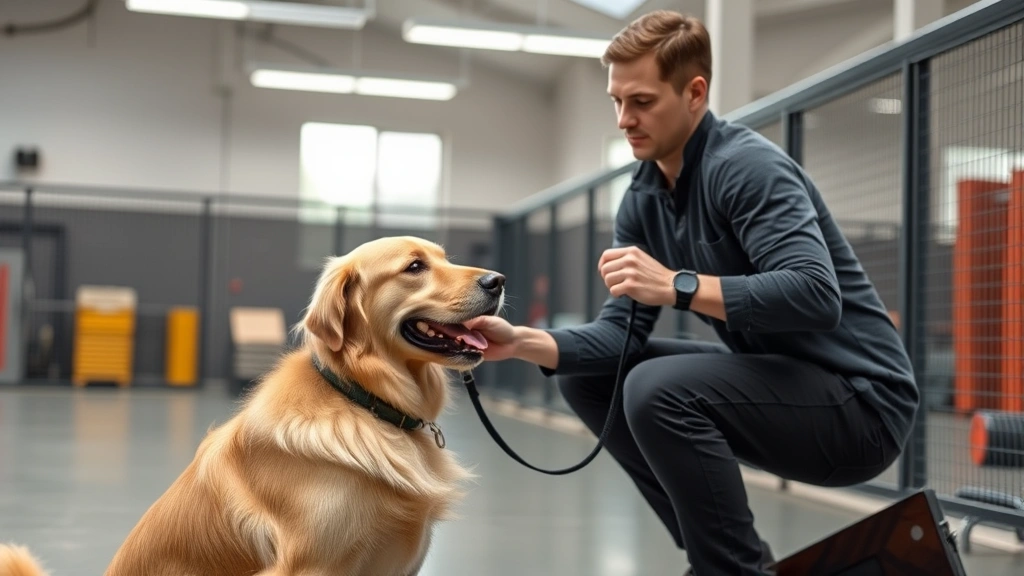
Learning how to become a service dog trainer is one of the most rewarding career paths you can take if you’re obsessed with dogs and want to make a real difference in people’s lives. We’re talking about training dogs that literally become lifelines for people with disabilities—no pressure, right? But here’s the thing: it’s totally doable, and this guide will walk you through every step of the journey.
Table of Contents
- What Exactly Is a Service Dog Trainer?
- Educational Requirements for Service Dog Training
- Get Certified Through Recognized Organizations
- Hands-On Training Experience Is Non-Negotiable
- Understand Service Dog Tasks and Specializations
- Learn About Handler Matching and Placement
- Develop Business and Communication Skills
- Stay Current With Industry Standards and Laws
- Build Your Professional Network
- Consider Specialization in Specific Breeds
- Invest in Continuing Education
- Frequently Asked Questions
- Conclusion: Your Path Forward
What Exactly Is a Service Dog Trainer?
Before you dive headfirst into this career, let’s clarify what service dog trainers actually do. These aren’t your typical dog trainers teaching Fido to sit and stay (though that’s part of it). Service dog trainers specialize in training dogs to perform specific tasks for people with disabilities—mobility assistance, seizure alert, PTSD support, diabetes detection, you name it. It’s specialized work that requires patience, knowledge, and a genuine love for both dogs and helping people. The American Kennel Club recognizes the importance of this work, and they’ve set standards that many trainers follow.
Educational Requirements for Service Dog Training
Here’s where things get real: there’s no single “service dog trainer degree” you can grab. However, you’ll want to build a solid educational foundation. Most successful trainers start with formal education in animal behavior, dog training, or a related field. Look for:
- Associate’s degrees in animal science or canine behavior
- Certification programs through recognized organizations
- Online courses in dog training fundamentals
- Apprenticeships with established service dog organizations
Many trainers combine multiple educational paths. You might start with a general dog training certification, then specialize in service dog work through hands-on experience. It’s like building your resume one good boy at a time.
Get Certified Through Recognized Organizations
Certification isn’t mandatory by law, but it’s basically your golden ticket in this industry. Organizations like the International Association of Canine Professionals (IACP) and the Certification Council for Professional Dog Trainers (CCPDT) offer credentials that employers actually respect. These certifications typically require:

- Minimum training hours (usually 1,000-2,000)
- Hands-on experience with multiple dog breeds
- Written and practical exams
- Continuing education requirements
Think of certification as proof that you know your stuff and can handle the responsibility of training a dog that’ll be someone’s partner in life.
Hands-On Training Experience Is Non-Negotiable
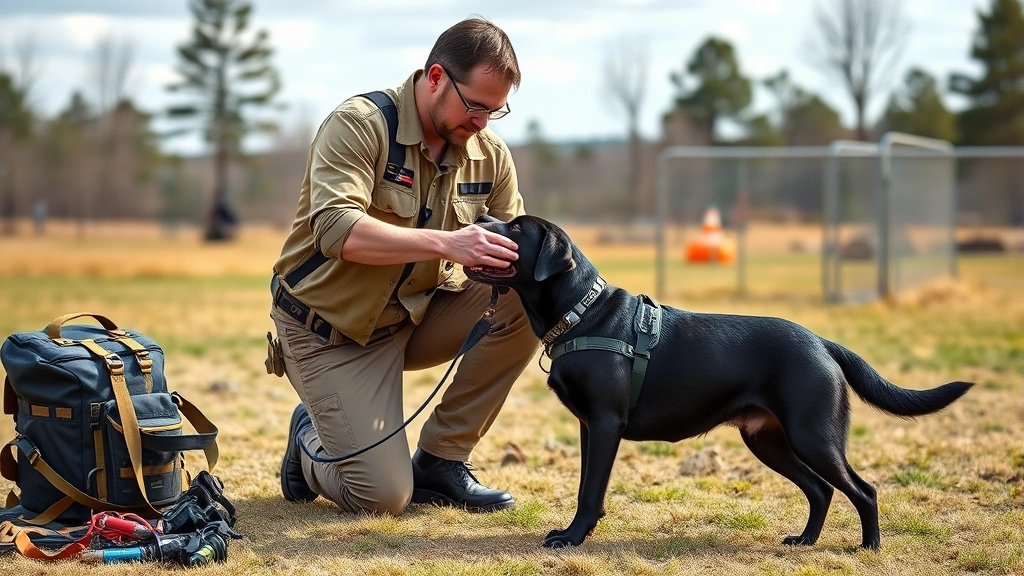
You can’t learn service dog training from a textbook alone—trust us, we’ve tried. You need real-world experience working with actual dogs in training. Start by:
- Volunteering at service dog organizations
- Apprenticing under experienced trainers
- Working at dog training facilities
- Fostering service dogs in training
This is where you’ll learn that training a service dog is completely different from training a pet dog. You’re dealing with behavioral issues, health considerations, and the emotional weight of knowing this dog will change someone’s life. Consider exploring different dog breeds and their personalities to understand how temperament varies across types.
Understand Service Dog Tasks and Specializations
Service dogs aren’t one-size-fits-all. Different handlers need different tasks. You’ll want to develop expertise in specific areas:

- Mobility Assistance Dogs: Help people with physical disabilities with balance, retrieving items, and opening doors
- Psychiatric Service Dogs: Provide support for PTSD, anxiety, depression, and other mental health conditions
- Diabetic Alert Dogs: Detect blood sugar changes and alert their handlers
- Seizure Alert Dogs: Warn handlers of impending seizures
- Hearing Dogs: Alert deaf or hard-of-hearing individuals to sounds
Most trainers specialize in one or two areas because each requires deep knowledge and skill development. You’re essentially becoming an expert in canine behavior modification and task training.
Learn About Handler Matching and Placement
Training the dog is only half the battle. A massive part of becoming a service dog trainer involves understanding how to match dogs with the right handlers. This requires:
- Assessing handler needs and lifestyle
- Evaluating dog temperament and capabilities
- Understanding the handler’s disability and specific requirements
- Providing ongoing support after placement
You’ll need to be part trainer, part therapist, and part matchmaker. The relationship between handler and dog is sacred, so getting it right matters enormously. This is also where knowledge about nutrition becomes relevant—you’ll advise handlers on proper pet nutrition to keep their service dogs healthy and performing optimally.
Develop Business and Communication Skills
Whether you work for an organization or start your own service dog training business, you’ll need solid business chops. This includes:

- Understanding liability and insurance
- Managing client relationships
- Creating training plans and documentation
- Marketing your services
- Handling financial aspects
You’re not just a dog trainer—you’re a professional providing a critical service. That means acting like it in every interaction.
Stay Current With Industry Standards and Laws
The service dog industry is constantly evolving. You need to stay updated on:
- Americans with Disabilities Act (ADA) guidelines
- State and local service dog laws
- New training methodologies and research
- Ethical standards in the industry
The ADA has specific rules about what qualifies as a service dog versus an emotional support animal, and trainers need to understand these distinctions inside and out. PetMD and veterinary resources can help you stay informed about health and behavioral standards.
Build Your Professional Network
Success in service dog training often comes down to who you know. Build relationships with:

- Other service dog trainers
- Veterinarians specializing in behavioral medicine
- Organizations that place service dogs
- Disability advocacy groups
- Potential clients and handlers
Attend conferences, join professional organizations, and engage with the community. You might even explore complementary services like telehealth vet appointments to understand how modern veterinary care integrates with service dog training.
Consider Specialization in Specific Breeds
While service dogs come in many shapes and sizes, certain breeds excel in this work. Understanding breed-specific traits helps you:
- Select appropriate dogs for training
- Tailor training methods to breed temperament
- Communicate breed capabilities to potential handlers
Labs, Golden Retrievers, and German Shepherds dominate the service dog world for good reason, but smaller breeds like Cavachons can also succeed in certain roles. Each breed brings different strengths to the table.
Invest in Continuing Education
Your training doesn’t end once you’re certified. The best service dog trainers are lifelong learners who:

- Attend workshops and seminars
- Read current research on dog behavior
- Take advanced certification courses
- Learn from mentors and peers
- Adapt to new training methodologies
The field evolves, new challenges emerge, and you need to evolve with it. This commitment to growth separates mediocre trainers from exceptional ones.
Frequently Asked Questions
How long does it take to become a service dog trainer?
Most people spend 2-5 years developing the necessary skills and certifications. This includes formal education (1-2 years), hands-on apprenticeship (1-3 years), and certification coursework. It’s not a quick path, but it’s absolutely worth it.
Do I need a degree to become a service dog trainer?
A formal degree isn’t legally required, but it’s highly recommended. Many successful trainers have degrees in animal science, biology, or psychology. At minimum, you should pursue certification from recognized organizations.
What’s the difference between a service dog trainer and a dog trainer?
Service dog trainers specialize in training dogs for specific tasks related to disabilities, while general dog trainers focus on obedience and behavior modification for pets. Service dog training requires additional specialized knowledge and certification.
Can I start my own service dog training business?
Yes, but you’ll need proper certification, liability insurance, and a solid reputation first. Most successful trainers work with established organizations for several years before going independent. Build your credibility before hanging your own shingle.
What’s the salary potential for service dog trainers?
Salaries vary widely based on location, experience, and whether you’re employed or self-employed. Entry-level trainers might earn $25,000-$35,000, while experienced trainers can make $50,000-$80,000+ annually. Some successful independent trainers earn significantly more.
What personal qualities make a good service dog trainer?
Patience, empathy, attention to detail, physical fitness, and genuine love for dogs are essential. You also need strong communication skills, problem-solving abilities, and the emotional resilience to handle setbacks when training doesn’t go as planned.
Conclusion: Your Path Forward
Learning how to become a service dog trainer requires dedication, education, hands-on experience, and a genuine passion for improving lives. There’s no single pathway, but the combination of formal education, certification, apprenticeship, and continuous learning will set you up for success. You’ll face challenges—dogs that don’t cooperate, handlers with complex needs, and the emotional weight of knowing you’re changing lives. But when you see a handler and their service dog working together seamlessly, you’ll know every hour of training was worth it. Start your journey today, stay committed to learning, and remember: you’re not just training dogs; you’re creating lifelines for people who need them.





