

How to Clean a Dog Wound: Expert Guide
Discovering your beloved dog has a wound can be stressful, but knowing how to properly clean it can make all the difference in preventing infection and promoting faster healing. Whether your furry friend has a minor scrape from playtime or a more serious injury, understanding the right steps to take is essential for responsible pet ownership.
Dog wounds vary in severity—from small cuts and abrasions to puncture wounds and lacerations. While minor wounds can often be managed at home with proper care, knowing when to seek veterinary attention is equally important. This comprehensive guide will walk you through everything you need to know about cleaning dog wounds safely and effectively.
In this article, you’ll discover professional techniques used by veterinarians, the best supplies to keep on hand, and critical warning signs that require immediate professional care. Let’s dive into the details of wound care that every dog owner should understand.
Understanding Dog Wounds
Before you begin cleaning, it’s important to understand what type of wound your dog has sustained. Different wounds require different approaches, and mishandling can lead to complications. Wounds can be classified into several categories: abrasions (surface-level scrapes), lacerations (deep cuts with irregular edges), puncture wounds (small but deep holes), and avulsions (tissue torn away).
Abrasions are the most common wounds seen in active dogs and typically affect only the outer skin layer. These wounds may bleed minimally but can be quite painful due to exposed nerve endings. Lacerations are more serious and can involve deeper tissue layers, requiring more careful cleaning and potentially professional attention. Puncture wounds are particularly concerning because they can trap bacteria deep within the tissue, creating a risk for serious infections even if the surface looks minor.
The location of the wound also matters significantly. Wounds on the paw pads, face, or joints may require special attention due to the constant movement and moisture in these areas. Understanding what causes hot spots on dogs can also help you recognize secondary skin infections that might develop from improper wound care.

Preparing Your Cleaning Supplies
Proper preparation is half the battle when it comes to wound care. Having all your supplies ready before you begin will make the process smoother and less stressful for both you and your dog. Here’s what you’ll need:
- Clean, non-shedding cloths or gauze – Essential for cleaning and drying
- Saline solution or lukewarm water – The safest cleaning agents for dog wounds
- Tweezers – For removing debris like dirt, grass, or gravel
- Antibiotic ointment – Talk to your vet about whether you can put Neosporin on a dog, as some dogs may have sensitivities
- Bandages and adhesive tape – For protecting the wound after cleaning
- Elizabethan collar – To prevent your dog from licking the wound
- Styptic powder – Helpful for controlling bleeding if needed
- Hydrogen peroxide – Though you should research whether hydrogen peroxide is safe for dogs before using it
Keep these supplies in an easily accessible pet first aid kit. Having everything prepared means you can act quickly if your dog gets injured, which can significantly improve outcomes. Consider keeping your kit in a clearly marked container in your home and another in your vehicle for emergencies.
Step-by-Step Wound Cleaning Process
Now that you’re prepared, let’s walk through the proper technique for cleaning your dog’s wound. This process should be done calmly and carefully to minimize stress for your pet.
Step 1: Assess the Wound – Begin by examining the wound carefully without touching it. Look for signs of deep tissue involvement, excessive bleeding, or embedded objects. If your dog is in severe pain or the wound appears serious, skip to the veterinary care section below.
Step 2: Calm Your Dog – Have someone help you if possible. Speak in a soothing voice and consider having treats available as positive reinforcement. A calm dog is easier to work with and less likely to make sudden movements that could worsen the injury.
Step 3: Control Bleeding – If the wound is bleeding heavily, apply gentle pressure with a clean cloth for 5-10 minutes. Don’t remove the cloth to check if bleeding has stopped, as this can restart the process. If bleeding doesn’t slow after 10 minutes, contact your veterinarian.
Step 4: Remove Debris – Once bleeding is controlled, gently remove any visible debris using tweezers. Work carefully to avoid pushing debris deeper into the wound. If your dog has been in a situation where ticks might be present, knowing how to remove a tick from your dog is important to prevent further complications.
Step 5: Flush the Wound – Using lukewarm saline solution or clean water, gently flush the wound. You can use a syringe without a needle or a clean spray bottle. Flush thoroughly to remove dirt, bacteria, and debris. The goal is to clean without causing additional trauma to the tissue.
Step 6: Pat Dry – Use a clean, non-shedding cloth or sterile gauze to gently pat the wound dry. Avoid rubbing, which can cause irritation. Leave the area slightly moist rather than bone dry, as some moisture is beneficial for healing.
Step 7: Apply Medication – Once dry, you may apply an appropriate antibiotic ointment if your veterinarian has recommended one. Apply a thin layer and avoid overapplication, which can trap moisture and bacteria.
Safe Cleaning Solutions for Dogs
Choosing the right cleaning solution is crucial because many common household disinfectants can be toxic to dogs or damage healthy tissue. Let’s discuss the safest options:
Saline Solution – This is the gold standard for wound cleaning. It’s isotonic, meaning it has the same salt concentration as body fluids, making it gentle on tissue while effectively removing contaminants. You can purchase sterile saline solution at any pharmacy, or make your own by mixing one teaspoon of salt in one cup of distilled water.
Lukewarm Water – Plain, clean water is often sufficient for minor wounds. Use water that’s been boiled and cooled or filtered water to minimize bacteria introduction. The warmth helps open pores and can soothe irritation.
Solutions to Avoid – Never use alcohol, iodine, or bleach on dog wounds. These can damage healthy tissue and cause pain. While hydrogen peroxide is sometimes used on dog wounds, it should be used sparingly and only on superficial wounds, as it can damage tissue and trap oxygen bubbles that create an environment for anaerobic bacteria.
Always consult your veterinarian about which cleaning solutions are best for your specific situation. What works for one dog might not be ideal for another depending on the wound type and your dog’s individual sensitivities.
After Cleaning: Dressing and Care
The cleaning process is just the beginning of wound care. How you care for the wound after cleaning significantly impacts healing time and infection risk. Once you’ve cleaned the wound, the next steps are equally important for optimal recovery.
Bandaging – For minor surface wounds, bandaging may not be necessary unless the wound is on a paw pad or in a location where dirt exposure is likely. For more serious wounds, use sterile gauze secured with medical tape or a pet-safe bandage. Change bandages daily or whenever they become wet or soiled.
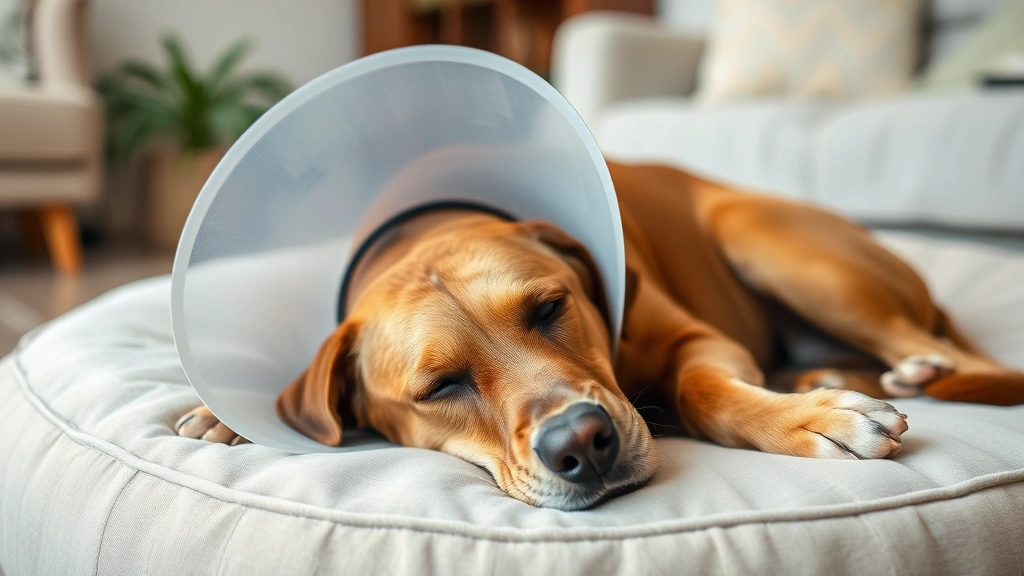
Preventing Licking – Dogs instinctively lick their wounds, which can introduce bacteria and prevent healing. An Elizabethan collar (cone) is often necessary to prevent this behavior. While your dog might not love wearing it, it’s essential for preventing complications. Some pet owners use specially designed recovery suits as an alternative.
Monitoring for Signs of Infection – After cleaning, monitor the wound daily for increased redness, swelling, discharge, or odor. These could indicate infection. Also, knowing how to tell if your dog has a fever can help you catch systemic infections early.
For more comprehensive information about the healing process, check out our guide on how to heal a dog wound fast at home, which covers longer-term recovery strategies and nutritional support for optimal healing.
When to Seek Veterinary Help
Not all wounds can be managed at home. Knowing when professional help is needed can prevent serious complications and potentially save your dog’s life. Seek immediate veterinary attention if:
- The wound is deep or shows signs of tissue damage beneath the skin
- The wound has jagged or gaping edges that won’t stay together
- Bleeding cannot be controlled after 10 minutes of pressure
- The wound is located on the face, eye, or genitals
- The wound was caused by a bite from another animal (high infection risk)
- You suspect the wound contains foreign objects you cannot safely remove
- The wound is larger than a quarter inch in diameter or longer than a half inch
- Your dog shows signs of shock (pale gums, rapid breathing, weakness)
- The wound is dirty or contaminated with feces or other hazardous materials
- Your dog is not up-to-date on tetanus protection (though less common in dogs than humans)
Your veterinarian may need to suture the wound, provide antibiotics, or perform other treatments depending on severity. Don’t hesitate to call your vet—it’s better to be cautious with your dog’s health.
Preventing Infection and Complications
Prevention is always better than treatment. Understanding how infections develop and taking steps to prevent them is crucial for successful home wound care. Bacterial infection is the most common complication of dog wounds and can develop quickly if proper precautions aren’t taken.
Keep It Clean – Continue to clean the wound gently once or twice daily with saline solution until it shows signs of healing. Healing typically involves the wound becoming smaller, less red, and developing a protective scab or new skin tissue.
Maintain Good Hygiene – Always wash your hands before and after handling the wound. Use clean supplies each time you clean or dress the wound. Change bandages daily and discard used materials properly.
Watch for Environmental Contamination – Keep your dog from playing in dirt, mud, or water while the wound is healing. Limit outdoor time if possible, or use protective clothing or bandaging. Even minor contamination can lead to serious infections.
Nutrition Supports Healing – Ensure your dog is receiving adequate protein and essential nutrients. A high-quality diet supports immune function and tissue repair. Your veterinarian can recommend supplements if needed.
Manage Pain and Stress – Pain and stress can impair healing. Follow your veterinarian’s recommendations for pain management, and keep your dog calm during recovery. Stress weakens immune response, making infection more likely.
Know the Signs of Serious Infection – Watch for increasing redness, swelling, warmth around the wound, discharge that becomes thick or discolored, or foul odor. These signs warrant immediate veterinary attention, as systemic infection (sepsis) can develop rapidly and become life-threatening.
Frequently Asked Questions
How often should I clean my dog’s wound?
For the first 24-48 hours after injury, you may clean the wound every 2-4 hours if it’s dirty or bleeding. After initial healing begins, once or twice daily cleaning is usually sufficient. Always follow your veterinarian’s specific recommendations for your dog’s wound.
Can I use human antibiotic ointment on my dog?
While many human antibiotic ointments are not toxic to dogs, some contain ingredients that can be harmful if ingested during licking. Always check with your veterinarian before using any human products on your dog. They may recommend pet-specific alternatives that are safer.
How long does a dog wound typically take to heal?
Minor surface wounds usually show significant improvement within 1-2 weeks. Deeper wounds may take 3-4 weeks or longer to heal completely. The healing timeline depends on wound severity, location, your dog’s age and health, and how well you follow care instructions.
What should I do if my dog won’t stop licking the wound?
The best solution is an Elizabethan collar (cone), which physically prevents licking. If your dog resists the cone, try a recovery suit designed for dogs. As a last resort, keep your dog supervised at all times and redirect behavior when licking occurs. Never leave an unsupervised dog with an unprotected wound.
Is it normal for a wound to have some discharge while healing?
Some clear or slightly yellowish discharge is normal as the body cleans and heals the wound. However, thick, green, or foul-smelling discharge indicates infection and requires veterinary attention. The amount of discharge should decrease over time as healing progresses.
Can I bathe my dog while the wound is healing?
Avoid submerging the wound in water (baths or swimming) until it’s significantly healed—usually at least 1-2 weeks. You can give your dog a sponge bath, being careful to keep the wound dry. If the wound must get wet, apply waterproof bandaging and dry it thoroughly afterward.
Should I use a cone if the wound is on my dog’s body rather than a limb?
Yes, absolutely. Dogs can reach most areas of their body with their mouths. If your dog shows any attempt to lick or bite at the wound, a cone is necessary regardless of location. Persistent licking can turn a minor wound into a serious problem.





