
Every dog owner has faced the dreaded moment when their beloved pet leaves an unexpected mess on the carpet. Whether it’s a puppy accident during house training, an elderly dog losing control, or an illness-related incident, cleaning dog poop from carpet is an inevitable part of pet ownership. The key to successfully removing these stains lies in acting quickly and using the right techniques to prevent permanent damage to your flooring.
Understanding how to clean dog poop out of carpet effectively can save you from costly professional cleaning services and preserve the life of your carpets. With the right approach, tools, and cleaning solutions, you can tackle even the most stubborn stains and eliminate lingering odors that might encourage repeat accidents in the same spot.
Immediate Action Steps
The moment you discover dog poop on your carpet, time becomes your most valuable ally. Acting swiftly can mean the difference between a minor cleanup and a permanent stain that haunts your carpet for years to come. The first rule of carpet stain removal is never to panic – while the situation may seem overwhelming, most accidents can be completely resolved with proper technique.
Begin by removing any solid waste carefully using a plastic bag or disposable gloves. Avoid pressing down on the waste, as this can push it deeper into the carpet fibers and padding underneath. Instead, gently lift and scrape away the material from the outside edges working toward the center. This technique prevents the stain from spreading to a larger area.
If the accident involves loose or liquid stool, which might be related to diarrhea issues, use paper towels to blot up as much moisture as possible. Press firmly but avoid rubbing, which can work the waste deeper into the carpet pile. Continue blotting with fresh paper towels until no more moisture transfers to the towels.
Essential Cleaning Supplies
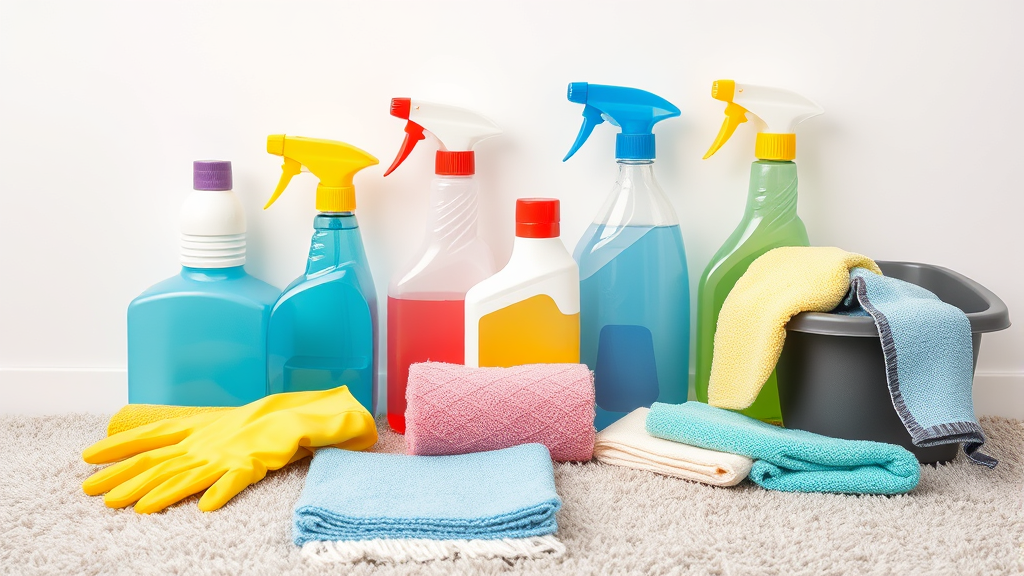
Having the right cleaning supplies readily available can make the cleanup process significantly more manageable. Create a carpet cleaning kit that you can quickly access whenever accidents occur. This preparation will help you respond effectively before stains have time to set permanently.
Your basic carpet cleaning arsenal should include rubber gloves, plastic bags for waste removal, paper towels or clean white cloths, a spray bottle, and a scrub brush with soft bristles. Additionally, keep enzyme-based cleaners specifically designed for pet accidents, white vinegar, baking soda, and dish soap on hand. According to the American Veterinary Medical Association, it’s important to avoid cleaners containing ammonia, as these can attract pets back to the same spot.
For more challenging situations, consider investing in a carpet cleaning machine or spot cleaner. These devices can provide deeper cleaning power and are particularly useful for homes with multiple pets or frequent accidents. The Humane Society recommends having these tools available for thorough cleanup and odor elimination.
Step-by-Step Cleaning Process
Once you’ve removed the solid waste and gathered your supplies, follow this systematic approach to ensure complete stain and odor removal. Start by testing any cleaning solution on an inconspicuous area of your carpet to ensure it won’t cause discoloration or damage to the fibers.
Create a cleaning solution using one tablespoon of liquid dish soap mixed with two cups of warm water. Using a clean cloth, gently blot the stained area with this solution, working from the outside edges toward the center. This technique prevents the stain from spreading and helps lift the contamination from the carpet fibers. Avoid scrubbing vigorously, as this can damage the carpet texture and push stains deeper.
After treating with the soap solution, rinse the area with clean water to remove any soap residue. Blot dry with clean towels, then apply an enzyme-based cleaner specifically designed for pet accidents. These cleaners contain beneficial bacteria that break down organic matter and eliminate odors at the molecular level. Allow the enzyme cleaner to work according to the manufacturer’s instructions, typically 10-15 minutes.
Odor Elimination Techniques
Eliminating odors completely is crucial for preventing your dog from returning to the same spot for future accidents. Dogs have an incredibly sensitive sense of smell, and even traces of odor that humans can’t detect may signal to your pet that this area is an acceptable bathroom location.
Enzyme cleaners are the gold standard for odor elimination because they actually break down the odor-causing compounds rather than simply masking them. Unlike traditional cleaners that may leave residual scents, enzyme cleaners eliminate the source of the problem. The Iowa State University Extension emphasizes the importance of using biological cleaners for organic stains.
For persistent odors, create a baking soda paste by mixing baking soda with a small amount of water. Apply this paste to the cleaned area and allow it to sit overnight. Baking soda naturally absorbs odors and moisture. Vacuum the dried paste the following day, and repeat if necessary. Understanding why dogs eat poop can also help you address behavioral issues that might contribute to accidents.
Natural Cleaning Remedies
Many pet owners prefer natural cleaning solutions, especially in homes with children or pets who might be sensitive to chemical cleaners. Natural remedies can be equally effective when used properly and are often safer for your family and the environment.
White vinegar serves as an excellent natural cleaner and deodorizer. Mix equal parts white vinegar and water in a spray bottle, then apply to the affected area after initial cleanup. The acetic acid in vinegar helps break down organic matter and neutralizes odors. However, test this solution in an inconspicuous area first, as vinegar can potentially affect some carpet dyes.
Another effective natural approach combines hydrogen peroxide with baking soda. Mix one part 3% hydrogen peroxide with two parts water, spray on the stain, then sprinkle baking soda over the area. This combination creates a powerful cleaning reaction that lifts stains and eliminates odors. The National Capital Poison Center notes that these household ingredients are generally safe when used as directed.
Commercial Cleaning Products
The pet care market offers numerous commercial products specifically formulated for cleaning pet accidents from carpets. These products often provide superior results compared to homemade solutions, particularly for stubborn or set-in stains.
Look for cleaners that contain enzymes, as these biological agents specifically target the proteins and bacteria found in pet waste. Popular brands include Nature’s Miracle, Anti Icky Poo, and Rocco & Roxie Professional Strength Stain Remover. These products are designed to penetrate deep into carpet fibers and padding to eliminate both stains and odors completely.
When selecting commercial cleaners, read labels carefully to ensure they’re safe for your specific carpet type. Some cleaners work better on synthetic carpets, while others are formulated for natural fibers like wool. The Carpet and Rug Institute provides guidelines for selecting appropriate cleaning products based on carpet construction.
Prevention and Training Tips
While knowing how to clean accidents is essential, preventing them in the first place is even better. Consistent house training, regular bathroom schedules, and attention to your dog’s health can significantly reduce carpet accidents.
Establish a regular feeding and bathroom schedule for your dog. Most dogs need to eliminate shortly after eating, first thing in the morning, and last thing at night. Puppies and senior dogs may need more frequent opportunities. If your dog is having frequent accidents, consider consulting your veterinarian to rule out medical issues such as digestive problems that might require dietary adjustments.
Address house training challenges immediately. If you notice your dog consistently having accidents in the house, review your training approach and consider consulting a professional dog trainer. Understanding house training techniques can prevent future carpet cleaning emergencies.
Deep Cleaning Methods
Sometimes surface cleaning isn’t enough, particularly for older stains that have penetrated deep into the carpet pad or subfloor. Deep cleaning methods may be necessary to completely restore your carpet and eliminate persistent odors.
Steam cleaning or hot water extraction can reach deep into carpet fibers and padding to remove embedded contaminants. Rent or purchase a carpet cleaning machine, or hire professional services for severe contamination. When using steam cleaning, ensure the carpet dries completely to prevent mold and mildew growth.
For extreme cases where stains have reached the carpet pad or subfloor, you may need to replace affected sections. Signs that replacement is necessary include persistent odors despite thorough cleaning, visible staining that extends beyond the carpet surface, or recurring problems in the same area. In cases of recurring digestive issues, addressing underlying health problems may be necessary to prevent future accidents.
Frequently Asked Questions
How quickly should I clean dog poop from carpet?
You should clean dog poop from carpet immediately upon discovery. The longer waste sits on carpet, the deeper it penetrates into fibers and padding, making removal more difficult. Fresh accidents are much easier to clean completely than those that have dried or set for hours.
Can I use regular household cleaners on dog poop stains?
While some household cleaners can help, avoid products containing ammonia or bleach, as these can set stains permanently or create toxic fumes. Enzyme-based cleaners specifically designed for pet accidents are most effective. The ASPCA provides guidance on safe cleaning products around pets.
Why does my dog keep having accidents in the same spot?
Dogs often return to previously soiled areas because they can still smell traces of their waste, even after cleaning. This indicates incomplete odor removal. Use enzyme cleaners specifically designed for pet accidents, and ensure thorough treatment of the area including the carpet padding underneath.
Should I use hot or cold water for cleaning dog poop stains?
Use warm (not hot) water for cleaning dog poop stains. Hot water can set protein-based stains permanently into carpet fibers. Warm water is effective for cleaning while being gentle on carpet materials. The Environmental Protection Agency recommends testing water temperature before applying to stains.
How can I prevent my carpet from getting stained again?
Prevention involves consistent house training, maintaining regular bathroom schedules, addressing health issues promptly, and using protective measures like washable rugs in accident-prone areas. If your dog has digestive issues requiring special dietary management, work with your veterinarian to minimize accidents.
When should I call professional carpet cleaners?
Consider professional cleaning for large stains, multiple accidents in the same area, stains that have penetrated to the carpet pad, or persistent odors despite thorough home cleaning. Professionals have specialized equipment and cleaning solutions that can address severe contamination more effectively than household methods.
Is it safe to use vinegar on all types of carpet?
While white vinegar is generally safe for most carpets, always test in an inconspicuous area first. Some natural fiber carpets or certain dyes may react negatively to acidic solutions. When in doubt, consult your carpet manufacturer’s care instructions or use pH-neutral cleaners designed for your specific carpet type.





