
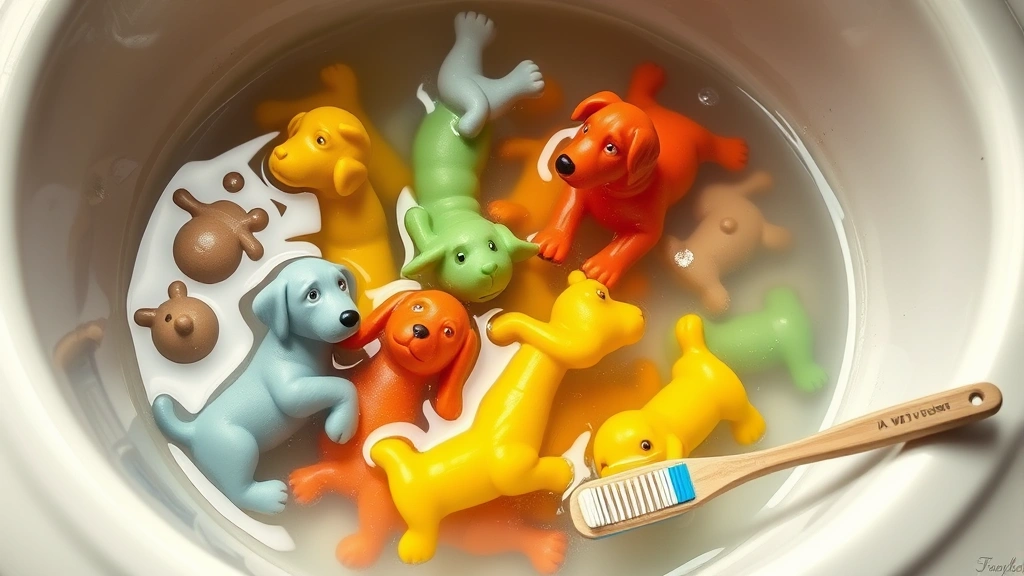
Learning how to clean dog toys is one of those pet parent responsibilities that sounds boring but actually saves your pup from a world of gross bacteria, mold, and mystery gunk. Your dog’s toys are basically portable petri dishes—they get slobbered on, dragged through dirt, left in water bowls, and sometimes buried in the backyard. If you’re not regularly cleaning them, you’re basically giving your furry friend a biology experiment instead of a toy. Let’s talk about the five best methods to keep those toys fresh, safe, and actually enjoyable for your dog.
Table of Contents
- Why Cleaning Dog Toys Matters More Than You Think
- Method 1: The Hot Water Wash for Rubber and Plastic Toys
- Method 2: Dishwasher Cleaning for Durable Toys
- Method 3: Boiling Water Treatment for Deep Sanitization
- Method 4: Washing Machine Cleaning for Fabric and Plush Toys
- Method 5: Vinegar Soak for Natural Disinfection
- How Often Should You Clean Dog Toys?
- Signs Your Dog Toys Need Immediate Cleaning
- Best Practices for Toy Maintenance and Storage
- Special Considerations for Different Toy Types
- When to Replace Toys Instead of Cleaning Them
- Budget-Friendly Toy Cleaning Tips
- Frequently Asked Questions
- Summary
Why Cleaning Dog Toys Matters More Than You Think
Here’s the thing: your dog doesn’t care if their toy looks gross. But you should, because bacteria and mold can actually make your pup sick. Toys that sit in moisture become breeding grounds for pathogens that can cause ear infections, skin issues, and digestive problems. Plus, if your dog has any cuts or scrapes in their mouth (which happens), contaminated toys can turn a minor issue into something requiring a vet visit. Think of toy cleaning as preventative medicine—it’s way cheaper than dealing with emergency vet visits for food poisoning or infections. Regular toy maintenance also extends the life of your dog’s favorite toys, which means less money spent on replacements and fewer trips to the pet store.
Method 1: The Hot Water Wash for Rubber and Plastic Toys
This is the easiest method for most dog toys, especially rubber and plastic ones. Fill your sink or a bucket with hot water—not boiling, just hot enough that you can barely hold your hand in it. Add a splash of white vinegar (about 1 part vinegar to 4 parts water) or a tiny squirt of pet-safe dish soap. Submerge your toys and let them soak for 10-15 minutes. Use an old toothbrush to scrub away any stubborn gunk, paying special attention to crevices and ridges where bacteria love to hide. Rinse thoroughly under running water until all soap residue is gone, then air dry completely before giving them back to your dog. This method works great for Kong toys, rubber balls, and plastic chew toys that won’t be damaged by heat.
Method 2: Dishwasher Cleaning for Durable Toys
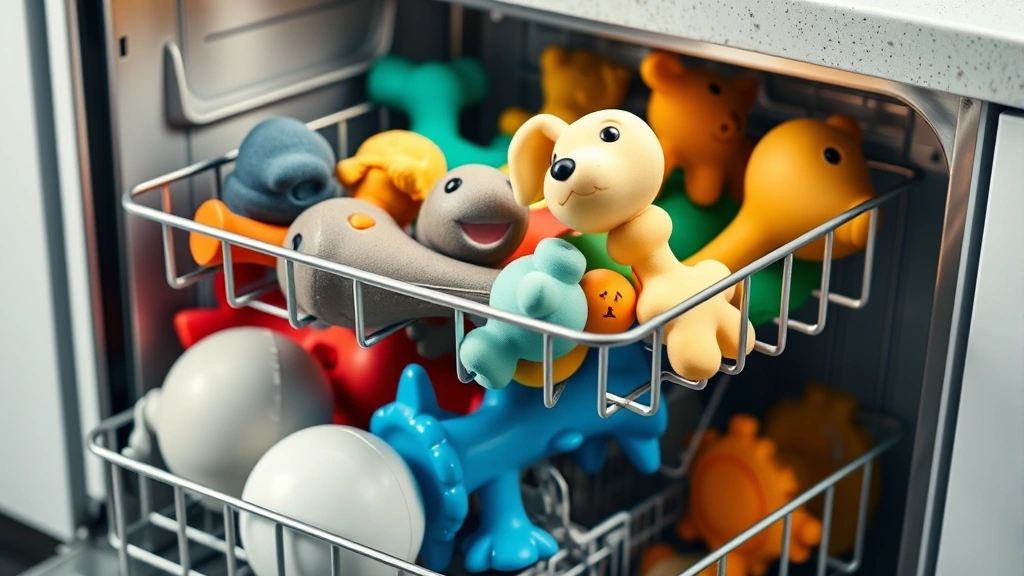
If your dog toys are dishwasher-safe (check the label first!), you’ve just found the laziest way to clean dog toys. Toss them in the top rack of your dishwasher, skip the heated dry cycle, and let the hot water and jets do the work. This method is particularly effective for rubber toys and hard plastic toys that can withstand high temperatures. The advantage here is that you’re getting consistent, thorough cleaning without doing any manual scrubbing. Just remember: always air dry afterward, and never use commercial dishwasher detergent with strong chemicals. If your dishwasher has a sanitize cycle, that’s even better for killing off stubborn bacteria. This hands-off approach is perfect for busy pet parents who have a dozen toys to clean.
Method 3: Boiling Water Treatment for Deep Sanitization
When you really need to bring out the heavy artillery, boiling is your answer. Bring a large pot of water to a rolling boil, then carefully place your toys inside (use tongs to avoid burns). Let them boil for 5-10 minutes depending on the toy’s size and material. This method kills virtually everything—bacteria, mold, viruses, the whole nine yards. It’s especially useful if your dog has been sick recently or if you’re introducing a new toy that’s been sitting in storage. The downside? You need to be careful not to damage heat-sensitive toys, and you’ll need to use tongs to fish them out without scalding yourself. Let them cool completely before your dog gets them back. This is the nuclear option of toy cleaning, and it’s worth doing once a month or whenever you suspect serious contamination.
Method 4: Washing Machine Cleaning for Fabric and Plush Toys
Fabric toys, rope toys, and plush toys need gentler treatment than their rubber cousins. Toss them in a mesh laundry bag (this keeps them from getting tangled) and run them through a cold or warm water cycle on the gentle setting. Skip the fabric softener and bleach—use plain water or add a tiny bit of pet-safe detergent if they’re really dirty. For extra sanitization, you can add white vinegar instead of detergent. The gentle cycle prevents excessive wear and tear while still getting them clean. Air dry completely afterward, and make sure they’re completely dry before your dog gets them back, because damp fabric toys can develop mold faster than you can say “gross.” This method is perfect for those rope toys that seem to accumulate more dirt than anything else your dog owns.
Method 5: Vinegar Soak for Natural Disinfection
If you’re the all-natural type or just want to avoid chemicals, the vinegar soak is your jam. Mix equal parts white vinegar and water in a bucket or sink, then submerge your toys for 15-30 minutes. Vinegar is a natural disinfectant that kills bacteria and mold without any harsh chemicals. After soaking, scrub with an old toothbrush if needed, rinse thoroughly (because nobody wants their dog’s toy to smell like a salad), and air dry completely. This method works for almost any toy material and is especially good if your dog has sensitive skin or you’re just paranoid about chemical residue. The best part? Vinegar is cheap, it’s already in your kitchen, and it actually works. Just make sure to rinse really well so your pup doesn’t think they’re playing with a salad dressing bottle.
How Often Should You Clean Dog Toys?
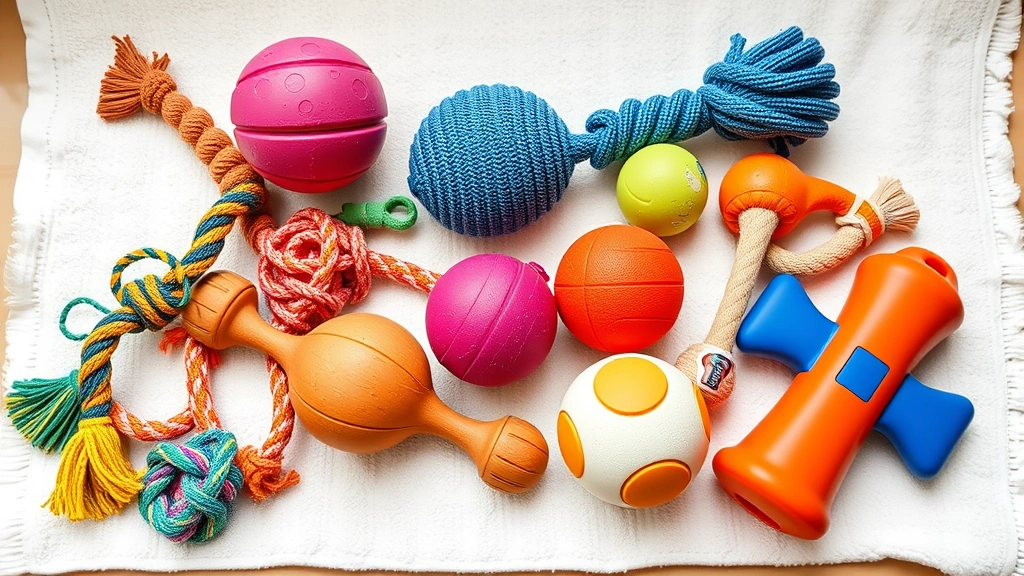
The frequency depends on how much your dog uses the toys and where they play. If your dog is an outdoor enthusiast who loves rolling in mud, you might need to clean toys weekly. For indoor dogs with less aggressive play styles, every two weeks is usually fine. Toys that get wet frequently (like those used at the beach or pool) should be cleaned more often because moisture accelerates bacterial growth. If you notice visible dirt, smell anything funky, or see mold starting to grow, clean immediately. Pro tip: rotate your dog’s toys so they’re not all in constant rotation. This gives you time to clean some while your dog plays with others, and it also keeps your pup from getting bored with the same toys.
Signs Your Dog Toys Need Immediate Cleaning
Some toys send out obvious distress signals that they need cleaning right now. Visible mold or discoloration is the biggest red flag—if it looks sketchy, it probably is. A musty or unpleasant smell means bacteria are throwing a party in there. Sticky residue, crusty buildup, or anything that looks like it came from a swamp all indicate urgent cleaning needs. If your dog has been sick recently, all toys should be cleaned immediately, especially if they’ve been in their mouth. Toys that have been left in water bowls overnight definitely need cleaning. And if you find a toy that’s been hiding under the couch for three weeks, give it the full treatment before giving it back to your pup. When in doubt, clean it out—it takes five minutes and could prevent a vet visit.
Best Practices for Toy Maintenance and Storage
Cleaning is only half the battle; storage matters too. Keep toys in a dry, cool place where moisture and mold can’t take hold. A basket in a closet beats leaving them in a damp garage or outside. Make sure toys are completely dry before storing them, because even a little moisture can lead to mold growth. Inspect toys regularly for damage—torn seams, missing pieces, or deteriorating material should get toys retired before they become choking hazards. Store toys away from direct sunlight when possible, as UV rays can break down materials and create cracks where bacteria hide. If you have multiple dogs, consider cleaning toys more frequently since they’re sharing germs. Check out our guide on pet food safety for more information about keeping your dog’s environment clean and healthy.
Special Considerations for Different Toy Types
Not all toys are created equal, and they don’t all clean the same way. Kong toys with the rubber exterior and hollow interior need special attention—make sure water gets inside during cleaning and dries completely afterward, or you’ll create a mold factory. Rope toys are notorious for harboring bacteria in their fibers, so the washing machine method works best for these. Squeaky toys need careful drying because moisture can damage the squeaker mechanism. Tennis balls are surprisingly gross because they absorb moisture and bacteria like a sponge—either wash them frequently or consider replacing them more often. Puzzle toys with multiple crevices require extra scrubbing with a toothbrush to get into all those hiding spots. Plush toys should never be boiled or put in hot water, as this can damage the material and cause stuffing to shift. Always check the manufacturer’s care instructions before cleaning, as some specialty toys have specific requirements.
When to Replace Toys Instead of Cleaning Them
Sometimes cleaning isn’t enough, and it’s time to retire a toy. If a toy has visible tears, punctures, or loose pieces that could become choking hazards, it’s time to say goodbye. Toys that are falling apart despite regular cleaning have reached the end of their life. If a toy has been used so much that the material is deteriorating or disintegrating, cleaning won’t help—your dog could ingest pieces. Toys that have absorbed stains or odors that won’t come out after thorough cleaning might be harboring bacteria you can’t reach. If a toy has been through so much that it’s become a safety concern, it’s better to replace it than risk your dog’s health. The good news? Retiring old toys means you get to buy new ones, which your dog will probably be thrilled about. Just make sure to clean new toys before giving them to your pup, as they may have manufacturing residue or dust.
Budget-Friendly Toy Cleaning Tips
You don’t need fancy cleaning products to keep dog toys fresh. White vinegar is your best friend and costs about two dollars a bottle. Baking soda can be mixed with water to create a gentle scrubbing paste for stubborn grime. Old toothbrushes (yours or your dog’s old ones) work perfectly for scrubbing crevices without spending money on specialty brushes. Your dishwasher is already running anyway, so tossing toys in is free. Hot water from your tap is free. A mesh laundry bag for washing machine cleaning costs a few bucks and lasts forever. You don’t need special pet-safe soaps—plain water works great for most toys. The most expensive part of toy cleaning is usually replacing toys that you let get too gross instead of maintaining them regularly. Spending five minutes a week on toy maintenance saves money on replacements and vet bills down the road. For more information on keeping your dog healthy, check out our article on when to call the vet about food concerns.
Frequently Asked Questions
Can I use bleach to clean dog toys?
No, you should avoid bleach for dog toys. Even diluted bleach can leave residue that’s toxic if your dog ingests it. Stick with vinegar, hot water, or pet-safe soaps instead. If you absolutely must use bleach, dilute it heavily (1 part bleach to 10 parts water), soak for only a few minutes, and rinse extremely thoroughly multiple times. But honestly, vinegar and hot water work just as well without the toxicity risk.
How do I dry dog toys quickly?
Air drying is best, but if you’re in a hurry, you can use a clean cloth to pat toys dry and then place them in a warm (not hot) spot with good air circulation. A fan pointed at the toys speeds up drying. Never use a clothes dryer or direct heat, as this can damage toy materials. If you’re cleaning multiple toys, stagger the cleaning so you always have dry ones available for your dog while others dry.
Are there any toys I shouldn’t clean?
Most toys can be cleaned safely, but always check the manufacturer’s instructions first. Some electronic toys or those with batteries shouldn’t be submerged. Toys with delicate decorations or glued-on parts might not survive vigorous cleaning. When in doubt, use the gentle methods like a vinegar soak or hand washing with a soft cloth rather than aggressive scrubbing or high heat.
What’s the best method for toys my dog uses outdoors?
Outdoor toys need more frequent cleaning since they’re exposed to dirt, mud, and environmental bacteria. Start with a rinse under running water to remove loose dirt, then use the hot water wash or boiling method for thorough sanitization. Weekly cleaning is ideal for outdoor toys. If a toy has been buried or left outside for extended periods, give it the full treatment before your dog plays with it again.
Can I clean toys while my dog is still playing with them?
It’s better to rotate toys so you can clean some while your dog plays with others. This prevents your dog from getting bored and ensures you always have clean toys available. If you need to clean a toy your dog is attached to, swap it with another toy temporarily, clean the favorite, and return it once it’s dry and ready.
Summary
Keeping your dog’s toys clean doesn’t have to be complicated or expensive. Whether you choose hot water washing, dishwasher cleaning, boiling, washing machine cleaning, or vinegar soaks, the important thing is that you’re doing it regularly. Clean toys prevent bacterial infections, extend toy life, and keep your dog healthier overall. Pick the method that works best for your lifestyle and toy collection, then stick with it. Your dog’s health is worth the five minutes a week it takes to keep their toys fresh and safe. Start implementing these methods today, and you’ll notice your pup playing with toys that actually smell and feel clean—which is something both you and your dog will appreciate.





