
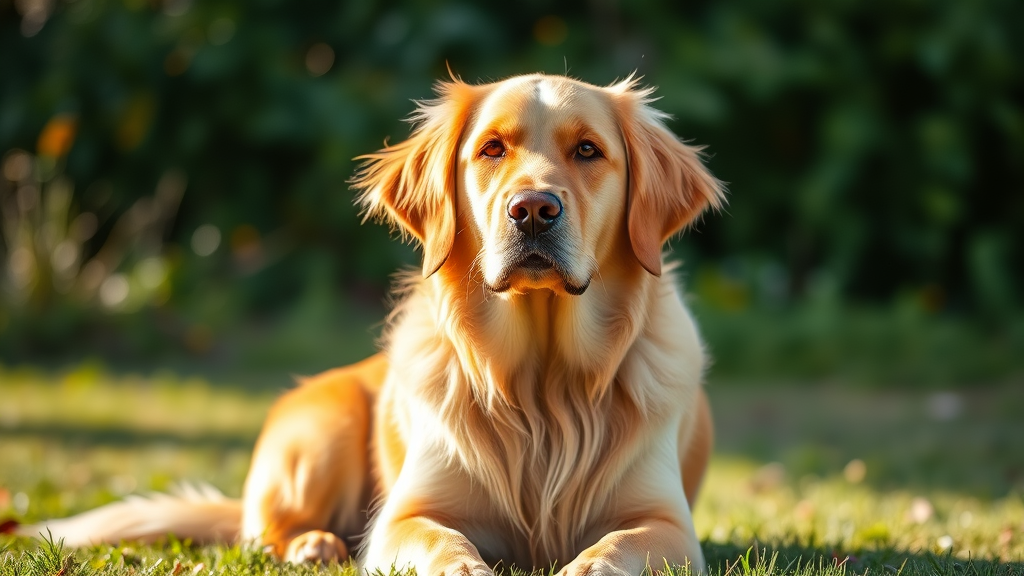
Keeping your dog’s ears clean and healthy is one of the most important yet often overlooked aspects of pet care. Just like humans, dogs can develop ear infections, wax buildup, and other ear-related issues that can cause discomfort and lead to more serious health problems if left untreated. Learning how to clean dogs ears properly is an essential skill every pet owner should master.
Regular ear cleaning not only prevents infections but also allows you to spot potential problems early, from excessive wax buildup to signs of parasites or allergies. While the process might seem daunting at first, with the right approach and tools, cleaning your dog’s ears can become a stress-free routine that strengthens the bond between you and your furry friend. This comprehensive guide will walk you through everything you need to know about maintaining your pup’s ear health.
Understanding Your Dog’s Ear Anatomy
Before learning how to clean dogs ears effectively, it’s crucial to understand the unique structure of canine ears. Unlike human ears, dog ears have an L-shaped ear canal that makes them more prone to trapping moisture, debris, and bacteria. The ear canal consists of a vertical portion that drops down from the ear opening, then takes a sharp horizontal turn toward the eardrum.
This distinctive shape means that debris and moisture can easily become trapped in the lower portion of the canal, creating an ideal environment for bacteria and yeast to thrive. The ear canal is lined with sensitive skin that produces natural oils and wax to protect against foreign particles, but excessive buildup can lead to problems.
Dogs also have much more sensitive hearing than humans, with the ability to detect sounds at frequencies up to 65,000 Hz compared to our 20,000 Hz limit. This heightened sensitivity means that ear problems can be particularly distressing for dogs, potentially affecting their balance and overall well-being. Understanding this anatomy helps explain why gentle, proper cleaning techniques are so important.

Signs Your Dog Needs Ear Cleaning
Recognizing when your dog’s ears need attention is the first step in maintaining good ear health. Healthy dog ears should be pink in color, odor-free, and contain only a small amount of light-colored wax. Several warning signs indicate it’s time for a cleaning session.
The most obvious sign is a strong, unpleasant odor coming from the ears. This smell often indicates bacterial or yeast overgrowth and shouldn’t be ignored. Dark, waxy discharge or excessive earwax buildup is another clear indicator that cleaning is needed. The discharge may range from brown to black and can have a thick, sticky consistency.
Behavioral changes often signal ear discomfort. If your dog is frequently scratching at their ears, shaking their head excessively, or tilting their head to one side, they may be experiencing irritation or infection. You might notice them pawing at their ears or rubbing them against furniture. Some dogs may become sensitive about having their head touched, which could indicate pain or discomfort.
Visual signs include redness or inflammation around the ear opening, swelling of the ear flap, or visible debris in the ear canal. If you notice any of these symptoms, especially if accompanied by unusual behavior like shaking, it’s important to address the issue promptly.
Gathering the Right Supplies
Having the proper supplies makes the ear cleaning process safer and more effective. The most important item is a veterinarian-approved ear cleaning solution. Avoid using household items like hydrogen peroxide, alcohol, or vinegar, which can irritate the sensitive ear canal. Commercial ear cleaners are specifically formulated to dissolve wax and debris while being gentle on the ear tissues.
Cotton balls or gauze pads are essential for wiping away loosened debris and excess cleaner. Never use cotton swabs or Q-tips inside the ear canal, as these can push debris deeper into the ear or potentially damage the eardrum. Cotton swabs should only be used to clean the visible parts of the outer ear.
You’ll also need plenty of towels to protect surfaces and clean up any mess. Some dogs shake their heads vigorously during cleaning, spraying ear cleaner and debris around the area. Having treats on hand helps create positive associations with the cleaning process and rewards your dog for good behavior.
For dogs with excessive hair in their ears, you may need ear powder and hemostats or tweezers to remove hair safely. However, this should typically be done by a professional groomer or veterinarian, as improper hair removal can cause injury.
Step-by-Step Cleaning Guide
Learning how to clean dogs ears properly requires patience and the right technique. Start by choosing a quiet, comfortable location where your dog feels secure. Having another person help restrain anxious dogs can make the process easier and safer for everyone involved.
Begin by examining the ear visually and by smell. If you notice severe redness, swelling, or a foul odor, consult your veterinarian before proceeding with cleaning. For routine maintenance cleaning, start by gently lifting the ear flap to expose the ear canal opening.
Hold the ear cleaner bottle and carefully squeeze the recommended amount into the ear canal. Most cleaners require filling the canal until you see the liquid at the opening. Don’t be afraid to use enough solution – the L-shaped canal holds more liquid than you might expect.
Gently massage the base of the ear for 20-30 seconds. You should hear a squishing sound as the cleaner works to dissolve wax and debris. This massage action helps distribute the cleaner throughout the canal and loosens buildup. Your dog may try to shake their head during this step, which is normal.
After massaging, step back and allow your dog to shake their head naturally. This shaking motion helps bring debris up from the deeper parts of the ear canal. Have towels ready to catch any spray. Once your dog has finished shaking, use cotton balls or gauze to gently wipe away any visible debris and excess cleaner from the outer ear and ear flap.

How Often to Clean Your Dog’s Ears
The frequency of ear cleaning depends on several factors, including your dog’s breed, lifestyle, and individual ear health. Most dogs benefit from weekly ear cleaning, but some may need more or less frequent attention. Dogs with chronic ear problems may require cleaning several times per week, while dogs with naturally clean, healthy ears might only need monthly maintenance.
Active dogs who swim frequently or spend time in dusty environments may need more frequent cleaning to remove trapped debris and moisture. Water activities are particularly concerning because trapped moisture creates an ideal breeding ground for bacteria and yeast. After swimming or bathing, always dry your dog’s ears thoroughly and consider a preventive cleaning.
Dogs with allergies often require more frequent ear cleaning as part of their overall allergy management. Allergic reactions can increase ear wax production and make dogs more susceptible to infections. If your dog shows signs of allergies, such as excessive paw licking, they may benefit from antihistamines like Benadryl, but always consult your veterinarian for proper dosing guidelines.
Over-cleaning can be just as problematic as under-cleaning. Excessive cleaning can irritate the ear canal and disrupt the natural balance of oils and bacteria that help protect the ear. If you’re unsure about the appropriate frequency for your dog, consult with your veterinarian for personalized recommendations.
Breed-Specific Considerations
Different dog breeds have varying ear cleaning needs based on their ear shape, size, and coat characteristics. Dogs with long, floppy ears like Basset Hounds, Cocker Spaniels, and Golden Retrievers are more prone to ear problems because their ear flaps trap moisture and reduce air circulation. These breeds typically require more frequent cleaning and careful monitoring for signs of infection.
Breeds with narrow ear canals, such as Shar Peis and Chow Chows, may be more susceptible to blockages and require gentle, thorough cleaning techniques. The restricted airflow in narrow canals creates conditions that favor bacterial and yeast growth.
Dogs with excessive ear hair, including Poodles, Schnauzers, and many terrier breeds, may need professional hair removal as part of their ear care routine. The hair can trap debris and moisture, leading to infections. However, hair removal should typically be performed by experienced groomers or veterinarians to avoid injury.
Breeds with naturally erect ears, like German Shepherds and Belgian Malinois, generally have fewer ear problems due to better air circulation. However, they can still develop issues, especially if they’re exposed to dusty conditions or have allergies.
According to the American Kennel Club, certain breeds are genetically predisposed to ear problems and require extra attention to ear hygiene throughout their lives.
Warning Signs and When to See a Vet
While routine ear cleaning is safe for most dogs, certain warning signs indicate the need for professional veterinary care. Never attempt to clean ears that show signs of serious infection or injury, as this can worsen the condition or cause additional damage.
Seek immediate veterinary attention if you notice a strong, foul odor that doesn’t improve with cleaning, thick yellow or green discharge, blood in the ear, or signs of pain when touching the ear area. These symptoms may indicate a severe bacterial infection that requires prescription antibiotics.
Neurological symptoms like loss of balance, head tilting that doesn’t resolve, or unusual eye movements can indicate an inner ear infection, which is a serious condition requiring immediate treatment. Similarly, if your dog appears to have hearing loss or doesn’t respond to sounds as usual, professional evaluation is necessary.
Parasites like ear mites can cause intense itching and dark, coffee-ground-like discharge. While not immediately dangerous, ear mites require specific treatments that are only available through veterinarians. Some dogs may also develop external parasites that affect the ear area.
The American Veterinary Medical Association emphasizes that chronic ear problems often indicate underlying issues like allergies or hormonal imbalances that require comprehensive treatment beyond simple cleaning.
Prevention Tips for Healthy Ears
Preventing ear problems is always easier than treating them after they develop. Regular cleaning is just one aspect of comprehensive ear care. Keeping your dog’s ears dry is crucial, especially after swimming, bathing, or exposure to rain. Use a clean, dry towel to gently pat the ears dry, and ensure good air circulation around the ear area.
Diet plays a significant role in ear health. Dogs with food allergies often develop chronic ear infections as a secondary symptom. Working with your veterinarian to identify and eliminate trigger foods can dramatically reduce ear problems. High-quality diets that support immune system function also contribute to overall ear health.
Environmental management helps reduce exposure to allergens and irritants that can trigger ear problems. Regular grooming removes allergens from the coat before they can migrate to the ears. During high pollen seasons, wiping your dog down with a damp cloth after outdoor activities can help remove environmental allergens.
Regular veterinary check-ups allow for early detection of ear problems before they become serious. Annual or bi-annual wellness exams should always include thorough ear examinations. For dogs with chronic ear issues, more frequent veterinary monitoring may be necessary.
The Humane Society recommends establishing a regular ear care routine early in your dog’s life to help them become comfortable with ear handling and cleaning procedures.
Frequently Asked Questions
How often should I clean my dog’s ears?
Most dogs benefit from weekly ear cleaning, but the frequency depends on breed, lifestyle, and individual needs. Dogs with floppy ears or those who swim frequently may need cleaning 2-3 times per week, while dogs with naturally clean ears might only need monthly maintenance. Dogs with chronic ear problems may require more frequent cleaning as directed by a veterinarian. Always avoid over-cleaning, as this can irritate the ear canal.
What should I use to clean my dog’s ears?
Use only veterinarian-approved ear cleaning solutions specifically designed for dogs. These products are formulated to dissolve wax and debris while being gentle on sensitive ear tissues. Never use household items like hydrogen peroxide, alcohol, vinegar, or water, as these can irritate or damage the ear canal. Cotton balls or gauze pads are ideal for wiping away debris, but avoid cotton swabs inside the ear canal.
Is it normal for my dog to shake their head during ear cleaning?
Yes, head shaking during and after ear cleaning is completely normal and actually helpful. When you massage the ear cleaner into the canal, dogs naturally want to shake their heads to remove the liquid. This shaking motion helps bring debris up from deeper parts of the ear canal where you can’t reach. Always step back and allow your dog to shake naturally, and have towels ready to catch any spray.
Can I use Q-tips to clean my dog’s ears?
Never use Q-tips or cotton swabs inside your dog’s ear canal. The L-shaped structure of dog ears means that swabs can push debris deeper into the canal or potentially damage the eardrum. Q-tips should only be used to clean the visible outer parts of the ear flap. Stick to cotton balls or gauze pads for safe cleaning of the ear canal opening.
What are signs of an ear infection in dogs?
Common signs of ear infections include strong, unpleasant odor from the ears, thick yellow or green discharge, excessive scratching or pawing at the ears, frequent head shaking, redness or swelling of the ear canal, and sensitivity when touching the ear area. Dogs may also tilt their head to one side or show balance problems. If you notice any of these symptoms, especially with behavioral changes, consult your veterinarian promptly.
Should I clean my dog’s ears if they appear infected?
Do not attempt to clean ears that show signs of infection without veterinary guidance. Cleaning infected ears can worsen the condition or push bacteria deeper into the canal. If you notice signs of infection like foul odor, thick discharge, redness, or pain, schedule a veterinary appointment immediately. Your vet may prescribe specific cleaning solutions or medications as part of the treatment plan.
How can I make ear cleaning less stressful for my dog?
Start by getting your dog comfortable with ear handling through positive reinforcement. Touch and examine their ears regularly when they’re relaxed, offering treats and praise. Begin with short cleaning sessions and gradually increase duration as your dog becomes more comfortable. Use high-value treats during and after cleaning, work in a quiet, comfortable environment, and consider having a helper for anxious dogs. If your dog becomes extremely stressed, consult your veterinarian about anti-anxiety strategies or professional grooming services.





