
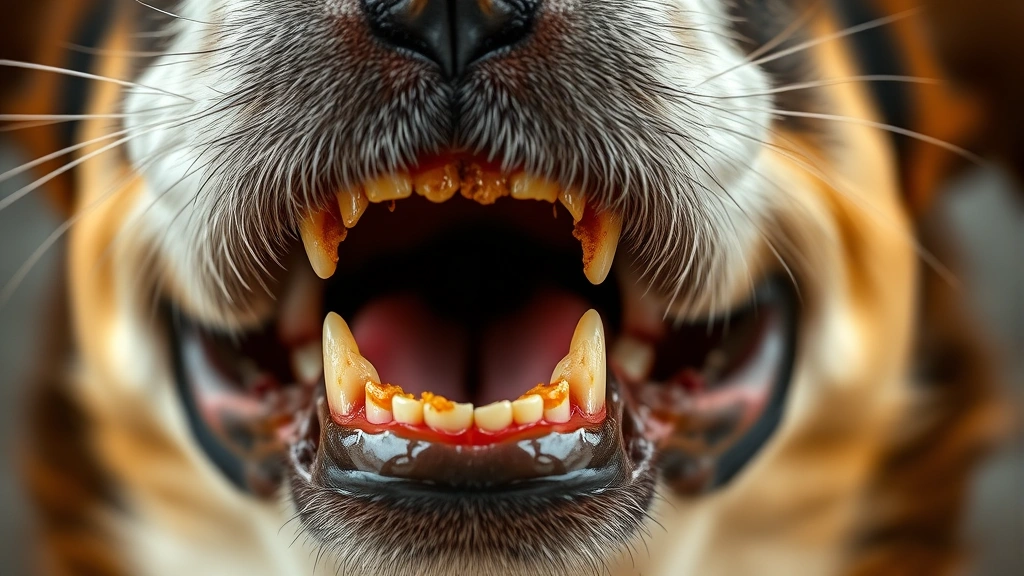
Let’s be honest—your dog’s breath could knock over a horse, and you’re pretty sure you saw something crusty on their back molars last week. If you’re wondering how to clean tartar off dog’s teeth, you’re not alone. Tartar buildup is one of the most common dental issues in dogs, affecting roughly 80% of dogs over the age of three. The good news? You’ve got options, and most of them don’t require your pup to sit through a full anesthesia procedure at the vet (though sometimes that’s necessary too).
Table of Contents
- Understanding Tartar Buildup in Dogs
- Method 1: Professional Veterinary Cleaning
- Method 2: Enzymatic Toothpaste and Daily Brushing
- Method 3: Water Additives and Oral Gels
- Method 4: Dental Chews and Treats
- Method 5: Diet Modifications for Tartar Prevention
- Combining Methods for Maximum Results
- When to Seek Professional Help
- Cost Considerations and Prevention
- Frequently Asked Questions
- Summary: Your Dog’s Path to Pearly Whites
Understanding Tartar Buildup in Dogs
Before we jump into the cleaning methods, let’s talk about what tartar actually is. Tartar—also called calculus—is hardened plaque that’s been chilling on your dog’s teeth like an unwelcome houseguest. It starts as soft plaque (bacteria and food debris), and when it mixes with minerals in your dog’s saliva, boom—it hardens into that yellowish-brown crusty stuff you see.
The problem is that tartar creates a perfect home for bacteria. It irritates the gums, leads to gum disease, and can eventually cause tooth loss. Plus, those bacteria can enter the bloodstream and cause serious health issues with the heart, kidneys, and liver. So yeah, it’s worth taking seriously.
Method 1: Professional Veterinary Cleaning
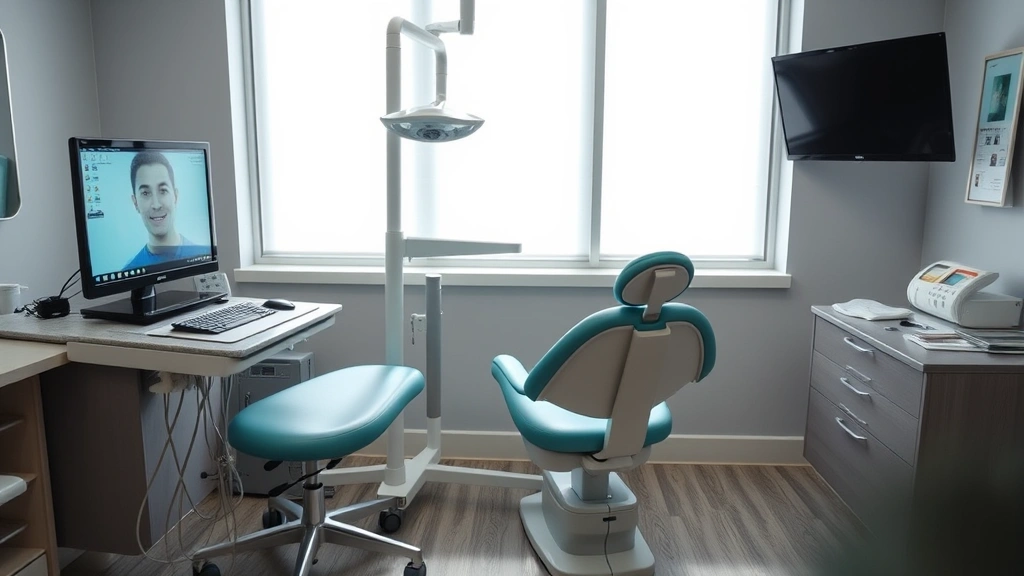
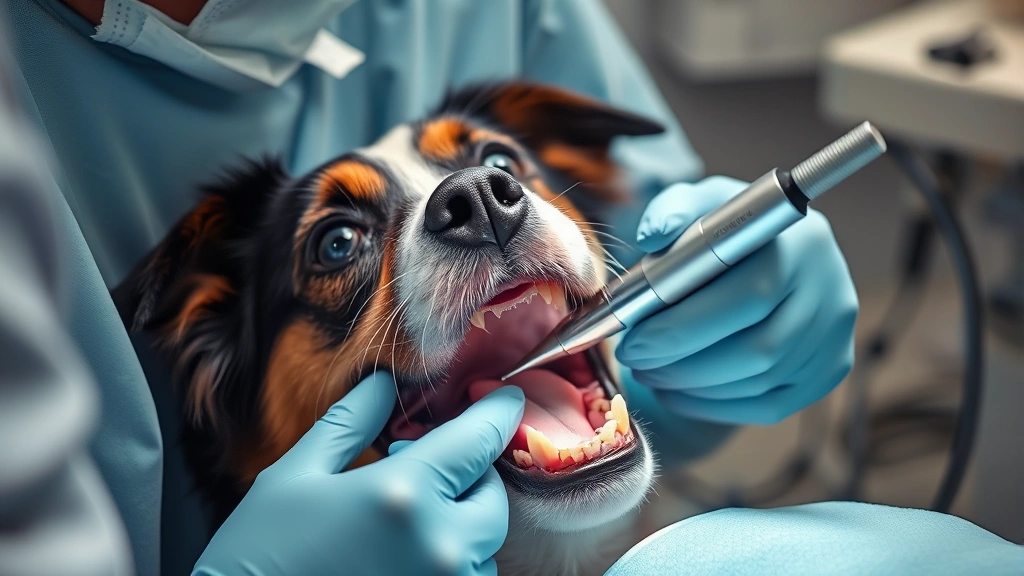
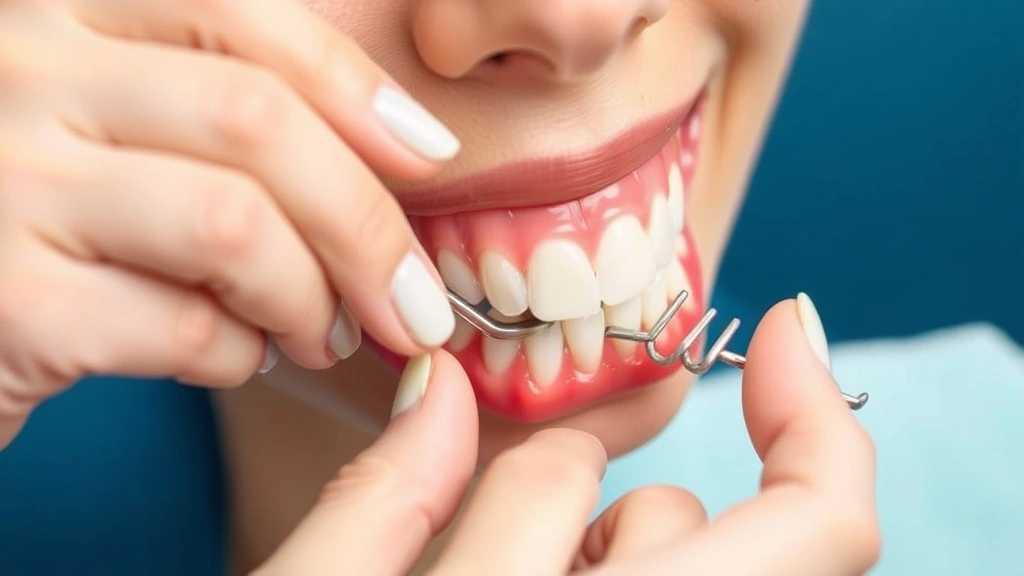
Let’s start with the gold standard: professional dental cleaning at your vet’s office. This is the most effective way to remove tartar and get your dog’s teeth sparkling clean again. During the procedure, your vet will use ultrasonic scalers (the same tools dentists use on humans) to break up and remove tartar from above and below the gumline.
Yes, it requires anesthesia, which makes some pet parents nervous. But modern anesthesia is incredibly safe, especially if your vet does pre-operative bloodwork first. The procedure typically costs $200-$400, depending on your location and your dog’s dental condition. Think of it as an investment in your dog’s long-term health and that kiss-without-flinching future you’ve been dreaming about.
Method 2: Enzymatic Toothpaste and Daily Brushing
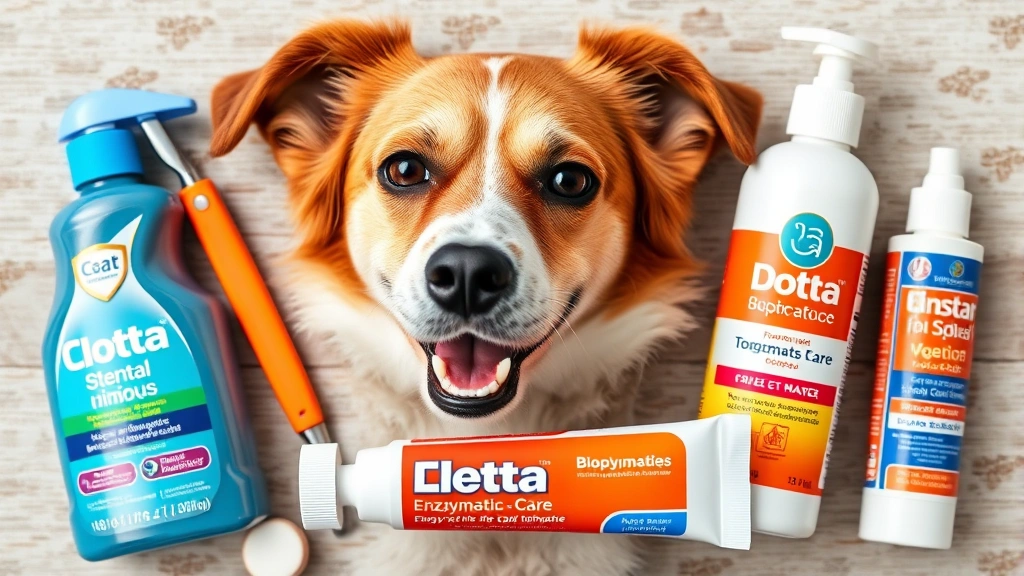
This is the MVP of tartar prevention and can help with mild tartar removal. Get yourself a dog-specific toothpaste (never use human toothpaste—it contains fluoride that’s toxic to dogs) and commit to brushing your dog’s teeth daily. Yes, daily. I know, I know.
Look for enzymatic toothpastes containing glucose oxidase or lactoperoxidase. These enzymes actually work to break down plaque before it becomes tartar. Brush for about 30 seconds on each side, focusing on the gumline where tartar loves to hide. Most dogs will tolerate this better if you start slow, use positive reinforcement, and pick a flavor they actually enjoy (chicken and peanut butter are crowd-pleasers).
While brushing won’t remove existing tartar, it’s your best defense against future buildup. Combined with other methods, it’s a game-changer for foods for dental health in pets.
Method 3: Water Additives and Oral Gels
If your dog is the “absolutely not, I’m not letting you near my mouth with a toothbrush” type, water additives might be your answer. These products contain enzymes that break down plaque-forming bacteria right in your dog’s water bowl. You simply add a few drops to their daily water, and they do the work while your pup drinks.

Oral gels work similarly but are applied directly to the gums. They contain ingredients like glucose oxidase and lactoperoxidase that fight bacteria and prevent plaque accumulation. While these aren’t as effective as brushing, they’re better than doing nothing, and they’re way easier to implement for stubborn pups.
Method 4: Dental Chews and Treats
Here’s the fun part—your dog gets to chew their way to better dental health. Dental chews are specifically designed to mechanically scrape away plaque and tartar as your dog chews. Look for products with the Veterinary Oral Health Council (VOHC) seal, which means they’ve actually been tested and proven to reduce plaque and tartar.

Popular options include rawhide chews, enzymatic chews, and specialized dental treats. The mechanical action of chewing helps break up tartar, and many of these products contain enzymes that fight bacteria. Just remember that chews are supplementary—they work best alongside brushing or professional cleanings, not as a standalone solution.
Pro tip: safe vegetables for dogs like carrots and celery can also help mechanically clean teeth when given as chews. They’re low-calorie and your dog’s mouth will thank you.
Method 5: Diet Modifications for Tartar Prevention
You’ve probably heard that wet food is bad for dog teeth. There’s actually some truth to it—dry kibble provides that mechanical scraping action that wet food doesn’t. Switching to a higher-quality dry food or a prescription dental diet can help prevent tartar buildup.
Some vets recommend prescription diets specifically formulated to reduce plaque and tartar. These often contain special textures or ingredients that fight bacteria. Additionally, incorporating crunchy vegetables and appropriate raw bones (under supervision) can help maintain dental health. Just make sure any dietary changes are approved by your vet, especially if your dog has existing health conditions.
Combining Methods for Maximum Results
Here’s the thing—one method alone usually isn’t enough. The most effective approach combines multiple strategies. Think of it like this: professional cleaning is your reset button, daily brushing is your maintenance plan, dental chews are your bonus points, and diet modifications are your long-term strategy.
Start with a professional cleaning if your dog already has significant tartar. Then implement daily brushing as your primary prevention method. Add dental chews a few times a week, and optimize their diet. Monitor your dog’s teeth regularly—if you notice tartar returning quickly, talk to your vet about whether underlying issues like kidney disease or poor immune function might be playing a role.
When to Seek Professional Help
You should schedule a vet appointment if you notice: severe tartar buildup, bleeding or swollen gums, bad breath that’s suddenly worse, loose or missing teeth, or difficulty eating. Also, if your dog is showing signs of dental disease like pawing at their mouth or drooling excessively, don’t wait.
Your vet can assess whether professional cleaning is necessary and rule out more serious conditions. They might also recommend remote pet health monitoring or virtual pet checkup services to keep tabs on your dog’s dental health between visits.

Cost Considerations and Prevention
Professional dental cleaning runs $200-$400, but prevention is always cheaper than treatment. The cost of daily toothpaste? About $10-$20 per tube. Dental chews? $15-$30 per month. That’s a small price compared to dealing with tooth extractions, infections, or systemic health issues caused by untreated dental disease.
Many pet insurance plans cover dental cleanings, so check your policy. Some vets also offer dental care packages or discounts for regular clients. Don’t let cost prevent you from addressing your dog’s dental health—there are usually options available.
Frequently Asked Questions
Can I remove tartar from my dog’s teeth at home?
Mild tartar can be reduced through aggressive brushing and dental chews, but once tartar has hardened, you can’t remove it at home. Professional cleaning is necessary for established tartar buildup. However, you can absolutely prevent new tartar from forming with proper at-home care.
Is anesthesia safe for older dogs?
Modern anesthesia is very safe, even for senior dogs. Pre-operative bloodwork helps identify any potential issues. Many vets use safer anesthesia protocols for older dogs. If your senior dog needs dental cleaning, ask your vet about their safety measures—don’t skip the procedure just because of age.
How often should I brush my dog’s teeth?
Daily brushing is ideal for tartar prevention, but even three to four times per week is significantly better than nothing. If daily brushing isn’t realistic for your situation, aim for as often as you can manage consistently.
What’s the best dental chew for tartar removal?
Look for products with the VOHC seal of acceptance. Brands like Greenies, C.E.T. chews, and Virbac products are well-researched. Always choose appropriately sized chews for your dog to prevent choking hazards.
Can diet really help with tartar buildup?
Yes, to some extent. Dry food provides mechanical cleaning that wet food doesn’t. Prescription dental diets are formulated specifically to reduce tartar formation. However, diet alone won’t remove existing tartar—it’s primarily a prevention tool.
Summary: Your Dog’s Path to Pearly Whites
Learning how to clean tartar off dog’s teeth means understanding that it’s not a one-size-fits-all solution. Professional cleaning is the most effective method for removing existing tartar, but prevention through daily brushing, dental chews, water additives, and diet optimization keeps your dog’s teeth healthier long-term. Start with a professional cleaning if needed, then commit to a consistent at-home routine. Your dog’s breath—and their overall health—will thank you. Plus, you’ll actually enjoy those doggy kisses again. That’s worth the effort, right?





