
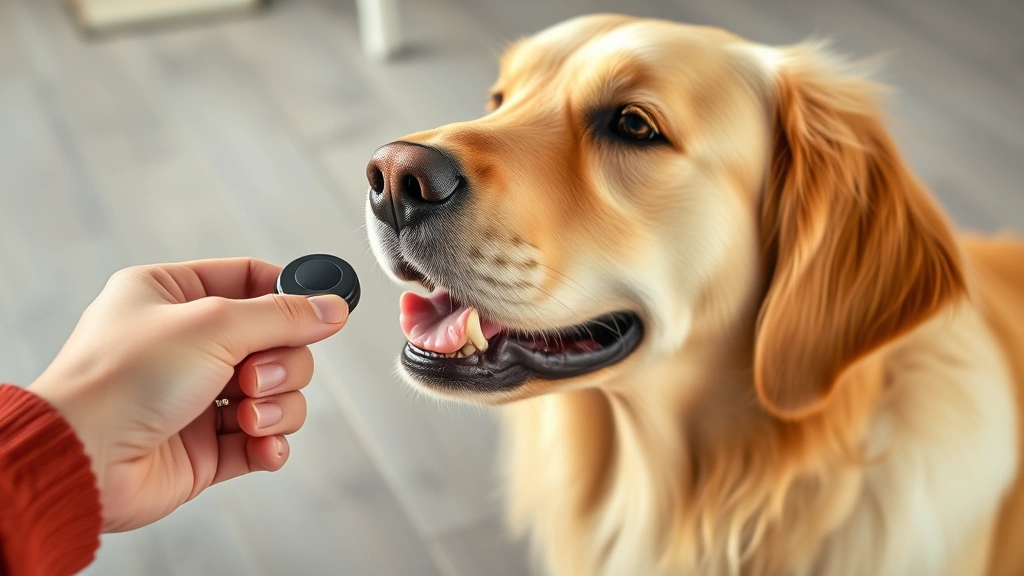
Learning how to clicker train a dog is honestly one of the best decisions you’ll make as a pet parent—and it’s way easier than you’d think. If you’ve ever wondered why some dogs seem to obey commands like they’re mind readers while others ignore you completely, the secret sauce is often clicker training. This positive reinforcement method has revolutionized dog training, and the best part? You can start today with just a few dollars and some patience.
Table of Contents
- What Is Clicker Training and Why Does It Actually Work?
- Step 1: Get Your Supplies and Choose the Right Rewards
- Step 2: Charge the Clicker First
- Step 3: Capture or Lure the Behavior You Want
- Step 4: Add Your Verbal Cue Right Before the Behavior
- Step 5: Fade the Clicker and Treats Gradually
- Advanced Clicker Training Tips for Stubborn Pups
- Common Clicker Training Mistakes to Avoid
- Clicker Training Beyond Basic Commands
- Combining Clicker Training With Other Methods
- How Long Does Clicker Training Actually Take?
- Frequently Asked Questions
- Final Thoughts: Why Clicker Training Changes Everything
What Is Clicker Training and Why Does It Actually Work?
Clicker training is a form of marker training that uses a distinctive sound—the click—to mark the exact moment your dog does something right. Think of the clicker as a bridge between the behavior and the reward. When your pup sits on command, you click immediately, then follow up with a treat. Your dog’s brain makes the connection: “Oh, that click sound means I did something awesome and treats are coming!”
The genius of this method is timing. Dogs live in the moment, and a clicker provides instant feedback that a treat-toss or verbal praise simply can’t match. Unlike saying “Good girl!” which takes a second to say, the click happens in a fraction of a second, creating crystal-clear communication between you and your furry friend.

Step 1: Get Your Supplies and Choose the Right Rewards
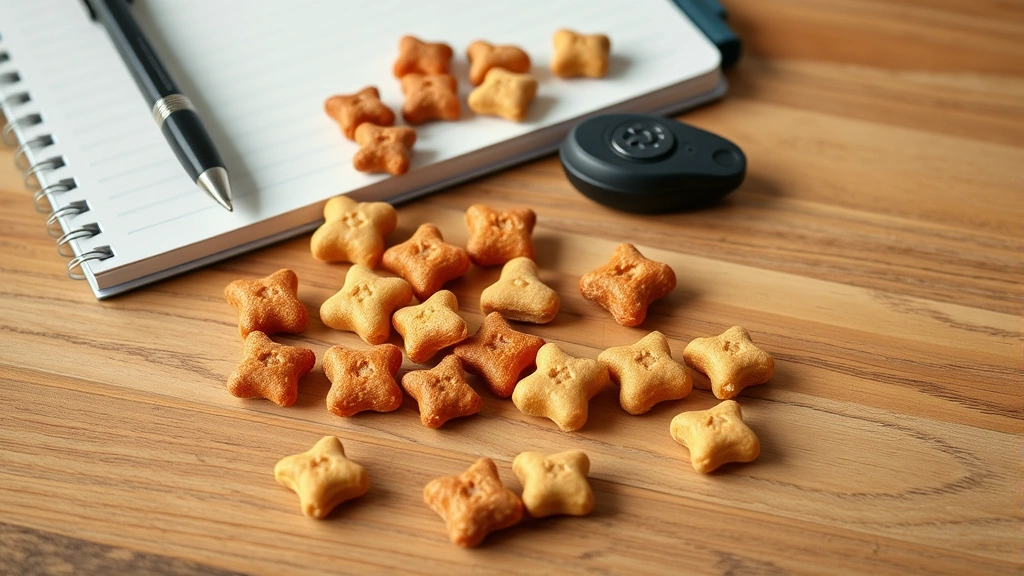
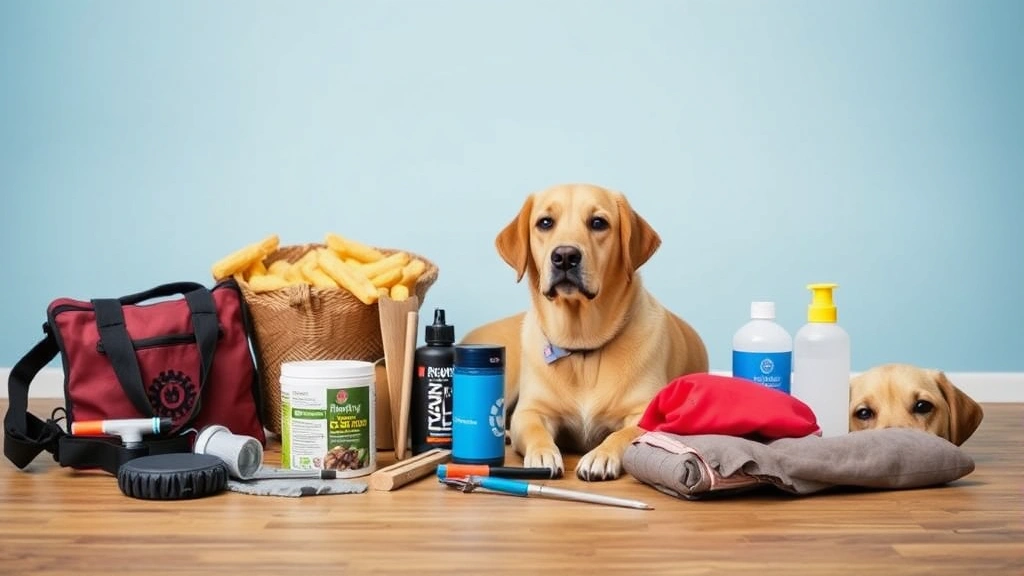
Before you start clicker training your dog, you’ll need minimal equipment. First, grab a clicker—those little plastic boxes with a button cost about $2-5 and are available everywhere. You’ll also need high-value rewards. Here’s the thing: regular kibble won’t cut it. Your dog needs to think “Wow, that’s worth my effort!” when they hear the click.
The best treats are small, soft, and delicious. Think tiny pieces of chicken, cheese, or peanut butter treats for dogs. Keep portions tiny—pea-sized is perfect—so your dog can gobble them quickly and stay focused. You want rapid-fire repetitions, not a dog who’s busy chewing for five minutes. Also, have different treat tiers ready. Boring treats for easy commands, fancy treats for difficult ones.

Step 2: Charge the Clicker First
This is the foundation of everything. “Charging the clicker” means teaching your dog that the click sound equals something amazing is about to happen. Here’s how: in a quiet, distraction-free space, click your clicker and immediately give your dog a treat. No command, no behavior required yet. Just click, treat, click, treat, repeat about 20-30 times over a few days.
Your dog will start to perk up when they hear that sound. You’ll notice their eyes light up, their ears perk, maybe they even start drooling. That’s the magic moment—your pup has made the connection. This step typically takes 3-5 short training sessions. Don’t rush it. A properly charged clicker is the difference between a dog who’s excited to train and one who’s just going through the motions.
Step 3: Capture or Lure the Behavior You Want
Now comes the fun part. You need to get your dog to perform a behavior so you can mark it with the clicker. There are two main approaches: capturing and luring.
Capturing means waiting for your dog to naturally do something you want, then clicking and rewarding. For example, if you want to train “sit,” watch your dog. Eventually, they’ll sit on their own. Click the moment their bottom touches the ground, then treat. Repeat this dozens of times until they start sitting more frequently because they’ve figured out the pattern.
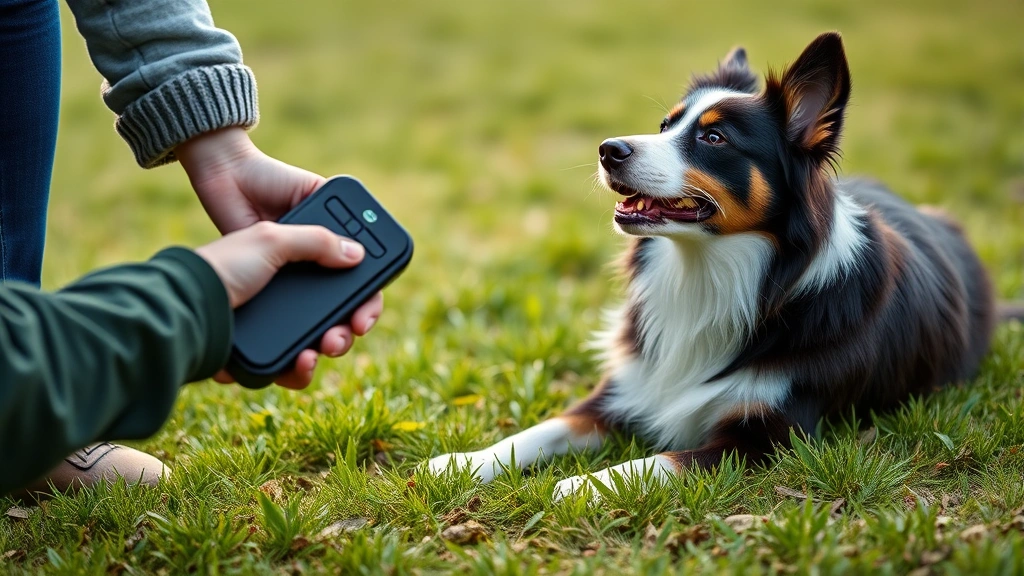
Luring is more direct. Hold a treat close to your dog’s nose and slowly move it backward over their head. Most dogs will naturally sit as their head follows the treat and their rear end drops. Click when their butt hits the ground, treat immediately. Luring is faster for most people, but capturing works beautifully too—it just requires patience and observation.
Step 4: Add Your Verbal Cue Right Before the Behavior
Once your dog is reliably doing a behavior (sitting, lying down, whatever you’re training), it’s time to add the verbal cue. Say your command word—”Sit!”—just before you lure or wait for the behavior. Click when they do it, treat like crazy. After dozens of repetitions, your dog will start responding to the word alone.

The timing here matters. Say the cue, then immediately give them the opportunity to succeed. Don’t say “Sit” after they’re already sitting—that’s backwards and confusing. The sequence is: cue → behavior → click → treat. This is how your dog learns that the word “Sit” means “put your rear end on the ground and good things happen.”
Step 5: Fade the Clicker and Treats Gradually
This is where people often mess up. They think they need to use the clicker forever, but the goal is to eventually phase it out. Once your dog is reliably responding to a cue, start using the clicker less frequently. Instead of clicking every single time, click every other time, then every third time, then randomly.
Eventually, you can replace the clicker with verbal praise: “Yes! Good dog!” The treat schedule can also become less predictable. This is called a variable ratio schedule, and it actually makes behavior stronger and more persistent. Dogs who’ve been rewarded randomly work harder because they never know when the next jackpot is coming. It’s like a slot machine—way more addictive than guaranteed rewards.
Advanced Clicker Training Tips for Stubborn Pups
Some dogs are naturally food-motivated, while others couldn’t care less about treats. If your dog is in the latter camp, try using toys or play as rewards. A quick game of tug or a tennis ball throw can be just as rewarding as treats. Even catnip for dogs can work for some pups who respond to unusual stimuli.

Also, train when your dog is hungry and alert. A full, sleepy dog won’t care about your clicker game. Early morning or before meals is ideal. Keep sessions short—5-10 minutes max—because dogs have short attention spans. Multiple short sessions beat one long, boring one every single time.
Common Clicker Training Mistakes to Avoid
The biggest mistake is clicking after the behavior has ended. If your dog sits and you click three seconds later, they might think you’re rewarding them for standing back up. Click the instant the behavior happens. This takes practice, but it’s crucial.
Another mistake is inconsistency. If you sometimes reward a behavior and sometimes don’t, your dog gets confused. Be predictable during the learning phase. Once they’ve got it down, then you can randomize rewards.
Finally, don’t click without following up with a treat. Ever. If you click, a reward must follow. The click is a promise, and breaking promises erodes trust. Your dog will stop believing in the click if it doesn’t lead to good things.

Clicker Training Beyond Basic Commands
Once you’ve mastered sit, down, and stay, clicker training works for advanced behaviors too. Want to teach your dog to ring a bell for potty breaks? Clicker training. Teaching them not to jump on guests? Clicker training. Teaching them to retrieve specific toys or navigate an agility course? You guessed it—clicker training.
The principles stay the same: mark the behavior, reward immediately, repeat hundreds of times. The beauty of this method is its versatility. It works for puppies, senior dogs, anxious dogs, and stubborn dogs. It’s also fantastic for dogs with behavioral issues because it focuses on rewarding what you want rather than punishing what you don’t.

Combining Clicker Training With Other Methods
Clicker training plays well with other positive reinforcement techniques. You can use it alongside human food alternatives for pets to keep things interesting, or combine it with exercise and enrichment for a well-rounded training approach. Some trainers also use clicker training to help manage anxiety—the click and reward can actually create positive associations with things that scare your dog.
If you’re dealing with a dog who needs calming support during training sessions, can you give dogs melatonin is worth researching, though always consult your vet first. The combination of a calm, focused dog and clicker training can be incredibly effective.
How Long Does Clicker Training Actually Take?
Most dogs pick up basic commands with clicker training in 2-4 weeks of consistent daily practice. Some catch on in days, others take longer—every dog is different. The key is consistency. Five minutes a day beats one hour once a week. Your dog’s brain needs repeated exposure to form new neural pathways.
Complex behaviors take longer. Teaching your dog to distinguish between ten different toys or perform a complex trick sequence might take months. But the progress is usually visible and motivating, which keeps both you and your pup engaged.
Frequently Asked Questions
Can I clicker train an older dog?
Absolutely. Age is no barrier to clicker training. Older dogs learn just as well as puppies, sometimes even better because they’re calmer and more focused. The only adjustment might be shorter sessions if your senior pup gets tired easily.
What if my dog doesn’t like treats?
Use toys, play, or praise instead. Some dogs are toy-motivated or play-motivated rather than food-motivated. The clicker works with any reward your dog values. Experiment to find what makes your specific dog’s eyes light up.
Can clicker training fix aggression or fear issues?
Clicker training is excellent for managing these issues by rewarding calm, desired behaviors instead. However, serious aggression or severe anxiety should be addressed with a professional dog trainer or veterinary behaviorist. Clicker training is a tool, not a cure-all.
Do I need a special clicker?
Nope. Any consistent clicking sound works—even a ballpoint pen clicking. That said, commercial clickers are cheap and designed to be audible and consistent, so they’re worth the small investment.
What’s the difference between clicker training and positive reinforcement?
Clicker training is a specific type of positive reinforcement that uses a marker (the click) to communicate exactly which behavior earned the reward. Positive reinforcement is the broader concept of rewarding desired behaviors to increase them.
Final Thoughts: Why Clicker Training Changes Everything
Learning how to clicker train a dog transforms your relationship with your furry friend. It’s not about dominance, punishment, or forcing compliance. It’s about clear communication and mutual understanding. Your dog learns that good behavior leads to good things, and they become genuinely excited to work with you.
The best part? It works. Dogs trained with clickers are typically more confident, more eager to learn, and have stronger bonds with their owners. Plus, it’s fun. You get to watch your dog’s brain light up as they figure things out. That moment when they suddenly “get it” and start offering behaviors unprompted is pure magic.
Start today. Grab a clicker, some treats, and spend five minutes charging that clicker. You’re literally one click away from better training. Your dog is waiting.





