
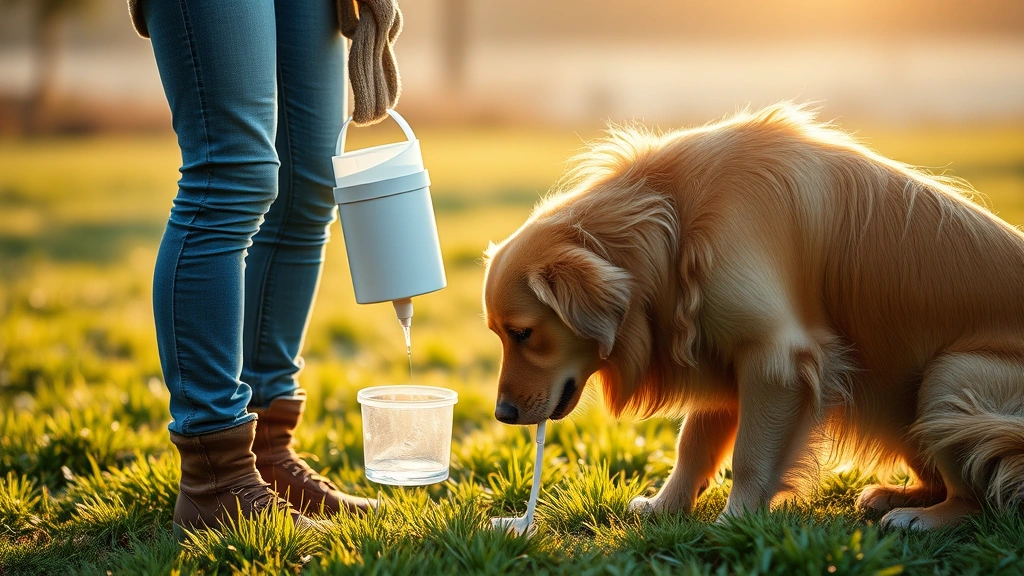
Learning how to collect urine sample from dog might sound like you’re training for a circus act, but it’s actually one of the most valuable skills a pet parent can master. Whether your vet suspects a urinary tract infection, diabetes, or kidney issues, a clean urine sample is often the key to getting your pup the right diagnosis and treatment. The good news? It’s way easier than you think, and we’re here to walk you through every method—from the hilariously simple to the surprisingly sophisticated.
Table of Contents
- Why Your Vet Needs a Urine Sample
- Method 1: The Classic Midstream Catch (Free Catch)
- Method 2: The Patient Observation Technique
- Method 3: Catheterization by Your Veterinarian
- Method 4: The Cystocentesis Method (Needle Aspiration)
- Method 5: Using a Specialized Collection Device
- Tips for Successful Collection
- Common Challenges and How to Overcome Them
- When to Seek Professional Help
- Understanding Your Urinalysis Results
- Frequently Asked Questions
- Final Thoughts: You’ve Got This
Why Your Vet Needs a Urine Sample
Before we dive into the how-to, let’s talk about the why. Urinalysis is like a crystal ball for your dog’s health. It can reveal infections, kidney disease, diabetes, and other sneaky conditions that blood tests might miss. Your vet uses urine samples to check for bacteria, white blood cells, glucose, and protein levels. Think of it as a health report card for your dog’s urinary system. Plus, telehealth vet appointments often require a fresh sample to help vets make informed decisions from home.
Method 1: The Classic Midstream Catch (Free Catch)
This is the gold standard for urine collection from dogs, and honestly, it’s the least invasive option. The midstream catch involves collecting urine directly from your dog during their normal bathroom routine. Here’s the play-by-play:
First, you’ll need a clean, sterile container. Your vet can provide one, or you can use a small, clean cup (just make sure it’s really clean). Wait for your dog to start peeing, then quickly position your container under the stream. Aim for the middle of the stream—this is why it’s called the midstream catch. The first bit of urine can contain bacteria from the skin, and the last bit might be contaminated, so the middle section is the sweet spot.
Pro tip: Do this in the morning when your dog’s urine is most concentrated, which gives your vet the best sample for analysis. And yes, you might get a little splash. Wear old clothes and embrace the chaos.
Method 2: The Patient Observation Technique
If your dog is cooperative (and let’s be honest, most dogs are when treats are involved), you can simply observe their bathroom habits and collect the sample. This method requires patience and timing. Take your dog out on a leash, watch for signs they’re about to pee, and have your collection container ready. Some dogs are predictable—they’ll sniff a spot, circle a few times, and then go. Use those cues to your advantage.
The beauty of this method is that it’s completely non-invasive and stress-free for your pup. Your dog doesn’t even know what you’re doing, which means no anxiety or resistance. Plus, if your dog has behavioral issues around vet visits, this method keeps them calm and collected.
Method 3: Catheterization by Your Veterinarian
Sometimes, you need the pros. If your dog is uncooperative, injured, or has severe health issues, your vet might recommend catheterization. This involves your vet inserting a sterile catheter into your dog’s urethra to collect a completely uncontaminated sample directly from the bladder. Yes, it sounds intense, but it’s actually a routine procedure that takes just a few minutes.
Catheterization is especially useful for dogs with suspected infections, as it eliminates any chance of contamination from skin bacteria. It’s the most accurate method available, though it does require sedation in some cases. Your vet will determine if this is necessary based on your dog’s temperament and health status.
Method 4: The Cystocentesis Method (Needle Aspiration)
This is another veterinary procedure where your vet uses ultrasound to locate your dog’s bladder and then uses a sterile needle to collect urine directly. It sounds scarier than it is—most dogs handle it beautifully. Cystocentesis is often preferred for dogs with suspected urinary tract infections because it provides a completely sterile sample with zero contamination risk.
The procedure typically takes just a minute or two, and your dog doesn’t need anesthesia. Your vet will use ultrasound guidance to ensure accuracy and safety. It’s a bit pricier than free catch, but if your vet suspects a serious infection, it’s worth every penny for the accuracy.
Method 5: Using a Specialized Collection Device
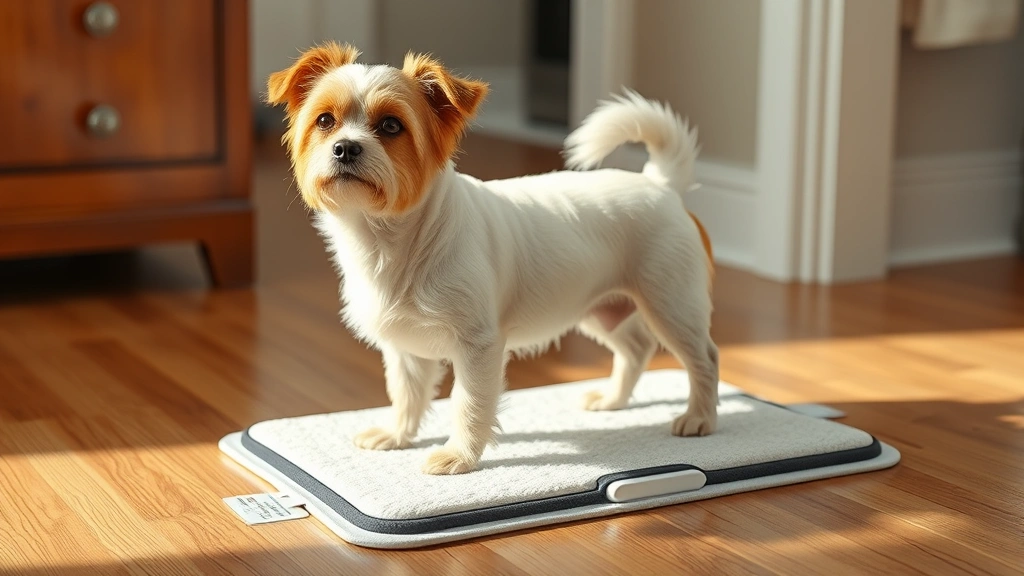
For the tech-savvy pet parent, there are actually commercial urine collection devices designed specifically for dogs. Some are like little trays that fit under your dog, while others are absorbent pads that you can squeeze into a collection container. These devices are game-changers for dogs with mobility issues or for owners who struggle with the timing of the midstream catch.
One popular option is the Urine Luck collection kit, which includes absorbent pads and collection tubes. You simply place the pad under your dog during their bathroom routine, and the pad absorbs the urine. Then you squeeze the collected urine into the provided container. It’s clean, easy, and takes the guesswork out of timing.
Tips for Successful Collection
Timing is everything. Collect the sample in the morning when your dog’s urine is most concentrated—this gives your vet the best results. If you’re collecting at home, make sure your container is sterile. Ask your vet for a sterile container, or use a clean cup that you’ve sanitized with boiling water and let cool completely.
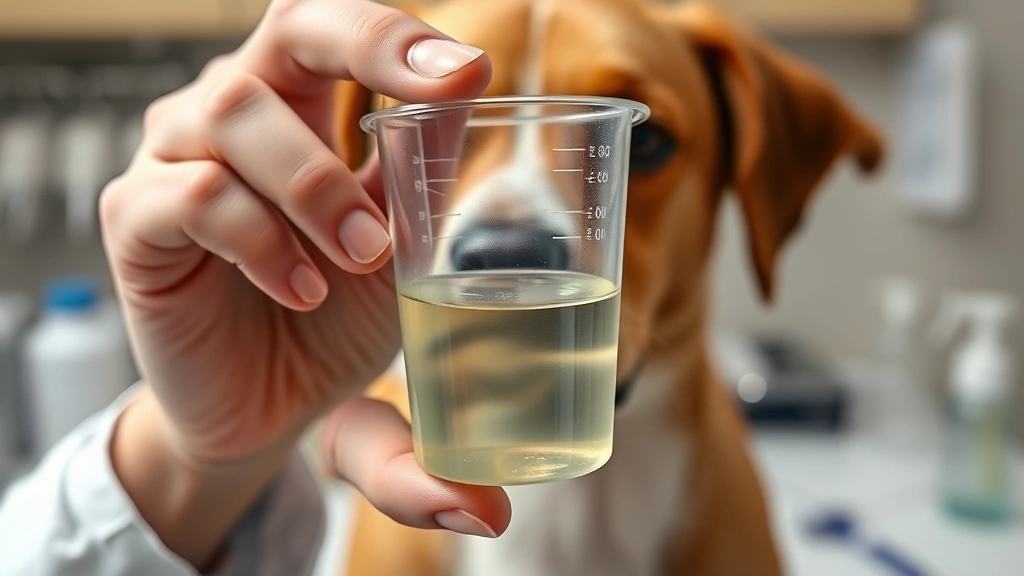
Keep the sample fresh. If you can’t get it to your vet immediately, refrigerate it (yes, really) in a sealed container. Most samples should be analyzed within 24 hours for the most accurate results. Label your container with your dog’s name, the date, and the time of collection.
Stay calm and patient. Dogs pick up on your energy, so if you’re stressed or anxious about the collection, your dog will sense it. Keep the whole experience low-key and treat it like a normal bathroom routine. Your pup will be much more cooperative.
Consider your dog’s health status. If your dog has diabetes or other conditions affecting urination, talk to your vet about the best collection method. Some dogs with certain conditions might need special handling or timing. Your vet can also recommend whether you should avoid certain foods or medications before collection—similar to how you might prepare before a telehealth consultation for food poisoning concerns.
Common Challenges and How to Overcome Them
What if your dog won’t pee on command? This is the most common challenge. The solution is simple: patience. Take your dog out more frequently and be ready with your collection container. Morning walks are ideal because your dog’s bladder is fullest. Some owners find that their dog is more likely to pee in a familiar, comfortable location, so stick to your usual bathroom spot.
What if your dog is too anxious? Some dogs get nervous around vets or medical procedures. If your dog is anxious about the collection process, talk to your vet about anti-anxiety options or consider having them do the collection at the clinic where they can use sedation if needed.
What if you miss the stream? It happens to the best of us. Don’t worry—just try again. Your dog will pee multiple times throughout the day, so you’ll have plenty of opportunities. Keep your collection container handy and stay persistent.
When to Seek Professional Help
If your dog hasn’t peed in over 12 hours, or if they’re showing signs of urinary distress (straining, frequent attempts, blood in urine), contact your vet immediately. These could be signs of a urinary blockage, which is a medical emergency. Your vet might need to collect the sample themselves using catheterization or cystocentesis.
If your dog has a history of urinary issues or is on medication that affects urination, your vet might prefer to collect the sample themselves to ensure accuracy. This is especially true for dogs being monitored for conditions like diabetes—understanding their urinary output is crucial for managing their health, much like monitoring their diabetic-friendly diet options.
Understanding Your Urinalysis Results
Once your vet has the sample, they’ll run a urinalysis. This test checks for:
Bacteria: Presence indicates a urinary tract infection. Your vet will likely culture the sample to identify the specific bacteria and determine the best antibiotic.
White blood cells: These suggest inflammation or infection in the urinary tract.
Glucose: Normally absent in urine. Presence might indicate diabetes or kidney issues.
Protein: Small amounts are normal, but excessive protein can indicate kidney disease or infection.
pH level: This affects crystal formation and can indicate dietary or health issues.
Specific gravity: This measures how concentrated the urine is and can reveal dehydration or kidney problems.
Your vet will explain what these results mean for your dog’s health and recommend treatment if needed. For dogs with recurring issues, regular urinalysis through telehealth vet appointments can help monitor their condition over time.
Frequently Asked Questions
How much urine sample does my vet need?
Most vets need about 20-30 milliliters (roughly 2-3 tablespoons) for a complete urinalysis. This gives them enough to run all necessary tests and potentially repeat them if needed. Don’t stress about being exact—just collect what you can, and your vet will let you know if they need more.
Can I collect urine in a regular cup?
Yes, but make sure it’s absolutely clean. Boil the cup in water, let it cool completely, and make sure there’s no soap residue. Even better, ask your vet for a sterile collection cup to eliminate any contamination concerns. It’s worth the extra effort for accurate results.
How long can I keep a urine sample before taking it to the vet?
Fresh is best. Ideally, get the sample to your vet within 2 hours of collection. If you can’t, refrigerate it in a sealed container for up to 24 hours. After 24 hours, the sample degrades and results become less reliable. Always label the container with the collection time so your vet knows how old the sample is.
Will collecting a urine sample hurt my dog?
Not at all—free catch collection is completely painless. Your dog won’t even notice you’re collecting it. If your vet recommends catheterization or cystocentesis, these procedures are minimally invasive and typically don’t cause pain, though some dogs might experience mild discomfort similar to a vaccine.
What if my dog has never had a urine sample collected before?
Start with the free catch method. It’s the least invasive and helps your dog get comfortable with the process. Most dogs adapt quickly, especially if you keep the experience positive and treat-filled. If free catch doesn’t work, your vet can discuss other options.
Can I use a collection pad instead of catching the stream?
Absolutely. Collection pads are great for dogs with mobility issues or for owners who struggle with timing. Just make sure to use sterile pads if your vet suspects an infection, as regular pads might introduce bacteria. Specialized urine collection kits are designed to minimize contamination.
Final Thoughts: You’ve Got This
Learning how to collect urine sample from dog is one of those skills that seems intimidating until you actually do it—then you realize it’s not a big deal at all. Whether you choose the simple free catch method or opt for a professional collection at your vet’s office, the important thing is getting that sample analyzed to keep your pup healthy.
Your dog’s urinary health is a window into their overall wellness. Regular urinalysis, especially for senior dogs or those with chronic conditions, can catch problems early before they become serious. So embrace your role as a urine-collection expert, stock up on those sterile containers, and remember: you’re doing this out of love for your furry friend.
If you have any concerns about your dog’s urinary health or aren’t sure which collection method is best for your pup, don’t hesitate to reach out to your vet. They’re there to help, and most are happy to answer questions about sample collection. Your dog’s health is worth every awkward moment of pee-catching glory.





