
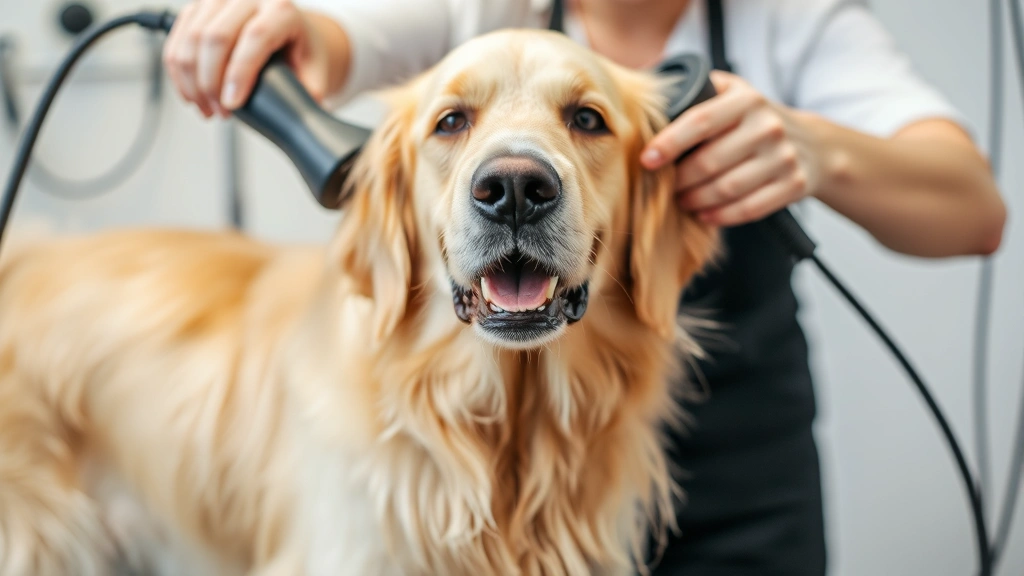
If you’re wondering how to control a dog’s shedding, you’re not alone—dog hair on your couch, clothes, and literally everywhere else is one of the most common pet owner complaints. The good news? There are legitimate, science-backed strategies that actually work to reduce the amount of fur your furry friend leaves behind. Let’s dive into the proven methods that’ll have you saying goodbye to tumbleweeds of dog hair.
Table of Contents
- Understanding Why Dogs Shed in the First Place
- Method 1: Master the Art of Regular Brushing
- Method 2: Optimize Your Dog’s Diet for Coat Health
- Method 3: Professional Grooming and De-shedding Treatments
- Method 4: Address Underlying Health Issues
- Method 5: Supplements and Nutritional Support
- Bathing and Skin Care Practices
- Environmental and Lifestyle Factors
- Choosing the Right Tools for Your Dog’s Coat Type
- Managing Shedding in Your Home
- When to Consult Your Veterinarian
- Frequently Asked Questions
- Conclusion: Your Roadmap to Less Fur Everywhere
Understanding Why Dogs Shed in the First Place
Before we tackle solutions, let’s understand the enemy. Dogs shed for several reasons: seasonal coat changes, stress, poor nutrition, allergies, and sometimes just because they’re genetically programmed to drop fur like it’s their job. Some breeds are notorious shedders (looking at you, Golden Retrievers and German Shepherds), while others barely shed at all. Knowing your dog’s shedding patterns helps you pick the right control methods.

Method 1: Master the Art of Regular Brushing
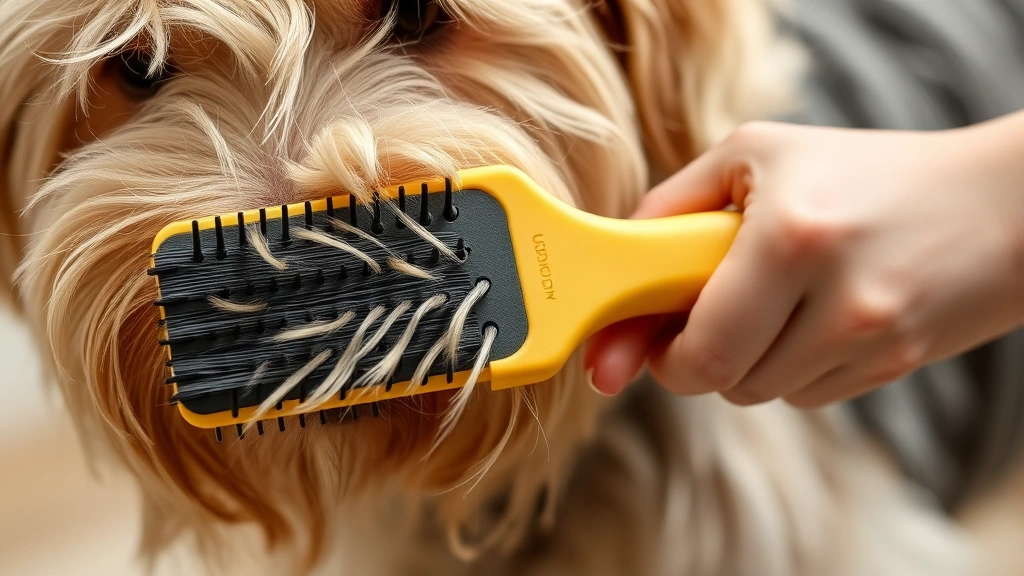
This is the MVP of shedding control. Regular brushing removes loose fur before it ends up on your furniture. The frequency depends on your dog’s coat type—double-coated breeds need daily brushing during shedding season, while single-coated dogs might do fine with 2-3 times per week. Invest in a quality de-shedding tool like an undercoat rake or slicker brush. During heavy shedding seasons, you might brush out enough fur to knit a second dog. It’s weirdly satisfying and genuinely effective. Sustainable pet grooming practices can help you manage this routine responsibly.
Method 2: Optimize Your Dog’s Diet for Coat Health
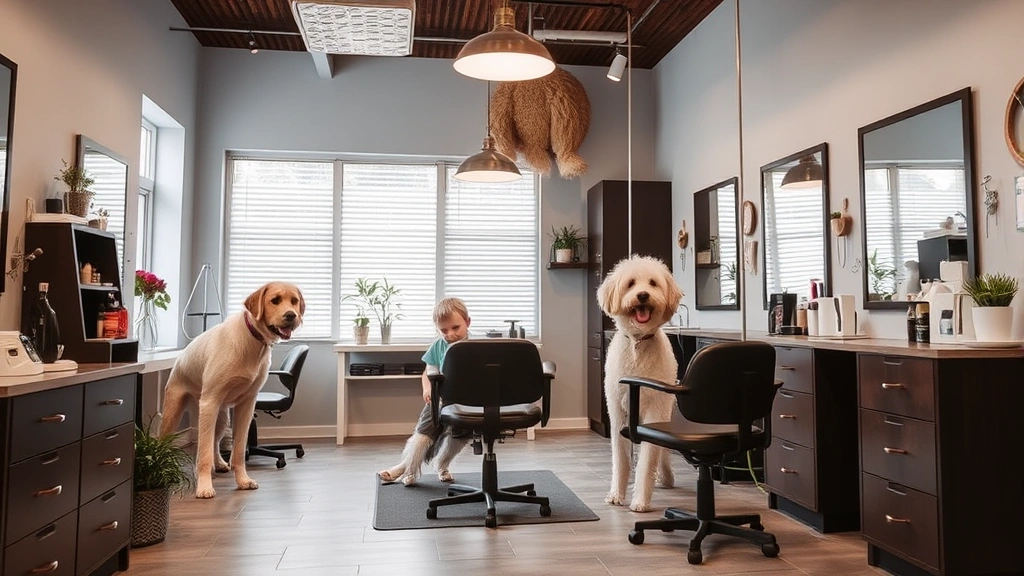
You can’t out-brush a bad diet. A dog’s skin and coat health directly reflects their nutrition. Feed high-quality protein sources, omega-3 and omega-6 fatty acids, and ensure adequate hydration. Look for dog foods with real meat as the first ingredient and minimal fillers. Many shedding issues stem from nutritional deficiencies. Collagen for dogs is increasingly popular for supporting skin elasticity and coat quality. Consider adding fish oil supplements after consulting your vet—the omega-3s work wonders for reducing excessive shedding and improving fur quality.

Method 3: Professional Grooming and De-shedding Treatments
Professional groomers have industrial-grade equipment that removes way more loose fur than home brushing alone. De-shedding treatments—sometimes called “fur blowing”—use high-velocity dryers to blast out loose undercoat. These treatments are game-changers during shedding season and can reduce shedding by 50-80% for several weeks. Yes, it looks chaotic and your dog might look shocked, but the results are undeniable. Schedule professional grooming every 6-8 weeks, more frequently during peak shedding seasons.
Method 4: Address Underlying Health Issues
Excessive shedding can signal allergies, parasites, hormonal imbalances, or skin conditions. If your dog is shedding abnormally—bald patches, itching, or sudden increases—see your vet. Allergies to food or environment are common culprits. Immune boosting foods for pets may help support your dog’s natural defenses against allergens. Once underlying issues are addressed, shedding often normalizes dramatically. Don’t skip this step if something seems off with your pup’s coat.

Method 5: Supplements and Nutritional Support
Beyond diet, targeted supplements support coat health. Omega-3 fish oil, biotin, zinc, and vitamin E all contribute to healthier skin and reduced shedding. Probiotics are increasingly recognized for their role in skin health too. Always consult your vet before starting supplements, especially if your dog is on medications. Quality matters—cheap supplements often don’t deliver results. Pet diet transition advice can help you incorporate new nutritional elements safely.

Bathing and Skin Care Practices
Regular baths with quality dog shampoo help remove loose fur and support skin health. Bathe your dog every 4-6 weeks with lukewarm water and dog-specific shampoo—human shampoo disrupts their skin pH. After bathing, thorough drying is crucial; use a high-velocity dryer if possible to remove loose undercoat. Some dogs benefit from moisturizing conditioners, especially if they have dry skin contributing to excessive shedding.

Environmental and Lifestyle Factors
Stress, poor sleep, and lack of exercise can increase shedding. Ensure your dog gets adequate physical activity, mental stimulation, and a consistent sleep schedule. Maintain stable indoor temperatures—extreme temperature fluctuations can trigger excessive shedding. Keep your home humidity at reasonable levels; overly dry air stresses the skin. These lifestyle factors work synergistically with other methods to control shedding effectively.

Choosing the Right Tools for Your Dog’s Coat Type
Not all brushes work for all coats. Double-coated breeds (Labs, Huskies, German Shepherds) need undercoat rakes and slicker brushes. Single-coated dogs do better with bristle brushes or rubber curry combs. Long-haired breeds need wide-toothed combs and dematting tools. Curly-coated breeds often need specialized slicker brushes. Investing in the right tools makes the difference between effective shedding control and frustration.

Managing Shedding in Your Home
While you’re controlling shedding at the source, manage it in your environment too. Use lint rollers, furniture covers, and robot vacuums strategically. Wash your dog’s bedding weekly during heavy shedding seasons. Air purifiers help capture airborne fur. These aren’t solutions to the shedding itself, but they make living with a shedding dog significantly more pleasant. Pet food safety remains important as you adjust your dog’s diet for coat health.

When to Consult Your Veterinarian
Seek veterinary attention if your dog sheds year-round excessively, develops bald patches, shows signs of itching or skin irritation, or if shedding suddenly increases. These can indicate allergies, parasites, hormonal issues, or skin diseases requiring professional treatment. Your vet might recommend prescription shampoos, medications, or specialized diets. Don’t assume all shedding is normal—sometimes it’s your dog’s way of telling you something’s wrong.
Frequently Asked Questions
How long does it take to see results from shedding control methods?
You’ll notice improvements within 2-4 weeks with consistent brushing and dietary changes. Professional de-shedding treatments show immediate results. Nutritional improvements take 6-8 weeks to fully manifest in coat quality since it takes time for new hair to grow in healthier.
Can I completely stop my dog from shedding?
No, shedding is a natural biological process. However, you can dramatically reduce it—typically by 50-80% with comprehensive methods. Only hairless or non-shedding breeds shed minimally, and even they shed a little.
Is expensive dog food necessary for coat health?
Not necessarily. What matters is quality ingredients and proper nutrition, not price tag. Mid-range foods with real meat and balanced nutrients often work better than some premium brands. Read ingredient lists carefully.
How often should I bathe my shedding dog?
Every 4-6 weeks is ideal for most dogs. More frequent bathing can dry out skin and worsen shedding. During heavy shedding seasons, monthly baths with de-shedding treatments at professional groomers work best.
Do de-shedding shampoos actually work?
De-shedding shampoos help remove loose fur, but they’re most effective when combined with proper brushing and professional grooming. They’re not standalone solutions but valuable components of a comprehensive approach.
What supplements are safest for dogs?
Omega-3 fish oil and biotin are generally safe and well-researched. Always start with vet-recommended dosages and watch for any adverse reactions. Quality matters significantly with supplements.
Conclusion: Your Roadmap to Less Fur Everywhere
Controlling your dog’s shedding doesn’t require magic—just consistency and the right approach. Combine regular brushing, quality nutrition, professional grooming, and health monitoring for maximum effectiveness. Start with the methods that fit your lifestyle and budget, then layer in additional strategies. Most dog owners see significant improvements within 4-6 weeks of implementing these proven methods. Your couch will thank you, and your dog will have a healthier coat in the process. Remember, shedding is natural, but excessive shedding is manageable. Now stop reading and go grab that brush—your dog’s coat (and your sanity) will thank you.





