
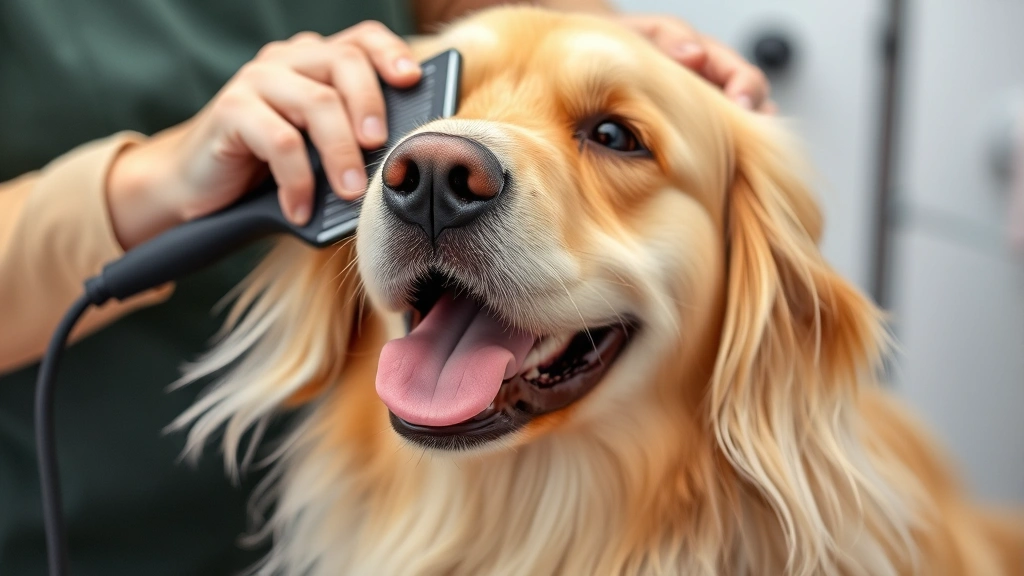
How to Control Dog Shedding: Expert Tips for a Fur-Free Home
If you’ve ever wondered why your black pants are perpetually decorated with a fur coat of their own, you’re not alone. Dog shedding is one of the most common complaints from pet parents, and honestly, it’s enough to make even the most dedicated dog lover reach for the lint roller in desperation. But here’s the good news: while you can’t completely stop your furry friend from shedding, there are plenty of proven strategies to significantly reduce the tumbleweeds of fur rolling across your hardwood floors.
Whether you’re dealing with a double-coated German Shepherd or a single-coated Poodle mix, understanding the science behind shedding and implementing the right techniques can make a world of difference. In this comprehensive guide, we’ll explore expert-backed methods to control dog shedding, from grooming routines to nutritional approaches that’ll have your home looking considerably cleaner and your dog looking absolutely fabulous.
The reality is that shedding is a natural, biological process for most dogs—it’s not something to fight against, but rather something to manage intelligently. Let’s dive into the strategies that actually work.
Understanding Why Dogs Shed
Before we jump into solutions, let’s understand the enemy. Dogs shed for several reasons, and it’s not always just about the season. Most dogs have hair growth cycles that include a shedding phase, where old hair falls out to make room for new growth. This is completely natural and healthy—it’s your dog’s way of maintaining a clean, functional coat.
The amount of shedding varies dramatically between breeds and individual dogs. Some breeds shed minimally year-round, while others engage in what we affectionately call “coat blows,” where they seem to shed their entire undercoat in a matter of weeks. Understanding your specific dog’s shedding pattern is the first step toward managing it effectively.
According to the American Kennel Club, shedding is influenced by genetics, health status, stress levels, and environmental conditions. Dogs with double coats (like Golden Retrievers and Huskies) tend to shed more than single-coated breeds. However, even “non-shedding” breeds still lose some hair—they just do it less noticeably.
It’s worth noting that excessive shedding can sometimes indicate underlying health issues. If you notice your dog losing hair in patches or shedding significantly more than usual, it could signal allergies, skin infections, or hormonal imbalances. In such cases, consulting with your veterinarian is essential.
Essential Grooming Techniques
Here’s where the magic happens. Proper grooming is your first line of defense against excessive shedding. Regular brushing removes loose hair before it ends up on your furniture, and it stimulates the skin and distributes natural oils throughout the coat.
Brushing Frequency and Tools
For heavy shedders, daily brushing is ideal, though 3-4 times per week is a solid minimum. Invest in quality grooming tools designed for your dog’s coat type. Slicker brushes work well for long-haired dogs, while undercoat rakes are specifically designed to remove loose undercoat hair without damaging the topcoat. Learn more about reducing shedding on dogs with specialized techniques that professional groomers swear by.
The ASPCA recommends that dog owners use an undercoat rake or deshedding tool during peak shedding seasons. These tools are specifically designed to penetrate the topcoat and remove the loose undercoat hair that causes the most visible shedding. When used correctly, they can reduce shedding by up to 90% during heavy shedding periods.
Pro tip: Brush your dog outdoors when possible. This way, the loose hair doesn’t end up in your home—it goes straight into nature where it can be used by birds for nesting material. Your dog gets groomed, and you help local wildlife. Win-win!
Professional Grooming Services
Consider scheduling professional grooming appointments every 6-8 weeks. Professional groomers have industrial-strength equipment and expertise to remove significantly more loose hair than you can at home. Many groomers offer specialized deshedding treatments that are particularly effective during shedding season. It’s an investment that pays dividends in reduced household fur and a healthier-looking coat.
Nutrition and Diet’s Role
You’ve probably heard the saying “you are what you eat,” and the same principle applies to your dog’s coat health. A high-quality diet rich in omega-3 and omega-6 fatty acids is fundamental to reducing excessive shedding. These fatty acids strengthen hair follicles and promote skin health, leading to a shinier, healthier coat that sheds less.
Look for dog foods that list high-quality protein sources as the first ingredients and include fish oil or flaxseed. Fish is particularly good for dogs because it’s an excellent source of omega-3 fatty acids. Many premium dog foods specifically formulate their recipes to support coat health.
The American Animal Hospital Association emphasizes that proper nutrition is crucial for maintaining healthy skin and coat. Dogs with nutritional deficiencies often experience excessive shedding, dry skin, and a dull coat appearance.
Key Nutrients for Coat Health
- Omega-3 and Omega-6 Fatty Acids: Essential for reducing inflammation and promoting skin health
- Protein: Hair is primarily made of protein, so adequate intake is crucial
- Biotin: A B-vitamin that supports hair growth and strength
- Zinc: Important for skin health and immune function
- Vitamin E: An antioxidant that protects skin cells
If your dog has specific dietary restrictions or allergies, work with your veterinarian to find a high-quality food that meets their nutritional needs. Sometimes, switching to a better quality diet alone can dramatically reduce shedding within 6-8 weeks.
The Right Bathing Routine
Bathing plays a crucial role in managing shedding, but there’s definitely a right way and a wrong way to do it. Frequent bathing with harsh shampoos can actually increase shedding by drying out the skin and damaging the coat.
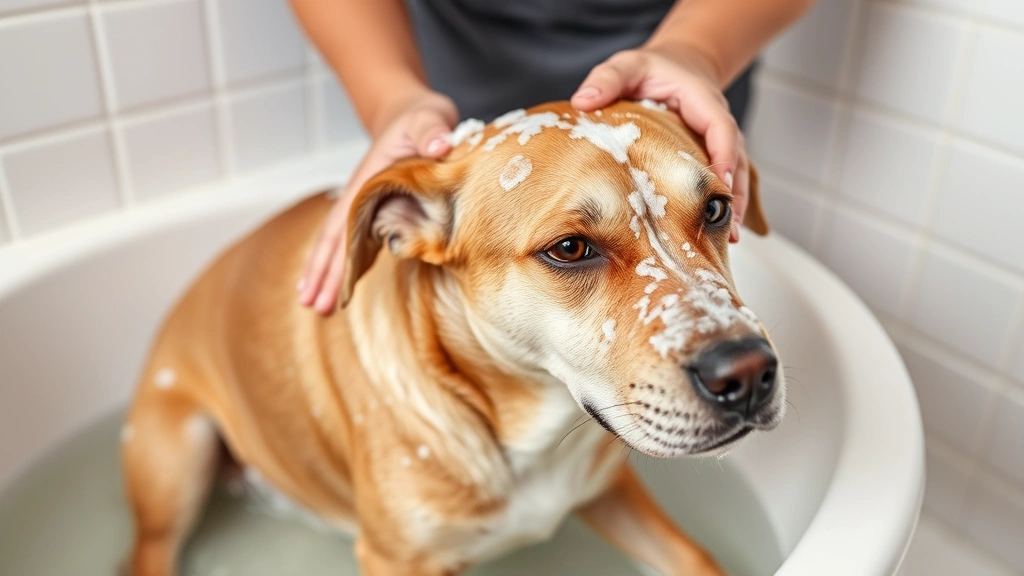
Bathe your dog every 4-6 weeks using a high-quality, moisturizing dog shampoo. Avoid human shampoos, which have a different pH balance and can irritate your dog’s skin. When you give a dog a bath, use warm (not hot) water and thoroughly rinse to remove all shampoo residue, which can cause itching and increase shedding.
The Bathing Process
- Use lukewarm water and wet the coat thoroughly from neck to tail
- Apply a high-quality dog shampoo and massage it into the coat, working up a good lather
- Pay special attention to areas prone to matting and tangling
- Rinse thoroughly until the water runs clear—this is crucial
- Consider using a conditioner designed for dogs to lock in moisture
- Gently towel dry and use a high-velocity dryer if your dog tolerates it
High-velocity dryers are particularly effective at removing loose hair during the bathing process. Many professional groomers use these tools because they can remove significant amounts of loose undercoat while also helping to dry the coat more quickly.
Supplements and Health Considerations
In addition to a quality diet, certain supplements can significantly improve coat health and reduce shedding. Fish oil supplements are particularly popular and well-researched for their beneficial effects on skin and coat quality.
Popular Coat-Supporting Supplements
- Fish Oil: Rich in omega-3 fatty acids, typically given at 1000 IU per 10 pounds of body weight daily
- Coconut Oil: Some evidence suggests it can improve skin health and reduce shedding
- Biotin Supplements: May help strengthen hair and reduce shedding
- Probiotics: A healthy gut microbiome supports skin health from the inside out
Always consult with your veterinarian before starting any new supplement regimen. Some supplements can interact with medications or may not be appropriate for dogs with certain health conditions.
Regular veterinary check-ups are essential for identifying and addressing any underlying health issues that might contribute to excessive shedding. Allergies, thyroid problems, and parasites can all cause abnormal hair loss.
Breed-Specific Shedding Patterns
Different breeds have vastly different shedding patterns, and understanding your dog’s breed characteristics can help you anticipate and manage shedding more effectively.
Double-coated breeds like German Shepherds, Golden Retrievers, and Huskies shed year-round but experience more intense shedding during spring and fall when they “blow their coat.” Bernese Mountain dogs shed heavily and require consistent grooming year-round to manage the fur.
Single-coated breeds like Poodles, Bichon Frises, and Portuguese Water Dogs shed minimally. These breeds are often recommended for people with allergies, though no dog is truly hypoallergenic.
If you’re considering getting a dog and shedding is a concern, research breed-specific coat characteristics. The AKC’s breed guide provides detailed information about shedding tendencies for each recognized breed.
Environmental Factors
Your home environment plays a surprising role in how much your dog sheds. Temperature, humidity, and stress levels all influence coat health and shedding patterns.
Temperature and Lighting
Dogs respond to seasonal changes in daylight and temperature. Increased indoor heating during winter can dry out skin and increase shedding. Conversely, longer daylight hours in spring can trigger a shedding cycle as your dog’s body prepares for warmer weather.
To mitigate this, maintain consistent humidity levels in your home (ideally 30-50%). A humidifier during dry months can help prevent skin dryness and reduce shedding. Additionally, be mindful of excessive indoor heating, which can dry out your dog’s skin.
Stress and Anxiety
Stress is a significant factor in excessive shedding. Dogs experiencing anxiety or living in stressful environments often shed more than their relaxed counterparts. Ensure your dog gets adequate exercise, mental stimulation, and a calm, predictable routine. If you notice your dog licking their paws excessively, this could indicate stress or anxiety, which can also contribute to increased shedding.
Regular exercise is particularly important. A well-exercised dog is a happy, less stressed dog, and a happy dog typically has a healthier coat.
Frequently Asked Questions
Is there a dog breed that doesn’t shed at all?
No dog breed is completely non-shedding, though some breeds shed significantly less than others. Poodles, Bichon Frises, and Portuguese Water Dogs are among the lowest-shedding breeds. However, they still lose some hair, and they require regular professional grooming to maintain their coats.
How long does it take to see results from these shedding control methods?
You may notice improvements in coat health and reduced shedding within 2-4 weeks of implementing these strategies, but significant changes typically take 6-8 weeks. This is because it takes time for improved nutrition to reach the hair follicles and for new, healthier hair to grow.
Can I use human hair products on my dog?
No, you should never use human hair products on your dog. Human shampoos and conditioners have a different pH balance than dog products and can irritate your dog’s skin, leading to increased itching and shedding. Always use products specifically formulated for dogs.
What should I do if my dog is shedding excessively?
If you notice sudden, excessive shedding or hair loss in patches, consult your veterinarian immediately. This could indicate allergies, skin infections, parasites, hormonal imbalances, or other health issues that require professional diagnosis and treatment.
Are there any health risks associated with dog shedding?
Normal shedding is not a health risk for your dog, though it can be a nuisance for you. However, excessive shedding or skin irritation related to shedding can indicate underlying health problems. Ingesting large amounts of shed hair could potentially cause digestive issues in some dogs, so regular grooming is important for your dog’s health as well as your home’s cleanliness.
Can I prevent shedding during certain seasons?
You cannot completely prevent seasonal shedding, as it’s a natural biological process. However, you can significantly reduce the amount of visible shedding through consistent grooming, proper nutrition, and environmental management. During peak shedding seasons, increase grooming frequency to remove loose hair before it ends up on your furniture.





