How to Cook Beef Liver for Dogs: Simple Recipe Guide
Your furry best friend deserves the best nutrition, and beef liver is one of nature’s most nutrient-dense superfoods for canines. Packed with iron, vitamin A, B vitamins, and essential amino acids, beef liver can be a game-changer for your dog’s health when prepared properly. But here’s the thing: not all dogs enjoy liver straight from the butcher counter, and cooking it the wrong way can actually diminish its nutritional value. That’s why we’ve created this comprehensive guide to help you prepare delicious, healthy beef liver meals your pup will absolutely devour.
Whether you’re looking to add variety to your dog’s diet, boost their immune system, or simply give them a special treat, learning how to cook beef liver for dogs is easier than you might think. The best part? Most recipes require just a few simple ingredients and minimal prep time. Let’s dive into everything you need to know about selecting, preparing, and serving beef liver to your canine companion safely and deliciously.
Why Beef Liver Is Great for Dogs
Before we get into the cooking nitty-gritty, let’s talk about why beef liver deserves a spot in your dog’s diet. Beef liver is like nature’s multivitamin for dogs, containing an impressive array of nutrients that support everything from vision to immune function. First, let’s address the elephant in the room: can dogs eat beef liver? The answer is a resounding yes, and it’s actually beneficial when prepared correctly.
Beef liver contains approximately 36 grams of protein per 100 grams, making it an excellent protein source for muscle development and maintenance. It’s also rich in iron, which is crucial for oxygen transport in your dog’s blood. The B-vitamin complex found in beef liver supports energy metabolism and nervous system function. Additionally, beef liver contains selenium, which acts as a powerful antioxidant protecting your dog’s cells from damage.
According to the Association of American Feed Control Officials (AAFCO), organ meats like liver are considered complete protein sources and can be included as part of a balanced canine diet. However, moderation is key—beef liver is nutrient-dense, which means a little goes a long way.
One important note: beef liver is high in vitamin A, which is fat-soluble and can accumulate in your dog’s body. This means you shouldn’t feed beef liver every single day, but rather as an occasional treat or supplement. We’ll discuss portion sizes in detail later.
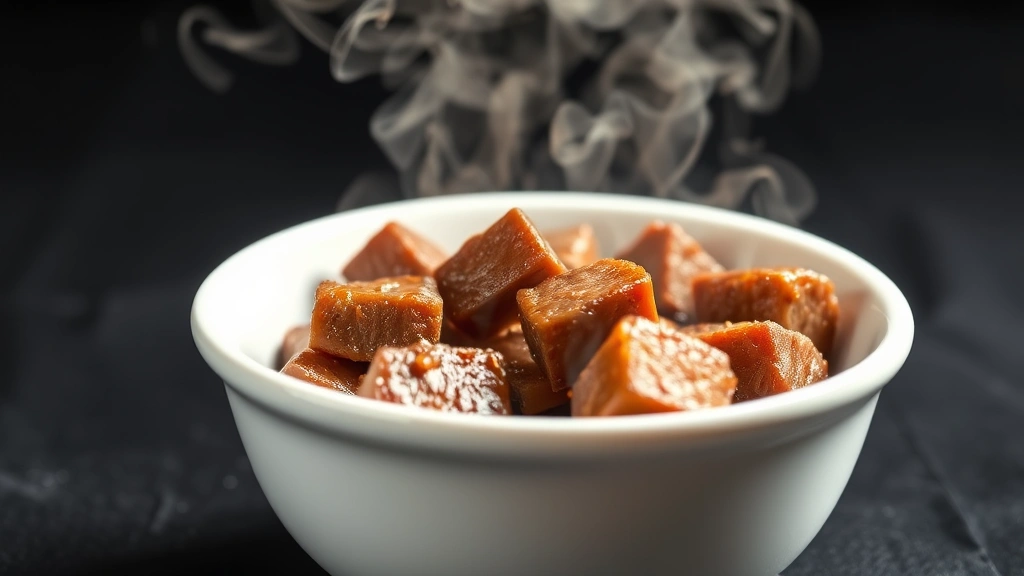
Selecting and Preparing Your Beef Liver
Not all beef liver is created equal, and selecting the right quality product is the first step toward creating a nutritious meal for your pup. When shopping for beef liver, look for organic, grass-fed options whenever possible. Grass-fed beef liver tends to have higher levels of omega-3 fatty acids and lower levels of residual antibiotics compared to conventional beef.
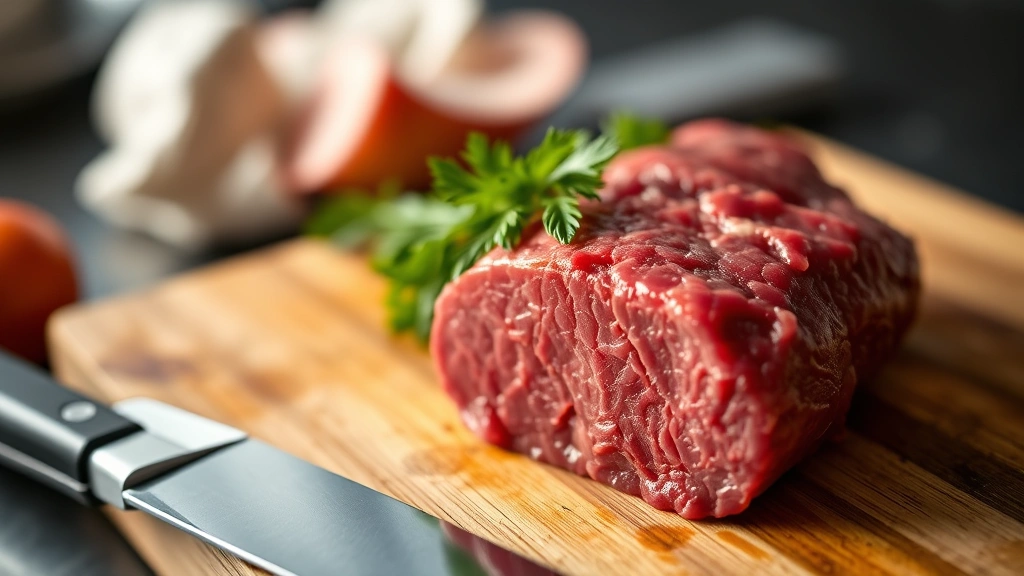
The liver should be deep red or burgundy in color with a firm texture. Avoid liver that appears grayish, has an off smell, or feels mushy—these are signs of poor quality or spoilage. Fresh liver is always preferable to frozen, but frozen is acceptable if it’s been stored properly and thawed completely before cooking.
Once you’ve brought your liver home, it’s time to prepare it. Here’s what you need to do:
- Rinse thoroughly: Place the liver under cool running water and gently rinse both sides. This removes any surface bacteria and debris.
- Pat dry: Use paper towels to pat the liver completely dry. This helps it cook more evenly and prevents splashing.
- Trim excess fat: While some fat is fine, remove any large fatty deposits or connective tissue with a sharp knife.
- Cut into appropriate sizes: Depending on your cooking method and dog’s size, cut the liver into chunks or slices. Smaller pieces cook faster and are easier for dogs to digest.
If you’re concerned about bacteria, you can also soak the liver in a mixture of water and a small amount of apple cider vinegar for 15-20 minutes before cooking. This natural antibacterial treatment can provide extra peace of mind.
Best Cooking Methods for Beef Liver
There are several excellent ways to cook beef liver for your dog, each with its own advantages. Let’s explore the most popular methods:
Boiling: This is the gentlest cooking method and helps retain most nutrients. Simply place liver pieces in a pot of water (no salt!) and bring to a boil. Reduce heat and simmer for 10-15 minutes until cooked through. The cooking water, which contains leached nutrients, can be saved and added to your dog’s regular food. If you’re looking for similar preparation techniques, our guide on how to boil chicken for dogs follows a similar approach.
Baking: Preheat your oven to 375°F. Place liver pieces on a baking sheet lined with parchment paper and bake for 15-20 minutes until fully cooked through. This method requires no added water or oil, making it a clean, straightforward option. The liver will shrink slightly as it cooks, which is completely normal.
Pan-searing: Heat a non-stick skillet over medium-high heat and cook liver pieces for 3-4 minutes per side. Don’t use any oil or butter—the liver will release its own moisture. This quick method is perfect if you’re in a hurry and want to preserve maximum nutrients.
Slow cooking: Place liver pieces in a slow cooker with a small amount of water and cook on low for 4-6 hours. This method creates incredibly tender liver and is excellent if you’re making large batches. The extended cooking time allows flavors to develop while maintaining nutritional integrity.
Steaming: Using a steamer basket over boiling water, steam liver pieces for 12-15 minutes. This method is gentler than boiling and prevents nutrient loss into cooking water, though you can still save that water as a broth for your dog’s meals.
Whichever method you choose, make sure the liver is cooked completely through—no pink or raw areas should remain. Undercooked liver poses bacterial contamination risks.
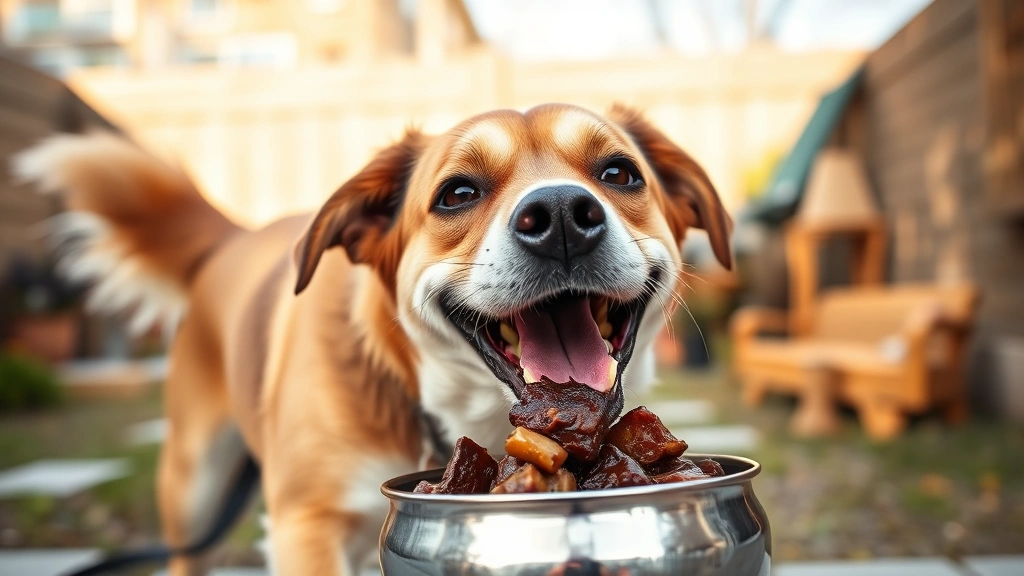
Our Simple Beef Liver Recipe
Ready to get cooking? Here’s our foolproof recipe that most dogs absolutely love:
Basic Cooked Beef Liver for Dogs
Ingredients:
- 1 pound fresh beef liver
- Water for boiling or steaming
Instructions:
- Rinse the beef liver thoroughly under cool running water.
- Pat completely dry with paper towels.
- Cut the liver into bite-sized pieces (approximately 1-2 inches for medium dogs, smaller for toy breeds).
- Bring a pot of water to a boil. Add liver pieces and reduce heat to a simmer.
- Cook for 12-15 minutes until the liver is cooked completely through and no pink remains.
- Remove liver with a slotted spoon and place on a clean plate to cool.
- Once cooled to room temperature, serve to your dog or store for later use.
Yield: One pound of beef liver yields approximately 12-16 bite-sized treats, depending on size.
Advanced Recipe: Liver and Sweet Potato Mix
For a more complete meal, you can combine cooked beef liver with other dog-safe ingredients. This recipe is particularly helpful if you’re wondering what to feed a dog with diarrhea, as both liver and sweet potato are easily digestible and nutritious.
Ingredients:
- ½ pound cooked beef liver, chopped
- 1 medium sweet potato, cooked and cubed
- ½ cup cooked carrots, diced
- ¼ cup plain pumpkin puree
- 2 tablespoons bone broth or plain water
Instructions:
- Cook all ingredients separately using appropriate methods (boil or steam liver, bake sweet potato and carrots).
- Chop cooked liver into small pieces.
- Combine all ingredients in a bowl and mix thoroughly.
- Let cool completely before serving to your dog.
- Store in an airtight container in the refrigerator for up to 3 days.
This recipe creates a balanced meal that combines the nutritional powerhouse of liver with digestible carbohydrates and additional vegetables. If you want to learn more about incorporating other proteins, check out our guides on how to cook chicken for dogs and how to boil chicken for dogs for comparison.
Portion Sizes and Feeding Guidelines
Understanding proper portion sizes is crucial for maintaining your dog’s health and preventing nutritional imbalances. Remember, beef liver is nutrient-dense, which means you don’t need to feed large quantities to gain its benefits.
As a general rule, organ meats like beef liver should comprise no more than 5-10% of your dog’s daily caloric intake. For most dogs, this translates to approximately:
- Small dogs (under 25 lbs): ¼ to ½ ounce of cooked beef liver, 2-3 times per week
- Medium dogs (25-50 lbs): ½ to 1 ounce of cooked beef liver, 2-3 times per week
- Large dogs (50+ lbs): 1 to 2 ounces of cooked beef liver, 2-3 times per week
If you’re unsure about the right amount for your specific dog, consult with your veterinarian. They can factor in your dog’s age, weight, activity level, and overall diet to recommend the perfect portion size.
When introducing beef liver to your dog’s diet for the first time, start with a very small amount—about ¼ teaspoon for small dogs, ½ teaspoon for medium dogs, and 1 teaspoon for large dogs. Monitor your dog’s digestion for 24 hours. If there are no adverse reactions like diarrhea or vomiting, you can gradually increase to the recommended portions.
You can serve beef liver in several ways: as standalone treats, mixed into regular kibble, combined with other ingredients as we discussed earlier, or even frozen as refreshing summer treats. If you’re wondering about how much food you should feed your dog overall, remember to account for beef liver treats as part of the total daily calories.
For dogs with specific dietary needs, beef liver can be particularly beneficial. Some pet owners add it to bone broth for dogs to create nutrient-rich broths, though always ensure bone broth is made without onions, garlic, or excessive salt.
Storage and Safety Tips
Proper storage ensures your cooked beef liver remains safe and nutritious for your dog. Here are essential storage guidelines:
Refrigerator Storage: Cooked beef liver can be stored in an airtight container in the refrigerator for up to 3-4 days. Make sure it’s completely cooled before storing to prevent condensation and bacterial growth. Label the container with the date prepared so you can track freshness.
Freezer Storage: For longer storage, freeze cooked beef liver in ice cube trays or small portions. Once frozen solid (approximately 4-6 hours), transfer the cubes to a freezer bag and store for up to 3 months. This method is perfect for making individual portions that you can thaw as needed.
Thawing: Always thaw frozen beef liver in the refrigerator, never at room temperature. This prevents bacterial multiplication. Transfer from freezer to refrigerator the night before you plan to serve it.
Safety Considerations:
- Never feed your dog raw beef liver due to bacterial contamination risks like E. coli and Salmonella, as noted by the ASPCA.
- Always ensure cooked liver is completely cooled before serving to prevent mouth burns.
- Don’t add salt, garlic, onions, or seasonings to beef liver meant for dogs.
- If your dog has liver disease or kidney problems, consult your veterinarian before adding beef liver to their diet.
- Some dogs may have sensitivities to liver; watch for signs of digestive upset or allergic reactions.
When in doubt about your dog’s ability to safely consume beef liver, reach out to your veterinarian. They can provide personalized guidance based on your dog’s health status and dietary needs.
Frequently Asked Questions
Can I feed my dog raw beef liver?
While some raw feeding advocates suggest raw beef liver, it carries significant bacterial contamination risks. The FDA recommends cooking all meat products for pets to eliminate harmful bacteria like Salmonella and E. coli. Cooking doesn’t significantly reduce the nutritional value while making it much safer for your dog.
How often can I feed my dog beef liver?
Beef liver should be fed 2-3 times per week as part of a balanced diet. Because it’s high in vitamin A, which accumulates in the body, daily consumption could lead to vitamin A toxicity over time. Rotating different protein sources and organ meats provides better nutritional balance.
Is beef liver better than chicken liver for dogs?
Both beef liver and chicken liver are nutritious options, though they have slightly different nutrient profiles. Beef liver contains more iron and B vitamins per ounce, while chicken liver is slightly lower in calories. Either can be included in your dog’s diet, and rotating between them provides nutritional variety.
My dog won’t eat cooked beef liver—what can I do?
Some dogs are picky about liver’s strong flavor. Try mixing it with foods they already love, such as their regular kibble, plain yogurt, or sweet potato. You can also try different cooking methods—some dogs prefer pan-seared liver over boiled. If your dog consistently refuses it, there’s no need to force it; focus on other nutrient-dense foods they enjoy.
Can puppies eat beef liver?
Yes, puppies can eat beef liver in appropriate portions. Start with very small amounts to ensure their developing digestive systems tolerate it well. Puppies have different nutritional requirements than adult dogs, so consult your veterinarian about incorporating beef liver into your puppy’s specific diet plan.
What are signs that my dog isn’t tolerating beef liver well?
Watch for vomiting, diarrhea, constipation, or lack of appetite following beef liver consumption. Some dogs may also develop itching or skin reactions if they have sensitivities. If you notice any of these signs, discontinue beef liver and consult your veterinarian.
Can beef liver help with my dog’s dry skin or dull coat?
Yes! The B vitamins, iron, and other nutrients in beef liver support healthy skin and coat. However, for best results, pair beef liver with other omega-3 rich foods and ensure your dog is getting a complete, balanced diet. If your dog has persistent skin issues, consult your veterinarian to rule out allergies or other health concerns.