

How to Cook Liver for Dogs: Easy, Vet-Approved Recipe
If you’ve ever wondered whether you can whip up a nutritious homemade treat for your furry best friend, the answer is a resounding yes! Cooking liver for dogs is one of the simplest and most rewarding ways to provide your pup with a protein-packed, nutrient-dense snack that they’ll absolutely love. Whether you’re looking to add variety to their diet, create training rewards, or simply show your pooch some extra love, homemade liver treats are a game-changer.
The best part? You don’t need fancy culinary skills or expensive ingredients. With just a few minutes and basic kitchen equipment, you can prepare liver that’s not only delicious but also packed with essential vitamins and minerals like iron, B vitamins, and copper. Your dog’s tail will be wagging before you even finish cooking!
In this comprehensive guide, we’ll walk you through everything you need to know about preparing liver for your canine companion, from selecting the right type to mastering multiple cooking methods. Let’s dive in!
Why Liver is Great for Dogs
Liver is nature’s multivitamin for dogs. This nutrient-dense organ meat contains an impressive array of essential nutrients that support your dog’s overall health and vitality. Unlike some commercial treats loaded with fillers and preservatives, liver delivers real nutritional value in every bite.
The iron content in liver is particularly beneficial for dogs, especially those who may be recovering from illness or dealing with anemia. Additionally, liver contains vitamin A, which supports eye health and immune function, and B vitamins that help with energy metabolism and nervous system function. Your pup gets a powerhouse of nutrition with minimal effort on your part.
When you’re considering whether to include beef liver in your dog’s diet, remember that it’s also highly palatable. Dogs find liver absolutely irresistible, making it perfect for training sessions, positive reinforcement, or simply as a special treat. Plus, when you prepare it yourself, you have complete control over the ingredients—no mystery components or questionable additives.
Types of Liver You Can Use
Not all livers are created equal, and understanding your options will help you choose the best one for your dog. The most common choices are beef liver, chicken liver, and pork liver, each with its own benefits and considerations.
Beef Liver
Beef liver is the most nutrient-dense option and contains higher iron levels compared to poultry livers. It’s also more substantial, making it ideal for larger dogs or those who need extra nutritional support. If you’re wondering whether this is a safe choice, our guide on whether dogs can eat beef liver provides detailed safety information. Beef liver has a stronger flavor that most dogs find absolutely delicious, and it tends to be more affordable than specialty meats.
Chicken Liver
Chicken liver is milder in flavor and slightly less dense than beef liver, making it a great option for smaller dogs or picky eaters. It’s also easier to portion into bite-sized pieces. Before adding this to your dog’s menu, check out our article about whether dogs can safely eat chicken liver for comprehensive guidance. Chicken liver cooks faster than beef, which can be convenient when you’re short on time.
Pork Liver
Pork liver is another viable option, though it’s less commonly used than beef or chicken. It falls somewhere in the middle nutritionally and flavor-wise. Always ensure pork liver comes from a reputable source and is thoroughly cooked to eliminate any potential parasites.
Preparation Steps
Before you start cooking, proper preparation is essential for both safety and quality. Follow these steps to ensure your homemade liver treats are perfect for your pup.
Selecting Your Liver
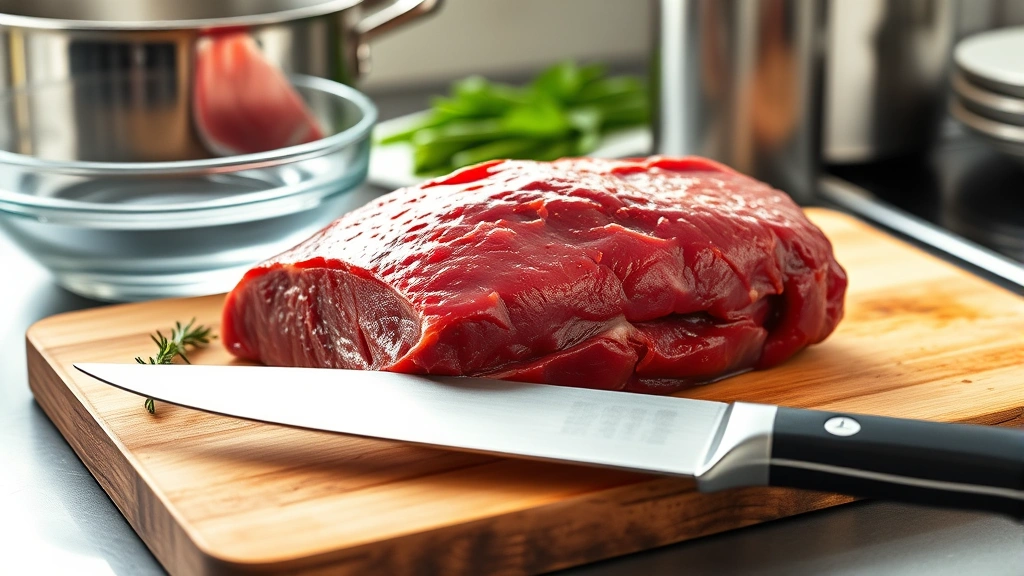
Choose fresh liver from a reputable butcher or grocery store. Look for liver that’s a deep red or brown color—avoid any that appears gray, discolored, or has an off smell. Ask your butcher if they have frozen options available, as these are often more affordable and freeze beautifully for later use.
Rinsing
Rinse the liver under cool running water to remove any surface debris. You don’t need to soak it; just a quick rinse is sufficient. Pat it dry with paper towels before proceeding to your chosen cooking method.
Trimming (Optional)
Some livers come with connective tissue or bile ducts. While these won’t harm your dog, you can trim them away if you prefer a cleaner product. Use a sharp knife and remove any greenish areas, which indicate bile residue.
Cooking Methods
There are several effective ways to cook liver for your dog. Choose the method that best fits your schedule and kitchen setup.
Boiling Method (Simplest)
Boiling is the easiest and most hands-off approach. Place your liver in a pot of water (no salt, seasonings, or garlic). Bring to a boil, then reduce heat and simmer for 10-15 minutes depending on thickness. The liver should be cooked through with no pink remaining. Drain and let cool completely before serving.
Pro tip: Save the cooking water! This nutrient-rich broth can be poured over your dog’s regular meals for an extra boost. It’s similar to the method we describe when covering how to boil chicken for dogs, just adapted for liver.
Baking Method (Batch-Friendly)
For larger quantities, baking is incredibly efficient. Preheat your oven to 350°F (175°C). Spread liver pieces on a lined baking sheet in a single layer. Bake for 15-20 minutes until cooked through. This method is perfect when you want to prepare multiple servings for the week ahead.
Pan-Frying Method (Quick Option)
Heat a non-stick skillet over medium-high heat (no oil needed—liver has enough natural fat). Cook liver pieces for 3-4 minutes per side until fully cooked. This method is fastest if you’re preparing a small quantity.
Slow Cooker Method (Set It and Forget It)
Place liver in your slow cooker with just enough water to cover. Cook on low for 4-6 hours or on high for 2-3 hours. This gentle method preserves maximum nutrients and is perfect if you’re preparing a large batch.
Storage and Serving Tips
Proper storage ensures your homemade liver treats stay fresh and safe for your dog to enjoy.
Refrigerator Storage
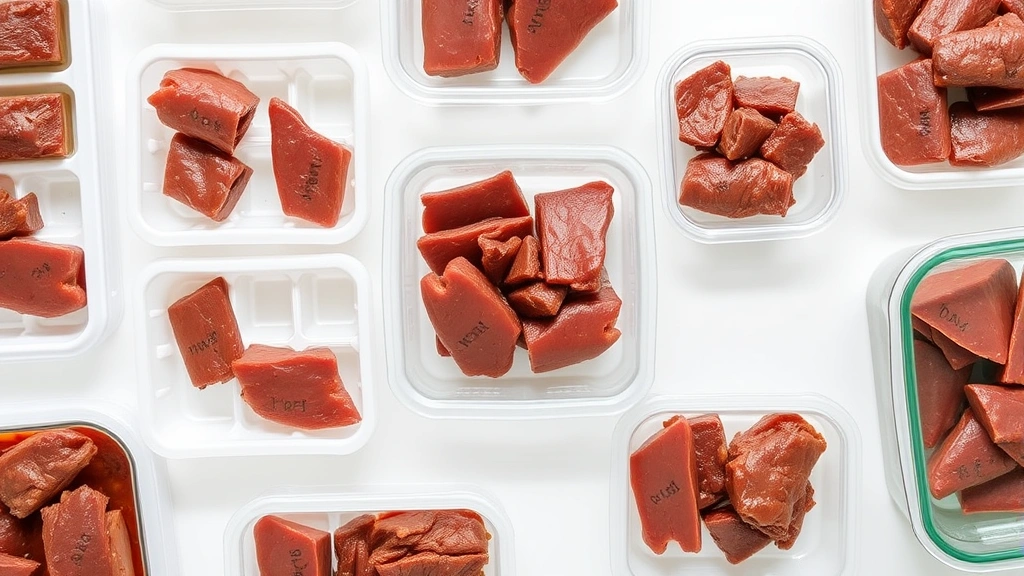
Cooked liver keeps in an airtight container in the refrigerator for up to 3-4 days. Store it in a glass container to prevent odor absorption and maintain freshness.
Freezing for Long-Term Storage
For extended storage, freeze cooked liver in ice cube trays or small portions. Once frozen solid, transfer the cubes to freezer bags. Properly frozen liver lasts up to 3 months. This is fantastic for always having treats on hand!
Serving Suggestions
Serve liver at room temperature or slightly warmed. You can offer it as:
- A standalone treat
- Mixed into regular kibble for added nutrition
- Cut into small pieces for training rewards
- Crumbled over meals as a topper
Portion Control Guidelines
While liver is nutritious, moderation is key. Treats should comprise no more than 10% of your dog’s daily caloric intake. For most dogs, this means offering liver treats 2-3 times per week rather than daily.
Understanding how much food you should feed your dog is crucial when incorporating homemade treats into their diet. A general guideline is:
- Small dogs (under 20 lbs): 1-2 small pieces per serving
- Medium dogs (20-60 lbs): 2-4 small pieces per serving
- Large dogs (over 60 lbs): 4-6 small pieces per serving
If your dog has a sensitive digestive system, introduce liver gradually. Start with tiny amounts and watch for any digestive upset. For dogs dealing with digestive issues, check out our guide on what to feed a dog with diarrhea before introducing new foods.
Remember that liver is rich and concentrated in nutrients. Some dogs may experience loose stools if they consume too much, so start conservatively and adjust based on your individual pup’s response.
Nutritional Benefits Breakdown
Understanding what makes liver so valuable helps you appreciate why it’s worth the preparation effort. According to AAFCO guidelines, liver provides essential micronutrients that support canine health at every life stage.
Beef liver contains approximately:
- Protein: 26g per 3.5 oz serving
- Iron: 36% of daily value
- Vitamin A: 860% of daily value
- Vitamin B12: 1,400% of daily value
- Folate: 260% of daily value
These impressive numbers demonstrate why liver is considered a superfood for dogs. The B12 content alone supports nerve function and energy production, while the high vitamin A content promotes healthy vision and immune response.
Important Precautions and Considerations
While liver is generally safe, there are a few situations where you should exercise caution or consult your veterinarian.
Dogs with Certain Health Conditions
Dogs with copper storage disease or those predisposed to it should consume liver in moderation, as liver is naturally high in copper. Similarly, dogs with kidney disease may need dietary restrictions. Always consult your vet if your dog has pre-existing health conditions.
Source Quality Matters
Purchase liver from reputable sources to minimize exposure to contaminants or diseases. Organic, grass-fed beef liver is ideal but not always necessary. The key is ensuring it comes from a trusted butcher or grocery store with proper food safety standards.
Cooking Temperature
Ensure liver is cooked through completely (no pink inside) to eliminate potential parasites or bacteria. Use a meat thermometer if you’re uncertain—liver should reach an internal temperature of 160°F (71°C).
Liver Alternatives and Complementary Proteins
While liver is fantastic, consider rotating it with other protein sources for dietary variety. Similar to how you might explore whether dogs can safely eat ground beef, you can incorporate other organ meats and proteins into your dog’s treat rotation.
Other excellent organ meats include:
- Heart (excellent source of taurine)
- Kidney (rich in selenium)
- Spleen (supports immune function)
Rotating these different proteins ensures your dog receives a complete spectrum of nutrients and prevents dietary boredom.
Frequently Asked Questions
Can I give my dog raw liver instead of cooked?
While some raw feeding advocates suggest raw liver, cooking is the safer option for most pet owners. Cooking eliminates potential parasites and bacteria while making the nutrients more bioavailable. If you’re interested in raw feeding, consult your veterinarian first.
How often can I give my dog liver treats?
Liver treats should be offered 2-3 times per week as part of the 10% treat allowance in your dog’s daily diet. More frequent feeding may lead to digestive upset or nutrient imbalances.
What if my dog has never had liver before?
Introduce liver gradually, starting with a tiny piece. Observe your dog for 24-48 hours for any digestive upset before increasing the amount. Most dogs tolerate it beautifully, but individual sensitivities vary.
Can puppies eat cooked liver?
Yes, puppies can enjoy cooked liver! It’s an excellent source of nutrients for growing dogs. However, keep portions age-appropriate and ensure it doesn’t exceed 10% of their daily caloric intake.
Is organ meat safe for senior dogs?
Absolutely! Senior dogs benefit greatly from liver’s nutrient density. The iron and B vitamins support aging dogs’ energy levels and cognitive function. Just ensure portions are appropriate for their size and health status.
Can I use liver from any animal?
Stick to commonly available options like beef, chicken, or pork liver from reputable sources. Avoid exotic meats or liver from wild animals, which may carry parasites or contaminants.
What’s the shelf life of frozen liver treats?
Properly frozen cooked liver lasts up to 3 months in the freezer. Use airtight containers or freezer bags to prevent freezer burn. Label your containers with the preparation date for easy tracking.
Should I add salt or seasonings to the liver?
No! Cook liver plain without any salt, garlic, onions, or other seasonings. Your dog doesn’t need added flavoring—plain liver is delicious to them and safer for their health.
Can liver treats help with picky eaters?
Liver is incredibly palatable and often helps entice picky eaters. Try crumbling cooked liver over their regular meals or mixing it in to encourage consumption.
Is there a best time to give liver treats?
Liver can be given anytime, but many owners use it for training sessions or as special rewards. Some prefer giving it earlier in the day to avoid potential digestive upset before bedtime.
Final Thoughts: Homemade Liver Treats Worth the Effort
Cooking liver for your dog is one of the simplest ways to show your pup some extra love while providing serious nutritional benefits. Whether you choose boiling, baking, or slow-cooking, the result is the same: a nutrient-dense treat that your dog will absolutely adore.
The beauty of homemade liver treats lies in their simplicity and transparency. You know exactly what goes into them—no mystery ingredients, no artificial additives, just pure, wholesome goodness. Plus, the cost is minimal compared to many commercial treats, making this a budget-friendly option for health-conscious pet parents.
Start with small batches, observe how your individual dog responds, and adjust portions accordingly. Before making significant dietary changes, especially if your dog has health concerns, consult with your veterinarian. They can provide personalized guidance based on your dog’s specific needs and health status.
Your furry friend deserves the best, and homemade liver treats are a delicious, nutritious way to deliver exactly that. So grab some fresh liver from your local butcher, follow our simple preparation steps, and get ready to see your dog’s tail wag like never before!





