
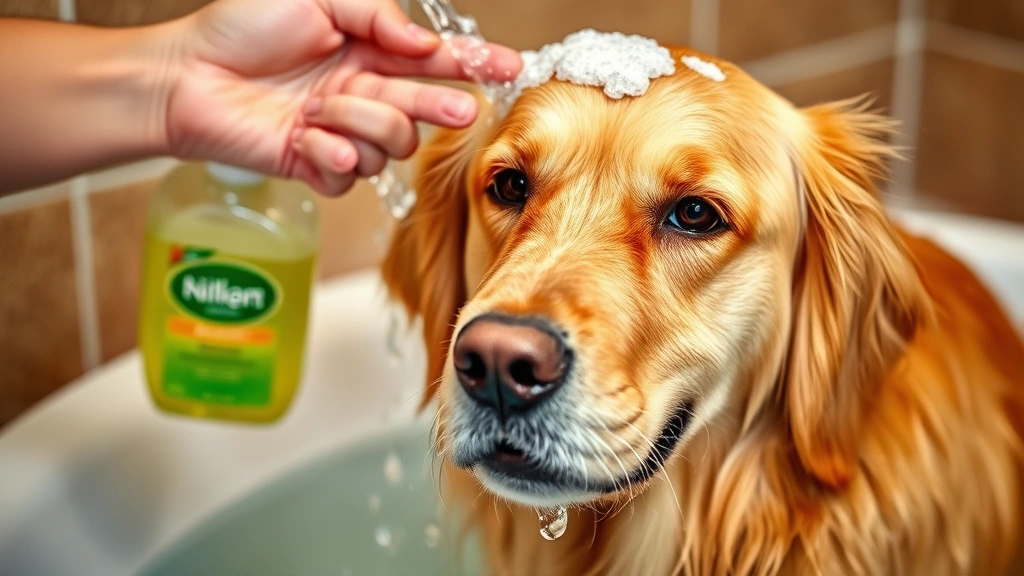
If you’re wondering how to cure dry skin on dogs, you’re not alone—this is one of the most common complaints I hear from pet parents, and honestly, it’s way more fixable than you’d think. Your pup’s itchy, flaky skin doesn’t have to be a permanent fixture of your life together, and the good news is that most cases respond really well to some straightforward interventions.
Table of Contents
- Understanding Why Your Dog’s Skin Gets Dry in the First Place
- Remedy #1: Upgrade Your Dog’s Diet with Omega Fatty Acids
- Remedy #2: Invest in a Quality Dog Shampoo and Conditioner
- Remedy #3: Increase Humidity in Your Home
- Remedy #4: Use Topical Treatments and Supplements
- Remedy #5: Visit Your Vet to Rule Out Underlying Conditions
- Environmental and Seasonal Considerations
- The Role of Exercise and Overall Wellness
- Quick Fixes vs. Long-Term Solutions
- When to Seek Emergency Veterinary Care
- Frequently Asked Questions
- Summary: Your Action Plan for Healthy Skin
Dry skin in dogs can range from mildly annoying to downright miserable, depending on the cause and severity. Your dog might be scratching constantly, leaving little flakes on the couch, or developing red patches that look uncomfortable. The culprit could be anything from winter weather and low humidity to allergies, poor nutrition, or underlying health conditions. But here’s the thing: once you identify what’s causing the dryness, you can actually do something about it.
Understanding Why Your Dog’s Skin Gets Dry in the First Place
Before we jump into solutions, let’s talk about why dogs develop dry skin. Unlike humans, dogs have a thinner skin barrier, which means they’re more susceptible to moisture loss and environmental irritants. The most common causes include seasonal changes (especially winter), low indoor humidity from heating systems, nutritional deficiencies, allergies, and sometimes just plain old genetics.

Some breeds are naturally predisposed to drier skin—think German Shepherds, Huskies, and Terriers. If you’ve got a dog with a double coat or sensitive skin, you’re more likely to battle this issue. Environmental factors play a huge role too. If you live somewhere cold and dry, or if your heating system runs constantly during winter, your dog’s skin is going to feel the effects.
Remedy #1: Upgrade Your Dog’s Diet with Omega Fatty Acids
This is where most people should start, and honestly, it’s the most effective long-term solution. The skin is the body’s largest organ, and it needs proper nutrition to function well. Omega-3 and omega-6 fatty acids are absolutely essential for maintaining a healthy skin barrier and reducing inflammation.

Look for dog foods that list fish or fish oil as primary ingredients. Salmon, sardines, and other fatty fish are nutritional powerhouses for your pup’s coat and skin. Many premium dog foods already include these, but if yours doesn’t, you can add a fish oil supplement. Start with a small amount and gradually increase to the recommended dosage based on your dog’s weight.
You can also incorporate hydrating human foods for pets into their diet. Foods like sweet potatoes, carrots, and pumpkin aren’t just hydrating—they’re packed with vitamins and antioxidants that support skin health. Check out our guide on safe vegetables for dogs to see what else you can add to their meals.

For comprehensive guidance on balancing your dog’s nutrition, our pet nutrition advice article covers everything from macronutrients to micronutrients your dog needs for optimal health.
Remedy #2: Invest in a Quality Dog Shampoo and Conditioner
Not all dog shampoos are created equal, and using the wrong one can actually make dry skin worse. Skip the cheap, heavily fragranced stuff and look for moisturizing formulas specifically designed for dry or sensitive skin. Oatmeal-based shampoos are fantastic because they’re gentle and naturally soothing.

Here’s a pro tip: don’t bathe your dog too frequently. Once every 4-6 weeks is usually plenty, unless your vet recommends otherwise. Over-bathing strips away natural oils that protect the skin. When you do bathe your pup, use lukewarm (not hot) water—hot water opens the skin’s pores and allows moisture to escape more easily.
After shampooing, always use a conditioner. This is non-negotiable for dogs with dry skin. Leave the conditioner on for a few minutes to let it penetrate. If you’re curious about whether you can use human products on your dog, we’ve got you covered—read our article on can you use human conditioner on dogs to understand the differences.

Remedy #3: Increase Humidity in Your Home
Environmental moisture levels directly impact your dog’s skin. If you live in a dry climate or use heating systems that suck moisture out of the air, your dog’s skin is going to suffer. A humidifier is a simple, inexpensive solution that benefits both you and your pup.
Aim for humidity levels between 30-50% in your home. You can pick up a basic humidifier for under $50, and it’s worth every penny if it means your dog stops scratching like crazy. Run it especially during winter months when heating systems are working overtime. Some people even use humidifiers in their dog’s sleeping area to create a more skin-friendly microclimate.

Remedy #4: Use Topical Treatments and Supplements
Sometimes you need to address dry skin from the outside while you’re working on internal solutions. Coconut oil is a popular natural remedy—just apply a small amount directly to affected areas a few times per week. It has natural anti-inflammatory properties and smells pretty good too (at least to most dogs).
Dog-specific moisturizing sprays and balms are also worth considering. These are formulated to be safe if your dog licks them off, unlike human moisturizers. Look for products containing hyaluronic acid, aloe vera, or other hydrating ingredients.

Supplements like fish oil capsules or specialized skin supplements containing biotin, zinc, and vitamin E can work wonders. These address dry skin from the inside out and often show results within 4-6 weeks. Talk to your vet about which supplements would be best for your specific dog.
Remedy #5: Visit Your Vet to Rule Out Underlying Conditions
If you’ve tried the above remedies and your dog’s skin still isn’t improving, it’s time to see a veterinarian. Dry skin can sometimes be a symptom of allergies, thyroid problems, parasites, or other health conditions that require professional treatment.

Your vet might recommend medicated shampoos, prescription supplements, or other treatments depending on what’s causing the issue. They can also perform skin scrapings or other tests to identify bacterial or fungal infections that might be contributing to the problem. Don’t skip this step if over-the-counter remedies aren’t cutting it.
Environmental and Seasonal Considerations
The season definitely matters when dealing with dog skin issues. Winter is the worst culprit for most dogs because cold air is naturally drier, and indoor heating makes it even worse. Summer can be problematic too if your air conditioning is running constantly.

During winter, consider boosting your dog’s hydration by ensuring they always have fresh water available. Some dogs drink less in cold weather, which compounds skin dryness. You might also want to limit outdoor exposure during extremely cold, dry weather, or invest in a dog coat to protect their skin from harsh elements.
The Role of Exercise and Overall Wellness
Healthy skin starts with overall health. Dogs that get regular exercise, maintain a healthy weight, and manage stress tend to have better skin. Exercise improves circulation, which helps deliver nutrients and oxygen to the skin more effectively.

Stress can actually trigger or worsen skin issues in dogs, just like it does in humans. Make sure your pup is getting enough playtime, mental stimulation, and relaxation. A stressed-out dog is more likely to develop skin problems and less likely to recover quickly from them.
Quick Fixes vs. Long-Term Solutions
Let’s be honest: there’s no magic overnight cure for dry skin. However, some remedies work faster than others. Topical treatments and environmental changes (like adding a humidifier) can provide relief within days. Dietary changes and supplements typically take 4-8 weeks to show significant improvement.

The most effective approach combines multiple remedies. Start with diet optimization and a humidifier, add a quality conditioner to your bathing routine, and consider supplements. This multi-pronged approach addresses the problem from multiple angles and gives you the best chance of success.
When to Seek Emergency Veterinary Care
While most dry skin isn’t an emergency, certain situations warrant immediate veterinary attention. If your dog is scratching so much that they’re creating open wounds, if there’s significant hair loss, if you notice signs of infection (pus, warmth, swelling), or if your dog seems to be in pain, get to a vet right away. These could indicate serious underlying conditions that need professional treatment.

Frequently Asked Questions
How long does it take to cure dry skin on dogs?
It depends on the cause and severity. Topical treatments and environmental changes can provide relief within days or weeks. Dietary changes and supplements typically show results within 4-8 weeks. If there’s an underlying health condition, treatment timeline depends on addressing that specific issue. Patience is key—skin healing takes time.
Can I use human moisturizer on my dog’s dry skin?
Most human moisturizers aren’t recommended for dogs because they may contain ingredients that are safe for human skin but potentially toxic if your dog licks them off. Stick with dog-specific products or natural options like coconut oil. Always check with your vet before applying anything new to your dog’s skin.
What’s the best food for dogs with dry skin?
Look for high-quality dog foods with fish or fish oil as primary ingredients. Foods rich in omega-3 and omega-6 fatty acids are ideal. You can also supplement with fish oil capsules or add hydrating foods like sweet potatoes and pumpkin to their diet. Our sustainable dog food guide includes options that prioritize skin health.
Is dry skin in dogs contagious?
Dry skin itself isn’t contagious, but if it’s caused by a fungal or bacterial infection, that could potentially spread to other pets. If you suspect an infection, isolate your dog and see a vet immediately. Most cases of simple dry skin from environmental or nutritional causes pose no risk to other pets.
Can allergies cause dry skin in dogs?
Absolutely. Allergies are one of the most common causes of dry, itchy skin in dogs. These can be food allergies, environmental allergies, or contact allergies. If you suspect allergies, work with your vet to identify the trigger and either eliminate it or manage it with medication.
Do all dog breeds get dry skin?
Some breeds are more prone to dry skin than others. Double-coated breeds and those with naturally sensitive skin (like German Shepherds, Huskies, and certain Terriers) are more susceptible. However, any dog can develop dry skin if exposed to the right combination of environmental factors and nutritional deficiencies.
Summary: Your Action Plan for Healthy Skin
Figuring out how to cure dry skin on dogs doesn’t require a complicated medical degree—it just requires understanding the basics and being willing to make some adjustments. Start with the fundamentals: upgrade your dog’s diet with omega fatty acids, invest in quality grooming products, and increase humidity in your home. Add targeted supplements and topical treatments, and don’t hesitate to visit your vet if things don’t improve.
Remember that skin health is a reflection of overall health. A well-nourished, exercised, and stress-free dog is much more likely to have healthy, comfortable skin. The remedies we’ve covered here address both the symptoms and the root causes of dry skin, giving you the best chance of success. Your pup will thank you when they stop scratching constantly and can finally enjoy some peaceful rest.





