

Knowing how to do the heimlich on a dog could literally save your furry best friend’s life, and honestly, it’s easier than you might think. When your dog is choking, every second counts, and panic is your worst enemy. This guide will walk you through the exact steps to perform this critical maneuver, plus everything you need to know about recognizing choking and preventing it in the first place.
Table of Contents
- Understanding When Your Dog Is Actually Choking
- The Canine Heimlich Maneuver: Step-by-Step Instructions
- What to Do After the Object Comes Out
- Common Choking Hazards Every Dog Owner Should Know
- Differences Between Choking and Other Respiratory Issues
- Training and Preparation: Be Ready Before Disaster Strikes
- When to Seek Veterinary Help Immediately
- Special Considerations for Puppies and Senior Dogs
- Post-Choking Care and Diet Adjustments
- The Psychological Impact on Your Dog (And You)
- Frequently Asked Questions
- Summary: You’ve Got This
Understanding When Your Dog Is Actually Choking
Before you jump into action hero mode, you need to know the difference between a dog that’s choking and a dog that’s just having a rough moment. A choking dog will have sudden difficulty breathing, excessive drooling, pawing at the mouth, and possibly a panicked expression. They might make gagging sounds or struggle to swallow. This is NOT the same as coughing in dogs, which is usually a sign of a different issue entirely.
Real choking means an object is physically blocking the airway. Your dog might collapse if oxygen flow is completely cut off. If your pup can cough, bark, or make any noise, they’re getting some air—though they still need immediate help. If they’re completely silent and struggling, that’s the most dangerous scenario and demands instant action.
The Canine Heimlich Maneuver: Step-by-Step Instructions
Here’s exactly how to perform the heimlich on a dog when seconds matter. First, stay calm (easier said than done, we know). Your dog feeds off your energy, and panicking won’t help anyone.
For small dogs (under 30 pounds): Hold your dog upright with their back against your chest. Make a fist just below their ribcage, right where the breastbone ends. Place your other hand over your fist and press inward and upward in quick, forceful thrusts. Repeat 5 times, then check if the object dislodged. If not, repeat the sequence.
For large dogs: Stand to the side of your dog and wrap your arms around their belly, just behind the ribcage. Make a fist and place it between the breastbone and belly button. Grasp your fist with your other hand and thrust inward and upward sharply. Do 5 repetitions, check the mouth, and repeat if necessary.
The key difference with dog heimlich technique versus human CPR is the angle and force—you’re working with a different body structure, so adjust accordingly. Don’t be timid; you need real force to dislodge whatever’s stuck.
What to Do After the Object Comes Out
Once you’ve successfully removed the choking hazard, resist the urge to celebrate just yet. Even if your dog seems fine, they need a vet visit ASAP. Choking can cause internal injuries, inflammation, or secondary complications you can’t see. Your vet will check for damage to the throat, esophagus, and airways.
In the meantime, keep your dog calm and quiet. Don’t offer food or water immediately. Some dogs have residual swelling that makes swallowing difficult or dangerous. Watch for signs of continued distress: labored breathing, excessive drooling, or reluctance to eat.
Common Choking Hazards Every Dog Owner Should Know
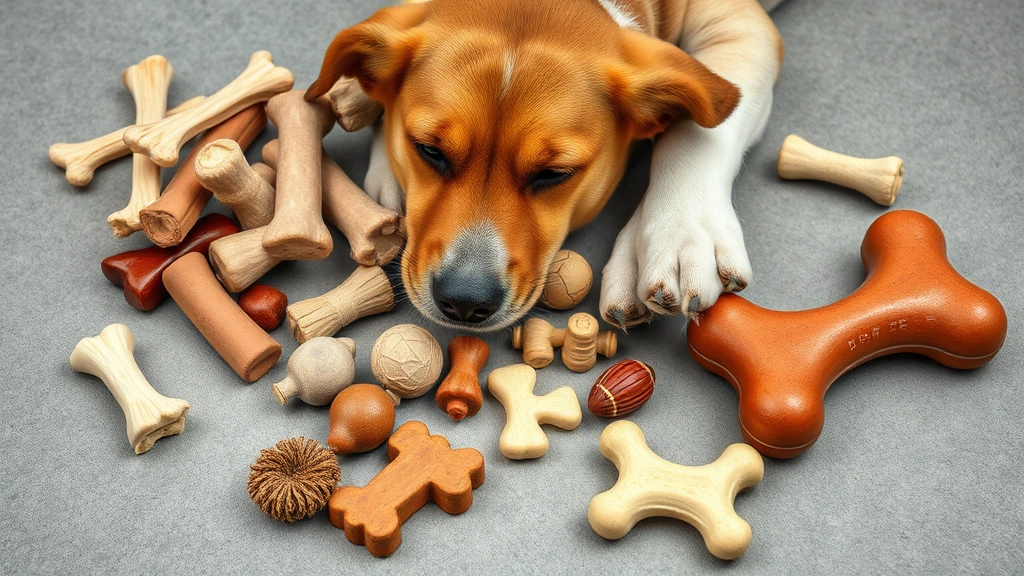
Prevention is genuinely better than cure, especially with choking. Certain items are notorious culprits: rawhide chews, bones with sharp edges, small toys, grapes, onions, and even certain human foods for pets that seem innocent but aren’t. Rawhides are particularly dangerous because they soften and can become lodged in the throat or intestines.
Toys should be size-appropriate—nothing your dog can swallow whole. Supervise chewing sessions, especially with aggressive chewers. Remove toys that are falling apart or have small pieces breaking off. And yes, keep your dog away from xylitol poisoning in dogs sources, though that’s more of a toxicity issue than choking.
Differences Between Choking and Other Respiratory Issues
Not every breathing problem is choking. Cough medicine for dogs exists because coughing is a separate condition. Dogs with reverse sneezing make honking sounds but aren’t choking. Laryngeal paralysis in senior dogs causes difficulty breathing but not acute choking. Asthma-like conditions present differently too.
The critical distinction: choking is sudden, often related to eating or chewing, and involves a visible or suspected foreign object. Other respiratory issues develop gradually or have different triggers. When in doubt, call your vet and describe the symptoms. They can guide you on whether it’s an emergency.
Training and Preparation: Be Ready Before Disaster Strikes
Take a pet first aid class if possible—many veterinary clinics and animal organizations offer them. Hands-on practice with instructors makes the actual technique feel more natural if you ever need it. Watch videos from reputable sources (your vet’s office, the American Veterinary Medical Association) to visualize the movements.
Keep your vet’s emergency number programmed in your phone and know where the nearest 24-hour emergency clinic is located. Some vets offer after-hours services; others don’t. In a choking emergency, you might need to drive straight to an emergency clinic while performing the maneuver or having someone else drive while you monitor your dog.
Talk to your family about the basics too. If your kid is home alone with the dog and choking happens, they need to know what to do. Keep instructions printed and posted somewhere accessible—your fridge, bathroom mirror, or car dashboard.
When to Seek Veterinary Help Immediately
Always get veterinary attention after a choking incident, even if the object came out and your dog seems fine. But also call your vet immediately if: the object won’t come out after 2-3 rounds of the heimlich, your dog loses consciousness, breathing doesn’t improve after object removal, or you see signs of internal injury (vomiting blood, extreme lethargy, abdominal pain).
If your dog is constipated in dogs or has swallowed something that might cause blockage (like a toy), that’s a different emergency than acute choking, but it’s still urgent. Blockages can be fatal if not treated within hours.
Special Considerations for Puppies and Senior Dogs
Puppies are notorious choking risks because they explore the world with their mouths and have less impulse control. They’re also more fragile, so be gentler with the heimlich technique. Senior dogs might have weaker airways or underlying conditions that make choking more serious. If your older dog has any respiratory issues, discuss choking prevention and response with your vet specifically.
Brachycephalic breeds (Bulldogs, Pugs, Boston Terriers) are at higher risk because their airways are naturally compromised. They’re more prone to choking and have less tolerance for airway obstruction. These breeds need extra-careful food and toy selection.
Post-Choking Care and Diet Adjustments
After a choking incident, your vet might recommend temporary diet changes. Soft foods, smaller kibble sizes, or human foods for pets with sensitive stomachs might be suggested while the throat heals. Some dogs develop anxiety around eating after a traumatic choking event—this is normal and usually resolves with time and patience.
Slow feeders or puzzle feeders can help prevent future choking by forcing your dog to eat more slowly. Elevating the food bowl slightly sometimes helps too. If your dog inhales food like it’s their last meal, feeding them smaller portions multiple times daily is safer than one large meal.
The Psychological Impact on Your Dog (And You)
Choking is traumatic for everyone involved. Your dog might develop anxiety around mealtime or become reluctant to chew toys. Be patient and gentle during recovery. Positive reinforcement helps them rebuild confidence. You might also experience some PTSD—that’s completely normal. Take a pet first aid class not just for skills but for peace of mind and confidence.
Many dog owners find that understanding these life-saving techniques actually reduces anxiety because they feel prepared. Knowledge is power, especially when your best friend’s life is on the line.
Frequently Asked Questions
Can I perform the heimlich on my dog myself, or should I wait for a vet?
You should perform the heimlich immediately if your dog is choking. Don’t wait for a vet—choking is life-threatening and every second counts. After you’ve dislodged the object, then rush to a vet for evaluation.
What’s the difference between the heimlich for dogs versus humans?
The positioning and angle differ because dogs have different body structures. For dogs, you work from behind or the side, thrusting inward and upward toward the spine. The force and hand placement are also adjusted for their smaller frames and different organ placement.
Is CPR necessary if my dog loses consciousness from choking?
If your dog loses consciousness, CPR might be needed after you remove the choking object. However, your priority is clearing the airway first. If they’re not breathing after object removal, CPR is critical. This is another reason to get professional first aid training.
Can I accidentally hurt my dog performing the heimlich?
There’s a small risk of rib fractures with forceful thrusts, but a broken rib is infinitely better than a dead dog. Use appropriate force for your dog’s size, but don’t hold back due to fear of injury. The choking itself is the immediate threat.
What should I feed my dog after choking to prevent it happening again?
Discuss diet modifications with your vet. Generally, softer foods, smaller kibble sizes, and slower feeding methods help. Avoid hard treats, rawhides, and anything your dog tends to swallow whole.
How do I know if my dog swallowed something that will cause a blockage later?
Watch for vomiting, loss of appetite, abdominal pain, lethargy, or constipation in the days following a choking incident. Call your vet immediately if you suspect something is stuck further down. Blockages are emergencies requiring imaging and possibly surgery.
Summary: You’ve Got This
Knowing how to do the heimlich on a dog is one of the most valuable skills any pet owner can have. The technique is straightforward: position yourself correctly, make a fist in the right spot, and thrust firmly inward and upward. For small dogs, hold them upright against your chest; for large dogs, stand to the side. Repeat until the object dislodges.
But beyond the mechanics, remember that prevention is your best defense. Choose toys and treats carefully, supervise eating and chewing, and know your dog’s specific risk factors. Keep your vet’s number handy and know where the emergency clinic is. Most importantly, stay calm—your dog depends on your composure.
Choking emergencies are scary, but you’re now equipped with the knowledge to handle one. Practice the technique mentally, consider taking a pet first aid class, and hope you never need to use it. But if you do? You’ll be ready to save your best friend’s life.





