
How to Eliminate Dog Odor: Expert Tips for a Fresh-Smelling Home
Let’s be honest—dog owners love their furry companions unconditionally, but sometimes that distinctive “Fido funk” can take over your entire home. Whether it’s a wet dog smell after a rainy walk, mysterious odors emanating from your furniture, or that persistent musky scent that seems to follow your pup around, dog odor is one of pet parenthood’s greatest challenges. The good news? You’re not alone, and there are proven strategies to tackle this aromatic nuisance.
The truth is that dog odor doesn’t have to be an inevitable part of sharing your space with a canine companion. With the right knowledge and a bit of elbow grease, you can maintain a home that smells fresh and clean while keeping your beloved dog happy and healthy. In this comprehensive guide, we’ll explore expert-backed solutions that go beyond just masking smells—we’re talking about genuine elimination techniques that actually work.
From understanding the root causes of dog odor to implementing daily maintenance routines and tackling stubborn smells in your furniture, we’ve got you covered. Let’s dive into the science and solutions behind keeping your home fresh while enjoying all the joys of dog ownership.
Understanding the Root Causes of Dog Odor
Before you can effectively eliminate dog odor, it’s crucial to understand where these smells originate. Dogs produce odors through multiple channels, and pinpointing the source is half the battle. According to the American Kennel Club’s grooming guidance, understanding canine physiology helps pet owners address odor issues more strategically.
The most common culprits behind dog smell include natural body odor, accumulated oils in their skin and coat, ear infections, anal gland issues, and poor dental hygiene. Dogs have a unique microbiome on their skin that, when unbalanced, can create that unmistakable “doggy” smell. Additionally, their paws naturally contain bacteria and yeast that contribute to that distinctive corn chip-like odor—which many people find endearing but others want to minimize.
Environmental factors also play a significant role. Humidity, moisture from outdoor activities, and lack of ventilation can amplify existing odors. Understanding these factors means you can address them proactively rather than constantly battling the smell after it becomes overwhelming. If you’ve noticed why your dog might smell like fish, this often indicates a health issue requiring veterinary attention rather than a simple hygiene problem.
Daily Grooming and Bathing Practices
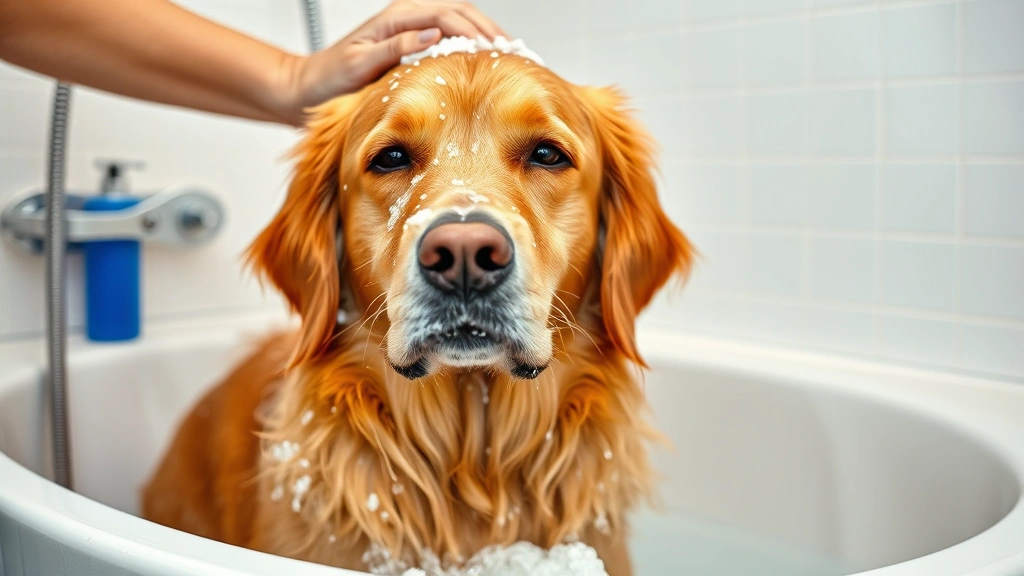
The foundation of odor elimination starts with a solid grooming routine. Regular bathing is non-negotiable if you want to maintain a fresh-smelling home and keep your dog’s skin healthy. However, the frequency and method matter significantly.
Bathing Frequency and Technique
Most dogs benefit from bathing every 4-6 weeks, though this varies based on breed, activity level, and skin condition. Dogs with oily coats may need more frequent baths, while those with dry skin might need less. When you do bathe your dog, use lukewarm water and a quality dog shampoo specifically formulated for canines. Human shampoo is too harsh and can disrupt their skin’s pH balance, actually making odor problems worse.
Pro tip: Always bathe your dog after outdoor activities, especially if they’ve gotten muddy or wet. This prevents moisture from settling into their coat and creating that notorious wet dog smell. Speaking of which—that smell isn’t actually from the dog being wet. It’s from bacteria and yeast on their skin reacting with moisture. Proper drying is just as important as the bath itself.
Brushing and Coat Maintenance
Daily brushing does wonders for odor control. It removes dead hair, distributes natural oils evenly, and helps you catch potential skin issues early. Dogs with double coats need special attention during shedding seasons. Regular brushing also improves air circulation through their coat, reducing moisture buildup.
Ear and Paw Care
Don’t overlook your dog’s ears and paws—these areas are odor hotspots. Check ears weekly for signs of infection or excessive wax buildup. A simple wipe with a damp cloth can prevent odor-causing bacteria from accumulating. For paws, regular cleaning removes dirt, bacteria, and yeast. After walks, wipe their paws with a damp cloth or use pet-safe wipes to eliminate the source of many household odors.
Tackling Furniture and Fabric Odors
Even with excellent grooming habits, your furniture and fabrics will eventually absorb dog odor. This is where many pet owners struggle because the smell seems to linger no matter what they try. The solution requires a multi-pronged approach.
Identifying Problem Areas
Your dog’s favorite spots on the couch, their bed, and any area where they spend significant time will accumulate odor over time. If you’re wondering how to get dog smell out of your couch, you’re definitely not alone—this is one of the most common complaints from dog owners. The challenge is that fabric acts like a sponge for odors, trapping bacteria and oils deep within the fibers.
Enzymatic Cleaners and Odor Eliminators
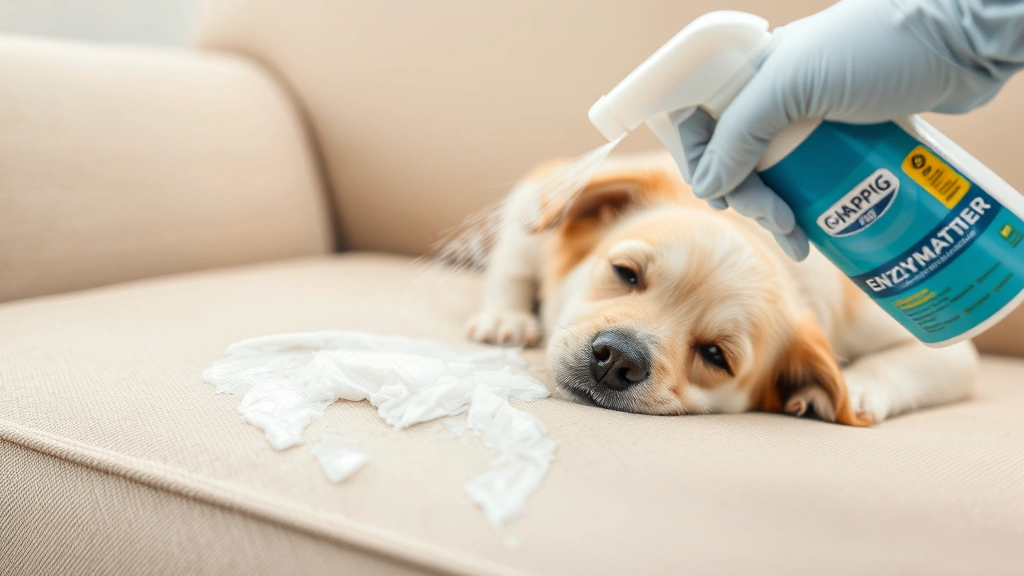
Enzymatic cleaners are your secret weapon. These products contain natural enzymes that break down the organic compounds causing the smell, rather than just masking it with fragrance. Spray the affected area generously, let it sit for the recommended time (usually 10-15 minutes), and then blot thoroughly with clean towels. The magic happens at the molecular level—these cleaners actually eliminate the source of the odor.
Baking soda is another powerhouse solution. Sprinkle it liberally over furniture, let it sit for 15-30 minutes, then vacuum thoroughly. For stubborn odors, combine baking soda with a few drops of essential oil (use pet-safe oils only) to create a natural odor-absorbing powder. Some people swear by activated charcoal placed near furniture as a passive odor absorber.
Protective Measures for Furniture
Prevention is easier than cure. Use washable furniture covers or blankets on your dog’s favorite spots. These can be removed and washed weekly, preventing odors from building up in the underlying furniture. Machine-washable pet blankets are affordable, durable, and make a huge difference in maintaining freshness.
Consider investing in furniture specifically designed for pet owners. Some manufacturers now create upholstery with built-in odor-resistant properties and easy-to-clean fabrics. While this might seem like an unnecessary expense, it can save you thousands in furniture replacement over time.
Cleaning Hard Surfaces and Floors
Hard flooring is both a blessing and a curse for dog owners. The good news is that it’s easier to clean than carpet, but odors can still accumulate if not properly maintained.
Floor Cleaning Strategies
Regular vacuuming removes hair and dander before they settle into your home’s environment. If you have carpet to clean from accidents, act immediately—the faster you address it, the less likely it is to become a permanent odor source. For hard floors, use a pet-safe enzymatic cleaner mixed with water. The ASPCA provides excellent guidance on maintaining a clean home for pets.
Don’t underestimate the power of proper ventilation. Open windows regularly to allow fresh air to circulate throughout your home. This simple step significantly reduces overall odor accumulation and keeps your space feeling fresher naturally.
Baseboards and Corners
These often-overlooked areas trap hair, dust, and odor-causing bacteria. Wipe down baseboards monthly with a damp cloth containing a bit of white vinegar—it’s a natural deodorizer that won’t harm your dog. Pay special attention to corners where your dog frequently rests.
Managing Bedding and Sleeping Areas
Your dog’s bed is ground zero for odor accumulation. Since they spend hours there daily, it becomes a concentrated source of smell if not properly maintained.
Washing Frequency and Method
Wash your dog’s bedding weekly using hot water and a pet-safe detergent. Hot water kills bacteria and yeast more effectively than cold water. If the bed is machine-washable, great—if not, you can hand wash it or use a bathtub. For particularly smelly beds, soak them in a mixture of water and white vinegar for 30 minutes before washing.
Odor-Absorbing Bed Solutions
Some pet beds now come with built-in charcoal layers or antimicrobial properties. These are worth the investment if your dog’s bed is a major odor culprit. Alternatively, place activated charcoal under the bed or use baking soda as a base layer before putting on clean bedding.
Consider having multiple beds so you can rotate them while others are being washed. This ensures your dog always has a clean place to sleep while maintaining a consistent washing schedule.
Professional Solutions and Products
Sometimes DIY methods need reinforcement from professional-grade products. The pet care industry has made significant advances in odor elimination technology.
Enzymatic Cleaners and Sprays
Products specifically designed to eliminate dog odor are more effective than general household cleaners. Look for options that contain live enzymes and bacteria cultures designed to break down uric acid and other odor-causing compounds. These work particularly well for persistent smells that have built up over time.
Air Purifiers and Odor Neutralizers
HEPA air purifiers with activated charcoal filters can significantly reduce airborne odor particles. While they won’t eliminate the source, they’re excellent supplementary tools. Some models are specifically designed for pet odors and can make a noticeable difference in overall home freshness.
Odor-neutralizing sprays that use natural ingredients like enzymatic proteins are better choices than chemical-heavy air fresheners. These actually neutralize odors rather than masking them with fragrance.
Professional Cleaning Services
For severe odor issues, professional carpet and upholstery cleaners with pet-specific expertise can provide deep cleaning that home methods can’t achieve. They have industrial-strength equipment and professional-grade cleaning solutions that can restore furniture to near-new condition. If you’re struggling with dog pee smell in your couch, professional cleaning might be your best investment.
Health-Related Odor Issues
Sometimes dog odor indicates an underlying health problem that requires veterinary attention rather than just better cleaning habits.
When Odor Signals Health Problems
Excessive odor, particularly if it’s sudden or unusual, can indicate skin infections, ear infections, dental disease, or anal gland problems. According to ASPCA guidelines on dog care, certain odors warrant professional evaluation. If your dog smells like Fritos corn chips or has other unusual smells, it’s worth discussing with your veterinarian.
Skin and Coat Health
Dogs with allergies, yeast overgrowth, or bacterial skin infections often have pronounced odors. A veterinary dermatologist can help identify and treat these conditions. Proper treatment not only eliminates the odor but improves your dog’s overall quality of life and comfort.
Dietary Considerations
Your dog’s diet significantly impacts their odor. High-quality, easily digestible foods produce less intestinal gas and result in healthier skin and coat. Omega-3 fatty acids, in particular, support skin health and reduce odor. Discuss dietary options with your veterinarian if your dog has persistent odor issues despite good hygiene.
According to VCA Animal Hospitals, nutrition plays a crucial role in maintaining healthy skin and minimizing odor production in dogs.
Frequently Asked Questions
How often should I bathe my dog to eliminate odor?
Most dogs benefit from bathing every 4-6 weeks, though frequency depends on breed, coat type, and activity level. Dogs with oily coats or those who spend significant time outdoors may need more frequent bathing. However, over-bathing can strip natural oils and worsen odor issues, so find the right balance for your individual dog. Always use dog-specific shampoo, as human products can disrupt their skin’s pH balance.
Why does my dog still smell bad even after bathing?
Several factors could contribute to persistent odor: inadequate drying after bathing, underlying skin or ear infections, dental disease, anal gland issues, or health problems affecting digestion. If odor persists despite regular grooming, schedule a veterinary checkup. Additionally, ensure you’re using enzymatic cleaners on furniture to eliminate trapped odors that might make it seem like your dog smells worse than they do.
What’s the best product for eliminating dog odor from furniture?
Enzymatic cleaners are the most effective because they break down the organic compounds causing the smell rather than just masking it. Look for products containing live enzymes and bacteria cultures specifically designed for pet odors. Baking soda is also excellent as a budget-friendly option for odor absorption. For severe cases, professional upholstery cleaning might be necessary.
Can I use essential oils to freshen my dog’s smell?
While tempting, many essential oils are toxic to dogs. If you want to use natural scents, stick to dog-safe options like chamomile or cedarwood, and always dilute them properly. Better yet, focus on eliminating odors rather than masking them with scents. Fresh air circulation and proper cleaning are safer, more effective approaches.
Is the “wet dog” smell dangerous?
The wet dog smell itself isn’t dangerous—it’s caused by bacteria and yeast on your dog’s skin reacting with moisture. However, if your dog frequently gets wet and isn’t properly dried, it creates an environment where skin infections can develop. Always dry your dog thoroughly after bathing or outdoor water exposure.
How can I eliminate dog odor from my car?
Use the same enzymatic cleaners you’d use on home furniture. Sprinkle baking soda on car seats and floor mats, let it sit, then vacuum thoroughly. Wash removable seat covers and floor mats regularly. Consider using a pet-specific car seat cover designed to protect upholstery and contain odors. Ensure good ventilation by cracking windows when parked safely.
Should I be concerned if my dog smells unusually bad?
Yes. Sudden changes in odor or unusually strong smells can indicate health issues like infections, dietary problems, or metabolic disorders. Contact your veterinarian if your dog’s odor changes significantly or if they smell noticeably worse than usual. Early detection of health problems often leads to easier, more effective treatment.





