
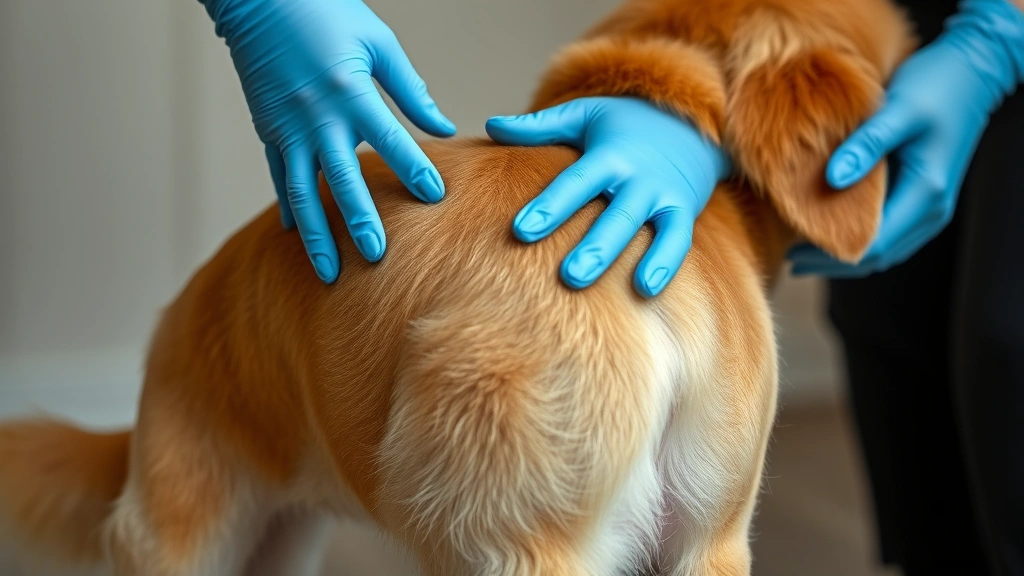
Learning how to express dog anal glands is one of those pet care skills that nobody wants to talk about at dinner parties, but every dog owner eventually needs to master. If your pup has been scooting across your carpet like a furry ice skater or licking their rear end obsessively, their anal glands are probably screaming for attention. Don’t worry—we’re here to break down this awkward but essential task so you can help your four-legged friend feel comfortable again.
Table of Contents
- Understanding Canine Anal Glands and Why They Matter
- Signs Your Dog’s Anal Glands Need Expressing
- Preparation: Getting Ready to Express Your Dog’s Anal Glands
- The Step-by-Step Process: How to Express Dog Anal Glands Safely
- Common Mistakes to Avoid When Expressing Anal Glands
- When to Call Your Vet Instead
- Prevention: Reducing the Need to Express Anal Glands
- Breeds Most Prone to Anal Gland Issues
- Professional Anal Gland Expressing: What to Expect
- When Surgery Becomes Necessary
- Summary: Mastering the Anal Gland Express
- Frequently Asked Questions
Understanding Canine Anal Glands and Why They Matter
Your dog’s anal glands are two small sacs located on either side of their rectum, positioned at roughly the 4 and 8 o’clock positions. These glands produce a smelly, oily secretion that dogs use to mark territory and communicate with other pups. In a perfect world, these glands empty naturally whenever your dog poops. But in reality, many dogs—especially smaller breeds—experience impaction, where the glands don’t drain properly.
When anal glands get blocked, they can become inflamed, infected, or even rupture. That’s why knowing how to express dog anal glands manually can save you a trip to the vet and keep your dog comfortable. Plus, you’ll finally understand why Fido keeps doing that awkward butt-scooting dance on your living room rug.
Signs Your Dog’s Anal Glands Need Expressing
Before you attempt any expressing, make sure your dog actually needs it. Look for these telltale signs:
- Scooting: The classic carpet-dragging behavior that screams “help me!”
- Excessive licking: Your dog becomes obsessed with their rear end
- Foul odor: A particularly pungent smell emanating from your pup’s backside
- Discomfort: Whining, restlessness, or reluctance to sit
- Visible swelling: The area around the anus appears puffy or red
If you notice these symptoms, it’s time to take action. However, if your dog shows signs of infection—like bleeding, pus, or extreme pain—skip the DIY approach and head straight to your vet.

Preparation: Getting Ready to Express Your Dog’s Anal Glands
Success starts with proper preparation. Here’s what you need before attempting to express your dog’s anal glands:
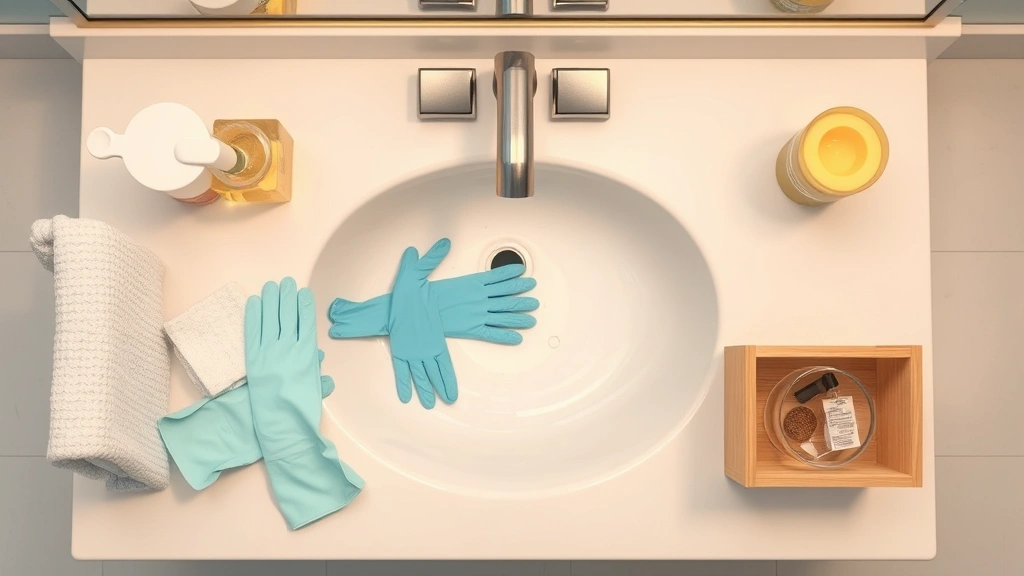
Gather Your Supplies: You’ll need paper towels (lots of them), disposable gloves, and possibly a warm washcloth. Some people prefer doing this in the bathroom or outside—trust us, you’ll understand why once you smell the secretion. Have a helper ready if possible; it’s much easier with two people.
Choose the Right Location: Pick a spot that’s easy to clean. The bathroom floor with a towel underneath works great. If your dog is small enough, you can do this in the bathtub to contain the mess.
Calm Your Dog: Use treats and positive reinforcement. Your dog won’t be thrilled about this process, so make it as pleasant as possible. A calm, relaxed pup is much easier to work with than a anxious, squirming one.
The Step-by-Step Process: How to Express Dog Anal Glands Safely
Now for the main event. Follow these steps carefully:
Step 1: Position Your Dog Have your dog stand or squat. Some people prefer the standing position, while others find a squatting position easier to access the glands. If your dog is small, you might lift their rear end slightly.
Step 2: Locate the Glands Gently lift your dog’s tail and look at the area around the anus. The glands are positioned at 4 and 8 o’clock. You might feel small bumps or swollen areas if the glands are full.
Step 3: Apply Gentle Pressure Wearing gloves, place your thumb and forefinger on either side of the anus, just below the gland positions. Gently squeeze inward and upward. You’re not trying to crush anything—just apply steady, gentle pressure. The secretion should come out as a brownish or yellowish liquid. It will smell absolutely terrible, so brace yourself.

Step 4: Repeat on the Other Side Move to the opposite gland and repeat the process. Some glands empty more easily than others, so don’t be discouraged if one side takes longer.
Step 5: Clean Up Immediately Use paper towels to wipe away any secretion. Clean the area with a warm washcloth and consider giving your dog a quick rinse if they’ll tolerate it.
Common Mistakes to Avoid When Expressing Anal Glands
Even experienced pet owners mess this up sometimes. Here are the pitfalls to sidestep:
Pressing Too Hard: This is the number one mistake. You can rupture the glands if you squeeze too aggressively. Remember: gentle, steady pressure is your mantra.

Wrong Angle: Make sure you’re squeezing from below and slightly inward, not straight in. The angle matters more than you’d think.
Skipping the Gloves: Yes, it’s gross. Yes, wear the gloves anyway. This isn’t the time to tough it out.
Attempting This on an Aggressive Dog: If your dog is snapping, growling, or extremely resistant, stop immediately. Some dogs need professional help, and that’s okay.
When to Call Your Vet Instead
Not every situation calls for DIY anal gland expressing. Visit your veterinarian if:
- Your dog has never had their glands expressed before and you’re unsure about the process
- The glands appear infected, swollen, or red
- There’s bleeding or pus
- Your dog is in severe pain
- You’ve attempted expressing and nothing came out
- Your dog requires expressing more than once monthly
Chronic anal gland issues might indicate underlying problems like food allergies or digestive issues. Your vet can help identify the root cause and develop a long-term solution.
Prevention: Reducing the Need to Express Anal Glands
The best approach is preventing impaction in the first place. Here’s how:
Boost Fiber Intake: A high-fiber diet promotes healthy bowel movements, which naturally empties the glands. Consider adding pumpkin puree or fiber supplements to your dog’s meals. Check out our pet nutrition advice for more dietary guidance.
Maintain Healthy Weight: Overweight dogs are more prone to anal gland issues. Regular exercise and proper portion control help maintain a healthy weight and better digestive function.
Stay Hydrated: Adequate water intake supports overall digestive health. Make sure your dog always has access to fresh water.
Regular Vet Checkups: Your vet can monitor your dog’s anal gland health during routine visits and catch problems early. They might recommend preventative expressing if your dog is prone to impaction.
Consider Joint Health: Some dogs with mobility issues struggle to empty their glands naturally. Maintaining joint health through proper nutrition and exercise helps. Learn more about foods for joint health in pets to support your dog’s mobility.
Breeds Most Prone to Anal Gland Issues
While any dog can experience anal gland problems, some breeds are more susceptible:
- Small breeds: Chihuahuas, toy poodles, and Shih Tzus top the list
- Overweight dogs: Extra weight puts pressure on the glands
- Dogs with allergies: Food and environmental allergies can cause inflammation
- Senior dogs: Aging affects muscle tone and gland function
If you own one of these breeds or have a dog with allergies, you might need to express their glands more frequently. This is especially true if your dog has food reactions that affect their digestive system.
Professional Anal Gland Expressing: What to Expect
If you’d rather leave this task to the professionals, grooming salons and veterinary clinics offer anal gland expressing services. A typical visit costs between $50-$150, depending on your location and whether complications exist.
Groomers usually perform this during regular grooming appointments, while vets do it during wellness exams. Some vets use an internal expressing method (inserting a lubricated finger into the rectum), which is more effective but requires professional training.
If your dog requires expressing more than quarterly, your vet might recommend a medication like CarproVet for dogs to manage inflammation or pain associated with chronic gland issues.

When Surgery Becomes Necessary
In rare cases where anal glands become chronically infected or repeatedly rupture, your vet might recommend surgical removal (anal sacculectomy). This is a last resort but can be life-changing for dogs with severe, recurring problems.
Surgery is typically reserved for dogs with:
- Repeated ruptures or infections
- Cancer of the anal glands
- Severe, unmanageable pain
- Glands that don’t respond to any treatment
Recovery takes several weeks, but most dogs experience significant relief from their symptoms afterward.
Summary: Mastering the Anal Gland Express
Learning how to express dog anal glands is an uncomfortable skill, but it’s one of the most valuable things you can do for your dog’s comfort and health. Remember these key points:

- Recognize the signs of impaction early
- Use gentle, steady pressure from the correct angle
- Always wear gloves and have plenty of paper towels ready
- Know when to call your vet instead of attempting it yourself
- Focus on prevention through diet, exercise, and hydration
- Don’t hesitate to use professional groomers or vets if you’re uncomfortable
With practice and patience, you’ll become confident in this essential pet care task. Your dog will thank you for keeping them comfortable, even if they don’t show it during the actual expressing process!
Frequently Asked Questions
How often should I express my dog’s anal glands?
For most healthy dogs, anal glands empty naturally and require no intervention. However, dogs prone to impaction might need expressing every 4-12 weeks. Some dogs need it monthly. Your vet can recommend a schedule based on your dog’s individual needs.
Can I express my dog’s anal glands too often?
Yes. Over-expressing can irritate the glands and potentially cause more problems. Only express when necessary—when you see signs of impaction. Regular manual expressing doesn’t prevent future impaction and might actually increase the risk.
What if nothing comes out when I try to express the glands?
This could mean the glands are already empty, or they might be too impacted to release manually. Stop trying and contact your vet. They have better tools and techniques to handle stubborn glands.
Is anal gland expressing painful for my dog?
It shouldn’t be painful if done correctly with gentle pressure. Your dog might feel uncomfortable or anxious, but not pain. If your dog yelps or shows signs of severe distress, stop immediately and call your vet.
Can diet really help prevent anal gland problems?
Absolutely. A high-fiber diet promotes healthy bowel movements, which naturally empty the glands. Adding pumpkin puree, increasing vegetables, or using a high-fiber dog food can make a significant difference for dogs prone to impaction.
What’s the difference between internal and external expressing?
External expressing (what we’ve covered) applies pressure from outside the body. Internal expressing involves inserting a gloved finger into the rectum to express from inside. Internal is more effective but requires professional training and should only be done by vets or experienced groomers.





