
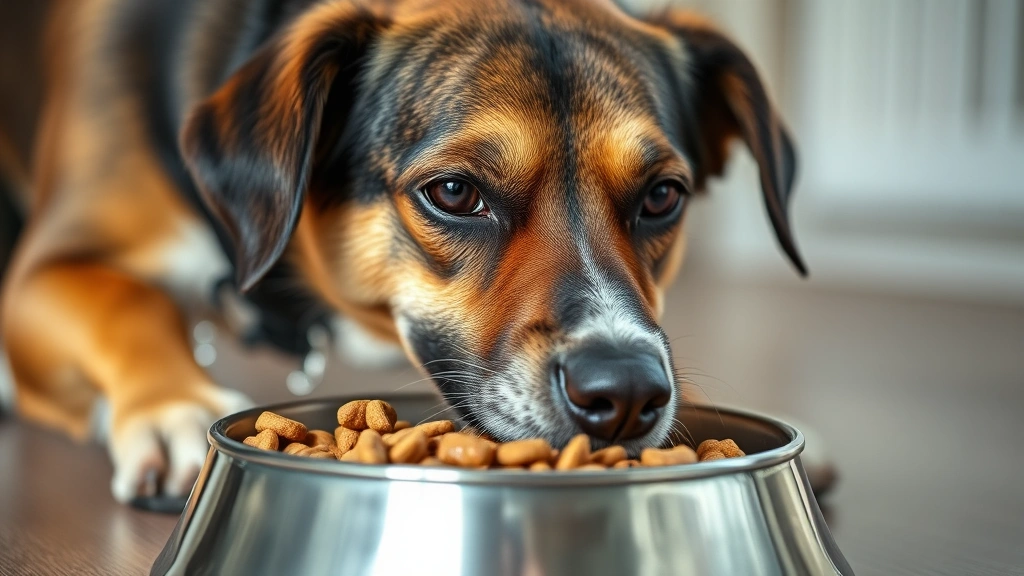
If you’re wondering how to firm up dog poop, you’re not alone—loose stools are one of the most common complaints veterinarians hear from dog owners. Whether your pup’s digestion is throwing a tantrum or they’ve got chronic soft stool issues, dealing with mushy messes in the yard is nobody’s idea of fun. The good news? There are plenty of practical, science-backed solutions that can help get your dog’s digestive system back on track.
Table of Contents
- Understanding Why Your Dog’s Poop Gets Soft
- Solution #1: Switch to High-Quality Dog Food
- Solution #2: Add Fiber to Your Dog’s Diet
- Solution #3: Probiotics and Gut Health Supplements
- Solution #4: Ensure Proper Hydration and Exercise
- Solution #5: Rule Out Medical Issues and Parasites
- The Role of Anti-Inflammatory Foods in Digestive Health
- Timing and Feeding Schedules Matter
- When to Seek Veterinary Help Immediately
- Quick Reference: Your Action Plan
- Frequently Asked Questions
- Conclusion: Getting Back to Firm Stools
Understanding Why Your Dog’s Poop Gets Soft
Before we dive into solutions, let’s talk about why your dog’s stool consistency matters. A healthy dog poop should be firm enough to hold its shape but not rock-hard. Soft or loose stools can indicate anything from dietary sensitivities to more serious health issues. Common culprits include sudden food changes, food allergies, stress, parasites, or bacterial imbalances in the gut. Sometimes it’s as simple as your dog eating something they shouldn’t have (we’ve all been there). Understanding the root cause is the first step toward fixing the problem.
Solution #1: Switch to High-Quality Dog Food
One of the most effective ways to achieve firmer dog poop is evaluating your dog’s diet. Low-quality kibble filled with fillers, excessive grains, and artificial additives can wreak havoc on digestion. Look for dog foods with named meat proteins as the first ingredient and minimal grain content. Many dogs thrive on limited-ingredient diets or grain-free formulas, though always consult your vet before making major dietary switches. When you do change foods, do it gradually over 7-10 days to avoid shocking your pup’s system. Quality nutrition directly impacts stool quality—invest in better food, and you’ll likely see better results in the litter box… er, yard.
Solution #2: Add Fiber to Your Dog’s Diet
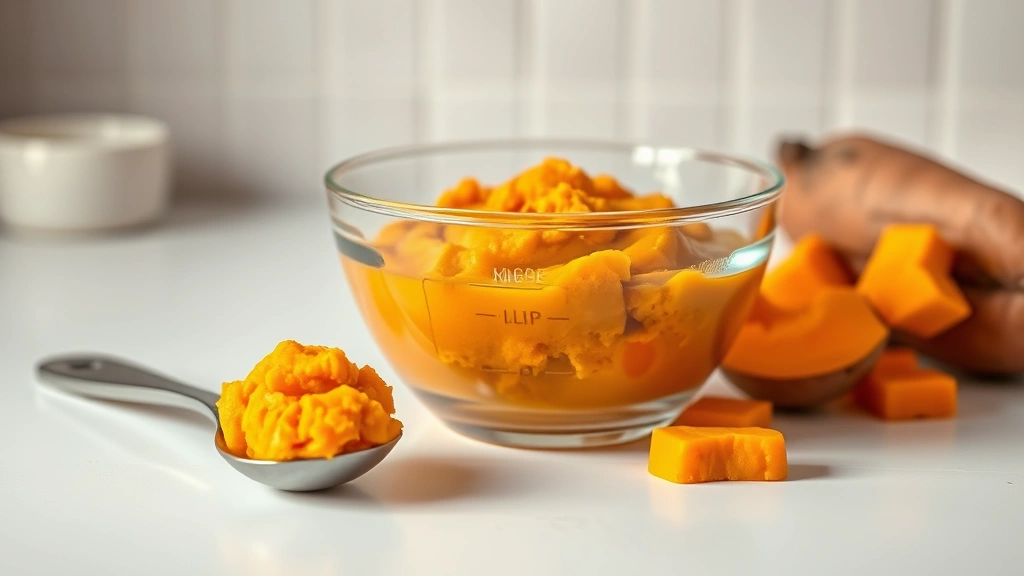
Fiber is the unsung hero of digestive health. Adding soluble fiber to your dog’s meals can work wonders for stool firmness. Pumpkin puree (plain, not pie filling) is a game-changer—just a tablespoon or two mixed into their food can improve consistency within days. Sweet potato, cooked carrots, and green beans are also excellent fiber sources that most dogs love. You can also use vegetable-based pet treats as a convenient way to boost fiber intake. The key is introducing fiber gradually to avoid creating the opposite problem. Start small and monitor your dog’s response over a week or two.
Solution #3: Probiotics and Gut Health Supplements
Your dog’s gut microbiome is incredibly important for digestion and stool consistency. Probiotics designed specifically for dogs can help restore the balance of beneficial bacteria in their intestines. Look for multi-strain probiotic supplements with proven efficacy. Digestive enzymes are another option worth exploring—they help break down food more efficiently, reducing the likelihood of soft stools. Many vets recommend combining probiotics with bone broth recipes for pets to support overall gut healing and inflammation reduction. These supplements work best when used consistently for at least 2-4 weeks.
Solution #4: Ensure Proper Hydration and Exercise
Dehydration can lead to soft stools, so make sure your dog always has access to fresh water. Conversely, overhydration from excessive water intake right before meals can dilute digestive juices. Exercise is equally important—a good daily walk or playtime session helps regulate digestion and promotes healthy bowel movements. Dogs that are sedentary often struggle with digestive consistency issues. Aim for at least 30 minutes of moderate activity daily, depending on your dog’s age and breed. The combination of proper hydration and regular exercise creates an ideal environment for firm, healthy stools.
Solution #5: Rule Out Medical Issues and Parasites
If soft stools persist despite dietary improvements, it’s time to visit your vet. Parasites like giardia, hookworms, and roundworms are surprisingly common and can cause chronic loose stools. Your vet can perform fecal tests to rule out parasitic infections. Food allergies or sensitivities might also be the culprit—an elimination diet under veterinary supervision can help identify problem ingredients. Conditions like inflammatory bowel disease, pancreatitis, or bacterial overgrowth require professional diagnosis and treatment. Don’t skip this step if home remedies aren’t working after 2-3 weeks. For more detailed information about digestive issues, check out our guide on constipation in dogs, which covers the full spectrum of stool-related problems.
The Role of Anti-Inflammatory Foods in Digestive Health
Inflammation in the gut can contribute to loose stools and digestive discomfort. Incorporating anti-inflammatory foods for pets into your dog’s diet can help reduce intestinal inflammation and improve stool consistency. Foods rich in omega-3 fatty acids, like salmon and fish oil, are particularly beneficial. Turmeric and ginger (in safe amounts) have anti-inflammatory properties that some holistic vets recommend. Always discuss adding supplements or new foods with your veterinarian first, especially if your dog is on medications. These foods work synergistically with other solutions to create an optimal digestive environment.
Timing and Feeding Schedules Matter
How often and when you feed your dog can significantly impact stool consistency. Dogs fed multiple small meals throughout the day often have softer stools than those on a consistent twice-daily schedule. Stick to a regular feeding routine—same times every day help regulate your dog’s digestive system like clockwork. Avoid feeding your dog right before or after vigorous exercise, as this can disrupt digestion. Most vets recommend waiting at least an hour after meals before intense activity. Consistency in routine is just as important as consistency in food quality when it comes to achieving firm dog poop.
When to Seek Veterinary Help Immediately
While soft stools are usually manageable at home, certain situations warrant immediate veterinary attention. If your dog has diarrhea accompanied by vomiting, lethargy, blood in stool, or loss of appetite, don’t wait—get them to a vet. Puppies and senior dogs are more vulnerable to serious complications from loose stools. Repeated episodes of soft stool lasting more than a week despite dietary changes also deserve professional evaluation. Your vet can rule out serious conditions and provide targeted treatment. For comprehensive nutrition guidance, explore our pet nutrition advice section or consult with a veterinary nutritionist for personalized recommendations.
Quick Reference: Your Action Plan
Start by evaluating your current dog food quality and consider switching to a premium brand with high-quality protein sources. Add fiber through pumpkin puree or cooked vegetables—this is often the quickest fix. Introduce a probiotic supplement designed for dogs and give it at least 3-4 weeks to work. Ensure your dog gets adequate daily exercise and fresh water. If improvements aren’t visible after 2-3 weeks, schedule a vet appointment for parasitic testing and allergy evaluation. Remember that every dog is different, so what works for your neighbor’s golden retriever might not work for yours—patience and observation are key.
Frequently Asked Questions
How long does it take to see results when trying to firm up dog poop?
Most dogs show improvement in stool consistency within 3-7 days of dietary changes or fiber supplementation. Probiotics typically take 2-4 weeks to show their full benefits. If you don’t see any improvement after three weeks, consult your veterinarian for further evaluation.
Is pumpkin puree really effective for dog stool consistency?
Yes, pumpkin puree is highly effective for many dogs. Its soluble fiber content helps absorb excess water in the intestines, firming up loose stools. Use plain pumpkin puree (not pie filling) and start with a tablespoon mixed into their regular food. Most dogs respond within 24-48 hours.
Can I give my dog over-the-counter probiotics meant for humans?
It’s best to use probiotics specifically formulated for dogs. Human probiotics may contain ingredients that aren’t safe for canines, and the bacterial strains are optimized differently. Canine-specific probiotics are affordable and readily available at pet stores or through your veterinarian.
What foods should I avoid if my dog has soft stools?
Avoid high-fat foods, dairy products, excessive treats, and sudden dietary changes. Skip foods with artificial additives, excessive grains, and low-quality fillers. Fatty table scraps are particularly problematic. Stick to digestible, high-quality proteins and limit treats to no more than 10% of daily calories.
Is soft dog poop always a sign of a serious health problem?
Not necessarily. Soft stools can result from minor issues like dietary indiscretion, stress, or food sensitivities. However, persistent soft stools lasting more than a week, especially when accompanied by other symptoms, warrant veterinary evaluation to rule out parasites, allergies, or underlying conditions.
How much exercise does my dog need for healthy digestion?
Most adult dogs benefit from at least 30 minutes of moderate daily exercise. Puppies and high-energy breeds may need 60+ minutes. Senior dogs need gentler, shorter sessions. Regular exercise promotes healthy bowel movements and overall digestive function. Consistency matters more than intensity.
Conclusion: Getting Back to Firm Stools
Learning how to firm up dog poop doesn’t require expensive treatments or complicated procedures. Start with the fundamentals: quality food, adequate fiber, regular exercise, and consistent feeding schedules. Most cases improve dramatically with these simple changes. Probiotics and supplements can provide additional support, while veterinary evaluation ensures you’re not missing underlying health issues. Remember that your dog’s digestive system may need time to adjust, so give any new approach at least 2-3 weeks before deciding it’s not working. With patience and the right approach, you’ll have your pup producing those perfect, firm stools in no time—and your yard cleanup routine will thank you.





