
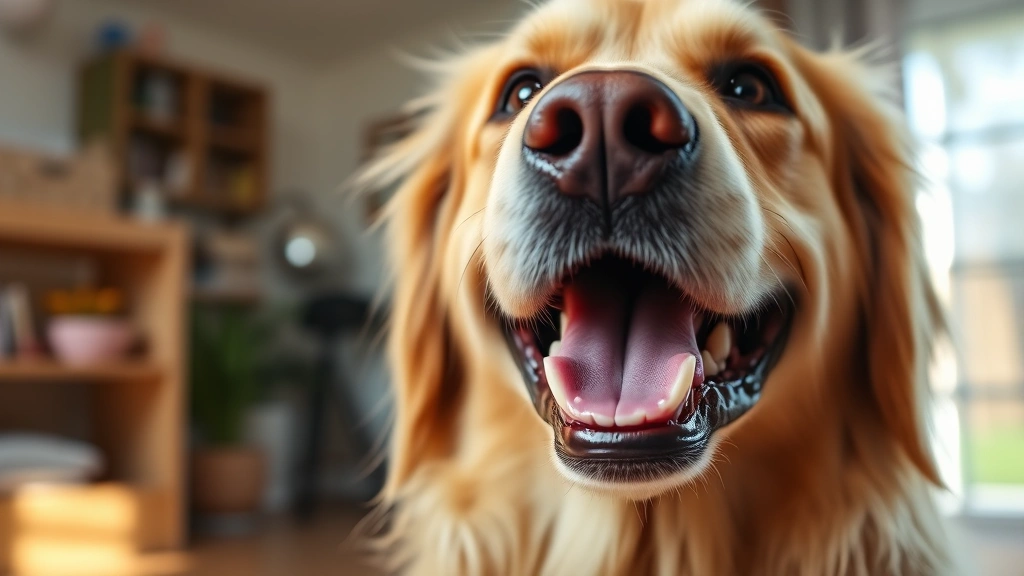
Let’s be honest—how to fix bad dog breath is probably something you’ve Googled while your pup’s face was inches from yours during cuddle time. Bad dog breath isn’t just unpleasant; it’s often a sign that something’s going on with your furry friend’s health. The good news? Most cases are totally fixable, and you don’t need to banish your dog to the other side of the room anymore.
Table of Contents
- Why Does Your Dog’s Breath Smell Like a Dumpster Fire?
- Solution #1: Professional Dental Cleaning Is Your Secret Weapon
- Solution #2: Switch to a Better Diet (Yes, Food Matters)
- Solution #3: Dental Chews and Toys That Actually Work
- Solution #4: Increase Water Intake and Hydration
- Solution #5: Add Probiotics and Oral Health Supplements
- When Bad Breath Signals a Bigger Problem
- The Daily Maintenance Routine for Fresh Breath
- Budget-Friendly Tips for the Cost-Conscious Dog Parent
- Real Talk: Why Brushing Your Dog’s Teeth Is Worth the Effort
- Frequently Asked Questions
- Conclusion: Fresh Breath Is Within Reach
Why Does Your Dog’s Breath Smell Like a Dumpster Fire?
Before we dive into solutions, let’s talk about what causes that notorious dog breath smell. The most common culprit is plaque and tartar buildup on your dog’s teeth. When bacteria colonize the mouth, they release compounds that smell like… well, like something died in there. Other causes include gum disease, poor diet, lack of hydration, and sometimes underlying health issues that need veterinary attention.
Dogs can’t brush their own teeth (unfortunately), so plaque accumulates way faster than in humans. This is especially true for small breeds and senior dogs. If your dog’s breath smells like something from the depths of the underworld, it’s time to take action.
Solution #1: Professional Dental Cleaning Is Your Secret Weapon
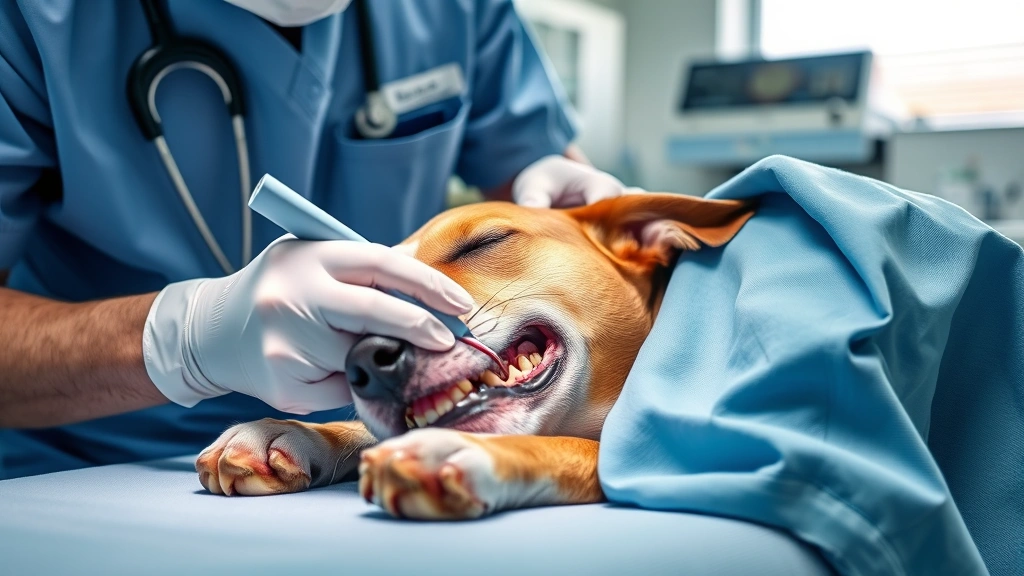
The nuclear option for fighting bad breath? A professional dental cleaning from your vet. Yes, it requires anesthesia, and yes, it costs money. But it’s the most effective way to remove built-up tartar and address underlying dental disease. Your vet will scale away plaque, check for tooth decay, and sometimes extract teeth that are beyond saving.
After a professional cleaning, your dog’s breath will be noticeably fresher. Most vets recommend annual cleanings for dogs with a history of dental issues. It’s not just about the smell—untreated dental disease can lead to serious infections and even heart problems. So think of it as an investment in your dog’s overall health, not just their social life.
Solution #2: Switch to a Better Diet (Yes, Food Matters)
What goes in comes out, and that includes breath. Many commercial dog foods are loaded with fillers and low-quality ingredients that contribute to bad breath. Switching to a higher-quality diet can make a surprising difference.
Look for foods with real meat as the first ingredient and minimal grain fillers. Some dogs do better on fresh, whole-food diets. You can check our guide on harmful foods for dogs to understand what to avoid, and our resource on anti-inflammatory foods for pets can help reduce mouth inflammation that contributes to odor.
Raw or lightly cooked diets can also be beneficial, though always consult your vet before making major dietary changes. Some pet parents have reported dramatic improvements in their dog’s breath after switching to whole-food diets. If you’re unsure about the best food for your specific dog, consider a virtual vet consultation for diet questions.
Solution #3: Dental Chews and Toys That Actually Work
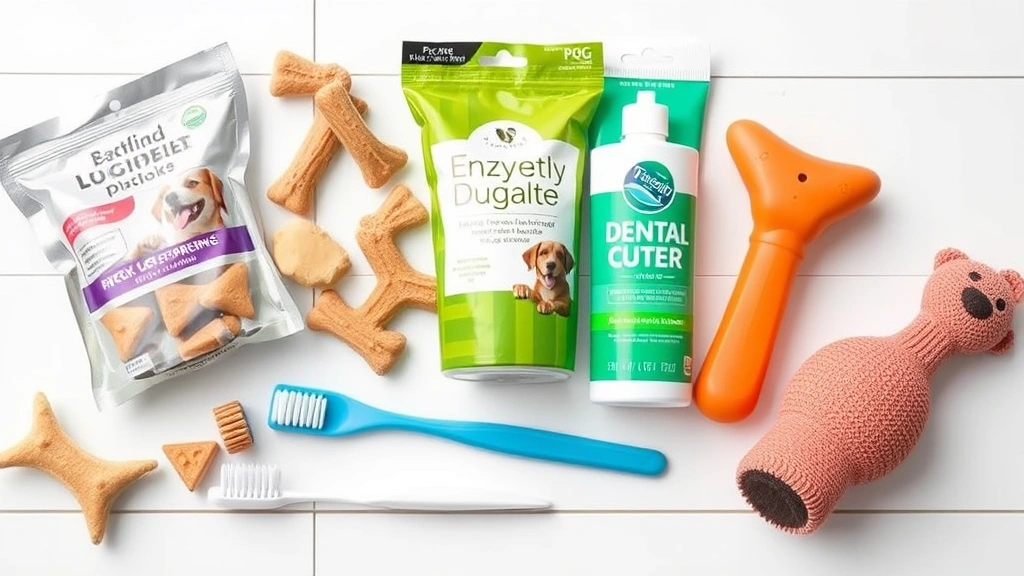
Not all dental chews are created equal, but the good ones can genuinely help. Look for products that have the Veterinary Oral Health Council (VOHC) seal of approval. These chews are scientifically proven to reduce plaque and tartar.
Popular options include:
- Greenies: The OG dental chew that actually works
- Virbac C.E.T. chews: Contain an enzymatic formula that fights bacteria
- Bully sticks: Natural and help with mechanical cleaning
- Raw bones (supervised): The natural way to scrape teeth clean
Pair these with interactive toys like rubber Kong toys that you can stuff with treats. The act of chewing mechanically cleans teeth and stimulates saliva production, which is your dog’s natural defense against bad breath.
Solution #4: Increase Water Intake and Hydration
Dry mouth is a breeding ground for odor-causing bacteria. Make sure your dog is drinking enough water throughout the day. Some dogs are picky about their water, so try these tricks:
- Use a dog water fountain (many dogs prefer flowing water)
- Add ice cubes to the bowl for interest
- Offer hydrating human foods for pets like watermelon or cucumber as treats
- Consider adding low-sodium broth to their water bowl
Proper hydration helps flush bacteria from the mouth and keeps saliva production optimal. It’s a simple fix that many dog owners overlook, but it genuinely helps with bad breath and overall health.
Solution #5: Add Probiotics and Oral Health Supplements
Probiotics designed for dogs can help balance the bacteria in their mouth and digestive system. Look for products specifically formulated for oral health, which often contain beneficial bacteria strains that compete with odor-causing pathogens.
Other supplements worth considering:
- Coconut oil: Has natural antibacterial properties (give small amounts)
- Enzymatic toothpaste: For daily brushing (yes, you can brush your dog’s teeth!)
- Breath-freshening sprays: Temporary fix, but can help between cleanings
- Chlorophyll supplements: Natural breath freshener
These supplements work best as part of a comprehensive approach, not as standalone solutions. Think of them as supporting players to the main strategies above.
When Bad Breath Signals a Bigger Problem
Sometimes bad breath isn’t just about dental hygiene. It can indicate underlying health issues like kidney disease, diabetes, or liver problems. If your dog’s breath suddenly becomes unbearably foul or they have other symptoms like excessive drooling, difficulty eating, or swollen gums, see your vet immediately.
Red flags that require veterinary attention:
- Sudden change in breath odor
- Bleeding gums
- Loose or missing teeth
- Difficulty eating or chewing
- Excessive drooling
- Swelling around the face or jaw
Your vet can rule out serious conditions and recommend appropriate treatment.
The Daily Maintenance Routine for Fresh Breath
Once you’ve tackled the main issue, keeping your dog’s breath fresh requires consistency. Here’s a simple routine:
- Daily: Offer dental chews or toys, ensure adequate water intake
- 2-3 times weekly: Brush teeth with enzymatic toothpaste (if your dog tolerates it)
- Monthly: Add probiotics or oral health supplements to their food
- Annually: Professional dental cleaning from your vet
This routine might sound like a lot, but once you establish it, it becomes second nature. Plus, your dog will actually enjoy most of these activities (especially the chewing part).
Budget-Friendly Tips for the Cost-Conscious Dog Parent
Professional cleanings can be expensive, ranging from $300 to $1,000 depending on your location and your dog’s needs. If budget is a concern, focus on prevention:
- Start dental care early (prevention is cheaper than treatment)
- Buy dental chews in bulk
- Make your own dog-safe treats with ingredients like pumpkin and coconut oil
- Brush teeth at home instead of relying solely on professional cleanings
Some vets offer payment plans or seasonal discounts on dental cleanings. It’s worth asking about during your next visit. Also, check out our guide on pet diet transition advice to make smart food choices that support dental health without breaking the bank.
Real Talk: Why Brushing Your Dog’s Teeth Is Worth the Effort
Yes, brushing your dog’s teeth sounds annoying. Yes, your dog might resist at first. But it’s genuinely one of the most effective ways to prevent bad breath and dental disease. Start slowly, use a toothpaste your dog actually likes (they come in flavors like peanut butter and chicken), and make it a positive experience.
Most dogs get used to it within a few weeks. And honestly? Your future self will thank you when your dog’s breath smells like dog food instead of a garbage disposal.
Frequently Asked Questions
Is bad dog breath always a sign of dental disease?
Not always, but it usually is. While some bad breath is normal, especially in senior dogs or certain breeds with skin folds, truly foul breath typically indicates plaque buildup, gum disease, or sometimes underlying health issues. If you’re unsure, have your vet check it out.
Can I use human toothpaste on my dog?
Absolutely not. Human toothpaste contains fluoride and xylitol, which are toxic to dogs. Always use toothpaste specifically formulated for dogs. They’re designed to be safe if swallowed and often taste better to dogs anyway.
How often should I get my dog’s teeth professionally cleaned?
For most dogs, annual cleanings are recommended. Dogs with a history of dental disease might need cleanings every 6 months. Your vet can assess your specific dog’s needs and create a dental care plan.
Do dental treats actually work?
Yes, but only if they have the VOHC seal of approval. Not all dental treats are equally effective. The ones that work mechanically clean teeth through chewing and often contain enzymes that fight bacteria.
What’s the best age to start dental care?
Start as early as possible. Puppies should get used to having their mouths handled and teeth brushed from a young age. This makes adult dental care much easier and helps prevent problems down the road.
Can diet alone fix bad breath?
Diet can significantly improve bad breath, especially if your dog is eating low-quality commercial food. However, if there’s already significant plaque buildup, diet alone won’t fix it. You’ll likely need professional cleaning combined with dietary improvements for best results.
Conclusion: Fresh Breath Is Within Reach
Figuring out how to fix bad dog breath doesn’t require a miracle or expensive treatments (though professional cleaning helps). It’s a combination of good daily habits, the right diet, regular dental care, and knowing when to call in the professionals.
Start with the solutions that feel most manageable for your lifestyle. Maybe that’s switching to better food and adding dental chews. Maybe it’s committing to weekly tooth brushing. Or maybe you’ll go all-in with professional cleaning and a complete dental care overhaul. Whatever approach you choose, your dog will thank you with fresher breath and better overall health.
Remember, your dog can’t schedule their own dentist appointments or brush their own teeth. That’s on us. But the effort is totally worth it when your pup can give you kisses without knocking you backward with their breath. Now get out there and give your furry friend the gift of fresh breath!





