
Flying with Large Dogs: Essential Tips and Tricks
So you’ve booked that dream vacation, and your beloved Great Dane, German Shepherd, or Golden Retriever is looking at you with those big puppy eyes. The question isn’t whether Fido wants to come along—it’s whether you’re ready to tackle air travel with a furry giant in tow. Flying with large dogs might seem daunting, but with the right preparation and knowledge, you and your four-legged companion can soar through the skies together without turning the cabin into a comedy sketch.
The reality is that large dogs require special consideration when it comes to air travel. Unlike their smaller cousins who might squeeze into a carrier under the seat, big breeds need extra planning, research, and often, a hefty dose of patience. But don’t worry—we’ve got you covered with everything you need to know about making the journey smooth, safe, and as stress-free as possible for both you and your pup.
Whether you’re relocating, visiting family, or just want your best friend by your side for an adventure, this comprehensive guide will walk you through every step of flying with your large dog, from pre-flight preparation to touchdown at your destination.
Airline Policies and Large Dog Requirements
Before you even think about booking a flight, you need to understand that every airline has different policies regarding large dogs. Most airlines allow dogs in the cabin only if they weigh under 15-20 pounds, which immediately disqualifies most large breeds. This means your big buddy will likely need to travel in the cargo hold, also known as the pressurized and temperature-controlled baggage compartment.
The major carriers—American Airlines, Delta, United, and Southwest—each have their own specific regulations. Delta, for example, charges around $500 for large dogs traveling in cargo, while United has similar pricing structures. Some airlines, like Southwest, don’t allow pets in cargo at all, requiring you to find alternative travel methods. It’s absolutely critical that you call your airline directly and speak with a representative who specializes in pet travel, as website information can sometimes be outdated.
Beyond just the airline itself, you’ll need to understand the difference between emotional support animals (ESAs) and service dogs. Service dogs that are certified and properly trained may have different travel privileges than regular pets. However, emotional support animals without specific training typically follow the same cargo rules as regular dogs. Don’t make assumptions—verify everything directly with the airline.
One often-overlooked detail: some airlines have breed restrictions, particularly for dogs they consider “brachycephalic” (flat-faced breeds like Bulldogs) due to respiratory concerns during flight. Even though most large dogs aren’t in this category, it’s worth confirming your specific breed is acceptable. Create a checklist of all airline requirements and check them off before you proceed with any bookings.
Health Certificates and Veterinary Clearance
Your large dog cannot fly without proper health documentation. Most airlines require a health certificate issued by a licensed veterinarian within 10 days of travel. This isn’t just a formality—it’s a legal requirement that proves your dog is healthy enough to handle the stress of air travel and won’t pose a health risk to other animals or people.
Schedule a pre-flight veterinary appointment at least two weeks before your travel date. Your vet will perform a thorough examination and can advise whether your dog is physically fit for flying. This is especially important if your dog has any pre-existing health conditions, anxiety issues, or is elderly. A vet can also discuss whether medication like Dramamine might help with motion sickness, though most vets recommend avoiding sedation unless absolutely necessary, as it can affect your dog’s ability to regulate body temperature during flight.
Beyond the basic health certificate, consider discussing your dog’s specific needs with your vet. Ask about any concerns related to the flight, potential anxiety, and whether your dog should travel with any medications. Some vets recommend calming supplements or anxiety aids for nervous dogs, though these should never be given without professional guidance.
You’ll also want to verify that your dog’s vaccinations are current, particularly rabies. Different countries and states have different requirements, so if you’re flying internationally or to a different state, research those specific regulations. Keep copies of all health records with you during travel—digital copies on your phone are helpful, but printed backups are essential.
Booking Your Flight: What You Need to Know
Once you’ve confirmed your airline allows large dogs in cargo and you’ve got your vet’s clearance, it’s time to book. Call the airline directly rather than booking online, since you need to register your dog with the airline and arrange for proper pet accommodations. When booking, mention that you’re traveling with a large dog in cargo so they can reserve the appropriate space.
Pricing for large dogs in cargo typically ranges from $300 to $600 depending on the airline and destination. Some airlines charge per pound, while others charge a flat fee. Always ask about their exact pricing structure and what’s included in that fee. Get everything in writing, and confirm your booking includes pet-specific accommodations.
Consider the time of year when booking. Airlines often restrict pet travel during extreme weather conditions—both summer heat and winter cold. Most carriers won’t transport pets in cargo if temperatures exceed 85°F or fall below 45°F, as these conditions can be dangerous for animals. Avoid peak travel seasons if possible, as flights are more likely to be delayed or overbooked, which can complicate pet travel arrangements.
Direct flights are always preferable to connecting flights when traveling with large dogs. Each transfer increases stress and potential complications. If direct flights aren’t available on your desired route, look for options with the shortest layover times. Never book a flight with a connection through a hub known for weather delays or operational issues.
Packing Essentials for Your Large Dog
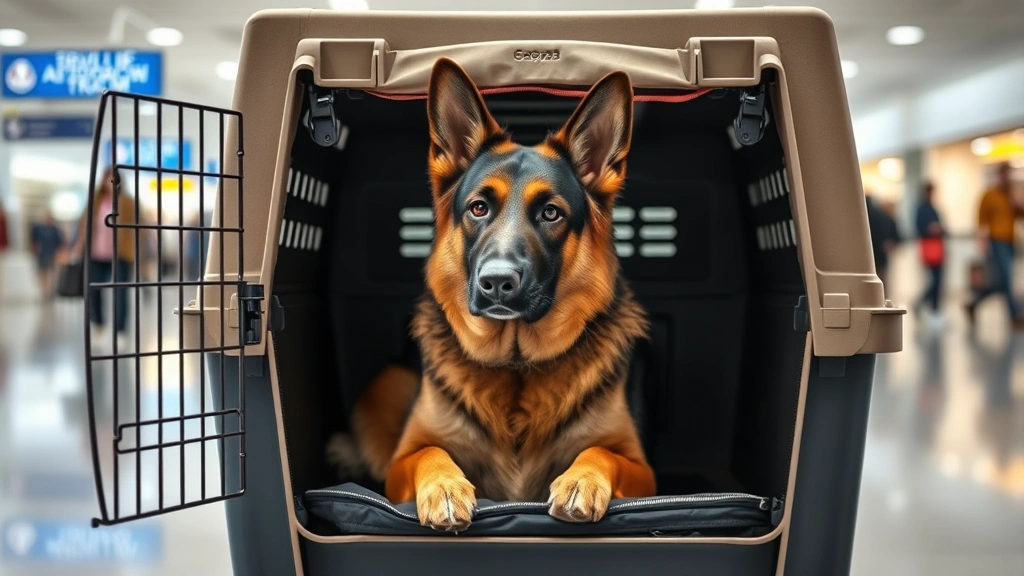
Packing for your large dog requires thinking through every possible scenario. Start with a sturdy, airline-approved travel crate that’s large enough for your dog to stand, turn around, and lie down comfortably. The crate must meet IATA (International Air Transport Association) standards and have proper ventilation. Your airline will provide specific crate requirements, so verify dimensions before purchasing.
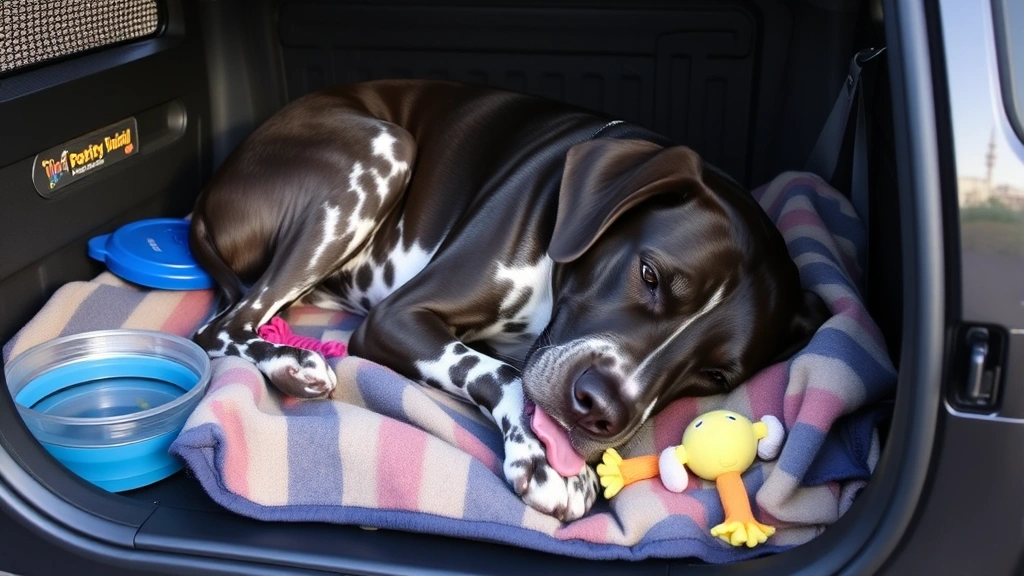
Inside the crate, include familiar items that smell like home: a favorite blanket, a worn t-shirt of yours, or a beloved toy. These comfort items can significantly reduce anxiety during the flight. Include absorbent pads or puppy pads to handle any accidents, as stress can affect your dog’s bathroom habits. Pack extra pads—you’ll want them for arrival and settling in at your destination too.
Food and water require special consideration. Pack your dog’s regular food in a sealed, labeled container, along with instructions for feeding. Include treats as well. Regarding water, most airlines provide water during the flight, but having a collapsible travel bowl and bottled water is smart backup. It’s important to understand how long your dog can go without eating to plan accordingly, especially for long flights with connections.
Bring copies of all health certificates, vaccination records, airline confirmations, and identification documents. Include a recent photo of your dog and your contact information. Attach an ID tag to your dog’s collar with your phone number and destination address. Consider microchipping if your dog isn’t already—it’s a lifesaver if your pup somehow gets separated from you.
Pack medications if your dog takes any, along with detailed instructions. Include any supplements or special dietary items your dog might need. A first-aid kit with basic supplies is also wise. Don’t forget waste bags, a leash, and a harness. Speaking of harnesses, if you’re unfamiliar with proper equipment, our guide on how to put a harness on a dog will ensure you’re using the right equipment correctly.
Pre-Flight Preparation and Training
The weeks leading up to your flight are crucial for preparing your large dog mentally and physically. Start by acclimating your dog to the travel crate well in advance. Leave the crate open in your home, place treats inside, and let your dog explore at their own pace. Gradually close the door for short periods while you’re home, then extend the duration. This positive association with the crate can dramatically reduce anxiety during actual travel.
Exercise is your secret weapon. A well-exercised dog is a calm dog. In the weeks before flying, gradually increase your dog’s exercise routine. The day of travel, ensure your dog gets a substantial workout before heading to the airport. A tired dog is much less likely to experience anxiety or behavioral issues during the flight. However, don’t overdo it right before departure—you want your dog calm but not exhausted.
Consider consulting with a professional dog trainer or behaviorist, especially if your dog has anxiety issues. They can provide specific training techniques and might recommend calming strategies tailored to your dog’s personality. Some dogs benefit from desensitization training to sounds and movements associated with flying.
Take your dog on short car rides to acclimate them to transportation. Visit your vet’s office just for a casual visit without any procedures—this helps your dog see the vet as a friendly person rather than someone associated with stress. Practice having your dog spend time in the crate while you’re away from home, gradually increasing the duration.
Regarding feeding before the flight, consult your vet about the best approach. Some vets recommend a light meal 3-4 hours before departure to prevent nausea, while others suggest waiting until after the flight. Follow your specific vet’s recommendations based on your dog’s digestive system and anxiety levels.
Navigating Airport Logistics
Arriving at the airport with a large dog requires extra time and planning. Aim to arrive 3-4 hours before departure rather than the standard 2 hours. This gives you time to check in, navigate security, and get your dog settled without rushing. When checking in, inform the agent immediately that you have a dog traveling in cargo. They’ll guide you through the specific procedures for your airline.
You’ll likely need to take your dog to a designated pet holding area before security. This is where your dog will be transferred to their travel crate if they’re not already in one, and where final preparations are made. Ask the airline staff for details about this process and what happens to your dog after you check them in. Most airlines will keep your dog in a climate-controlled area until it’s time to board.
Security screening with a large dog can be tricky. You’ll need to remove your dog from the crate, walk them through the metal detector (or designated pet screening), and then place them back in the crate. Have your dog’s leash easily accessible and be prepared for this process. Keep your dog calm and follow TSA agents’ instructions carefully.
After security, find a quiet area where your dog can relax before boarding. Take your dog outside for a final bathroom break if possible—some airports have designated pet relief areas. This is crucial, as you want your dog to have an empty bladder and bowels before the flight. Understanding how long dogs can hold their pee will help you time this bathroom break appropriately.
Before boarding, double-check that your dog has access to water in the crate and that all documentation is in order. Stay calm and confident—dogs pick up on our anxiety, and your composure will help keep your dog calm. Say your goodbyes, remind your dog they’re a good boy or girl, and trust that the airline crew knows what they’re doing.
During the Flight: Keeping Your Dog Comfortable
While your large dog is in cargo during the flight, you might feel helpless, but there’s actually quite a bit happening behind the scenes to keep your pup safe and comfortable. Commercial aircraft cargo holds are pressurized and temperature-controlled, just like the passenger cabin. Your dog won’t be in a dark, freezing compartment—they’ll be in a secure, climate-appropriate space.
The airline crew monitors the cargo area regularly. Your dog will have access to water, and the flight crew is trained in pet safety protocols. That said, choose flights during moderate weather conditions whenever possible. Avoid flying during extreme heat waves or cold snaps, and try to book flights that depart in the morning or early afternoon rather than late evening.
During the flight, stay occupied and try not to stress excessively. Remember that your dog is in professional hands. Keep your boarding pass and confirmation numbers easily accessible. If you have any concerns during the flight, you can discreetly ask a flight attendant if there are any updates, though they typically won’t have real-time information about the cargo area.
Upon landing, your dog will be unloaded with baggage, but typically before luggage is delivered to the carousel. You’ll be directed to a specific area to pick up your dog. Your dog might be disoriented, anxious, or need an immediate bathroom break, so be prepared for this. Have water and treats ready, and plan to spend some time helping your dog readjust to being with you.
Arrival and Settling In at Your Destination
The moment you’re reunited with your dog at your destination is magical, but remember that your pup has just experienced a stressful journey. Give your dog immediate access to a bathroom area and fresh water. Don’t be surprised if your dog seems a bit off—some dogs are disoriented for a few hours after flying. This is completely normal.
Find a quiet space where your dog can decompress for a while. Avoid immediately introducing your dog to new people or situations. Let your dog explore your temporary living space at their own pace. Set up a comfortable area with familiar items from home—this helps your dog adjust more quickly.
Regarding feeding after arrival, wait at least an hour after landing before offering food, even though your dog might be hungry. Their stomach may be sensitive after the flight, and feeding too soon could cause digestive upset. Offer small amounts of water first, then a light meal a bit later. If your dog seems anxious about food or won’t eat, that’s also normal—some dogs need time to settle before their appetite returns.
In the days following arrival, maintain your dog’s regular routine as much as possible. Stick to their normal feeding schedule, exercise routine, and sleep patterns. This consistency helps your dog adjust to the new environment more quickly. If you’re staying with family or friends, brief them on your dog’s needs and current mental state. Your dog might be more sensitive or anxious than usual, and everyone should be aware.
If you’re relocating permanently rather than visiting, the adjustment period might take 1-2 weeks. Your dog may experience some behavioral changes or anxiety as they adjust to a new home. This is temporary and typically resolves with patience, routine, and reassurance. If your dog’s anxiety seems severe or doesn’t improve, consult with a local veterinarian at your destination.
Frequently Asked Questions
Is it safe to sedate my large dog before flying?
Most veterinarians recommend against sedating dogs for air travel unless absolutely necessary and under direct vet supervision. Sedation can affect your dog’s ability to regulate body temperature and maintain balance, which can be problematic in the cargo hold. If your dog has severe anxiety, discuss specific anti-anxiety medications with your vet rather than general sedatives. These targeted medications are often safer for flight travel than full sedation.
Can I fly with my large dog in the cabin?
Unfortunately, most large dogs cannot fly in the cabin due to airline size restrictions. Cabin space is typically limited to dogs under 15-20 pounds. The only exceptions are certified service dogs, which have different regulations. For large dogs, cargo travel is the standard option. This might feel less ideal, but cargo holds are actually quite safe and monitored throughout the flight.
What if my large dog has separation anxiety?
Dogs with severe separation anxiety need special attention before flying. Work with a professional dog trainer or veterinary behaviorist months in advance. They can help desensitize your dog to separation and provide specific coping strategies. Your vet might recommend anxiety medications for the flight, which is different from general sedation. Start any new medications well before the flight date to ensure they work well for your dog.
How much does it cost to fly with a large dog?
Costs vary by airline but typically range from $300-$600 for large dogs traveling in cargo. This is in addition to your own airfare. Some airlines charge per pound, while others charge flat fees. You might also want to budget for travel crates, health certificates, and potential boarding if you’re flying without your dog. If you’re curious about alternatives, you can compare this to how much it costs to board a dog for comparison purposes.
What should I feed my large dog after flying?
Stick to your dog’s normal food after flying. Your dog’s digestive system might be sensitive after the stress of travel, so avoid introducing new foods or treats immediately. Offer small portions of familiar food and water. If your dog doesn’t eat immediately after arrival, that’s normal—some dogs need time to settle before their appetite returns. Consult your vet about how much food you should feed your dog during the travel period, as activity levels might be different than usual.
Do I need a specific type of travel crate for flying?
Yes, your travel crate must meet IATA standards and airline requirements. The crate should be well-ventilated, sturdy, and large enough for your dog to stand, turn around, and lie down. Airlines provide specific dimension requirements, so measure carefully before purchasing. The crate should have secure latches and be properly labeled with your contact information and “Live Animal” warnings. Invest in a quality crate—this is crucial for your dog’s safety.
Can I track my dog during the flight?
Unfortunately, you cannot track your dog in real-time during the flight. Your dog will travel with a tracking number similar to luggage, but you won’t have live updates. This can be anxiety-inducing, but remember that your dog is in the hands of trained professionals. When you land, you’ll be directed to pick up your dog at a designated area, typically before baggage claim.
What if my flight is delayed?
Airlines have specific protocols for pet care during delays. Your dog will be provided with water and bathroom breaks if the delay extends beyond a certain time period (usually 2-3 hours). The airline crew is trained to monitor animals during delays and will ensure your dog’s welfare. This is another reason why direct flights are preferable—they minimize the risk of delays affecting your pet.





