
How to Freshen Dog Breath: Vet-Approved Tips
If your furry best friend’s breath could knock over a fence post, you’re not alone. Bad dog breath is one of the most common complaints pet parents bring to their veterinarians, and it’s definitely not something you need to live with. Whether your pup’s halitosis stems from what they’ve been snacking on or something more serious, we’ve got the scoop on how to freshen dog breath and keep those doggy kisses pleasant.
The truth is, a dog’s breath shouldn’t smell like a fish market or a garbage disposal. While dogs naturally have a different oral microbiome than humans, chronically stinky breath often signals an underlying issue that deserves attention. The good news? There are plenty of vet-approved strategies to tackle this problem head-on, from simple daily habits to professional interventions that can make a real difference.
Let’s dive into the science behind puppy breath gone wrong and discover practical solutions that actually work.
Understanding the Root Causes
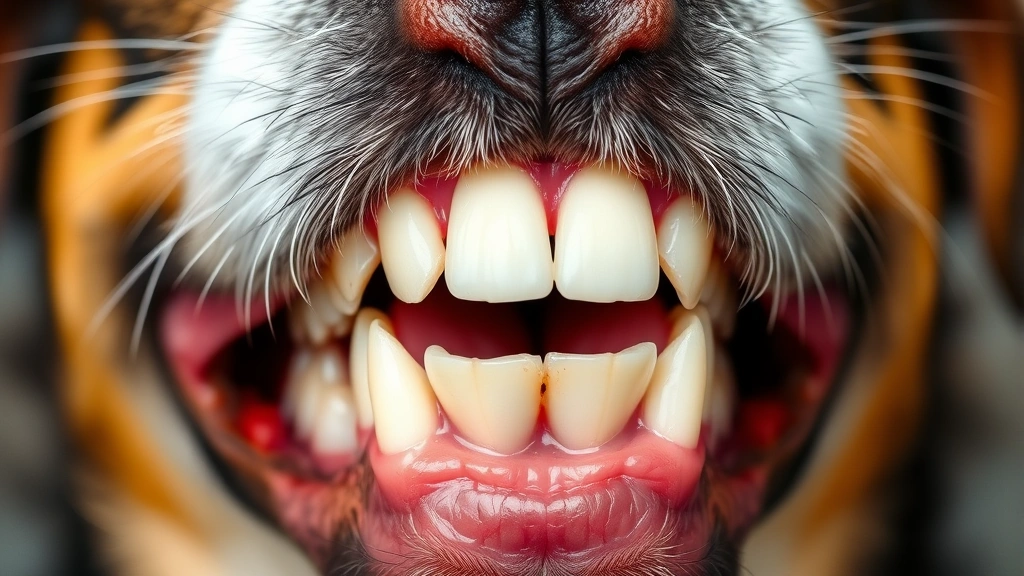
Before we talk about freshening your dog’s breath, it’s important to understand what’s causing the problem in the first place. The most common culprit? Plaque and tartar buildup on your dog’s teeth. Just like humans, dogs develop bacterial colonies in their mouths that produce sulfur compounds—the real stinkers behind bad breath.
Periodontal disease affects approximately 80% of dogs over the age of three, according to veterinary studies. This condition involves inflammation of the gums and tooth structure, creating an environment where odor-causing bacteria thrive. If your dog’s breath smells particularly fishy or rotten, you might want to explore whether why your dog’s breath smells like fish is related to dietary issues or dental problems.
Sometimes, why your dog’s breath stinks goes beyond simple plaque. Other potential culprits include kidney disease, diabetes, liver problems, or oral infections. This is why it’s crucial to distinguish between normal dog breath and problematic halitosis. A veterinary checkup can rule out systemic health issues that might be manifesting through your dog’s mouth.
Diet plays a significant role too. Dogs who eat primarily soft food or table scraps may accumulate more debris and bacteria. Additionally, certain dietary components can ferment in the mouth, creating unpleasant odors. Understanding these root causes helps you target the right solution for your specific situation.
Daily Dental Care Strategies
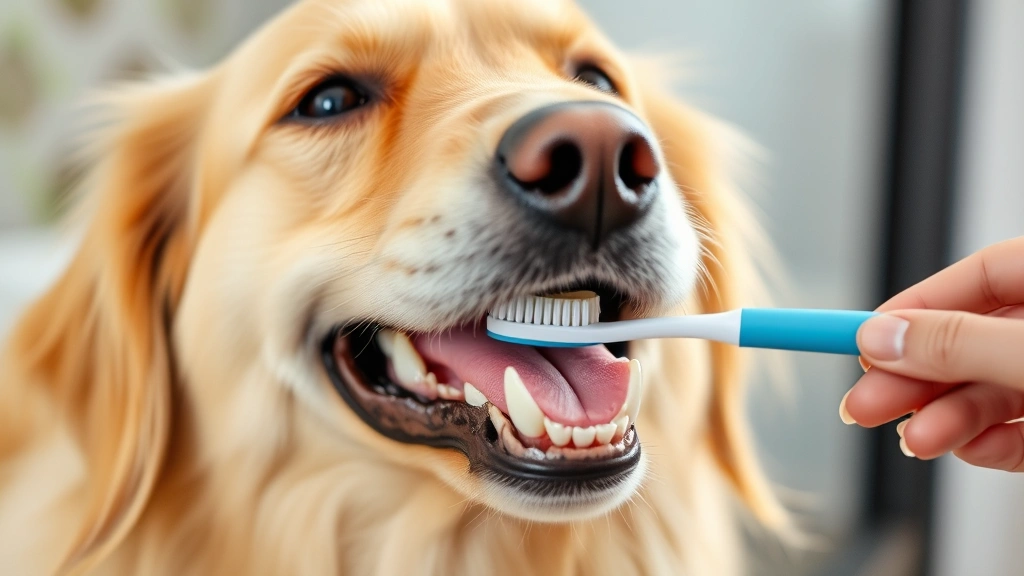
The cornerstone of fresh dog breath is consistent dental hygiene. Brushing your dog’s teeth daily is the gold standard recommended by veterinarians worldwide. While it might seem challenging at first, most dogs adapt quickly to the routine.
Tooth brushing technique: Use a soft-bristled toothbrush designed for dogs and dog-specific toothpaste (human toothpaste contains fluoride and xylitol, which are harmful to dogs). Gently brush in circular motions, focusing on the gum line where plaque accumulates most. Aim for at least three times weekly, though daily is ideal.
If traditional brushing isn’t working for your pup, there are alternatives. How to clean dog teeth without brushing offers several effective options that can complement your dental care routine. These include dental wipes, enzymatic chews, and specialized toys designed to reduce plaque mechanically.
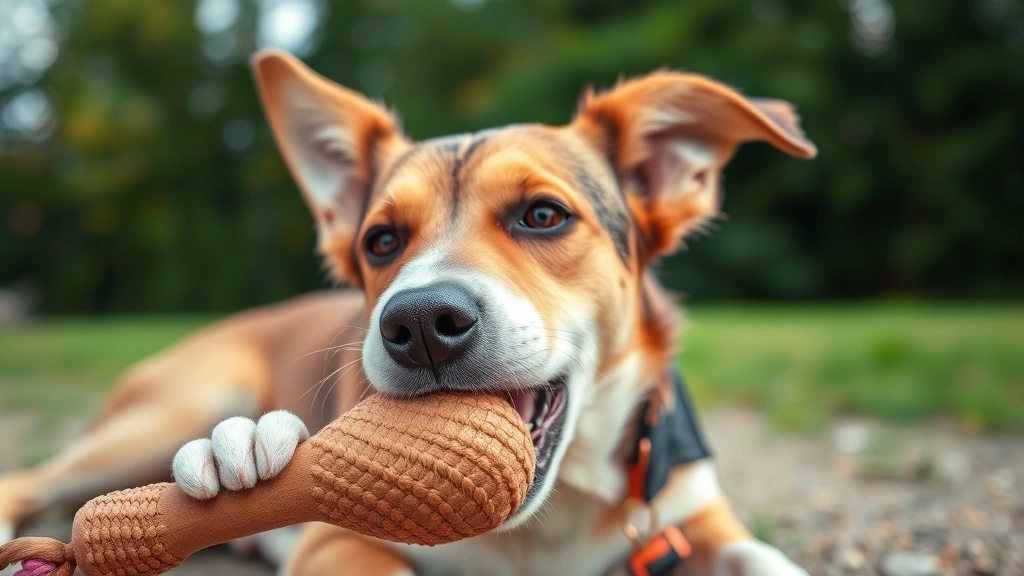
Dental chews and toys: Products like dental-specific chews encourage chewing action that naturally scrubs teeth. Look for options that are AAFCO-certified for safety and efficacy. Rubber toys with textured surfaces can also help reduce plaque buildup when used regularly.
Water additives: Veterinary-approved water additives containing enzymes or antimicrobial compounds can help reduce oral bacteria. Simply add the recommended amount to your dog’s drinking water daily. These work best as part of a comprehensive oral care program rather than standalone solutions.
Professional dental cleanings by your veterinarian are also essential. Unlike human dentists, veterinary dental cleanings require anesthesia to properly access all tooth surfaces and address issues below the gum line. Most vets recommend these cleanings annually, though some dogs may need them more frequently.
Diet and Nutrition Solutions
What your dog eats directly impacts their breath quality. High-quality, balanced nutrition supports overall oral health and reduces the bacterial load in the mouth.
Kibble versus wet food: Dry kibble provides mechanical action that helps clean teeth as your dog chews. The friction removes some plaque and tartar naturally. While wet food is sometimes easier for senior dogs or those with dental issues, it doesn’t offer this cleaning benefit. Consider mixing high-quality dry kibble with wet food to balance nutrition and dental benefits.
Raw and whole food diets: Some pet parents report improved breath after switching to raw or minimally processed diets. The theory is that these diets reduce inflammatory responses in the mouth and support better oral bacteria balance. However, consult your vet before making major dietary changes to ensure nutritional completeness.
Avoiding problematic foods: Certain foods contribute to bad breath more than others. Garlic and onions, while toxic to dogs, obviously should be avoided. Table scraps, especially fatty or starchy foods, can ferment in the mouth and create odor. Stick to high-quality dog food formulated for your dog’s specific life stage.
If you’re concerned about your dog’s overall health and breath issues, whether bad breath in dogs is a sign of illness deserves investigation. Systemic conditions often manifest through oral symptoms, so nutritional support combined with veterinary care is crucial.
Natural Supplements and Remedies
Beyond traditional approaches, several natural supplements can support oral health and freshen breath when used appropriately.
Probiotics for dogs: Oral probiotics containing beneficial bacteria like Lactobacillus can help balance the oral microbiome. These supplements work by competing with odor-causing bacteria for space and resources. Look for products specifically formulated for oral health rather than general digestive probiotics.
Coconut oil: Some pet parents swear by coconut oil’s antimicrobial properties. A small amount (about 1/2 teaspoon for small dogs, 1 teaspoon for larger dogs) added to food or used for gentle mouth massage may help. However, research on its efficacy for dogs is limited, so use it as a complementary approach rather than a primary solution.
Apple cider vinegar: A tiny splash of raw, unfiltered apple cider vinegar in your dog’s water bowl may help maintain oral pH balance. The acidity can inhibit bacterial growth, though this approach works best preventatively. Never force it on dogs who dislike the taste.
Mint leaves: If you’re wondering whether dogs can eat mint leaves, the answer is yes—in moderation. Fresh mint has natural antimicrobial properties and can freshen breath. A small leaf or two occasionally can be beneficial, though mint-flavored products marketed for dogs may contain added sugars.
Enzyme supplements: Oral enzyme supplements containing proteases and lipases break down the biofilm that harbors odor-causing bacteria. These can be particularly effective when combined with mechanical cleaning methods.
Professional Veterinary Treatments
When home remedies and daily care aren’t enough, professional interventions become necessary. Your veterinarian has tools and expertise that can make a significant difference.
Professional dental cleaning: This is the most effective way to remove tartar and plaque buildup. Under general anesthesia, your vet uses specialized ultrasonic scalers to clean above and below the gum line. They’ll also perform a thorough examination, often taking dental X-rays to identify hidden issues like tooth root problems or bone loss.
Extractions: Severely diseased or loose teeth may need extraction. While it might sound drastic, removing problem teeth often improves breath quality and eliminates sources of infection and pain. Dogs adapt remarkably well to missing teeth.
Antibiotic treatment: If your dog has an oral infection or periodontal disease, your vet may prescribe antibiotics. These address the bacterial infection while other treatments manage the underlying dental issues. According to the American Animal Veterinary Medical Association, antibiotics should be used judiciously and only when indicated by professional assessment.
Chlorhexidine rinses: Your veterinarian might recommend antimicrobial rinses containing chlorhexidine. These reduce bacterial populations in the mouth and can be used as part of post-cleaning maintenance or to manage active infection.
Prevention Tips for Long-Term Success
The best approach to fresh dog breath is prevention. By implementing these strategies now, you can avoid many breath problems down the road.
Start early: Begin dental care when your dog is young. Puppies who get used to tooth brushing and dental care establish good habits early. Senior dogs can certainly benefit from improved oral hygiene too, but prevention is always easier than treatment.
Regular vet checkups: Include oral health in your regular veterinary visits. Your vet can catch early signs of dental disease before they progress. Most vets recommend annual oral assessments, with more frequent checks for senior dogs or those with predisposing conditions.
Choose appropriate chew toys: Not all chew toys are created equal. Select toys that are appropriately sized for your dog and won’t cause dental trauma. Avoid extremely hard items like bones or antlers that can crack teeth.
Monitor water quality: Clean water bowls daily and provide fresh, clean water. Stagnant water can harbor bacteria that contribute to oral issues. Consider using stainless steel or ceramic bowls rather than plastic, which can harbor bacteria in scratches.
Watch for warning signs: Keep an eye out for excessive drooling, difficulty eating, swollen face or jaw, or persistent bad breath. These can indicate dental problems requiring professional attention. Early intervention often prevents more serious issues.
For comprehensive guidance on how to get rid of bad dog breath fast, remember that sustainable results come from consistent daily care combined with professional veterinary support. Quick fixes are temporary; long-term solutions address root causes.
Frequently Asked Questions
How often should I brush my dog’s teeth?
Ideally, daily brushing is best for optimal oral health. However, if daily brushing isn’t feasible, aim for at least three times per week. More frequent brushing yields better results in preventing plaque and tartar accumulation.
Is bad dog breath always a sign of dental disease?
While dental disease is the most common cause of bad breath in dogs, other conditions can cause halitosis. Kidney disease, diabetes, liver problems, and certain infections can all manifest as bad breath. If your dog’s breath suddenly worsens or they show other symptoms, consult your veterinarian.
Can I use human toothpaste on my dog?
No, human toothpaste is not safe for dogs. Most human toothpastes contain fluoride and xylitol, both of which are toxic to dogs. Always use dog-specific toothpaste, which is formulated to be safe if swallowed.
What’s the best age to start dental care?
Start dental care as early as possible, ideally when your dog is a puppy. However, it’s never too late to begin. Even senior dogs benefit significantly from improved oral hygiene and professional dental cleanings.
How much does a professional dental cleaning cost?
Professional dental cleaning costs vary widely depending on your location, your dog’s size, and the extent of dental disease. On average, expect to pay between $200 and $800. Many veterinary clinics offer payment plans to help manage costs.
Are dental treats effective for freshening breath?
Dental treats can be helpful as part of a comprehensive oral care program, but they shouldn’t replace brushing or professional cleanings. Look for products approved by the Veterinary Oral Health Council for verified efficacy.
Can diet alone fix bad breath?
While diet plays an important role in oral health, it’s rarely the sole solution for persistent bad breath. A comprehensive approach combining diet, daily care, and professional treatment yields the best results.
What should I do if my dog resists tooth brushing?
Start slowly with positive reinforcement. Let your dog lick dog-specific toothpaste from your finger first. Gradually introduce the toothbrush without applying pressure. Use treats and praise to create positive associations. If your dog strongly resists, discuss alternative cleaning methods with your veterinarian.





