
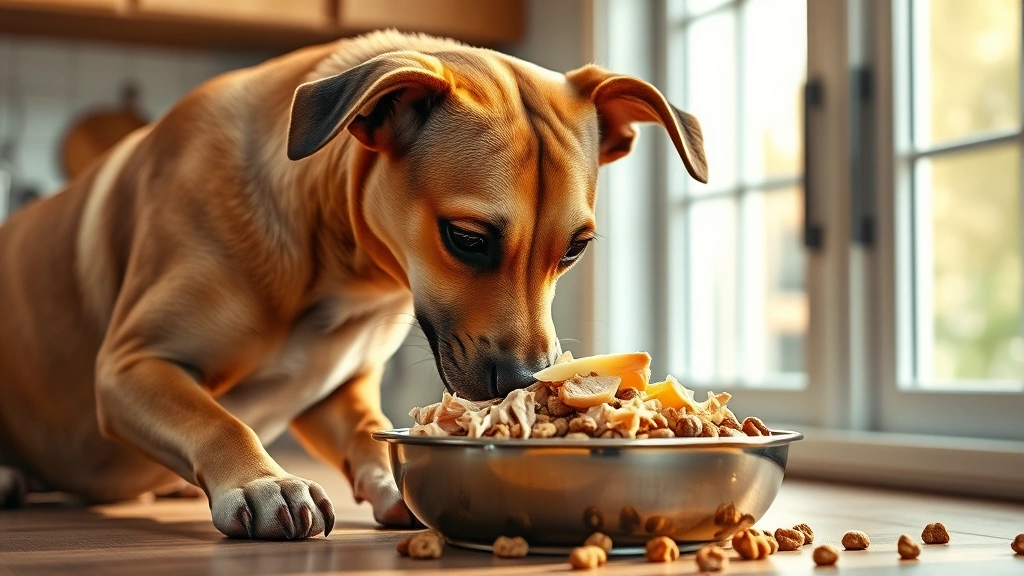
So your pup looks like they’ve been skipping meals at an all-you-can-eat buffet? Learning how to get a dog to gain weight is a legitimate concern for many pet parents, especially when your furry friend is looking a bit too lean. Whether your dog is a rescue recovering from neglect, a picky eater, or dealing with a medical condition, helping them pack on healthy pounds requires patience, strategy, and the right approach. Let’s dig into the science and practical methods that’ll have your dog looking plump and happy in no time.
Table of Contents
- Understanding Why Your Dog Might Be Underweight
- Method 1: Switch to High-Calorie, Nutrient-Dense Dog Food
- Method 2: Increase Meal Frequency and Portion Sizes
- Method 3: Add Calorie-Rich Toppers and Supplements
- Method 4: Use High-Calorie Treats and Snacks
- Method 5: Optimize Feeding Environment and Reduce Stress
- Monitoring Progress and Adjusting Your Strategy
- Common Mistakes to Avoid When Helping Your Dog Gain Weight
- When to Seek Professional Help
- Frequently Asked Questions
- Summary: Your Dog’s Weight Gain Game Plan
Understanding Why Your Dog Might Be Underweight
Before you start stuffing your dog with extra kibble, it’s worth understanding why they’re underweight in the first place. Underweight dogs could be dealing with parasites, dental issues, digestive problems, or even stress. Some breeds are naturally lean—looking at you, sighthounds and greyhounds—but if your dog is below their ideal weight for their breed, there’s usually a reason. A quick vet visit should be your first stop to rule out any sneaky health issues. Once you’ve got the all-clear, you can focus on the fun stuff: making your dog’s meals irresistible.
Method 1: Switch to High-Calorie, Nutrient-Dense Dog Food
The foundation of weight gain starts with what’s in the bowl. Not all dog foods are created equal, and some are basically the canine equivalent of celery—lots of volume, minimal calories. Look for premium dog foods with higher fat content (around 15-20% crude fat) and protein levels above 25%. These foods pack more nutritional punch per cup, meaning your dog gets more calories without eating significantly larger portions.
Puppy formulas and performance dog foods are excellent choices because they’re designed for high energy and growth. Check out our guide to healthy pet treats to see what supplemental options pair well with premium kibble. Gradually transition to the new food over 7-10 days to avoid digestive upset—nobody wants a dog with the runs when you’re trying to gain weight.
Method 2: Increase Meal Frequency and Portion Sizes
Here’s a simple math equation: more meals = more calories. Instead of feeding your dog once or twice daily, bump it up to three or four smaller meals. This approach works especially well for dogs with faster metabolisms or those recovering from illness. Increasing portion sizes at each meal also helps—just make sure you’re not going overboard and creating a bloated pup.
A good rule of thumb is to increase portions by about 10-15% initially, then monitor your dog’s weight gain over 2-3 weeks. If progress is slow, bump it up another 10%. You’re looking for steady, healthy weight gain of about 1-2 pounds per week for medium-sized dogs. Think of it like a slow-burn investment in your dog’s health rather than a crash diet in reverse.
Method 3: Add Calorie-Rich Toppers and Supplements
This is where things get delicious. Toppers are your secret weapon for transforming boring kibble into something your dog will actually get excited about. Wet food mixed into dry kibble adds moisture, flavor, and calories. But you can get even more creative with protein sources from human food that are safe for dogs.
Consider adding:
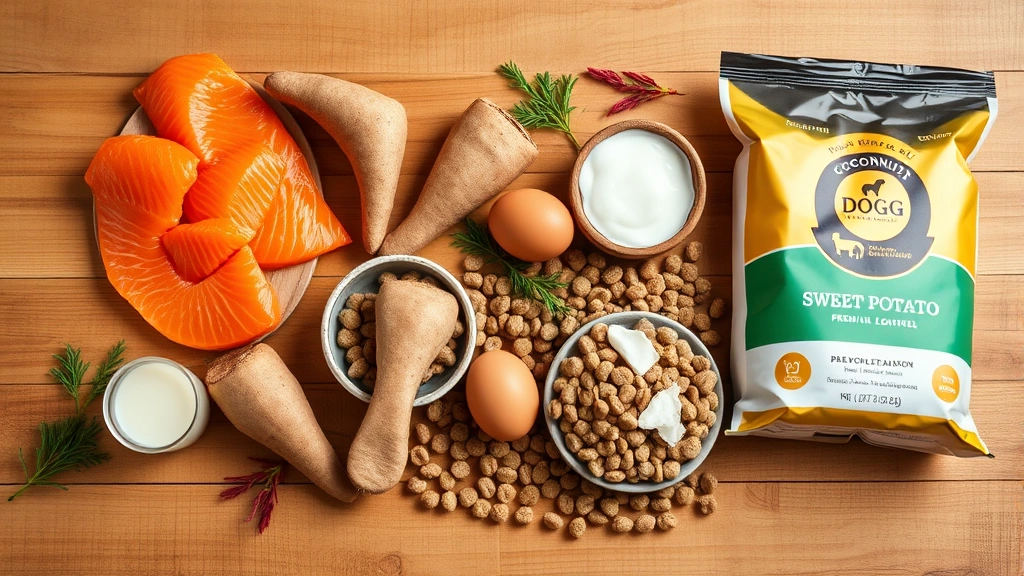
- Coconut oil or fish oil (1-2 teaspoons per meal for calorie boost and coat health)
- Bone broth or bone broth recipes for pets poured over kibble
- Plain cooked chicken, beef, or can dogs eat chicken for lean protein
- Sweet potato or pumpkin puree for fiber and calories
- Eggs (cooked, please) for protein and fat
These toppers aren’t just calorie boosters—they’re also appetite stimulators. A dog that’s excited about dinner is more likely to clean their bowl, which means more calories actually making it into their system.
Method 4: Use High-Calorie Treats and Snacks
Treats are the gateway to weight gain, and honestly, dogs don’t complain about the strategy. Swap out low-calorie training treats for something with more oomph. Meat-based treats for dogs pack serious caloric density compared to veggie chews.
You can also make your own high-calorie treats. Homemade dog biscuits made with peanut butter, pumpkin, and oats are calorie-dense and give you complete control over ingredients. Aim for 2-3 treats per day as part of your overall calorie increase, not as a replacement for meals. The goal is supplementation, not substitution.
Method 5: Optimize Feeding Environment and Reduce Stress
Sometimes the problem isn’t what’s in the bowl—it’s the environment around the bowl. Anxious dogs often eat less, even when food is available. Create a calm, quiet feeding space away from other pets, loud noises, and chaos. Some dogs need privacy to feel comfortable eating; others thrive with routine and consistency.
Feed your dog at the same times each day, in the same location, with minimal distractions. This builds confidence and helps regulate their appetite. If you have multiple dogs, feed them separately to prevent competition or resource guarding stress. A relaxed dog is a dog that eats, and a dog that eats is a dog that gains weight. It’s basic psychology, really.
Monitoring Progress and Adjusting Your Strategy
Weight gain isn’t a sprint—it’s a marathon in slow motion. Weigh your dog weekly and keep a simple chart. You’re looking for consistent, gradual progress. If your dog isn’t gaining after 3-4 weeks, it’s time to reassess. Maybe they need even more calories, or maybe there’s an underlying health issue you missed.
Watch for other signs of health too: shiny coat, good energy levels, solid digestion, and enthusiasm for meals. A dog gaining weight but developing diarrhea or lethargy is a sign something’s off. Conversely, a dog with improved muscle tone, better coat quality, and genuine excitement at mealtime is exactly what you’re aiming for.
Common Mistakes to Avoid When Helping Your Dog Gain Weight
Don’t just dump extra kibble in the bowl and hope for the best—that’s lazy and often ineffective. Avoid low-quality, high-filler foods that look like they should work but don’t deliver real nutrition. Don’t ignore medical issues; a vet check-up isn’t optional. And please, for the love of all things canine, don’t switch foods every week. Consistency matters, and your dog’s digestive system needs time to adapt.
Also avoid the temptation to overfeed once you see initial progress. Weight gain should be steady and healthy, not rapid and bloat-inducing. A dog that gains 5 pounds in a week is a dog headed for health problems, not health solutions.
When to Seek Professional Help
If your dog isn’t responding to these methods after 4-6 weeks, or if weight loss is ongoing despite increased food intake, it’s definitely time for a professional consultation. Your vet can run bloodwork, check for parasites, assess digestive function, and potentially refer you to a veterinary nutritionist. Some dogs need specialized diets or supplements that go beyond standard kibble and toppers.
Don’t be stubborn about DIY solutions when professional guidance could make all the difference. Vets deal with underweight dogs all the time and have tools and knowledge you don’t.
Frequently Asked Questions
How long does it take for a dog to gain weight?
Most dogs will show noticeable weight gain within 3-4 weeks of implementing these strategies. However, the timeline depends on their starting point, metabolism, and how aggressively you increase calories. Some dogs gain steadily; others are stubborn. Patience is your friend here.
Is it bad for dogs to gain weight too quickly?
Yes. Rapid weight gain can stress joints, organs, and the cardiovascular system. Aim for 1-2 pounds per week for medium-sized dogs. Slow and steady wins this race. Your vet can advise on appropriate weight gain rates for your specific dog’s breed and size.
Can I just feed my dog table scraps to help them gain weight?
While some human foods are safe for dogs, relying solely on table scraps is a terrible idea. You lose nutritional balance, invite digestive issues, and potentially expose your dog to toxic foods. Use human food as strategic toppers, not meal replacements.
What if my dog has a sensitive stomach?
Dogs with sensitive stomachs need a slower approach. Transition to new foods over 10-14 days instead of 7. Use limited-ingredient, high-quality foods. Add toppers gradually—start with bone broth or plain cooked chicken in small amounts. Consider a probiotic supplement to support digestion. Your vet might recommend a prescription diet designed for sensitive systems.
Should I exercise my underweight dog less?
Not necessarily. Exercise is important for muscle development, not just weight gain. Instead of reducing activity, increase calorie intake to match their energy expenditure. An underweight working dog or athletic breed needs quality calories to fuel their lifestyle, not a sedentary existence.
Summary: Your Dog’s Weight Gain Game Plan
Helping your dog gain weight is absolutely achievable with the right combination of strategies. Start with a vet check-up to rule out health issues, then implement these five proven methods: switch to high-calorie food, increase meal frequency, add nutrient-dense toppers, use calorie-rich treats, and optimize the feeding environment. Monitor progress weekly, adjust as needed, and stay patient.
Remember, you’re not just trying to make your dog heavier—you’re working toward optimal health, better energy levels, and a happier pup. The best part? Your dog will love every minute of the process. Who doesn’t enjoy more delicious food and extra attention? Your lean, mean canine machine is about to become a healthier, happier version of themselves.





