

Learning how to get a free service dog for epilepsy might seem like chasing a unicorn, but it’s absolutely possible if you know where to look and what steps to take. Epilepsy service dogs are legitimate medical tools that can detect seizures before they happen, alert caregivers, and even prevent injuries during episodes. The catch? They’re expensive—usually $15,000 to $30,000. The good news? Plenty of organizations will cover that cost for you.
Table of Contents
- Understanding Epilepsy Alert Dogs and Service Dog Distinctions
- Qualifying for a Free Epilepsy Service Dog Program
- Top Organizations Providing Free Epilepsy Service Dogs
- The Application Process: What to Expect
- Fundraising and Grant Options for Service Dogs
- Breed Selection and What Makes a Good Epilepsy Service Dog
- Training Timeline and What Your Dog Will Learn
- Financial Responsibilities You’ll Still Have
- Red Flags: Avoiding Service Dog Scams
- Life After Getting Your Service Dog
- Alternative Options If Free Programs Don’t Work Out
- Frequently Asked Questions
- Final Thoughts: Your Path to Epilepsy Service Dog Success
Understanding Epilepsy Alert Dogs and Service Dog Distinctions
First, let’s clear up the terminology because it matters legally and practically. An epilepsy alert dog is trained to recognize pre-seizure signs in their handler and alert them before a seizure occurs. A true service dog for epilepsy is task-trained to perform specific duties like pressing alert buttons, retrieving medications, or preventing the person from falling during a seizure.
These dogs are protected under the Americans with Disabilities Act (ADA) and have public access rights. They’re not emotional support animals or therapy dogs—they’re working professionals with credentials. The distinction is crucial because only legitimate service dogs can accompany you into restaurants, stores, and airplanes.
Qualifying for a Free Epilepsy Service Dog Program
Not everyone can snag a free service dog, and programs have specific eligibility requirements. Most organizations require:
- A diagnosed seizure disorder from a neurologist or qualified physician
- Seizures that occur regularly (usually at least one per month, though this varies)
- Age requirements (typically 16 or older, sometimes 18+)
- Ability to care for a dog physically and financially (food, vet care, grooming)
- A stable living situation
- Commitment to the dog for its entire working life (7-10 years)
Some programs also require that you’ve tried medication management first or that your seizures aren’t completely controlled by current treatments. They want to ensure the dog will genuinely improve your quality of life, not replace medical treatment.
Top Organizations Providing Free Epilepsy Service Dogs
Several nonprofit organizations specialize in providing free or heavily subsidized service dogs for epilepsy. Here are the heavy hitters:
Canine Assistants (Atlanta, Georgia) has been training service dogs since 1991 and provides them free to qualified individuals. They focus on life-changing tasks and have an excellent reputation. Their program is competitive, but they’re worth applying to.

Seizure Alert Dog Foundation operates across multiple states and specifically focuses on epilepsy alert dogs. They’ve trained hundreds of dogs and maintain a strong track record of successful placements.
National Service Dogs (based in Canada but serves the US) trains seizure alert and response dogs. They’re known for their rigorous training protocols and follow-up support.
Assistance Dogs International (ADI) maintains a directory of accredited organizations that train service dogs for various disabilities, including epilepsy. Not all provide free dogs, but many offer financial assistance or payment plans.
Check the American Kennel Club’s service dog resources for additional vetted organizations in your region.
The Application Process: What to Expect
Applying for a free service dog isn’t a quick process. Most organizations require:
Medical Documentation: You’ll need letters from your neurologist or physician confirming your epilepsy diagnosis and current treatment status. Organizations want proof that your condition significantly impacts daily life.

Personal Essays: Many programs ask you to write about how epilepsy affects you and what you hope a service dog will accomplish. Be honest and specific—generic applications get rejected.
References: You may need personal and professional references who can vouch for your reliability and commitment.
Home Visits: Some organizations conduct home visits to ensure your living situation is appropriate for a working dog. They’re checking for safety hazards and adequate space.
Interviews: Expect phone or in-person interviews where staff assess your understanding of service dog responsibilities and your realistic expectations.
The entire process typically takes 6-12 months from application to placement. Patience is your friend here.
Fundraising and Grant Options for Service Dogs
If you don’t qualify for completely free programs, several avenues can help fund a service dog:
Service Dog Grants: Organizations like the PetSmart Charities and local disability nonprofits offer grants specifically for service dogs. Search your state’s disability resources website.
Crowdfunding: Platforms like GoFundMe have helped hundreds of people raise service dog funds. A compelling story and regular updates increase success rates.
Corporate Sponsorships: Some local businesses sponsor service dogs as community goodwill projects. Contact your chamber of commerce or local service organizations.
Tax Deductions: While not free money, service dog costs may be tax-deductible as medical expenses. Consult a tax professional.
Many service dog organizations also offer payment plans or sliding-scale fees based on income, making them more accessible than the sticker price suggests.
Breed Selection and What Makes a Good Epilepsy Service Dog
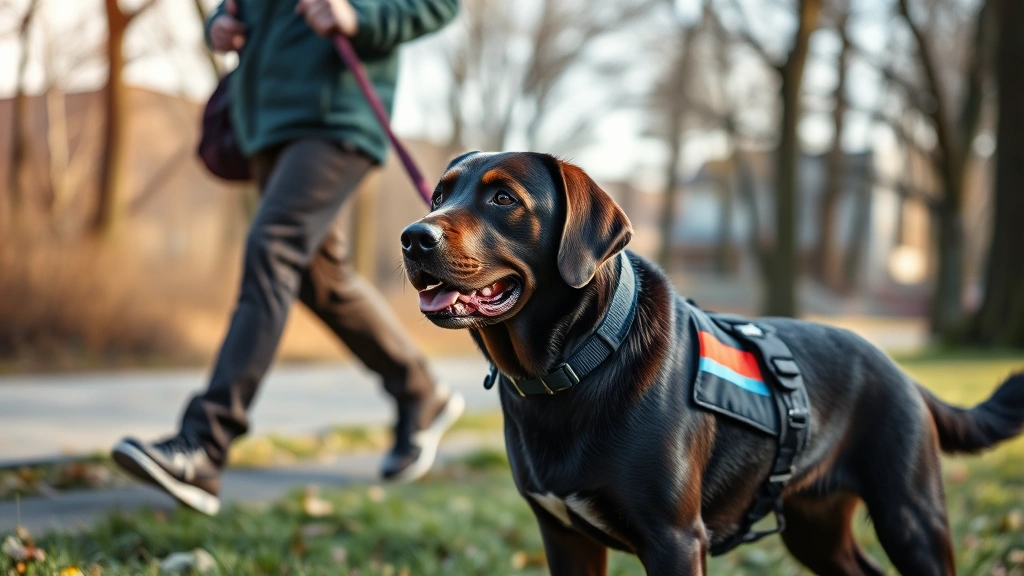
Golden Retrievers, Labrador Retrievers, and German Shepherds dominate the service dog world for good reason. They’re intelligent, trainable, and physically capable of performing necessary tasks. Some programs use mixed breeds or smaller dogs depending on handler needs.

The ideal epilepsy service dog is:
- Medium to large size (for stability and task performance)
- Calm and focused temperament
- Highly food or toy motivated for training
- Healthy with no genetic predispositions to serious conditions
You typically won’t choose your specific dog—the organization will match you based on temperament and needs. This matching process is crucial for long-term success.
Training Timeline and What Your Dog Will Learn
A properly trained epilepsy service dog undergoes 18-24 months of intensive training before placement. During this time, trainers teach:
Seizure Detection: Many dogs naturally develop the ability to sense pre-seizure changes in their handler’s behavior, scent, or body language. Trainers reinforce and refine this instinct.
Alert Behaviors: The dog learns to alert you or nearby people through specific actions like pawing, barking, or retrieving a phone.
Response Tasks: Depending on your needs, the dog might learn to fetch medications, press alert buttons, lie protectively during a seizure, or retrieve help.

Public Access Manners: The dog must behave impeccably in public spaces—no jumping, aggression, or distraction.
After placement, most organizations provide ongoing support and refresher training throughout the dog’s working life. This continued relationship is invaluable.
Financial Responsibilities You’ll Still Have
Free doesn’t mean zero cost. Expect to budget annually for:
- Food and treats: $800-$1,500
- Routine veterinary care: $500-$1,000
- Emergency vet fund: Essential (aim for $2,000+ emergency reserve)
- Training refreshers: $200-$500
- Equipment replacement: $100-$300
Organizations often provide initial equipment and first-year support, but long-term care falls on you. If you can’t afford these expenses, you won’t be approved. This isn’t heartless—it’s ensuring the dog receives proper care.
Red Flags: Avoiding Service Dog Scams
The service dog industry attracts scammers. Avoid organizations that:
- Guarantee seizure detection (no organization can promise this)
- Require payment upfront for “free” dogs
- Lack verifiable reviews or nonprofit status
- Don’t conduct thorough evaluations
- Offer dogs in weeks instead of months
- Aren’t accredited by Assistance Dogs International
Verify nonprofit status through GuideStar or your state’s nonprofit registry. Legitimate organizations are transparent about their methods and outcomes.

Life After Getting Your Service Dog
Receiving your epilepsy service dog is transformative but requires adjustment. You’ll need to:
Establish Routine: Dogs thrive on consistency. Maintain regular schedules for feeding, training, and work.
Continue Medical Management: Your service dog supplements medical treatment—it doesn’t replace it. Keep taking medications and attending neurologist appointments.
Maintain Skills: Practice training commands and alert responses regularly. Skills fade without reinforcement.
Build Your Support Network: Teach family and friends how to work with your dog. They may need to take over dog care during hospitalizations.
Many handlers report increased independence, reduced anxiety, and improved quality of life with their service dogs. The investment—in time and effort—pays dividends.
Alternative Options If Free Programs Don’t Work Out
If you don’t qualify for free programs, consider:
Reduced-Cost Programs: Some organizations charge sliding-scale fees or offer payment plans making service dogs more affordable.
Emotional Support Animals: While not service dogs, ESAs provide legitimate mental health benefits and are protected in housing. They’re easier to obtain and less expensive to train.
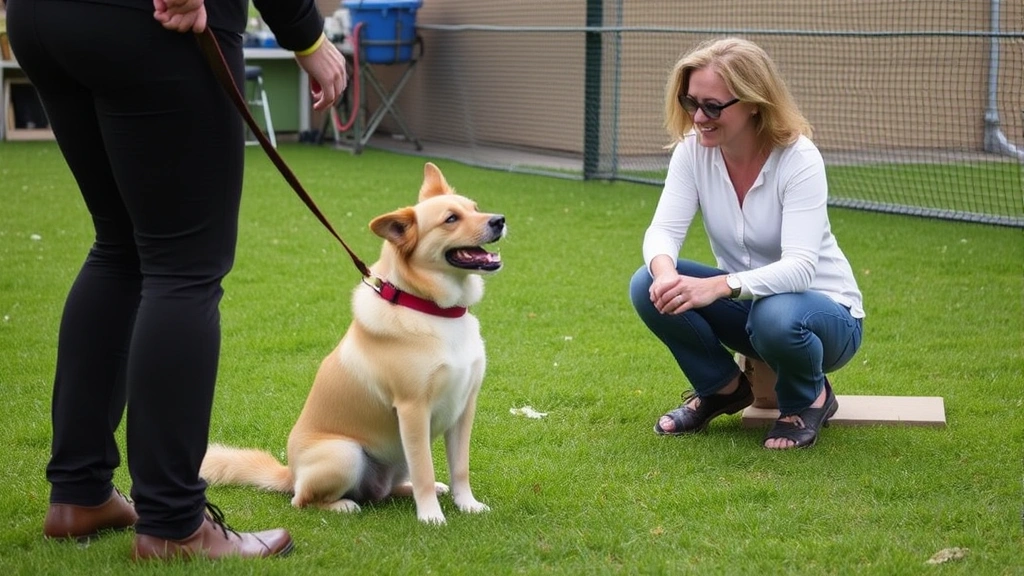
Alert Dog Training: Some trainers teach you to train your own dog to alert to seizures, though this requires significant time and skill.
Medication Adjustments: Work with your neurologist on optimizing your seizure management, potentially reducing your need for a service dog.
These alternatives aren’t failures—they’re practical solutions tailored to your situation.

Frequently Asked Questions
How long does it take to get a free epilepsy service dog?
From application to placement typically takes 6-12 months. Some organizations have longer waiting lists, especially if they’re highly selective. The training process itself takes 18-24 months before your dog is ready for placement.
Will insurance cover a service dog?
Most health insurance doesn’t cover service dog costs, though some disability insurance plans might. Check your policy. The IRS allows medical expense deductions for service dogs in some cases, so consult a tax professional.
Can I train my own dog as a seizure alert dog?
Owner training is possible but challenging. Seizure detection is partly instinctive—some dogs develop it naturally, others never do. Professional trainers have better success rates. If you pursue owner training, work with an experienced trainer specializing in service dogs.
What happens if my service dog doesn’t work out?
Most organizations maintain responsibility for their dogs. If a placement fails, they’ll either retrain the dog or place it in a pet home. You won’t be stuck. This is why working with established organizations matters.
Are epilepsy service dogs only for adults?
Most programs require handlers to be 16 or older, sometimes 18+. For children, parents may work with trainers to develop alert dogs, though this is less common. Contact organizations about pediatric options if needed.
Can my service dog alert me to seizures I don’t feel coming?
Yes—many handlers don’t experience auras or pre-seizure warnings. Their dogs alert them to physical or behavioral changes they’re unaware of. This is one of the most valuable aspects of having a seizure alert dog.
Final Thoughts: Your Path to Epilepsy Service Dog Success
Getting a free service dog for epilepsy requires patience, honesty, and persistence, but thousands of people have successfully navigated this journey. Start by researching organizations in your area, gathering your medical documentation, and honestly assessing whether you meet eligibility requirements. Apply to multiple programs to increase your chances. Even if the first organization says no, others might say yes.
Remember that a service dog is a tool—an incredibly valuable one—but not a cure. Continue working with your medical team, take your medications, and maintain healthy lifestyle habits. Your service dog works best as part of a comprehensive epilepsy management strategy.
The freedom, confidence, and peace of mind that comes with a trained epilepsy service dog is worth the effort. Start your application today, and you could be partnered with your life-changing companion within a year.





