
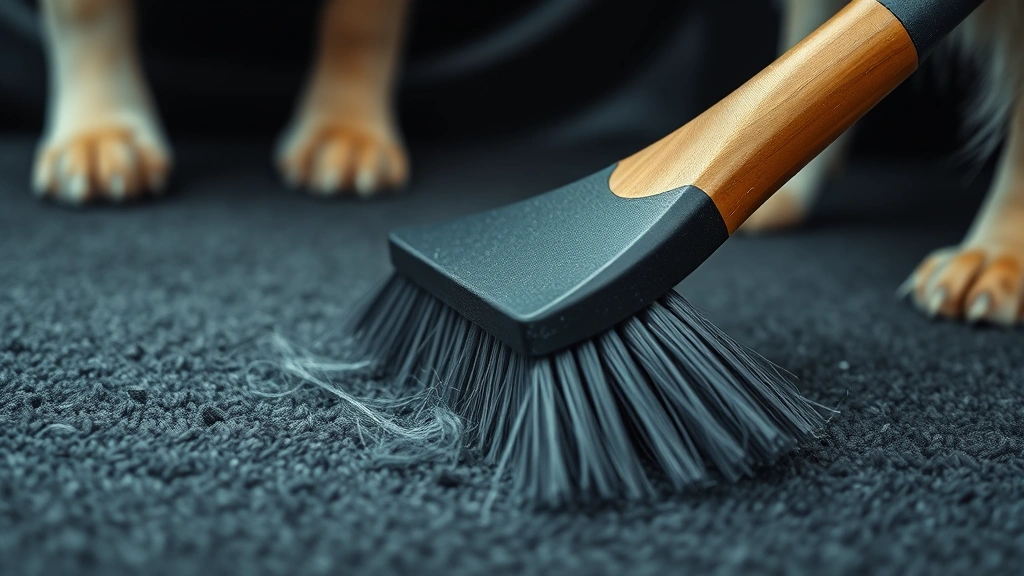
If you’re wondering how to get dog hair out of car carpet, you’re not alone—this is the eternal struggle of dog parents everywhere. One minute your furry friend is happily riding shotgun, and the next, your car looks like a mobile grooming salon exploded inside it. Dog hair has this magical ability to embed itself into every fiber of your vehicle’s carpet, making it nearly impossible to remove with a standard vacuum.
Table of Contents
- Why Dog Hair Sticks to Car Carpet Like It Owns the Place
- Method 1: The Rubber Broom Hack (The Game-Changer)
- Method 2: The Lint Roller Power Move
- Method 3: Vacuum with a Rubber Attachment (The Upgraded Vacuum Method)
- Method 4: The Fabric Softener Spray Solution
- Method 5: Professional Detailing (When All Else Fails)
- Prevention: The Best Medicine (And Strategy)
- Choosing the Right Tool for Your Situation
- Why Your Regular Vacuum Isn’t Cutting It
- Product Recommendations for Maximum Hair Removal
- Seasonal Shedding: When Things Get Crazy
- Frequently Asked Questions
- Conclusion: Reclaim Your Car’s Carpet
But here’s the good news: it’s totally manageable with the right techniques and tools. Whether your pup sheds like it’s their job or you just took them on a particularly hairy adventure, we’ve got five proven methods that actually work.
Why Dog Hair Sticks to Car Carpet Like It Owns the Place
Before we dive into solutions, let’s understand the enemy. Dog hair clings to car carpet fibers because of static electricity and the way carpet texture works. Those tiny loops in your car’s carpet are basically magnets for loose fur. When your dog sits or lies down, their hair gets worked into the carpet fibers, creating a cozy little nest that’s harder to remove than you’d think.
The problem gets worse if your car is warm and dry—perfect conditions for static buildup. This is why traditional vacuuming often fails; you’re fighting physics here, not just dirt.
Method 1: The Rubber Broom Hack (The Game-Changer)
Seriously, this method is *chef’s kiss* for removing dog hair from car carpet. A rubber broom—the kind you’d use for sweeping outdoor patios—works like magic on embedded pet hair. Here’s why: the rubber bristles create friction that lifts hair out of carpet fibers without damaging them.
Here’s how to use it:
- Grab a damp rubber broom (slightly dampening it helps even more)
- Push it across the carpet in one direction with moderate pressure
- Watch as dog hair balls up and collects along the bristles
- Use your vacuum immediately after to pick up the loosened hair
This method works so well because you’re physically lifting the hair rather than trying to suck it up from deep within the fibers. Most people report removing 70-80% of embedded hair in one pass.
Method 2: The Lint Roller Power Move
Yes, lint rollers aren’t just for your favorite sweater anymore. While they won’t solve your entire dog hair problem, they’re phenomenal for spot-treating areas where your pup likes to nap. This is especially useful if you’re in a rush and need your car looking presentable for that important meeting.
The technique is straightforward but requires patience:
- Roll the lint roller across problem areas with firm, consistent pressure
- Replace the sheets frequently—dog hair fills them up fast
- Focus on the driver’s seat, passenger seat, and any favorite dog lounging spots
- For stubborn hair, roll in multiple directions
Keep a few lint rollers in your glove compartment for quick touch-ups between deeper cleanings. It’s not a permanent solution, but it’s fantastic for maintenance.
Method 3: Vacuum with a Rubber Attachment (The Upgraded Vacuum Method)
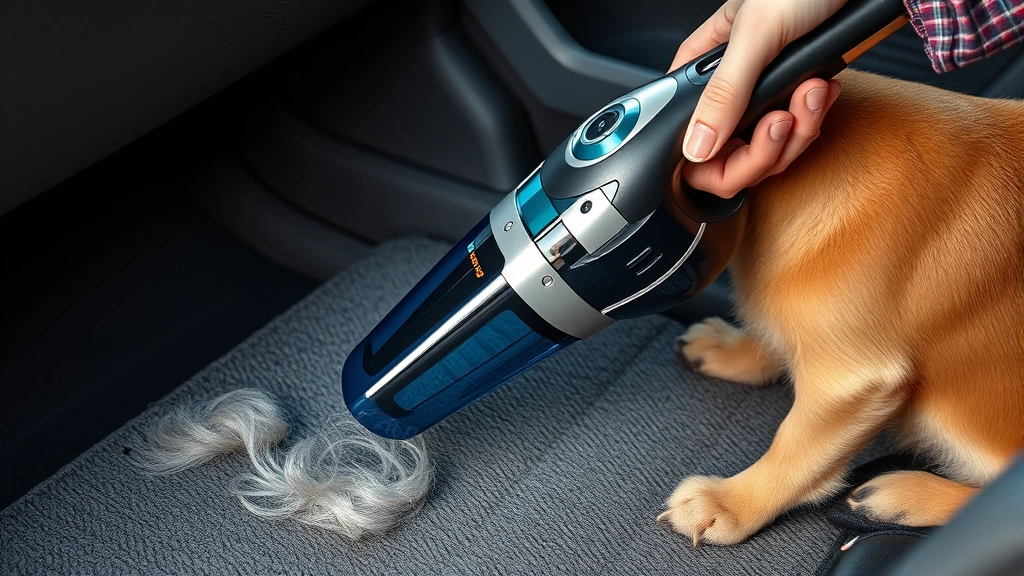
Not all vacuums are created equal when it comes to pet hair. Standard vacuum attachments often push hair around rather than actually removing it. The solution? Use a rubber vacuum attachment or a pet-specific vacuum head.
If you don’t have a pet vacuum, here’s a pro tip: wrap a rubber band around your regular vacuum hose or attachment. The rubber creates the same friction that makes the broom method work. Vacuum in multiple directions—up and down, then side to side—to catch hair from different angles.
For the best results, invest in a handheld pet vacuum specifically designed for car interiors. Brands like Dyson and Bissell make models that absolutely demolish embedded pet hair. Yes, they’re pricey, but if you’ve got shedding dogs, it’s worth every penny.
Method 4: The Fabric Softener Spray Solution
Here’s a chemical approach that actually works: fabric softener spray. The conditioning agents in fabric softener break the static bond between hair and carpet fibers, making removal easier. This method is particularly effective for stubborn, deeply embedded hair.
Here’s the process:
- Mix one part fabric softener with three parts water in a spray bottle
- Lightly mist the affected carpet areas (don’t soak them)
- Let it sit for 5-10 minutes
- Use your rubber broom or pet vacuum to remove the loosened hair
- Open windows to air dry and eliminate the fabric softener scent
The beauty of this method is that it works with your other techniques. You can spray, wait, then use the rubber broom method for maximum effectiveness. Just avoid over-spraying, which can leave your car smelling like a laundry facility.
Method 5: Professional Detailing (When All Else Fails)
Sometimes you need the professionals. If your car has become a fur fortress and DIY methods aren’t cutting it, professional auto detailers have industrial-grade equipment that can remove even the most stubborn pet hair. They use specialized vacuums, extraction machines, and sometimes even steam cleaners.
Professional detailing costs typically range from $50-$150 depending on your vehicle size and hair severity. It’s an investment, but you’ll get results that DIY methods can’t match. Plus, they’ll clean your entire interior, not just tackle the hair situation.
If you’re an eco-conscious pet owner, look for detailers who use environmentally friendly cleaning products. Many now offer green cleaning options that are safe for your dog and the planet.
Prevention: The Best Medicine (And Strategy)
Here’s the truth: the best way to deal with dog hair in your car is to prevent it in the first place. While you can’t stop your dog from shedding (that’s biology), you can minimize the mess.
Use a collapsible dog crate in your vehicle to contain your pup and limit hair spread. Car seat covers designed for pets create a barrier between your dog and the carpet, making cleanup infinitely easier. These covers are washable, affordable, and honestly, they’re a game-changer for pet owners.
Regular grooming also helps. The more you brush your dog at home, the less hair they’ll shed in your car. Consider professional grooming every 6-8 weeks, depending on your dog’s breed and coat type. A well-groomed pup is a less-hairy car.
If your dog is a serious shedder, consider using biodegradable pet waste bags to dispose of collected hair responsibly. It’s a small eco-friendly touch that makes a difference.
Choosing the Right Tool for Your Situation
Not every method works equally well for every situation. Here’s a quick guide:
- Quick cleanup (5-10 minutes): Lint roller or rubber broom
- Moderate hair accumulation: Rubber broom + pet vacuum
- Stubborn, embedded hair: Fabric softener spray + rubber broom
- Severe pet hair situation: Professional detailing
Most dog owners find that combining methods yields the best results. Start with the rubber broom to loosen hair, follow up with a pet vacuum, and finish with a lint roller for spots you missed. It’s a three-step process that takes about 20-30 minutes but leaves your car looking pristine.
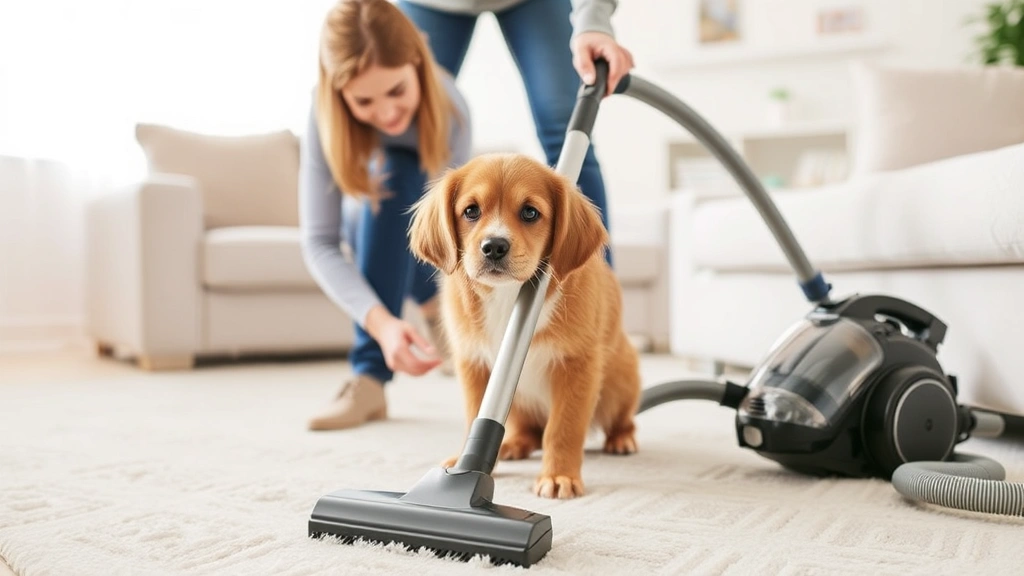
Why Your Regular Vacuum Isn’t Cutting It
Your standard household vacuum is designed for general cleaning, not pet hair removal. Most car carpets have a specific pile height that works against traditional vacuums. The bristles on regular vacuum heads are often too stiff or spaced too far apart to effectively grab embedded pet hair.
Additionally, car carpets have different densities than home carpets, and they’re often lower pile, which means pet hair gets packed in tighter. This is why pet-specific vacuums with rotating brushes or rubber attachments work so much better—they’re engineered specifically for this problem.
According to the American Kennel Club, regular grooming combined with proper car maintenance is the best approach to managing shedding. They recommend brushing your dog several times weekly during shedding season to minimize loose hair.
Product Recommendations for Maximum Hair Removal
If you’re ready to invest in solutions, here are some products that actually deliver results:
- ChomChom Roller: Specifically designed for pet hair, this reusable roller is gentler on fabrics than lint rollers and works on carpets and upholstery
- Dyson V15 Detect: A premium handheld vacuum with laser detection for pet hair (yes, it has a laser)
- Bissell Pet Hair Eraser: A budget-friendly option that’s surprisingly effective
- Rubber Broom: The most affordable solution that actually works
- Car Seat Covers: Preventative measure that saves time and frustration
You don’t need to buy everything, but having 2-3 tools in your arsenal makes management much easier. Many pet owners keep a lint roller, rubber broom, and pet vacuum handy.
Seasonal Shedding: When Things Get Crazy
Spring and fall are peak shedding seasons for most dogs. During these times, you might find yourself cleaning your car more frequently. This is when prevention becomes crucial. Increase grooming frequency, use seat covers religiously, and consider keeping your dog out of the car more often during heavy shedding seasons.
Some breeds shed year-round, while others have distinct shedding seasons. Double-coated breeds like Golden Retrievers and German Shepherds are notorious for their seasonal “coat blows.” If you’ve got one of these fur factories, accept that you’ll be fighting this battle twice a year and plan accordingly.
PetMD offers excellent grooming guidance that can help you manage shedding season more effectively.
Frequently Asked Questions
Can I use a lint roller on car carpet?
Yes, lint rollers work great for spot-treating dog hair on car carpet, especially for quick cleanups. However, they’re not efficient for large areas. They’re best used for maintenance between deeper cleaning sessions.
What’s the fastest way to remove dog hair from car carpet?
The rubber broom method is the fastest and most effective. It can remove 70-80% of embedded hair in one pass, taking only 5-10 minutes. Follow up with a quick vacuum for best results.
Will fabric softener damage my car carpet?
No, when diluted properly (1 part softener to 3 parts water), fabric softener won’t damage car carpet. It actually helps condition the fibers. Just avoid over-saturating the carpet and ensure proper ventilation to dry it completely.
Is it worth buying a pet-specific vacuum?
If you have shedding dogs and regularly drive them, absolutely yes. Pet-specific vacuums are engineered for pet hair removal and will save you time and frustration. They typically cost $150-$400 but last for years.
How often should I clean dog hair from my car?
This depends on your dog’s shedding level and how often they ride in your car. Most pet owners do a deep clean monthly and spot-clean weekly. During shedding season, increase frequency to bi-weekly deep cleans.
Can I prevent dog hair from getting in my car carpet?
Absolutely. Use car seat covers, keep a proper restraint system for your dog, groom regularly, and consider using a crate or divider. These preventative measures significantly reduce hair accumulation.
What if my dog’s hair is still stuck after trying these methods?
If you’ve tried multiple methods without success, it’s time to call a professional auto detailer. They have industrial equipment that can handle even the most stubborn situations. It’s worth the investment for severe cases.
Conclusion: Reclaim Your Car’s Carpet
Getting dog hair out of car carpet doesn’t have to be a nightmare. While it’s tempting to accept your vehicle as a mobile dog salon, you’ve now got five proven methods to reclaim your car’s interior. The rubber broom hack is your best friend for quick, effective removal. Combine it with prevention strategies like seat covers and regular grooming, and you’ll spend way less time fighting pet hair.
Remember, the key is finding the right combination of methods that works for your specific situation. Start with the rubber broom, add a pet vacuum to your arsenal, and don’t hesitate to call professionals when you need backup. Your car—and your sanity—will thank you.
The next time your pup climbs into the car for an adventure, you’ll know exactly how to handle the inevitable hair situation. Happy driving, and give your furry co-pilot a pat from us!





