
Let’s be honest—if you’ve got a dog, you’ve probably walked into your living room and thought, “Okay, what died in here?” That unmistakable dog odor seeping into your carpet is one of pet ownership’s greatest challenges. But here’s the good news: how to get dog odor out of carpet doesn’t require you to rip up your flooring or call in a hazmat team. With the right approach, you can banish that stench and keep your home smelling fresh.
Table of Contents
- Why Does Dog Odor Linger in Carpet?
- Method 1: Baking Soda—The Budget-Friendly Champion
- Method 2: Enzymatic Cleaners—The Science-Backed Solution
- Method 3: Vinegar and Water Solution—The Natural Alternative
- Method 4: Professional Steam Cleaning—The Heavy Artillery
- Method 5: Activated Charcoal—The Absorption Expert
- Preventing Dog Odor Before It Starts
- When to Call a Vet (It Might Not Be Your Carpet)
- Combining Methods for Maximum Odor Elimination
- Carpet Protection for Future Dog Ownership
- FAQ
- Conclusion: Fresh-Smelling Carpets Are Within Reach
Why Does Dog Odor Linger in Carpet?
Before we tackle solutions, let’s understand the enemy. Dog odor doesn’t just sit on top of your carpet like dust—it embeds itself deep into the fibers and padding beneath. When your pup has an accident, rolls around after a muddy walk, or just does that classic “wet dog” thing after a bath, moisture and organic compounds sink into the carpet layers. Bacteria love this environment and multiply like they’re at an all-you-can-eat buffet, creating that persistent stink that air freshener can’t touch.
The real culprits are urine compounds (especially in male dogs), sweat, and natural body oils. Regular vacuuming won’t cut it because these odor molecules are literally bonded to carpet fibers.
Method 1: Baking Soda—The Budget-Friendly Champion
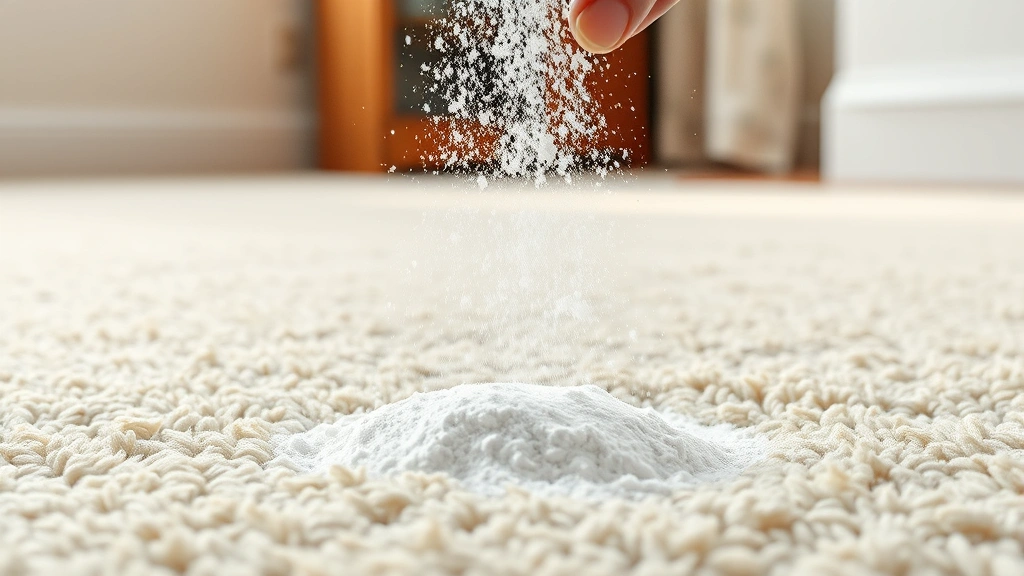
Baking soda is basically the Swiss Army knife of odor removal. This method is cheap, non-toxic, and actually works.
Here’s how to eliminate dog odor using baking soda:
- Sprinkle baking soda generously over the affected carpet area
- Let it sit for 24-48 hours (yes, your carpet will look weird, but patience pays off)
- Vacuum thoroughly with a quality vacuum cleaner
- For stubborn smells, repeat the process
Pro tip: Mix a few drops of your favorite essential oil (lavender or eucalyptus work great) into the baking soda before sprinkling for a subtle scent boost. Just avoid anything toxic to dogs—stick with pet-safe options.
Method 2: Enzymatic Cleaners—The Science-Backed Solution
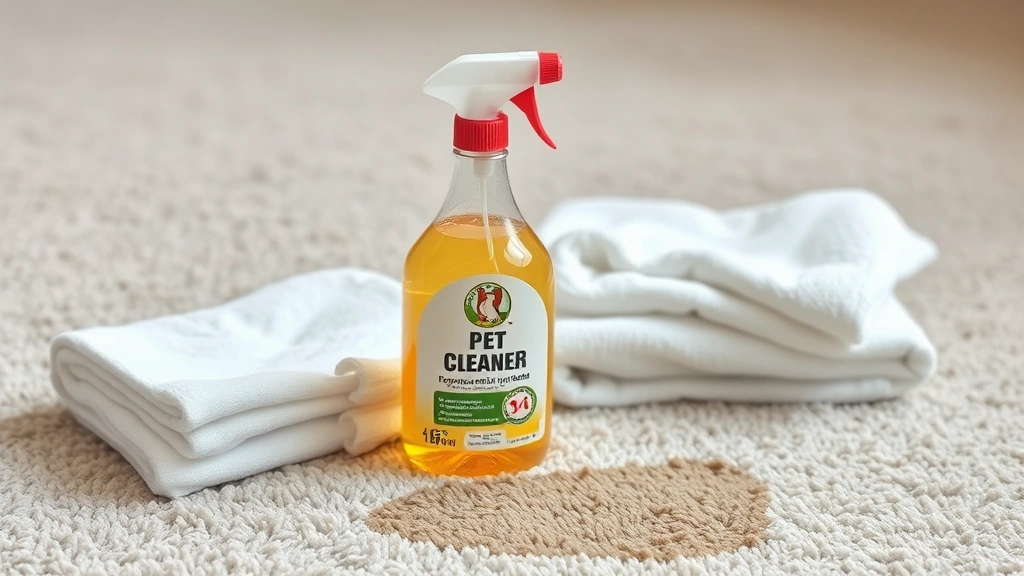
This is where things get serious. Enzymatic cleaners contain bacteria and enzymes that literally break down the organic compounds causing the odor. They don’t just mask the smell—they eliminate it at the molecular level.
Look for products specifically designed for pet odor removal. Popular choices include Nature’s Miracle and Rocco & Roxie. Follow the product instructions carefully, as application methods vary. Most require you to:
- Apply the cleaner directly to the affected area
- Let it sit (usually 10 minutes to several hours)
- Blot or vacuum according to directions
The beauty of enzymatic cleaners is they work on fresh accidents and old, set-in odors. They’re particularly effective for urine-related dog odor issues.
Method 3: Vinegar and Water Solution—The Natural Alternative
White vinegar is acidic enough to neutralize alkaline urine compounds. This method works best for fresh accidents rather than old odors.
Mix a solution of:
- 1 part white vinegar
- 1 part water
Spray it on the affected area, let it sit for 5-10 minutes, then blot with clean towels. Yes, your carpet will smell like vinegar initially, but that scent dissipates as it dries—taking the dog odor with it. For stubborn spots, increase the vinegar ratio to 2 parts vinegar and 1 part water.
While vinegar is natural and pet-safe, it’s not as powerful as enzymatic cleaners for deeply embedded odors. Use this as a maintenance method or for minor incidents.
Method 4: Professional Steam Cleaning—The Heavy Artillery
Sometimes you need to bring in the professionals. Professional carpet cleaning services use industrial-grade equipment and hot water extraction that reaches deep into carpet padding where odor-causing bacteria hide.
Many professional cleaners offer pet-specific treatments that combine hot water extraction with enzymatic treatments or specialized deodorizers. This method is more expensive (typically $200-500 for a room), but it’s incredibly effective for severe cases or older homes where dog odor has accumulated over years.
Before hiring, ask if they use pet-safe products and whether they offer a guarantee on odor removal. Check out resources like cruelty-free pet supplies to ensure they align with your values.
Method 5: Activated Charcoal—The Absorption Expert
Activated charcoal works by absorbing odor molecules rather than breaking them down. It’s particularly useful for ongoing odor control.
Use activated charcoal by:
- Sprinkling it directly on the carpet or placing it in small bowls nearby
- Leaving it for 24-48 hours
- Vacuuming thoroughly
- Repeating as needed
You can also buy or make activated charcoal sachets to place under furniture or in corners. This method is safe for pets and works well alongside other solutions.
Preventing Dog Odor Before It Starts
The best offense is a good defense. Here’s how to prevent dog odor from becoming a carpet nightmare:
- Address accidents immediately: The longer urine sits, the deeper it penetrates. Blot immediately with paper towels, then apply one of the methods above.
- Regular grooming: Bathe your dog monthly and brush regularly to reduce natural body odors.
- Invest in washable rugs: Place washable rugs in your dog’s favorite spots. These are easier to clean than carpet.
- Use enzyme-based pet waste bags: Check out biodegradable pet waste bags for outdoor accidents.
- Control fleas and parasites: Some dog odor comes from skin issues caused by fleas. Explore earth-friendly flea control options.
- Improve ventilation: Open windows regularly and use air purifiers designed for pet odors.
When to Call a Vet (It Might Not Be Your Carpet)
If your dog suddenly starts smelling worse than usual or you notice excessive odor despite regular grooming, it could signal a health issue. Skin infections, ear problems, anal gland issues, and urinary tract infections all cause distinct odors. A vet visit might be necessary before you waste time on carpet cleaning.
Keep your vet’s contact information handy, and don’t hesitate to reach out if something seems off. Your dog’s health comes first.
Combining Methods for Maximum Odor Elimination
For really stubborn dog odor, don’t rely on just one method. Try this combo approach:
- Vacuum thoroughly
- Apply enzymatic cleaner and let sit per instructions
- Once dry, sprinkle baking soda for 24 hours
- Vacuum again
- Place activated charcoal in the area for additional absorption
This multi-pronged attack tackles odor from every angle—breaking it down, absorbing it, and neutralizing it. According to the American Kennel Club, persistent odor problems often require comprehensive solutions rather than single treatments.
Carpet Protection for Future Dog Ownership
If you’re replacing carpet, consider pet-friendly options. Stain-resistant, tightly woven carpets resist odor absorption better than loose, natural fibers. Alternatively, luxury vinyl plank or tile flooring is far easier to clean and won’t trap odors. Some pet owners even use area rugs over hard flooring in their dog’s favorite spots—much easier to wash or replace.
FAQ
Can I use bleach to remove dog odor from carpet?
No. Bleach is toxic to dogs and can cause serious health issues if ingested or inhaled. It also damages carpet fibers and won’t effectively eliminate odors anyway. Stick to pet-safe solutions like enzymatic cleaners, baking soda, or vinegar.
How long does it take to remove dog odor from carpet?
It depends on the method and severity. Baking soda takes 24-48 hours, enzymatic cleaners work in hours to days, and professional cleaning shows immediate results. Old, set-in odors may require multiple treatments over weeks.
Will air freshener get rid of dog odor?
Air freshener only masks the smell temporarily. It doesn’t address the underlying odor-causing compounds in your carpet. You need to actually remove or break down those molecules, which is why enzymatic cleaners and baking soda are more effective.
Is dog odor in carpet a sign of a health problem?
Not necessarily. Normal dog odor is just part of pet ownership. However, sudden increases in odor or unusual smells can indicate skin infections, ear problems, or urinary issues. If your dog smells worse than usual, consult your vet. The PetMD resource center has helpful guides on recognizing health-related odors.
Can I use scented baking soda on my carpet?
Yes, scented baking soda works fine. Just avoid heavily perfumed products that might irritate your dog’s nose. Essential oil-infused options are better—just ensure they’re pet-safe oils.
What if my dog keeps having accidents on the same spot?
Dogs are drawn back to spots where they’ve had accidents because they can smell their own urine. Make sure you’re using enzymatic cleaners specifically designed for pet urine—they break down the scent markers. You might also need to restrict your dog’s access to that area temporarily while you retrain them.
Conclusion: Fresh-Smelling Carpets Are Within Reach
Getting dog odor out of carpet doesn’t require replacing your flooring or living with a stinky house. Whether you go with budget-friendly baking soda, science-backed enzymatic cleaners, natural vinegar solutions, professional steam cleaning, or activated charcoal, you have solid options. The key is acting quickly on fresh accidents and using the right method for your situation.
For prevention, focus on immediate cleanup, regular grooming, and addressing any underlying health issues with your dog. And remember—if your dog’s odor seems abnormal, check with your vet before assuming it’s a carpet problem.
Your nose will thank you, your guests will be impressed, and your dog can keep being your favorite furry friend without turning your home into a smelly situation. Now go forth and conquer that dog odor!





