
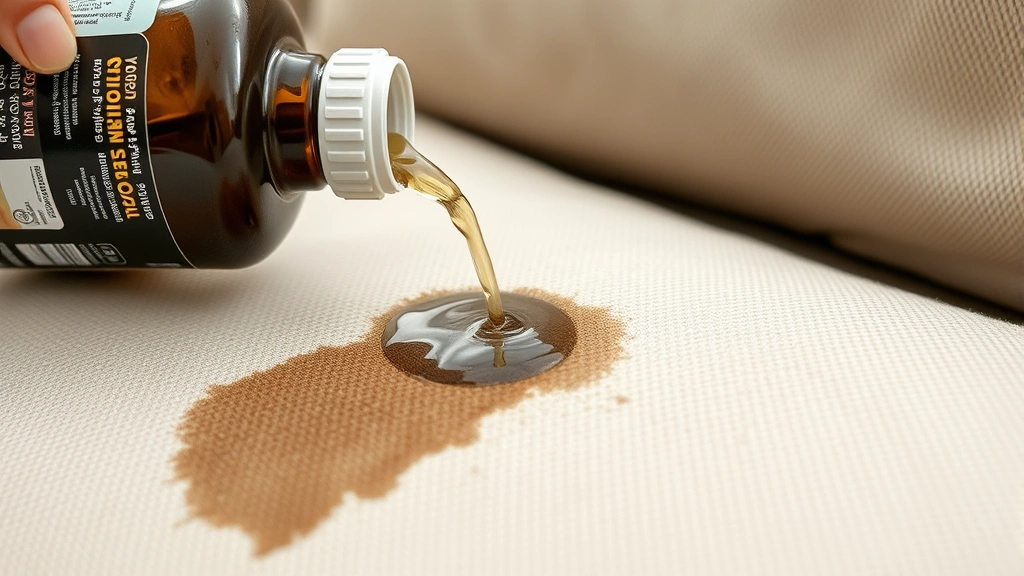
Learning how to get dog pee out of couch cushions is one of those skills pet parents wish they never needed but desperately want when accidents happen. Whether your furry friend had a medical issue, anxiety episode, or simply couldn’t hold it any longer, urine stains and odors can feel impossible to eliminate. The good news? With the right approach and a little elbow grease, you can rescue your couch from that distinctive dog pee smell and restore it to its former glory.
Table of Contents
- Why Dog Urine Smells So Terrible (And Why It Sticks Around)
- Method 1: The Enzyme Cleaner Approach (Best for Fresh Stains)
- Method 2: Baking Soda and Vinegar Combo (Budget-Friendly Option)
- Method 3: Hydrogen Peroxide Treatment (For Stubborn Stains)
- Method 4: Professional Enzyme Spray Plus Moisture Extraction
- Method 5: The Activated Charcoal Method (Odor Prevention)
- How to Prevent Future Accidents on Your Couch
- Identifying Why Your Dog Is Peeing on the Couch
- Supplies You’ll Actually Need
- When to Call a Professional Cleaner
- Frequently Asked Questions
- Summary: Your Couch Can Be Saved
Why Dog Urine Smells So Terrible (And Why It Sticks Around)
Before diving into solutions, let’s talk about why dog urine is such a nightmare to remove. Dog pee contains uric acid crystals that don’t dissolve in water alone—this is the real culprit behind that persistent ammonia smell that makes your living room unbearable. When urine seeps into fabric fibers and cushion padding, these crystals embed themselves deep within, which is why surface cleaning rarely works. The longer urine sits, the more it bonds with the fabric, making removal exponentially harder.
If your dog is having frequent accidents, it might be worth consulting a vet. Conditions like urinary tract infections or incontinence could be the underlying issue. Check out our guide on when to call the vet about food for insight into how medical issues affect pet behavior, and consider reaching out to a professional through pet telehealth services if you suspect a health problem.
Method 1: The Enzyme Cleaner Approach (Best for Fresh Stains)
Enzyme cleaners are your secret weapon for removing dog urine odors—they’re literally designed to break down the uric acid crystals that cause the smell. This is the gold standard for pet stain removal and works best on fresh accidents before the urine dries completely.
Here’s what you do: First, blot up as much fresh urine as possible with paper towels or old towels—don’t rub, just press down firmly. Next, saturate the affected area with an enzyme-based pet cleaner like Nature’s Miracle or Rocco & Roxie. Let it sit for the recommended time (usually 12-24 hours) so the enzymes can break down the uric acid. Then vacuum or wipe away the cleaner according to product instructions. The enzymatic reaction actually destroys the odor at a molecular level rather than just masking it.
Method 2: Baking Soda and Vinegar Combo (Budget-Friendly Option)
If you don’t have enzyme cleaner on hand, this old-school combination is surprisingly effective for pet odor removal. Baking soda neutralizes odors while vinegar helps break down uric acid crystals.
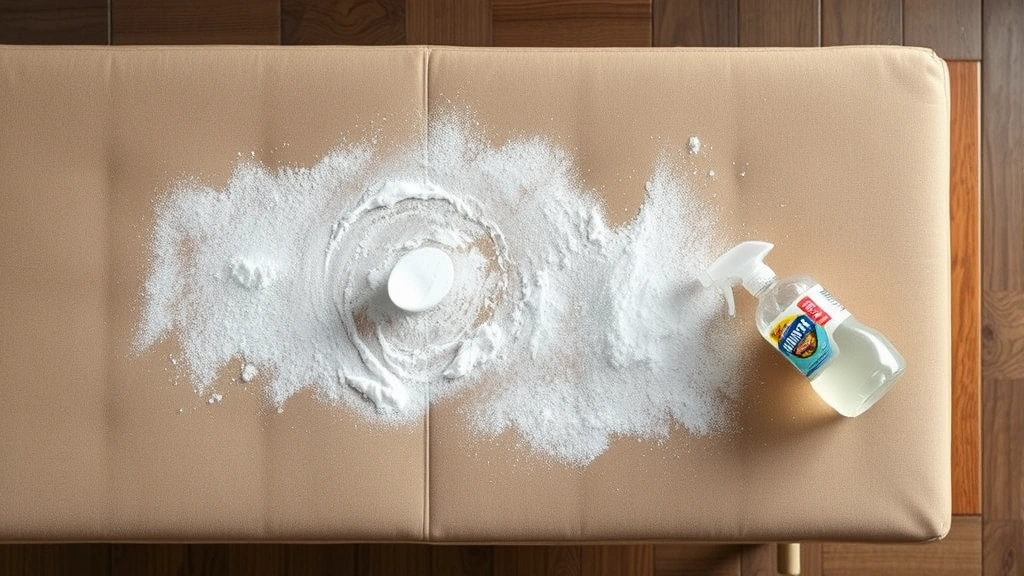
The process: Blot the wet urine thoroughly first. Sprinkle baking soda generously over the stained area and let it sit for 30 minutes to absorb odors. Vacuum it up completely. Then mix equal parts white vinegar and water in a spray bottle and lightly mist the area. Don’t oversaturate—you want damp, not soaked. Let it dry completely (this might take 24 hours), then vacuum again. Your couch should smell significantly better. Pro tip: open windows and run fans to speed up drying time.
Method 3: Hydrogen Peroxide Treatment (For Stubborn Stains)
Hydrogen peroxide is a powerful oxidizer that can break down both the stain and the odor-causing compounds in dog urine. This method works particularly well on light-colored couches where discoloration is visible.
Application steps: Test the hydrogen peroxide on a hidden area of your couch first to ensure it doesn’t bleach the fabric. Mix a solution of 3% hydrogen peroxide with a few drops of dish soap and a tablespoon of baking soda to create a paste. Apply this directly to the stain and let it sit for 5-10 minutes. Scrub gently with a soft brush, then blot with clean towels. Rinse with water and blot again. The peroxide will fizz as it works, which means it’s breaking down the organic compounds. This method is excellent for urine that’s been sitting for a few days.
Method 4: Professional Enzyme Spray Plus Moisture Extraction
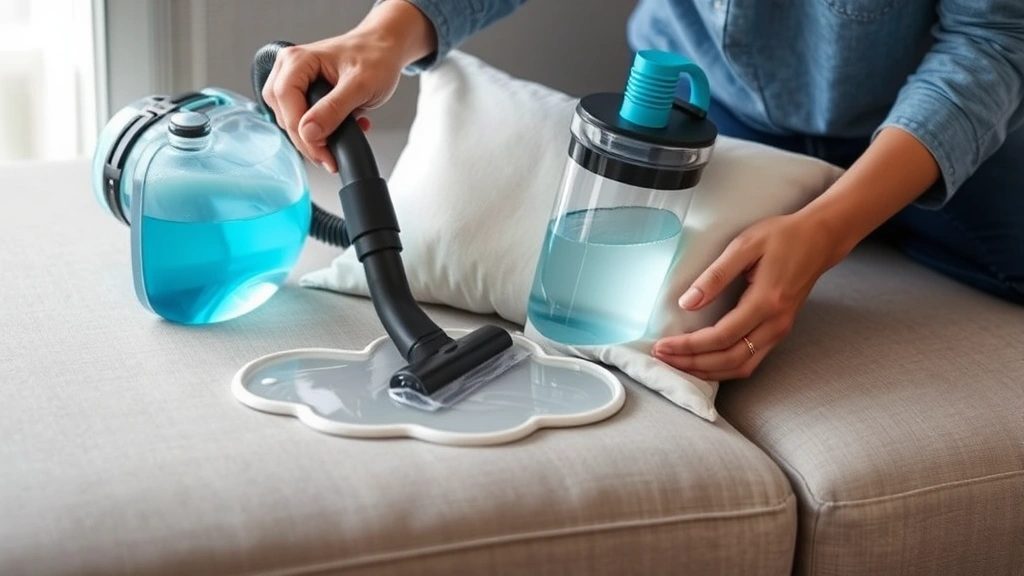
For serious stains or when DIY methods aren’t cutting it, commercial enzyme sprays combined with a wet-dry vacuum or carpet cleaner can be a game-changer. This approach mimics what professional cleaners do, and honestly, it’s nearly as effective.
Rent or borrow a wet-dry shop vac or carpet cleaning machine from a hardware store. Apply your enzyme cleaner according to directions, then use the machine to extract moisture and the cleaner simultaneously. This pulls the enzyme solution deep into the cushion padding where the urine actually soaked through. Repeat the process 2-3 times for maximum effectiveness. Your couch will be damp afterward, so plan for 24-48 hours of drying time with fans and open windows.
Method 5: The Activated Charcoal Method (Odor Prevention)
While activated charcoal won’t remove existing stains, it’s fantastic for absorbing lingering odors after you’ve cleaned. This method works great as a follow-up to other cleaning techniques.
Sprinkle food-grade activated charcoal over the cleaned area and let it sit for 24-48 hours. Vacuum thoroughly. Activated charcoal is porous and naturally absorbs odors without adding chemical smells. You can also place open bowls of charcoal near your couch to continuously absorb any remaining odors. This is a maintenance step that keeps your couch smelling fresh long-term.
How to Prevent Future Accidents on Your Couch
Prevention is always better than cure when it comes to dog pee stains. Consider using waterproof furniture covers or throws that you can remove and wash. Train your dog with consistent potty breaks—most adult dogs can hold it for about 6-8 hours, but puppies need more frequent bathroom trips. If your dog is having repeated accidents, behavioral training or a consultation about underlying health issues through bland diet recipes for sick pets might help address digestive or urinary issues.
Identifying Why Your Dog Is Peeing on the Couch
Before you spend hours cleaning, figure out why this is happening. Is your dog experiencing anxiety when left alone? Do they have a urinary tract infection? Are they getting enough bathroom breaks? Senior dogs sometimes lose bladder control, while younger dogs might be marking territory. Once you address the root cause, you’re less likely to deal with repeat incidents. This is where veterinary guidance becomes invaluable—some causes require medical intervention rather than just better training.
Supplies You’ll Actually Need
Stock your cleaning arsenal with: enzyme-based pet cleaner (non-negotiable), white vinegar, baking soda, hydrogen peroxide, paper towels, old towels for blotting, a soft-bristled brush, and ideally a wet-dry vacuum. Having these on hand means you can tackle accidents immediately, which dramatically improves your chances of complete odor removal. Fresh urine is infinitely easier to deal with than aged urine that’s had days to set in.
When to Call a Professional Cleaner
If your couch is a high-end piece, has multiple stains, or your DIY efforts aren’t working after 2-3 attempts, it’s time to call in professional upholstery cleaners. They have industrial-strength enzyme cleaners, extraction equipment, and expertise that can save expensive furniture. Sometimes the cost of professional cleaning is worth it compared to replacing a beloved couch. Many cleaners specialize in pet stain removal and can often eliminate odors that seem permanent.
Frequently Asked Questions
Can I use regular carpet cleaner on my couch?
Regular carpet cleaners might work, but enzyme-based pet cleaners are specifically formulated to break down uric acid crystals in dog urine. Pet-specific products are more effective and won’t leave your couch smelling like a chemical factory. Always check manufacturer guidelines for your couch’s fabric before applying any cleaner.
How long does it take for dog urine to stop smelling?
Fresh urine treated immediately with enzyme cleaner can be odor-free within 24-48 hours. Older urine that’s been sitting for weeks might take multiple treatments and several days of drying time. The longer urine sits untreated, the longer it takes to fully eliminate the smell because the uric acid crystals become more embedded in the fabric.
Will baking soda alone remove dog urine smell?
Baking soda is great at absorbing odors, but it won’t break down the uric acid crystals causing the smell. Use it as part of a multi-step process with vinegar or enzyme cleaners for best results. Baking soda works better as maintenance after you’ve cleaned the stain chemically.
Is dog urine permanently damaging to couches?
Not necessarily. Even older stains can be significantly improved or completely eliminated with the right approach. However, if urine has soaked through to the frame or internal structure, you might need professional intervention. The key is acting quickly and using the right cleaning method for your couch’s fabric type.
Should I throw away my couch if my dog keeps peeing on it?
Before you toss your couch, address the underlying cause. Is your dog getting enough bathroom breaks? Do they have a medical issue? Are they anxious? Once you solve the behavioral or medical problem, accidents should stop. A couch is salvageable if the peeing stops—the stain removal is just the final step.
Summary: Your Couch Can Be Saved
Learning how to get dog pee out of couch furniture doesn’t have to be a nightmare. Whether you choose enzyme cleaners for their proven effectiveness, the budget-friendly baking soda and vinegar method, or hydrogen peroxide for stubborn stains, you have solid options. The key is acting fast, using the right cleaning approach for your situation, and addressing whatever caused the accident in the first place. With patience and the right supplies, your couch can smell fresh again—and hopefully, future accidents will be prevented entirely.





